On July 10, 2020, over three decades after it was first conceived of and designed, the city of Venice launched a test run of its new flood barrier system, the MOSE project. The system of barriers was created to keep high seas from inundating the city—a common event in Venice, but more frequent and severe thanks to climate change. Unfortunately, this test came months too late. The previous November, Venice experienced record floods, causing over €1 billion worth of property damage.
With every event, we are faced with a choice: pour ever-increasing quantities of money into disaster cleanup and short-term stopgaps or proactively invest in projects that enhance our resilience to climate-driven events.
To begin to address these issues effectively, we need to enlist governments, insurers, banks and asset managers, infrastructure experts, and technical assistance and research firms. Coming together to address climate change adaptation to reduce risks before disasters strike is the best chance we have to improve the outcomes of climate risk events. (The MicroInsurance Centre at Milliman is for-profit and receives compensation for projects related to climate adaptation and insurance.)
This is especially true for low-income and small island nations. In 2014, Michael met with the deputy coordinator of the Belize National Emergency Management Organization as part of work the MicroInsurance Centre was doing in the country. Retired Lt. Col. Shelton Defour lamented that the government had little capacity to do anything more than clean up after climate-related disasters—which were coming more and more frequently—let alone put resilience plans in place.
There is no doubt that climate change will take a heavy toll on low-income countries and their citizens. Countries like Belize recognize that it’s better to adapt and prepare for these events; it makes no sense to simply keep returning to the scene of catastrophes, waiting for the community of nations to provide humanitarian aid, and then picking up the mess and rebuilding.
But for most of these nations, resilience efforts are simply out of reach. Insurance may mitigate some of the costs for citizens, but it is of limited benefit in adaptation. The bond markets focus on short durations. And it is difficult for small countries to obtain even basic infrastructure financing.
Climate adaptation requires significant financing. Swiss Re notes that the cost of climate-proofing infrastructure is estimated at around $41 billion annually for Asia alone. While this presents a challenge to smaller governments, adaptation also creates opportunities for the capital markets to be involved in growing infrastructure that helps these countries become more resilient.
Basic asset-liability management says that long-term projects should be matched with long-term investments while mitigating long-term risks—such as climate change. This prompts a need for investment vehicles of durations as long as 20 or even 25 years. A financial instrument with this type of long-term maturity could enable a government to develop resilient infrastructure to reduce overall climate risk, as well as the premium on their catastrophic insurance, while providing fixed-debt repayment over decades. This would both increase stability and climate resilience for the nation, while enabling it to better plan its fiscal resources. Meanwhile, investors could benefit from long-term returns in addition to knowing that their investments are improving resilience.
To our knowledge, there are currently no existing long-term bond products that specifically incentivize climate adaptation in low-income countries and small island nations. A problem this large requires the cooperation and expertise of many groups. This is a perfect opportunity for donors, public and private sectors, investors, and technicians to collaborate and create a positive outcome for all parties. Blending the financial and intellectual inputs of these groups can generate substantial benefits for governments and a good market return for investors.
Improved resilience, however, does not eliminate the need for insurance. Rather, if insurance and adaptation bonds are linked and jurisdictions become better prepared, inevitable climate-related events will be less destructive and less costly.
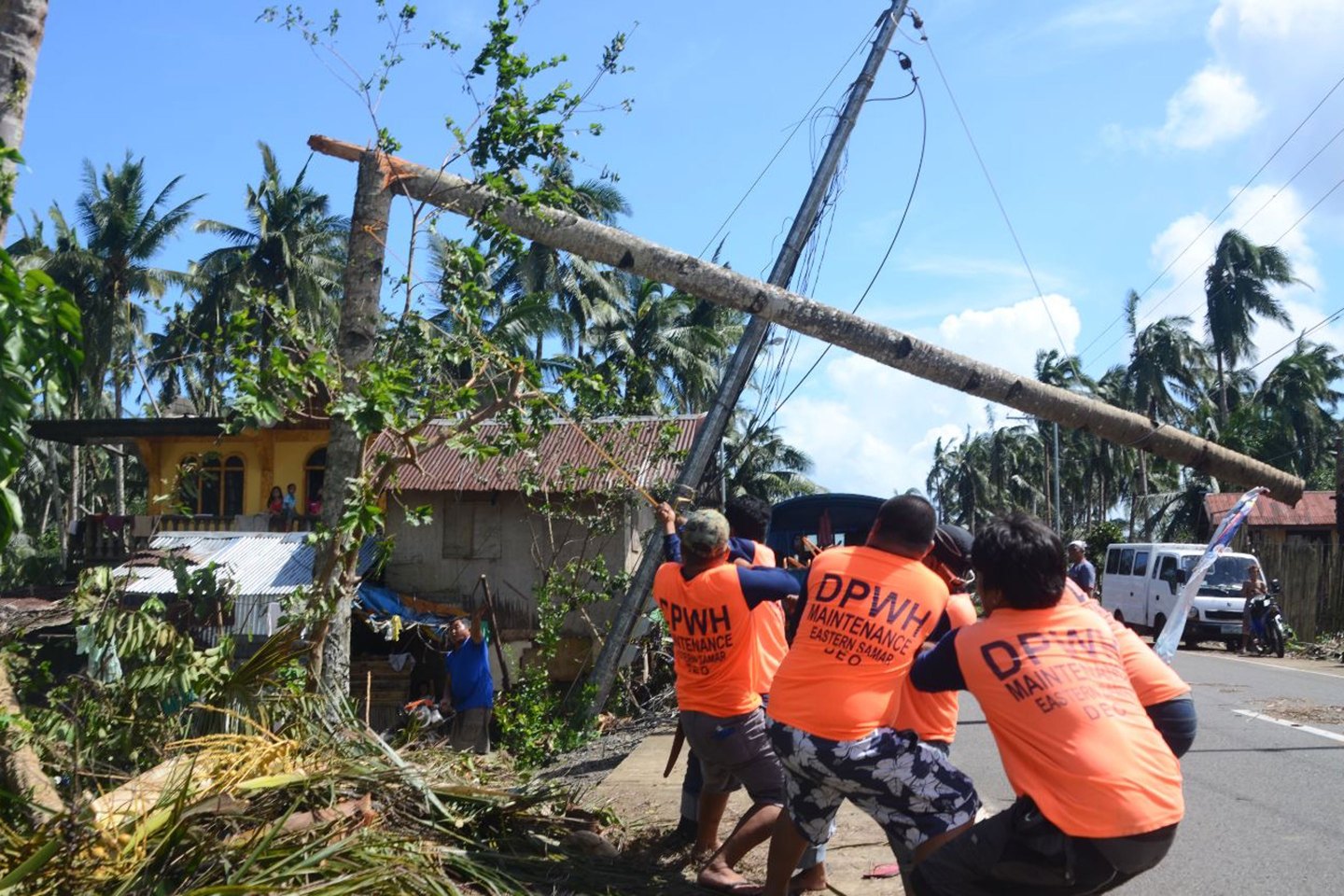
We saw this in the Philippines when Typhoon Ursula/Phanfone hit the region on Christmas Eve 2019. While the estimated damage came to almost $70 million, with at least 50 deaths, this number could have been higher if not for a small forecast-based parametric insurance pilot program conducted by Global Parametrics, Oxfam, and Plan International. (The MicroInsurance Centre at Milliman and the United Nations Capital Development Fund, or UNCDF, have previously done contracting work with all three organizations.)
Parametric insurance, also known as index insurance, triggers payments if a storm is highly likely to reach a level of intensity agreed upon ahead of time. In the Philippines case, claims payments to farmers and homeowners arrived electronically in advance of the typhoon, enabling them to flee to safety and protect their assets before the storm hit.
With better preparation, there should be risk reduction. There should also be less loss of life and fewer health issues after these events. In addition, there should be better livelihood protection and faster responses from governments.
Linking insurance directly to long-term climate adaptation bonds can help governments more effectively adapt to and manage the effects of climate change. For example, in Manila there are a number of infrastructure projects that would make the city more resilient, but financial resources are limited. Working with insurers and investors to create a 20-year adaptation bond could enable the city to improve its infrastructure while locking in long-term insurance coverage with stable premiums for both the city and private sector. At the same time, more stable budgeting would provide a lower-risk investment environment for financiers.
We all know that prevention is better than a cure. We now have an opportunity to help low-income and small island nations address the calamities that have already begun.
We need to take a comprehensive approach that links adaptation and insurance to better protect these countries and especially their low-income residents. This will require the participation of many parties. And we need to start now.
Michael J. McCord is the managing director of the MicroInsurance Centre at Milliman.
Abhisheik Dhawan is the sustainable finance and partnerships specialist at the UNCDF.
The views and opinions expressed in this article are those of the authors and do not necessarily reflect the views of Milliman or the UNCDF.











