The COVID-19 pandemic has affected us all, but the most fundamentally devastated are the already vulnerable communities. The demand for care brought on by COVID-19 has exposed the fragile nature of our health system and shed light on the alarming and pervasive influence of inequities, structural racism, and health disparities.
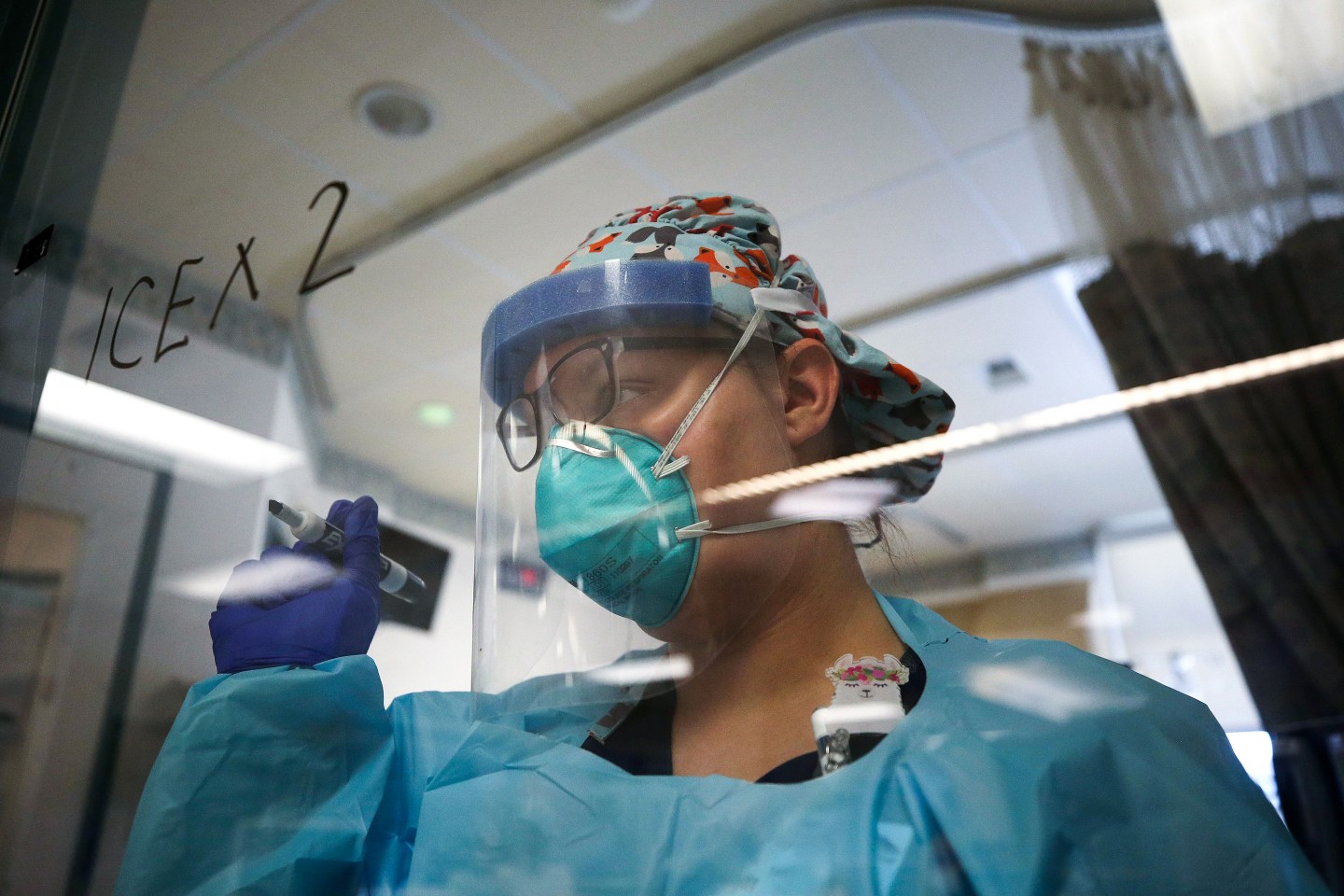
Among the many heroes helping us survive the pandemic are frontline health care workers, first responders, and the people who have kept vital services open and accessible, despite their own personal health risks. Equally heroic are the scientists leading the desperate search for a viable vaccine and effective therapies. At the same time, we must recognize that all global citizens have made significant sacrifices and continue to demonstrate that we are all essential.
Considerable attention has been focused on the COVID-19 curve—a relatively intuitive framework that has provided the global community with an easily understood benchmark on how to measure progress in addressing the spread of the virus and reducing transmission. Some communities are just beginning to flatten the curve with evidence-based approaches, while others are moving in the wrong direction.
As we look ahead, we need to examine how we address the infectious disease curve with the reality of an unrelenting increase in COVID-19 cases and the impending onset of the annual flu season. In this context, it will be critical to adopt a renewed sense of urgency to recognize that vaccinations save lives and money, and continue to harness our collective energy around the development of effective COVID-19 vaccines.
While it is critical that we address the infectious disease curve with scientific rigor and evidence-based policies and nonpharmaceutical interventions, this pandemic is far too complex to be thought of in just one dimension. To successfully emerge from the pandemic and begin to reimagine a better health system for the future, we must confront and flatten three additional impact curves:
Mental illness
Even before the pandemic, our country faced growing rates of mental illness and a fragmented infrastructure unable to properly address the increased need for mental-health services. Now, months into shelter-in-place restrictions in many localities due to the virus, the country is on the verge of a rapidly escalating mental-health crisis.
One in three Americans report chronic anxiety driven by factors that are catalysts for psychological trauma—an overwhelming number of lost lives, increased unemployment and economic hardship, social isolation from friends and family, and a general fear for the future. Sadly, our frontline health care workers are at a heightened risk of mental-health disorders from burnout, job-related stress, and trauma, and 59% of health care workers say their mental health has declined as a result of the COVID-19 crisis.
Experts warn that a looming wave of mental-health conditions is imminent, with cases of substance abuse, intimate partner violence, and gun suicides on the rise. Our fragmented U.S. mental-health system—already vastly underfunded, stigmatized, and difficult to access—is not adequately prepared to handle the current crisis and the future post-COVID-19 surge.
Chronic diseases
Hospitals and health systems have been forced to focus almost exclusively on treating high-risk COVID-19 patients. Many medical practices and community health centers have been required to discontinue routine health and wellness visits and basic preventive services because of shelter-in-place orders. As a result, many hospitals and medical practices are facing a fiscal crisis, leaving the future operations of these vital health resources at risk, particularly when you consider that nearly all of America’s health care spending is on chronic diseases and mental illness.
Many patients have been reluctant to seek preventive care and management for chronic conditions for fear of being exposed to COVID-19. Likewise, preventive services like vaccinations and screenings for chronic diseases like cancer have essentially been put on hold, leaving millions at risk of escalating infectious and chronic diseases or missing a critical diagnosis at early stages of a disease. In fact, recent research is showing excess deaths from chronic diseases like heart disease, stroke, and diabetes.
Health inequities
After only a few months of this pandemic, half of U.S. adults live in households that have lost income, especially in low-income and minority communities. COVID-19 is also exposing the devastating health inequities that already existed in our health system. The shortcomings disproportionately impact minority communities, most notably Black Americans in urban areas. According to theCOVID Racial Data Tracker, a joint project of the COVID Tracking Project and the Boston University Center for Antiracist Research, deaths from COVID-19 are nearly two times greater for Black or African-Americans, compared with the general population.
And the downstream consequences of this crisis have accelerated the economic disparities within the Black community. This is clearly evident when you consider that the national unemployment rate average is currently at 11.1%, while the jobless rate remains highest for Black workers at 15.4%. COVID-19 has only accelerated the economic divide, creating an escalating crisis of health disparity. There is a growing consensus that structural racism has contributed to the current health disparity crisis. At the same time, there is an emerging movement to not only acknowledge this injustice, but to address it in a meaningful way.
Focusing on all four
We must collectively design an integrated strategy to address and flatten all four curves—infectious diseases (with an emphasis on the coronavirus), mental illness, chronic diseases, and health inequities—with a renewed vigor and a commitment to science and collaboration. Otherwise, we leave already vulnerable communities at increased risk and our health system with even more burdens.
History has taught us that we can emerge stronger from crises. With the right focus and teamwork across the health system, I am confident we can do the same from this crisis. We must transform our health and economic systems to create a more equitable future for all global citizens—especially the most vulnerable ones.
Kyu Rhee, a primary-care physician and master of public policy, is vice president and chief health officer at IBM.