Last August, 181 CEOs committed to the Business Roundtable’s redefined purpose of a corporation, stating that businesses are to promote “an economy that serves all Americans.” A year later, that commitment to serve all stakeholders—customers, employees, suppliers, communities, and shareholders—is being put to the test.
As a society, we are facing previously unimagined challenges—a global pandemic unlike anything we’ve ever experienced and a reckoning with deep-seated racial injustice and inequities. According to the Edelman Trust Barometer, 65% of respondents—out of a total of 13,200 individuals in 11 global markets—felt that CEOs should take the lead on addressing the pandemic rather than waiting for government to impose restrictions and demands. Similarly, 67% of Americans say that how businesses react and express themselves on racial inequality will have a permanent effect on buying decisions, according to a recent survey by Morning Consult.
It’s no longer enough for businesses to focus on providing health benefits, advancing diversity and inclusion, and creating economic opportunity. The new and expanded responsibilities of a business have evolved to facilitating services that focus on employee health and safety, rooting out racial injustice, and addressing the environmental factors that impact a community’s ability to thrive. More so now than any other time in our history, business leaders have an opportunity to be part of the solution to drive positive societal change.
Every employer is a now health care company
With Americans more likely to get their health coverage from an employer than any other source, the relationship between a business and the health of its workforce has already been strong. Yet COVID-19 dramatically shifted how employers think about the health of their employees and its impact on business continuity. Providing a safe environment and resources to support employees’ well-being went from something a business should do to something it needs to do to survive.
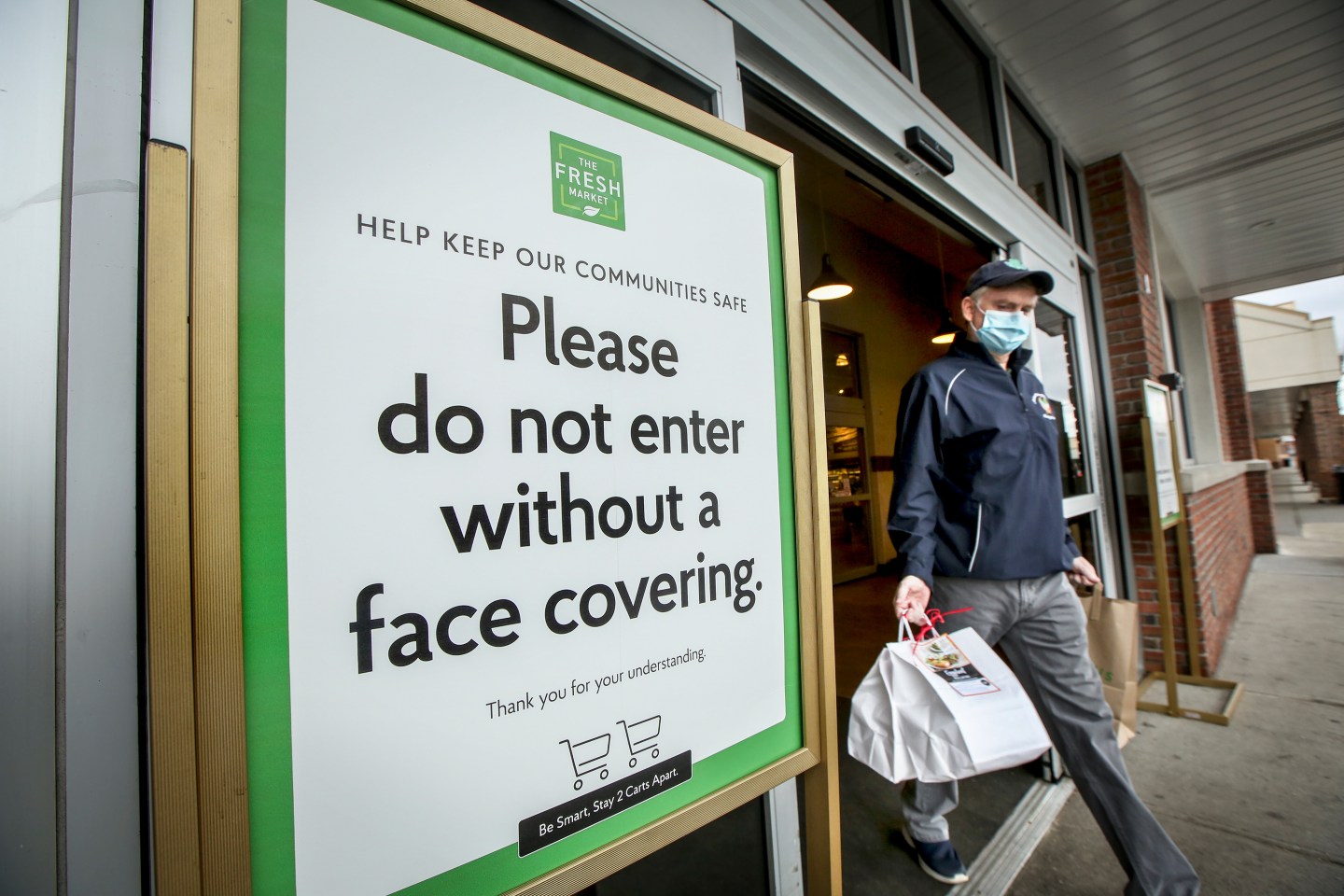
In boardrooms and C-suites across the country, leaders are grappling with public health indicators and workplace policies that will determine when and how they bring their employees back to work sites. From redesigned office space and cleaning protocols to health symptom checks and COVID-19 testing, companies are more focused than ever on the actions they can take to promote health in the workplace.
Beyond the physical environment, increased attention is centering on the growing mental-health crisis, a deadly undertow that has the potential to impact more individuals than the virus itself. A recent study by PricewaterhouseCoopers found that 30% of individuals with employer-sponsored coverage either sought help for mental health as a result of COVID-19 or had plans to do so. The report also found that mental-health issues left untreated increase costs by a multiple of 12.
As a result, more employers are acknowledging the importance of mental health, investing in expanded support for employees and normalizing conversations that bring these issues out from the shadows. Eliminating the stigma associated with mental health may become a silver lining of the pandemic.
Making progress toward racial equality
Diversity and inclusion have been elements of business strategy for some time but have largely focused on the factors within a company. A commitment to systemic change both internally and externally is required to make real progress toward addressing the root causes of inequality in our country.
In the wake of the killing of George Floyd and growing momentum of the Black Lives Matter movement, businesses are taking stands, committing to action toward racial justice, and being held accountable for meeting those commitments—both within their organizations and outside them. Corporations have significant influence on social issues, and in this moment, that means determining our role in fostering equality and taking tangible steps that will turn this long overdue conversation into a moment of true change. At CVS Health, we are focusing our efforts on improving the overall experience for our colleagues, supporting communities through reducing health care disparities and increasing economic opportunity, and influencing public policy to drive positive change for Black Americans.
Addressing the needs of our communities
There’s a well-established connection between a person’s health and well-being and the factors in their environment, such as access to transportation, quality education, affordable housing, and healthy food. As much as 60% of a person’s life expectancy is driven by these social and environmental determinants. COVID-19 has reinforced this reality as Black and Hispanic people have been more significantly impacted by the pandemic, largely due to factors like families of multiple generations living in the same household, greater likelihood of being essential workers, and lack of access to health care.
Addressing social determinants of health is a concern not just for the health care industry, but for all companies. Businesses rely on their communities for healthy workforces and customer bases to support their growth.
With the trajectory of the pandemic uncertain, business leaders must consider the ongoing problems our communities face as our own. COVID-19 has made us more interconnected than ever, and conversations about access to schools and childcare will be just as important in the boardroom as they are at the kitchen table. We also must prioritize areas of greatest need, like housing and food security, for those most vulnerable in our communities. These issues are economic just as much as they are about social justice, and inaction is not an option.
Seizing the moment
We are facing an inflection point as business leaders. The role that businesses play in society was already expanding, but COVID-19 and the movement to address racial injustice have radically accelerated that transformation. The public expects and trusts us to do something about these historic challenges, and by seizing that opportunity, I am confident our collective action can drive real change.
Karen S. Lynch is executive vice president of CVS Health and president of the Aetna business unit.