This is an installment in a special series, Startup Year One, interviewing startup founders about the major lessons they have learned in the immediate aftermath of their businesses’ first year of operation.
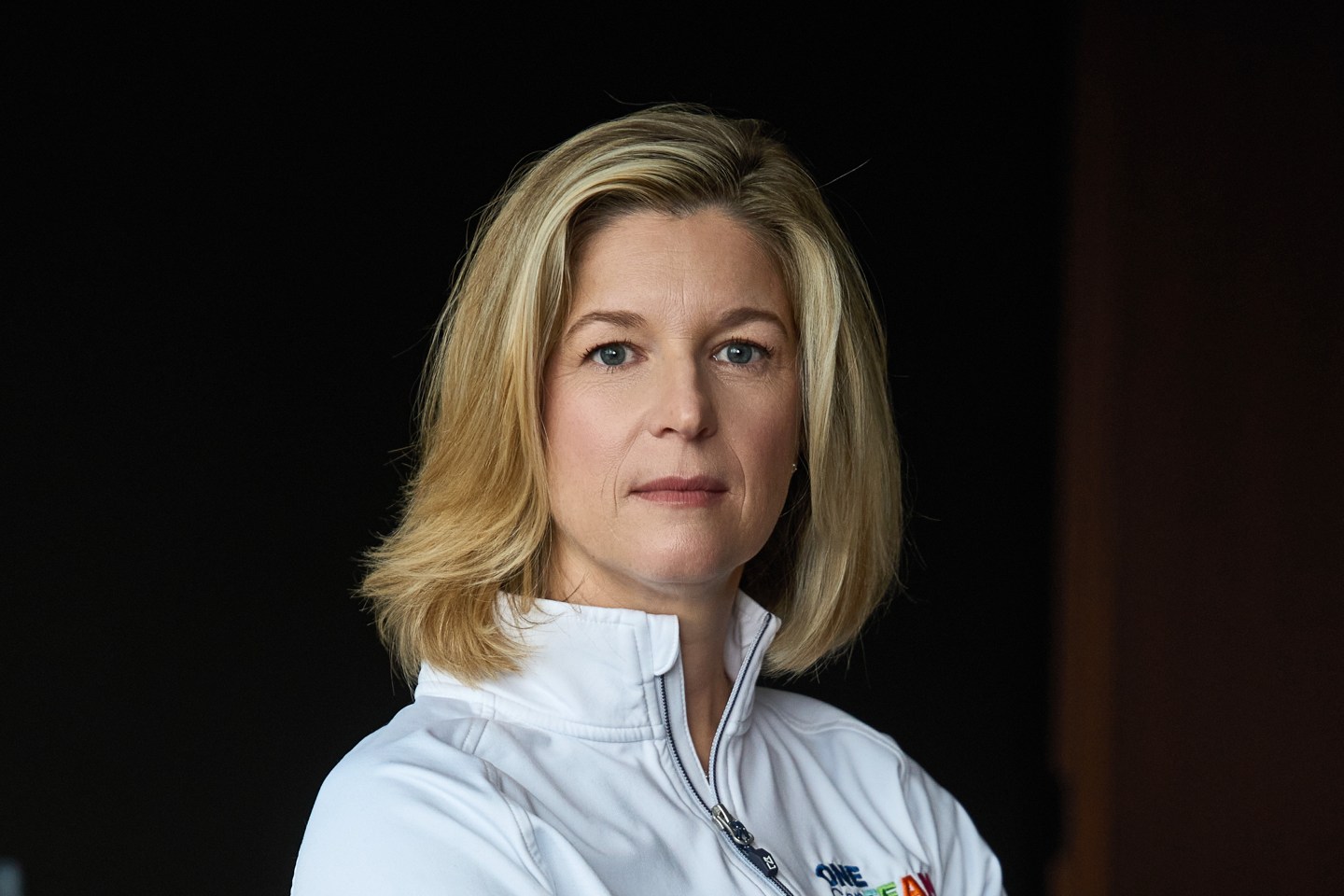
Jill Donenfeld and Tiana Tenet, cofounders of kitchen concierge startup The Culinistas, approach in-home dining from two different vantage points.
Donenfeld had worked in the culinary industry before and during her studies at Barnard College, before graduating in 2006. Starting off as a barista at a coffee shop and then a cashier at a diner, Donenfeld worked her way up to the role of private chef and cookbook writer. “I’ve lived and traveled extensively in pursuit of culinary and hospitality research,” she says.
Tenet describes growing up in an Italian and food-loving family, further developing her passion for culinary pursuits while at Georgetown, from which she graduated in 2012. During those formative years, Tenet spent a summer cooking at the Castello di Vicarello in Tuscany, assisted on the set of Giada at Home, and contributed to Food Network Magazine. Postcollege, she shifted her focus to finance and spent five years in private banking at J.P. Morgan. “I always knew I’d circle back to culinary, but that I’d approach it from a business lens,” Tenet says.
“Tiana is focused on structure and scalability,” Donenfeld adds about her business partner. “She’s committed to high-touch customer service and making sure our clients get what we promise, but never at the expense of growth. We both find eating at home to be a necessity for a balanced life and to foster meaningful human connection.”
Fortune recently spoke with Donenfeld and Tenet to learn more about their first year in business, the lessons they’ve learned, the hurdles they’ve overcome, and their plans for the next year.
The following interview has been condensed and lightly edited for clarity.

Fortune: From subscription boxes to curated meal plans, culinary services is a space that has seemingly exploded over the past couple of years. Why do you think that is? How does The Culinistas stand apart?
Donenfeld: Our relationship to eating is always a swinging pendulum: We dine out, we want fast, and then we want slow food and back to the farm. We are on the side where people are thinking about the high cost of restaurants, the lack of transparency in how food is prepared, and, at the same time, the need for ways to effectively feed themselves and their households.
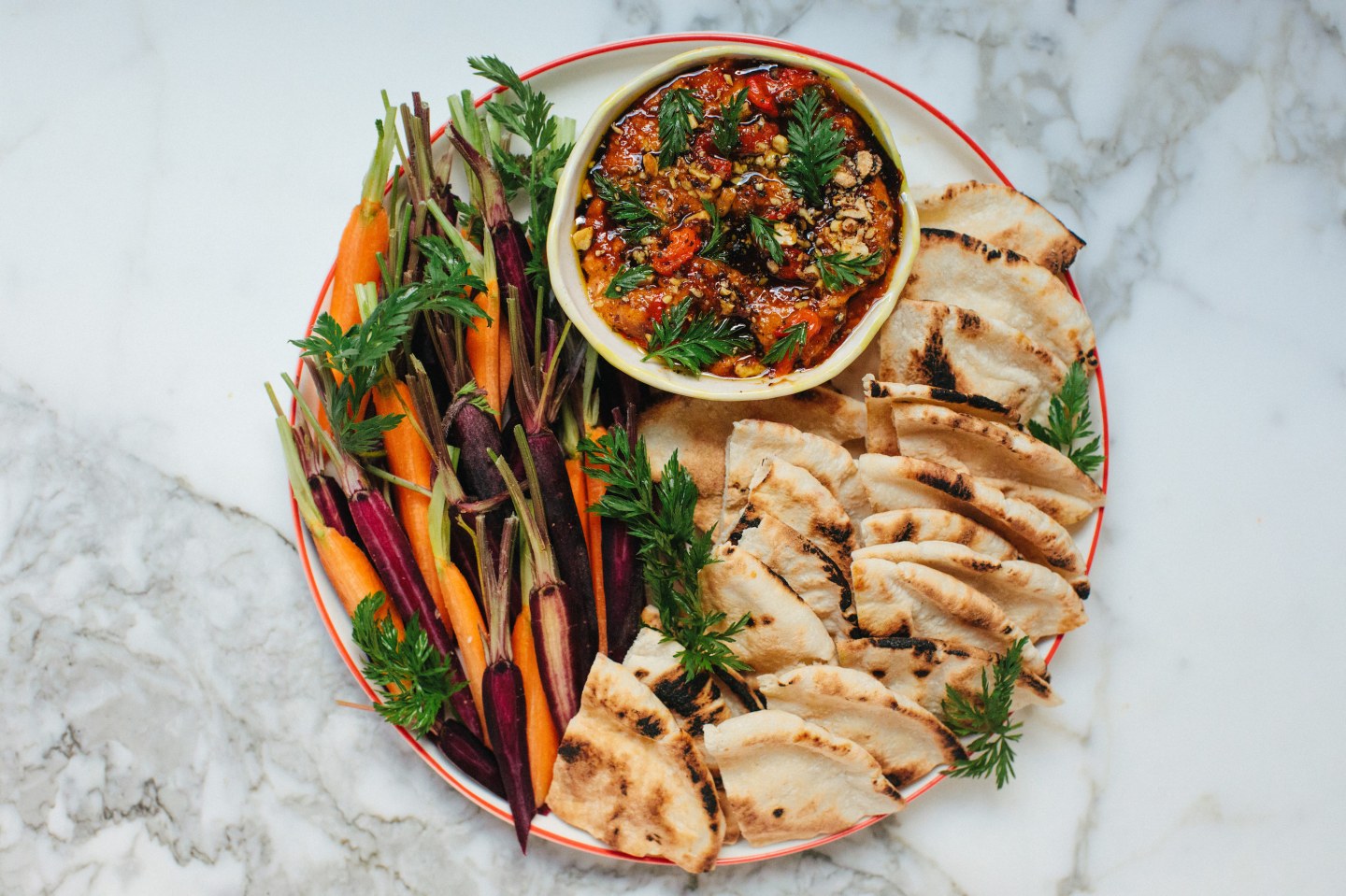
Tenet: Unlike subscription boxes and curated meal plans, The Culinistas is a personalized service. While we provide menus to make weekly planning simple, it’s a starting point, and each selection can be customized to meet your household needs: from gluten-, dairy-, and sugar-free to kid-friendly or vegan. We’re sending you a chef, who shops specifically for you, and that allows us to offer a truly personalized service that meal kits cannot provide.
Beyond tapping into dietary trends, how has technology shaped the development of The Culinistas, whether it be the influence of big data or social media?
Tenet: We embrace the motto: “High-tech, high-touch.” Our technology integrates culinary, logistics, and CRM [customer relationship management] so that The Culinistas services are seamless for both chefs and households. The Culinistas has a fully customized, back-end tool that allows the business to scale efficiently without sacrificing high-touch service, and the data we gather is used to inspire culinary innovation and our social media presence. We know our clients love meatballs, so we’re constantly reimagining that dish.
What were some of the biggest hurdles you faced in the past year? What surprised you the most?
Donenfeld: It has been difficult to find the right marketing team. Not many understand the nuances of our industry, from the clients to the chefs and the food, thinking about both the grass-roots side of engagement as well as employing a more growth marketing approach. When you find the right people though, it’s always a pleasant surprise: You can move quickly and grow fast.
Tenet: Learning to trust and delegate is always difficult, especially when you build a team from scratch. At first, we were a small, scrappy team of four. Jill and I had our hands in everything—from client calls and invoices to copywriting and collateral design. Within a year the team expanded to 12, and I found it difficult to delegate while still maintaining control. Team composition really matters, so once we put the right people in place, it was easy to let go and find a balance between leadership and management and autonomy.
What kind of feedback have you received from your customers, and have you (or will you) apply that feedback to how you sell your products in the future?
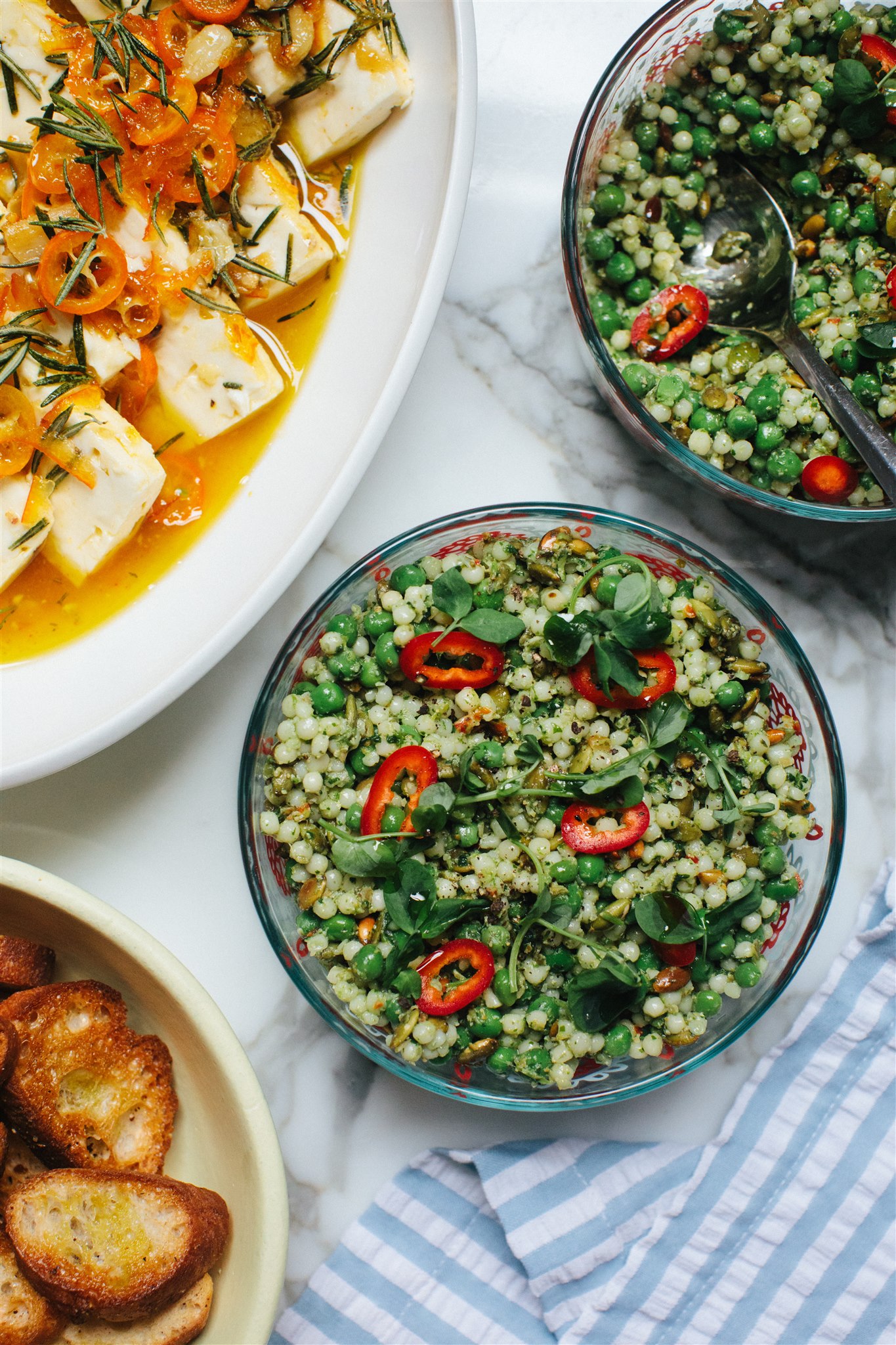
Donenfeld: There is an almost constant feedback loop from both our chefs and our clients; we consider ourselves to be in service of both. Clients wanted salmon and broccoli every week, so now we have a classics section of our menu that always features it. Chefs wanted to travel, so we gave them the opportunity to be in the Hamptons in the summer and Aspen in winter to service clients.
Tenet: Aside from the verbal, we’re looking at client behavior and data. If a client emails or calls, we know the tech and messaging isn’t intuitive. And if they consistently ask for past menu selections, we know they want the ability to select past dishes from their dashboard. The same goes for chefs. If a chef stops accepting jobs, we know we are not meeting their expectations and can schedule a call to understand where we are falling short. As a startup, we’re small and agile and can make changes very quickly to enhance the user experience.
Obviously, amid the coronavirus pandemic, consumers’ purchasing habits, practices, and even their relationship to food is going to change. This could particularly affect your in-home services. How does The Culinistas plan to adjust and fit into whatever this new normal might be?
Donenfeld: Because we are a personalized service, we are built to adjust. This is present in micro tweaks like what we message to both chefs and clients about best practices pertaining to purchases and interactions.
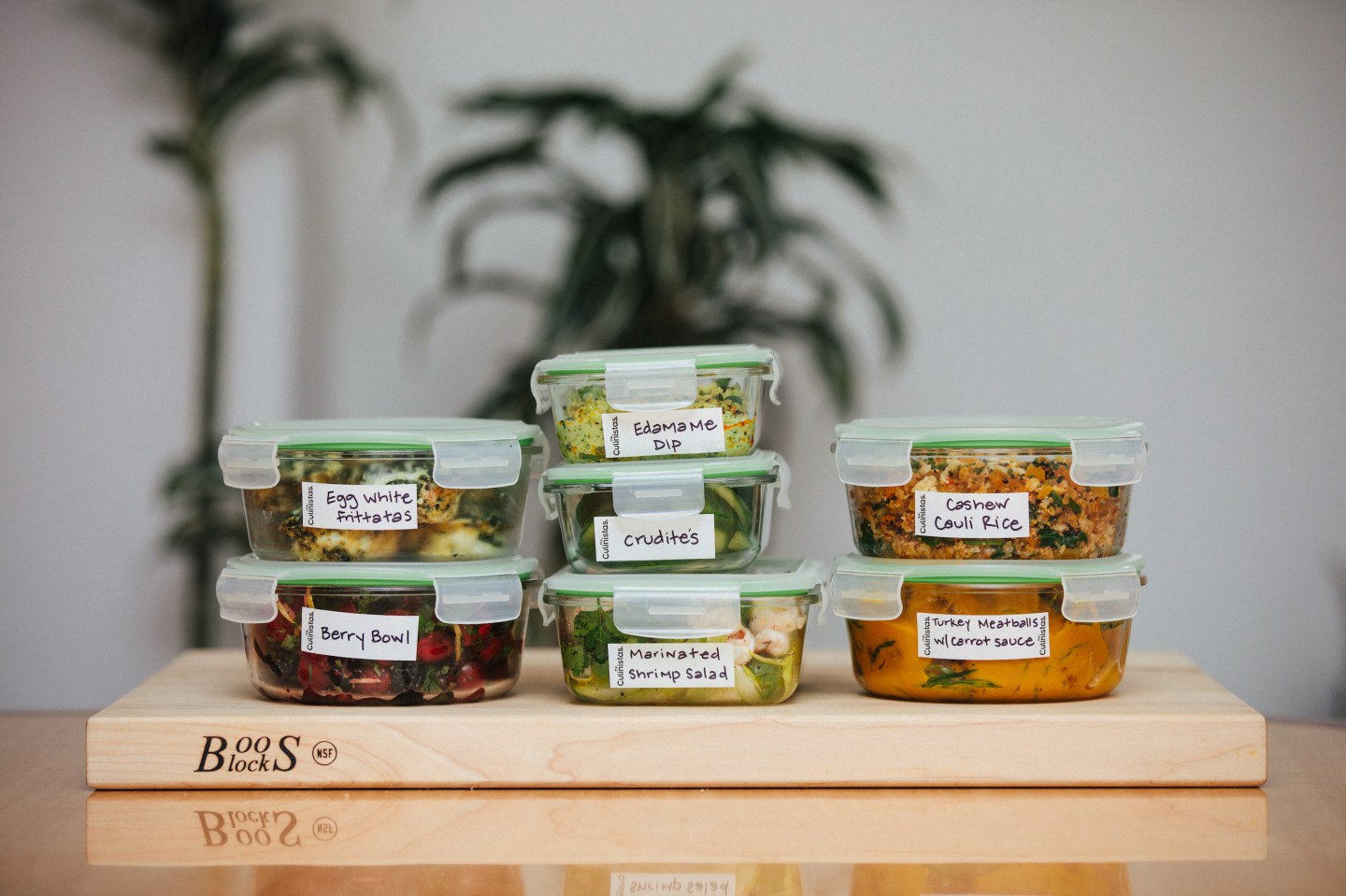
We are also seeing two divergent paths: Either clients want a chef exclusively for their own use (this is how clients are thinking about their time in the Hamptons this summer) or we are seeing clients wanting to cook for themselves. And in that case we launched a Kitchen Concierge service—a subscription in which we’ll set you up for culinary success with access to our team for culinary tips, tricks, and hacks and who will help plan out a week’s worth of meals (or just hook you up with a great brownie recipe on Friday night), a grocery list, as well as the grocery run, and provide recipe cards that will help you think intuitively like a chef.
At the same time, how does a shutdown of this nature affect the future of the business, from product development to raising capital?
Tenet: At times like this, we must be innovative and utilize the resources and assets we already have. There’s no room for excess, and cutting expenses is key, but that doesn’t mean you cannot grow the business. We have over 450 proprietary recipes, 125 talented chefs, robust technology, and a stellar team. We have a lot to work with when it comes to innovating on the product, even during turbulent times.
As far as raising capital, now is not the time. We’re being extremely thoughtful about our budget and have adjusted services to the current environment so we’re not behind on revenue. I believe that businesses that make it out of this pandemic stronger than when they went in will prove to investors that the right leadership team is in place to make the company a success. An idea is a starting point, but execution is key, and now is the perfect time to prove you have what it takes.
Looking beyond the post-pandemic era, which could be anywhere from a year to a few years from now, how do you plan to grow The Culinistas, and what do you want the business to look like five years from now?
Donenfeld: The good news is that people will always have to eat. In five years, our services will be available in more major cities and top vacation spots during peak season. With cracks in the restaurant system giving way, I don’t think there will be any problems with finding the talent.
Tenet: We’re on a mission to bring people back to the table, helping households access nourishing home-cooked meals, and in five years we’ll have a robust suite of services, content, and artisan products that makes this super simple.
More must-read lifestyle coverage from Fortune:
—The coronavirus puts the craft beer industry at risk
—Georgia’s staple cheesy bread is more than Instagram bait. It’s an economic indicator
—These dry ciders are made like wine and packaged like beer
—Listen to Leadership Next, a Fortune podcast examining the evolving role of CEOs
—File your taxes, get a free case of Natty Light
—WATCH: Can San Francisco Be Saved?
Follow Fortune on Flipboard to stay up-to-date on the latest news and analysis.