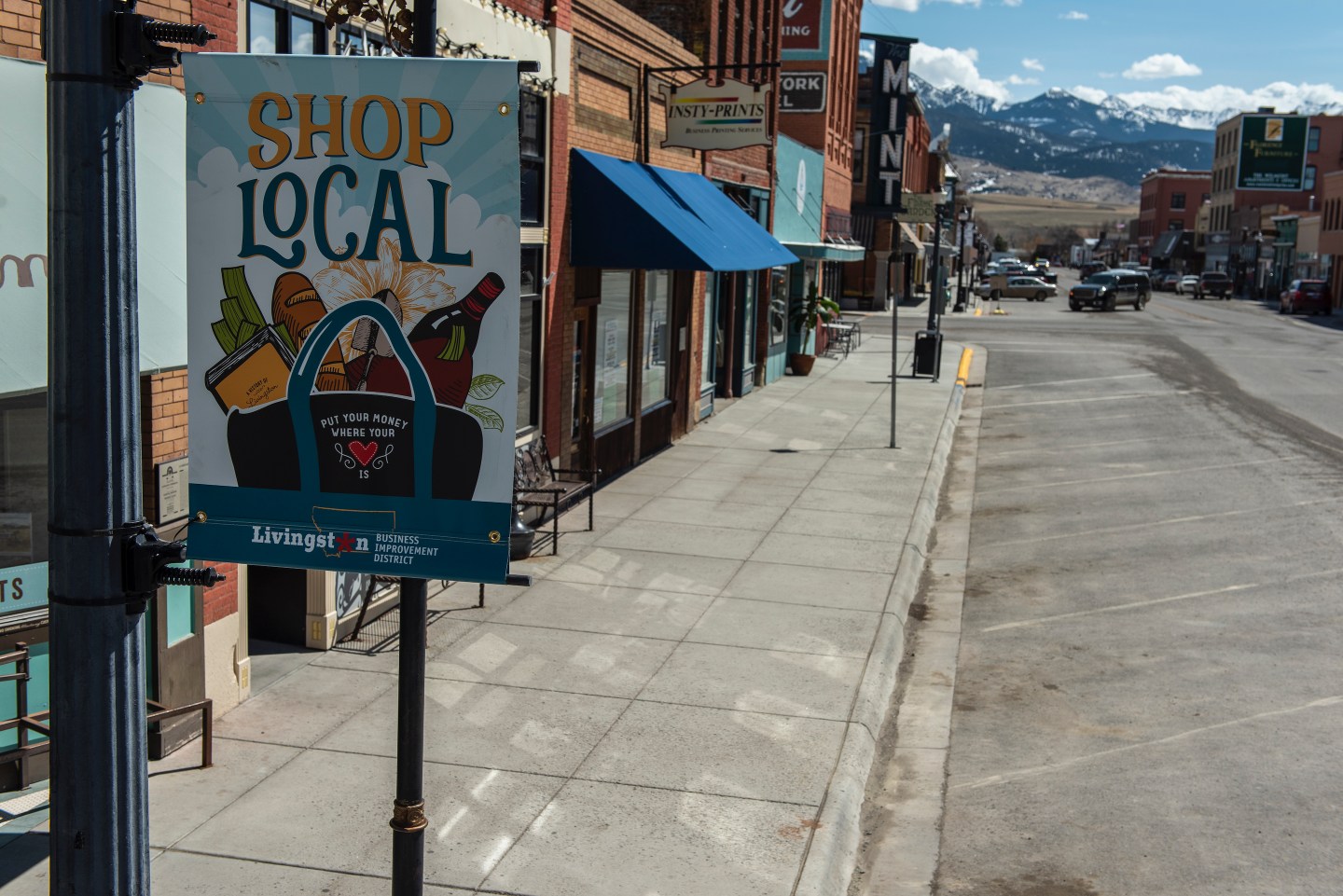
Saving small Main Street businesses has rightfully been a priority for Congress since discussions that led to the CARES Act began in March. Since then, $660 billion has been allocated to aid small businesses as part of the Paycheck Protection Program (PPP), but the first $349 billion vanished quickly and was mired in problems, and nearly two-thirds of the $310 billion intended to replenish the funds has already been allocated. As Congress hammers out phase 4 of the COVID-19 relief package, lawmakers disagree over whether additional funding and focus should be allocated to aid small businesses.
The hard reality is that of the 6 million small businesses in the country eligible for this relief, only 1.6 million were able to get a piece of the first allocation of PPP funds, according to the Washington Post. Meanwhile, an estimated 4.2 million small businesses will seek aid over the course of the pandemic, which means the total sum of the program will need to be closer to $1 trillion.
Questions also remain as to whether the program has met the needs of the majority of small Main Street businesses hit hardest by the effects of the pandemic. For loans to be fully forgiven under the PPP, businesses are required to spend 75% of it on payroll, and the rest can only be spent on expenses such as rent, mortgage interest, or utilities. On top of that, businesses are required to fully exhaust their loan within eight weeks of receiving initial payment. These restrictions have been too limiting for millions of businesses that have been forced to close and lay off employees, without knowing when, or if, they’ll be able to reopen. Many of these businesses have been hesitant to apply for a loan despite their desperate need for funds to stay afloat.
As state leaders outline plans for a phased reopening of local economies, a return to normalcy is not expected anytime soon. Brick-and-mortar businesses, which have been devastated by social distancing measures, continue to suffer from a near-complete paralysis of commercial activity. Starting in the second week of March, the rate and number of closed businesses increased 200%, according to Yelp data. As of April 19, more than 175,000 businesses in the U.S. that were open on March 1 have temporarily or permanently closed. Los Angeles was hit hardest with the largest number of closures, followed by New York, which has suffered the economic equivalent of eight Hurricane Sandys.
Some areas of the local economy are suffering more than others, according to our analysis. Since March 10, the nightlife category, which includes bars and breweries, has seen consumer interest—in the form of reviews, page views, and photos—plummet by 81%. Salons and other beauty businesses have seen a 77% decline. Restaurants, despite being allowed to remain open for delivery and takeout in most of the country, have seen consumer interest fall by 52%.
The prospects for restaurants, an industry that runs on razor-thin margins and is also the second-largest private sector employer in the U.S., seem particularly dire without dedicated relief and loosening of PPP restrictions. According to a recent National Bureau of Economic Research paper, restaurateurs believe they have a 30% chance of survival if the crisis lasts for four months, and just 15% if it lasts for six months.
While the PPP is critical to helping keep millions of businesses and workers afloat, Congress must act to ensure that more Main Street U.S. businesses can make it through the end of 2020. First, the loans must come with fewer restrictions that have applied a one-size-fits-all approach to businesses whose challenges vary immensely. This also means extending the timeline that businesses have to spend the money for their loan to be fully forgiven to 24 weeks—a change that has received support from the House of Representatives as part of the HEROES Act, the $3 trillion coronavirus relief bill it passed on Friday.
Congress must also loosen the rules on the type of expenses allowed. Covering payroll and rent has been the first priority for many businesses, but that’s proven too limiting for small businesses that are still under state-mandated closures, as well as those that have other overhead costs. This will increasingly be the case as they prepare to reopen and have to pay for protective wear and additional cleaning measures, while operating at what is expected to be a reduced capacity and lower revenues.
By removing the restrictions that have so far made small businesses, particularly restaurants, hesitant to apply, the demand for PPP loans is likely to increase significantly. To meet this demand, lawmakers must allocate additional funds to the program, setting aside funds for businesses with 50 or fewer employees, as well as those owned by minorities and women. Many of these businesses were shut out of loans when the first round of funds depleted since they lacked existing relationships with larger banks.
What we’ve learned since the first CARES Act was passed in March is that this crisis isn’t going away anytime soon. As stay-at-home measures begin to lift in some parts of the country, consumer demand for many types of small businesses that rely on foot traffic and human contact is not likely to go back to normal before the fall. Some businesses will continue to struggle through the rest of the year, possibly longer.
For generations, Main Street businesses have done their part to power the U.S. economy with many millions of employed Americans. They need help now more than ever. While the government has stepped up to offer economic relief, it must do more to ensure that America still has a Main Street when this is all over.
Jeremy Stoppelman is the cofounder and CEO of Yelp.
Our mission to help you navigate the new normal is fueled by subscribers. To enjoy unlimited access to our journalism, subscribe today.