As the coronavirus continues to spread across the country, Americans are being forced to alter their lives. We currently face health concerns, economic uncertainties, and lifestyle and travel restrictions that seemed unimaginable just a few months ago. This new reality is leading many people to ask a sobering question: Will my family and I have access to enough food during these trying times?
I believe Americans can take comfort in the fact that our country has an incredibly strong food supply chain. Manufacturers, distributors, and retailers have already been working around the clock to keep store shelves stocked in every state and territory. Just like we’ve done during past national emergencies, the food sector is working to rise to the occasion and keep the country fed.
While demand has surged in recent weeks, distributors—such as my company—have increased their output and taken a number of steps to keep food readily available throughout this pandemic’s life cycle. We’re poised to remain at the heart of the national effort to move food in a safe, secure manner from producers to grocery stores.
The first thing that Americans should know about this national effort is that it’s anchored by strong public-private collaboration. My colleagues and I are spending a considerable amount of time engaging with federal, state, and local government officials. This includes interacting directly with the White House, Agriculture Department, Federal Emergency Management Agency, and local health officials around the country and in Canada about what needs to be done in the weeks and months ahead.
To keep the supply chain well fortified, many leaders in the sector have sought support from federal, state, and local governments in encouraging responsible consumer purchasing, keeping essential and healthy associates at work, and ensuring highways and roads remain open to cargo trucks. Thankfully, these authorities have responded by beginning to adopt many of our requests, including publicly discouraging hoarding and declaring food workers as essential. We hope that additional measures, such as providing workers access to affordable childcare, will be implemented in due course.
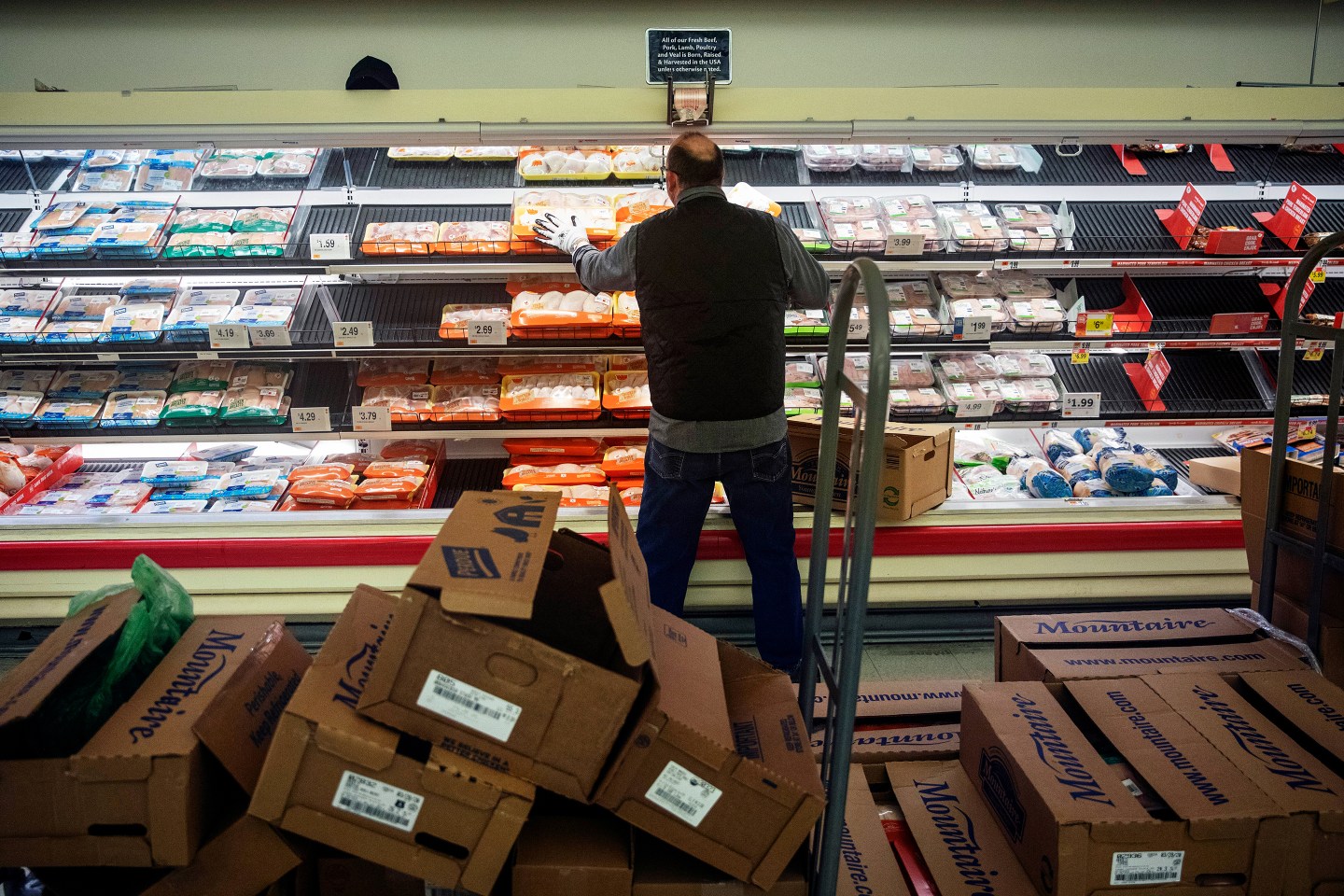
A second cornerstone of the national effort is the tremendous output being delivered by frontline workers and drivers. They continue to go the extra mile and put the needs of the American consumer first, despite long hours and heavy workloads.
Manufacturers and food producers are working day and night to restock orders and get products back into the supply chain. On any given day, my company carries more than 250,000 different types of products to meet every possible consumer need. Although certain items have taken on greater importance right now, our discussions with suppliers have reassured us that there is ample food available and no reason for Americans to be concerned.
Whenever grocery stores do run out of goods such as bathroom tissue, flour, or rice due to exceptionally high demand, you can rest easy knowing that distributors are working behind the scenes to restock inventory. It’s also noteworthy that we have seen limited price increases during this emergency, and where we have experienced them, we’ve been diligent in working to understand the basis for such increases from our suppliers.
Lastly, distributors are establishing new protocols to provide assurance, safety, and support to workers. My company has implemented robust hygiene and social distancing requirements at our distribution centers and retail locations. We’ve also encouraged associates to prioritize their health and well-being, including through providing paid leave to any associate who is diagnosed with the coronavirus or impacted by potential facility closures.
Keeping our workforce healthy also means making sure our 21,000 associates aren’t permanently pulling lengthy shifts without relief. This is one of the main reasons why we’re hiring an additional 1,000 workers at this time. We also recently formalized agreements with two other food supply-chain companies, which are providing us as-needed access to additional labor, drivers, and trailers.
Bottom line: Americans can trust that a sizable and well-coordinated national effort is underway to keep food accessible. This means that hoarding and mass purchasing is not advisable or necessary.
Amid all of the other anxieties triggered by the coronavirus, there is no need to fear a lack of access to affordable and high-quality food. There are tens of thousands of food workers, lawmakers, and regulators committed to meeting the country’s needs.
I encourage everyone to thank the drivers, retail workers, warehouse associates, and all others working tirelessly to keep deliveries of food flowing into local grocery stores and communities. Without their unwavering commitment, the shelves would be empty.
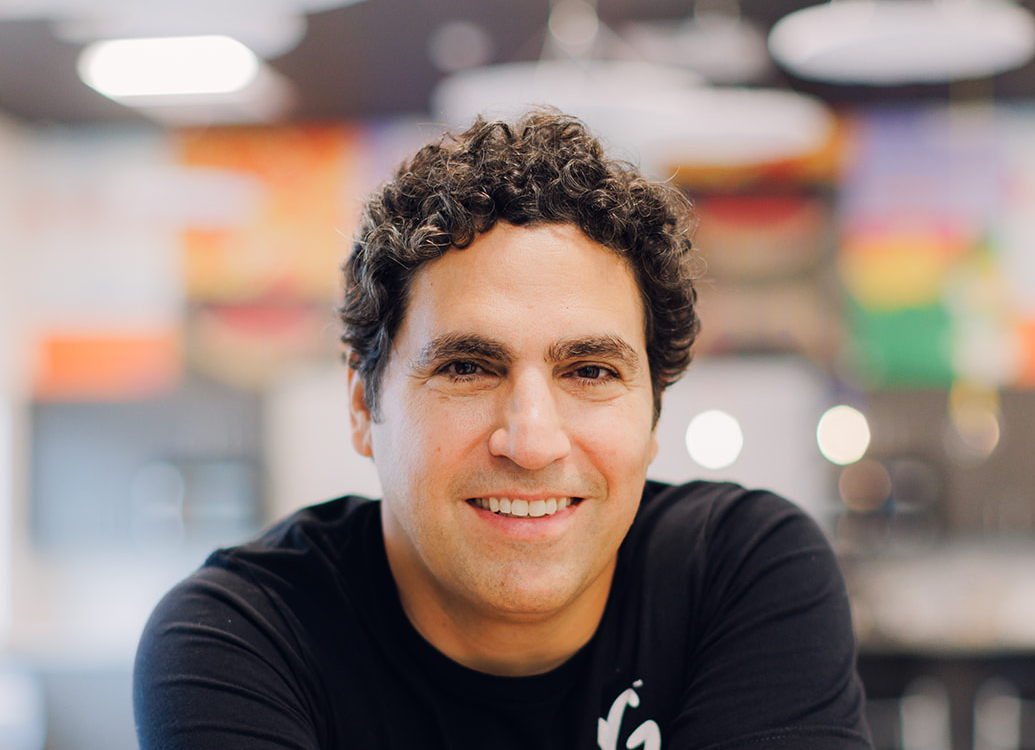
Steven Spinner is CEO and chairman of United Natural Foods.
More coronavirus coverage from Fortune:
—Will ‘The Great Cessation’ be worse than the Great Recession?
—The U.S. needs more ventilators. Why can’t it make them in time?
—Which stores are open—and closed—during the coronavirus pandemic in the U.S.?
—College students struggle to find housing as the coronavirus pushes them off campus
—How to upgrade the background of your video chats
—IBM and The Weather Channel debut coronavirus map
—Listen to Leadership Next, a Fortune podcast examining the evolving role of CEO
—WATCH: World leaders and health experts on how to stop the spread of COVID-19
Subscribe to Outbreak, a daily newsletter roundup of stories on the coronavirus pandemic and its impact on global business. It’s free to get it in your inbox.
Subscribe to Fortune Daily to get essential business stories straight to your inbox each morning.