
• Home
  • Latest
  • Fortune 500
  • Finance
  • Tech
  • Leadership
  • Lifestyle
  • Rankings
  • Multimedia

Trendingnow

1

U.S. companies have finally gotten $71 billion in tariff refunds, but they’re using it to offset inflation caused by the Iran war

2

FedEx CEO says we are in the middle of the biggest supply chain shift he’s seen in 35 years: ‘We are the referendum’

3

Buffett says AI giants are ‘playing a game they don’t want to play’ in the AI race, reveals he was behind Berkshire’s $31 billion bet on Google

1

U.S. companies have finally gotten $71 billion in tariff refunds, but they’re using it to offset inflation caused by the Iran war

2

FedEx CEO says we are in the middle of the biggest supply chain shift he’s seen in 35 years: ‘We are the referendum’

3

Buffett says AI giants are ‘playing a game they don’t want to play’ in the AI race, reveals he was behind Berkshire’s $31 billion bet on Google
FinanceBonds

Bonds Are The Most Expensive They’ve Been in 64 Years. Here’s What That Means for Your Portfolio

Shawn Tully
By
Shawn Tully
Shawn Tully
Senior Editor-at-Large
Down Arrow Button Icon
Shawn Tully
By
Shawn Tully
Shawn Tully
Senior Editor-at-Large
Down Arrow Button Icon
August 20, 2019, 11:40 AM ET
Add Fortune on Google for similar content.

When U.S. stocks are expensive, as they are today, government bonds are often the best refuge.

Now, they’re so incredibly pricey that what you pocket from Treasuries won’t even match inflation. So despite today’s fat valuations, stocks––at least by standard metrics––are promising much bigger gains than bonds, and the gap sits near an historic high. That’s handed the bulls a strong argument that equities, not the super-safe 10-year, are the new refuge.

So far, the stocks-clobber-bonds thesis is winning. But the opposing view holds that high valuations are dangerous no matter where interest rates stand, and it’s supported by decades of evidence that while not conclusive, should make investors nervous.

Bonds are the most expensive in 64 years

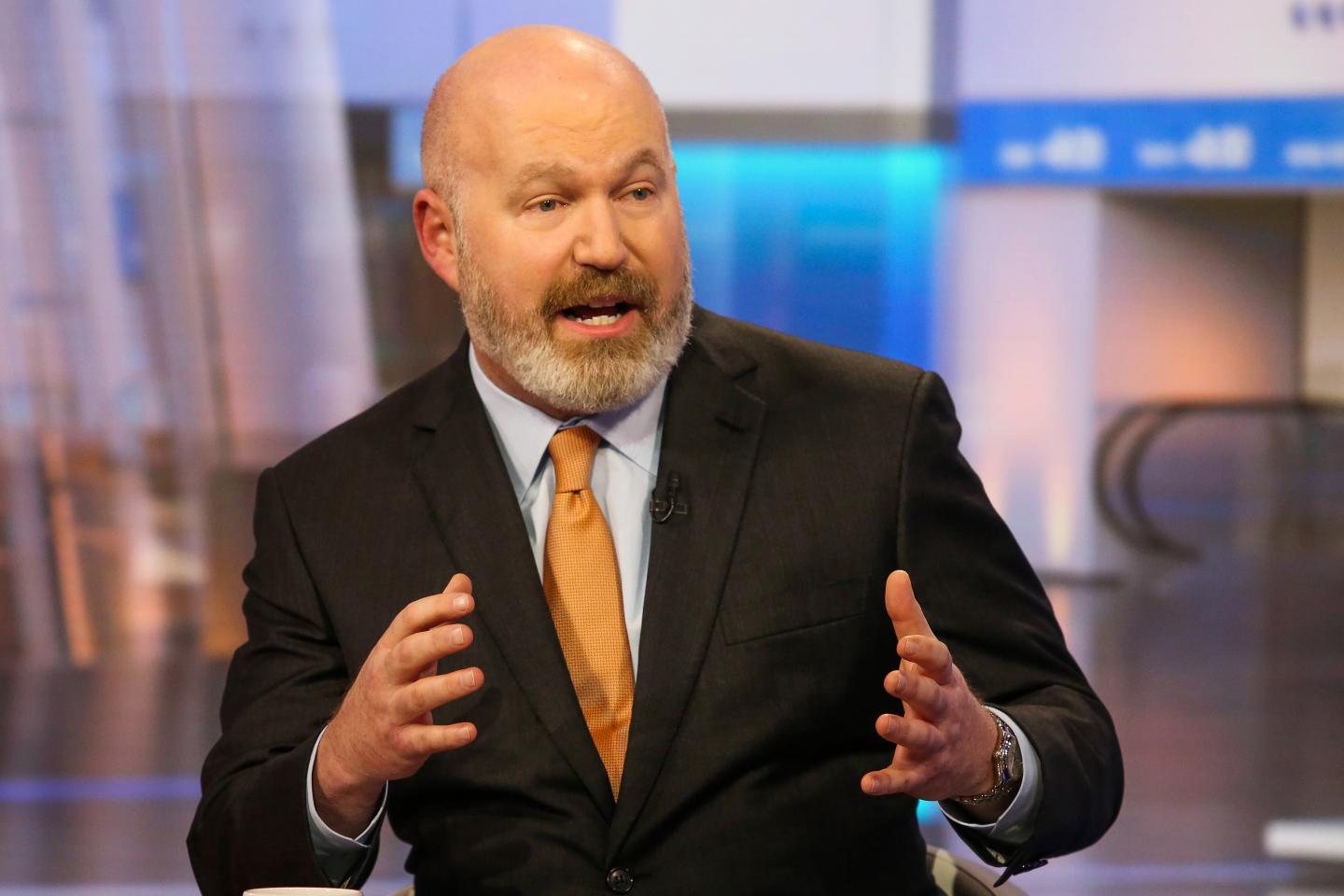
In the recent blogpost “Bonds are Frickin’ Expensive,” Cliff Asness, the PhD economist who co-founded $190 billion investment manager AQR Capital, makes the case that the longer-maturity government bonds stand at their priciest levels since 1955. Asness assures readers that he doesn’t believe in timing markets, but adds that “When something as important as the U.S. bond yield hits historical extremes, it’s worth a discussion.”

Asness uses two measures to assess where bonds now stand on continuum of cheap to richly priced. His benchmark is the 10-year Treasury, or “long bond.” The first is the “real yield,” defined as the today’s yield on the long bond, minus average inflation over the past three years. Asness calls it a “value” measure. The higher that inflation-adjusted cushion, the more your interest payments will exceed price hikes at the mall and rent increases from your landlord.

The second is what Asness calls “the slope of the yield curve.” That’s the difference between the yields on governments with short and long maturities, specifically, 3-month Treasuries versus the 10-year. For Asness, it’s a “carry” measure. Investors strive to minimize “duration risk,” the probability that, say, in two or three years, rates on the long bond surge well above the coupon you’re receiving, driving down the price of your bonds. An upwardly-sloping yield curve means you’re getting paid more to own 10-year over 3-month Treasuries. That’s a good sign, and the sharper the tilt the better. It means that for tomorrow’s rates to exceed your yield, the upward slope would have to get even steeper, or that if short rates spike, the curve could retain a typical, modestly rising slope without forcing the 10-year rate higher.

As Asness puts it, “A bond investor would normally like more of both” a higher real yield, and an upwardly-sloping curve.

Instead, both signals are flashing red. The 10-year is trading at 1.6%, and 3-year trailing inflation is an annual 2.1%, putting the real yield at -.5%. It’s dropped that low or lower just three times since 1955, and is now in the 5th percentile of readings. As for the yield curve, it’s now famously inverted. The 3 month rate of 1.88% exceeds the long bond yield of 1.6% by almost nearly .3%. That’s also in lowest fifth percentile over 64 years.

Asness recommends averaging these two negative indicators to get the full picture. That reading of -.4% marks, says Asness, marks “essentially a 64-year low.”

Little wonder Asness concludes that “bonds are frickin’ expensive.” They haven’t been this pricey since President Eisenhower confronted the Suez Crisis.

So bonds are paying you less than inflation and you’re getting penalized for buying 10-year instead of 3-month Treasuries. That’s a highly unusual—and discouraging— combination.

Pricely bonds may not mean stocks are a buy

It wouldn’t be much of a challenge for stocks to look a lot better than bonds, and by a similar yardstick, they do. As a proxy for the future return on equities, we’ll use the “earnings yield,” or earnings divided by the share price––the inverse of the P/E––a gauge of the dollars you’re rewarded in dividends, buybacks or reinvested profits (that fuel capital gains) for every dollar you pay per share. To get the most accurate E/P, I’ll use Yale economist Robert Shiller’s CAPE, or cynically adjusted price-earnings multiple. That measure uses a ten-year average of inflation-adjusted earnings for the “E,” smoothing volatile course of profits that can make E/P look artificially high when earnings are inflated, a strong possibility today, since they’re at record highs as a share of revenues and national income.

The current Shiller E/P is 3.41, based on a lofty multiple of 29.3. Recall that the real yield on the 10-year is -.5%. So by this measure, stocks should beat bonds by almost 4 points (3.91% to be exact). Seems like a no-brainer. Shun bonds, and load up on U.S. shares.

It’s true that slender E/Ps are usually accompanied by low interest rates. That seems to make sense: If the alternative to stocks is promising meager returns, then the other option, equities, should be more attractive. But even though real rates and E/Ps tend to fall in tandem, bonds have often offered a reasonable alternative to stocks in extremely pricey markets like today’s.

The Shiller E/P has been this narrow only twice, before the meltdown in 1929, and during the 1999-2000 tech bubble. In September of 1929, the E/P was a minuscule 3.1%, even lower than today. But the real yield on the long bond was 3.5%, suggesting .4 points in extra return. So bonds were indeed a reasonable refuge for wary investors. And they spectacularly outperformed equities, which fell 61% over the ensuing ten years.

In September of 1999, the Shiller E/P hit a still all-time low of 3.06%. (The multiple was a record 44.) But the real yield on the ten year was a decent 4.4%, 1.3 points better. As it turned out, folks who bought treasuries did great, while shareholders watched their portfolios shrink 22% over the following decade.

In recent years, the most comparable period to today was the aftermath of the financial crisis, when stocks were well along in their long climb back, and real rates, reflecting slack demand for capital, remained extremely low. In July of 2012, the E/P was 4.76% (the P/E was 21), and the 10-year had a negative yield of .8%. So stocks were beating bonds by 5.6 points, well above today’s roughly 4 point edge. And indeed, stocks have performed brilliantly since then, rising 115% over the next seven years.

Keep in mind, however, that stocks looked a lot better than they do today, since they were yielding 4.76% versus the current 3.41%, a gap of 1.35 points.

Clearly, investors in mid-2012 were right to buy stocks instead of Treasuries, which posted losses through most of the succeeding period. Bonds didn’t provide a refuge then, and they don’t now. But do stocks? Equities are 44% more expensive today (at a P/E of almost 30 compared to 21) than they were seven years ago. And profits were just beginning an epic run that’s now ending. So equities don’t appear to be the haven the bulls claim either. For investors to collect modest 3.4% real return from stocks, or 5.4% including 2% inflation, the P/E needs to remain at a lofty 30, and multiples have never stayed at those levels for long.

Investors can still find bargains, but they need to be spin the globe and become worldly adventurers. Bonds, at least now, are no longer a safe port in the storm.

More must-read stories from Fortune:

—This recession indicator is going off—but don’t use it to time the market
—The death of trading: Why more big banks think the business is a losing bet
—Business confidence is plummeting because of a “chaotic” environment
—How are big banks doing when it comes to diversity? Congress isn’t impressed
—“Negative” interest rates used to be unthinkable in the U.S.—not anymore
Don’t miss the daily Term Sheet, Fortune‘s newsletter on deals and dealmakers.

About the Author
Shawn Tully
By Shawn TullySenior Editor-at-Large

Shawn Tully is a senior editor-at-large at Fortune, covering the biggest trends in business, aviation, politics, and leadership.

See full bioRight Arrow Button Icon
Add Fortune on Google for similar content.

Latest in Finance

Finance
Lorem ipsum dolor sit amet, consectetur adipiscing elit, sed do eiusmod tempor incididunt ut labore et dolore magna aliqua. Ut enim ad minim veniam
By Fortune Editors
October 20, 2025
Finance
Lorem ipsum dolor sit amet, consectetur adipiscing elit, sed do eiusmod tempor incididunt ut labore et dolore magna aliqua. Ut enim ad minim veniam
By Fortune Editors
October 20, 2025
Finance
Lorem ipsum dolor sit amet, consectetur adipiscing elit, sed do eiusmod tempor incididunt ut labore et dolore magna aliqua. Ut enim ad minim veniam
By Fortune Editors
October 20, 2025
Finance
Lorem ipsum dolor sit amet, consectetur adipiscing elit, sed do eiusmod tempor incididunt ut labore et dolore magna aliqua. Ut enim ad minim veniam
By Fortune Editors
October 20, 2025
Finance
Lorem ipsum dolor sit amet, consectetur adipiscing elit, sed do eiusmod tempor incididunt ut labore et dolore magna aliqua. Ut enim ad minim veniam
By Fortune Editors
October 20, 2025
Finance
Lorem ipsum dolor sit amet, consectetur adipiscing elit, sed do eiusmod tempor incididunt ut labore et dolore magna aliqua. Ut enim ad minim veniam
By Fortune Editors
October 20, 2025

Most Popular

Finance
Lorem ipsum dolor sit amet, consectetur adipiscing elit, sed do eiusmod tempor incididunt ut labore et dolore magna aliqua. Ut enim ad minim veniam
By Fortune Editors
October 20, 2025
Finance
Lorem ipsum dolor sit amet, consectetur adipiscing elit, sed do eiusmod tempor incididunt ut labore et dolore magna aliqua. Ut enim ad minim veniam
By Fortune Editors
October 20, 2025
Finance
Lorem ipsum dolor sit amet, consectetur adipiscing elit, sed do eiusmod tempor incididunt ut labore et dolore magna aliqua. Ut enim ad minim veniam
By Fortune Editors
October 20, 2025
Finance
Lorem ipsum dolor sit amet, consectetur adipiscing elit, sed do eiusmod tempor incididunt ut labore et dolore magna aliqua. Ut enim ad minim veniam
By Fortune Editors
October 20, 2025
Finance
Lorem ipsum dolor sit amet, consectetur adipiscing elit, sed do eiusmod tempor incididunt ut labore et dolore magna aliqua. Ut enim ad minim veniam
By Fortune Editors
October 20, 2025
Finance
Lorem ipsum dolor sit amet, consectetur adipiscing elit, sed do eiusmod tempor incididunt ut labore et dolore magna aliqua. Ut enim ad minim veniam
By Fortune Editors
October 20, 2025
Fortune Secondary Logo
Rankings
  • 100 Best Companies
  • Fortune 500
  • Global 500
  • Fortune 500 Europe
  • Most Powerful Women
  • World's Most Admired Companies
  • See All Rankings
  • Lists Calendar
Sections
  • Finance
  • Fortune Crypto
  • Features
  • Leadership
  • Health
  • Commentary
  • Success
  • Retail
  • Mpw
  • Tech
  • Lifestyle
  • CEO Initiative
  • Asia
  • Politics
  • Conferences
  • Europe
  • Newsletters
  • Personal Finance
  • Environment
  • Magazine
  • Education
Customer Support
  • Frequently Asked Questions
  • Customer Service Portal
  • Privacy Policy
  • Terms Of Use
  • Single Issues For Purchase
  • International Print
Commercial Services
  • Advertising
  • Fortune Brand Studio
  • Fortune Analytics
  • Fortune Conferences
  • Business Development
  • Group Subscriptions
About Us
  • About Us
  • Press Center
  • Work At Fortune
  • Terms And Conditions
  • Site Map
  • About Us
  • Press Center
  • Work At Fortune
  • Terms And Conditions
  • Site Map
  • Facebook icon
  • Twitter icon
  • LinkedIn icon
  • Instagram icon
  • Pinterest icon

Latest in Finance

Svenja Gudell, Chief Economist, Indeed
Commentaryaging
Indeed chief economist: Aging Baby Boomers are America’s real labor problem, not AI
By Svenja GudellJuly 18, 2026
20 minutes ago
Trump may have to choose between an endless quagmire and ceding the Strait of Hormuz to Iran
EnergyIran
Trump may have to choose between an endless quagmire and ceding the Strait of Hormuz to Iran
By Jordan BlumJuly 18, 2026
2 hours ago
SpaceX stock falls back to earth shortly after Wall Street analysts release florid targets: ‘Paving the superhighway to the stars’
Investinginvesting strategy
SpaceX stock falls back to earth shortly after Wall Street analysts release florid targets: ‘Paving the superhighway to the stars’
By Shawn TullyJuly 18, 2026
2 hours ago
After the Supreme Court killed his first tariffs, Trump turns to a new legal workaround to impose 25% tariffs on Brazil and possibly others
EconomyTariffs
After the Supreme Court killed his first tariffs, Trump turns to a new legal workaround to impose 25% tariffs on Brazil and possibly others
By Marco Quiroz-GutierrezJuly 17, 2026
12 hours ago
Commercial auto insurance explained for business owners
Personal FinanceInsurance
Commercial auto insurance explained for business owners
By Joseph HostetlerJuly 17, 2026
14 hours ago
So you want to buy a sports franchise? Why entering sports ownership gives the rich a ‘very elite and exclusive club’ with great tax benefits
InvestingSports
So you want to buy a sports franchise? Why entering sports ownership gives the rich a ‘very elite and exclusive club’ with great tax benefits
By Catherina GioinoJuly 17, 2026
14 hours ago

Most Popular

U.S. companies have finally gotten $71 billion in tariff refunds, but they’re using it to offset inflation caused by the Iran war
Economy
U.S. companies have finally gotten $71 billion in tariff refunds, but they’re using it to offset inflation caused by the Iran war
By Sasha RogelbergJuly 17, 2026
1 day ago
FedEx CEO says we are in the middle of the biggest supply chain shift he’s seen in 35 years: ‘We are the referendum’
C-Suite
FedEx CEO says we are in the middle of the biggest supply chain shift he’s seen in 35 years: ‘We are the referendum’
By Fortune EditorsJuly 15, 2026
3 days ago
Buffett says AI giants are ‘playing a game they don’t want to play’ in the AI race, reveals he was behind Berkshire’s $31 billion bet on Google
Big Tech
Buffett says AI giants are ‘playing a game they don’t want to play’ in the AI race, reveals he was behind Berkshire’s $31 billion bet on Google
By Mia OsmonbekovJuly 16, 2026
2 days ago
Current price of oil as of July 17, 2026
Personal Finance
Current price of oil as of July 17, 2026
By Joseph HostetlerJuly 17, 2026
24 hours ago
Kevin O’Leary claimed opposition to his Utah data center was fueled by Chinese money. Now he and Fox News are being sued for defamation
Law
Kevin O’Leary claimed opposition to his Utah data center was fueled by Chinese money. Now he and Fox News are being sued for defamation
By Marco Quiroz-GutierrezJuly 17, 2026
1 day ago
Current price of silver as of Friday, July 17, 2026
Personal Finance
Current price of silver as of Friday, July 17, 2026
By Joseph HostetlerJuly 17, 2026
1 day ago

© 2026 Fortune Media IP Limited. All Rights Reserved. Use of this site constitutes acceptance of our Terms of Use and Privacy Policy | CA Notice at Collection and Privacy Notice | Do Not Sell/Share My Personal Information
FORTUNE is a trademark of Fortune Media IP Limited, registered in the U.S. and other countries. FORTUNE may receive compensation for some links to products and services on this website. Offers may be subject to change without notice.