• Home
  • Latest
  • Fortune 500
  • Finance
  • Tech
  • Leadership
  • Lifestyle
  • Rankings
  • Multimedia
FinanceInvesting

Worried About Recession? Here are 3 Ways Investors Can Decrease Stock Market Risk

By
Ben Carlson
Ben Carlson
Down Arrow Button Icon
By
Ben Carlson
Ben Carlson
Down Arrow Button Icon
June 26, 2019, 3:09 PM ET
Financial Crisis
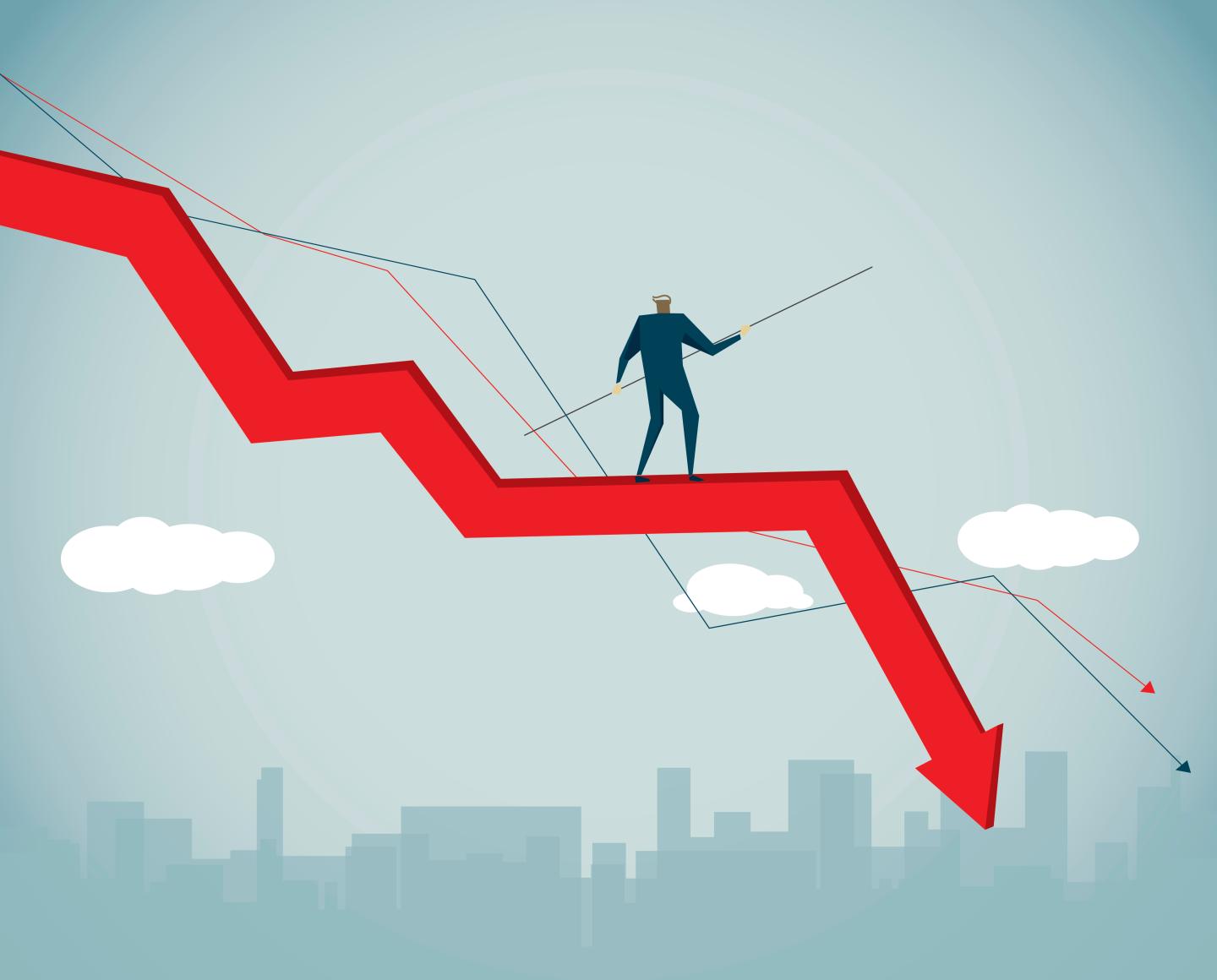
Illustration and Paintingerhui1979 Getty Images

How much can you handle?

Determining how you invest should always begin with an assessment of your risk profile. That’s typically a combination of your time horizon and willingness, ability, and need to take risk in your portfolio. Ability and need require some planning around your goals, current financial circumstances, age, income, family situation and such but these are reasonably easy to figure out.

The hardest part in this equation is determining your willingness to take risk because risk perception is constantly changing with the markets. When markets are doing well, you’ll feel like you have taken on more risk and when markets are doing poorly, you’ll feel like you should have taken on less risk. And the main determinant of these feelings in almost any investment portfolio will be the stock market since stocks can swing wildly from optimism to pessimism, from booms to busts, and from high levels to low levels.

Therefore, how much money you’re willing to allocate to stocks will have an outsized impact on the volatility of your portfolio. During the Great Financial Crisis, many people realized they couldn’t stomach a market crash, nor the enormous daily swings in volatility cause by owning a portfolio full of equities.

Risk and reward are attached at the hip when it comes to investing but there are ways to curb the volatility of the stock market through intelligent portfolio design, prudent saving habits, and a long-term mindset about the markets.

Don’t get overly complex

Following the stock market crash of 2008, investors dove headfirst into complex hedging strategies such as black swan funds that shine during a market crash or bear market funds that rise when stocks fall. It’s possible you could find success through hedging strategies but they’re often expensive, hard to understand, and difficult to hold for the long-term. The simplest way to lower the volatility of your portfolio is to take less risk by owning more fixed income securities such as bonds.

For example, the S&P 500 was down 56% during the crisis from 2007-2009. A 50/50 portfolio of the S&P 500 and high-quality bonds was down more like 24% in this time. But over the past 10 years the S&P 500 is up roughly 300% while the 50/50 portfolio is up more close to 150%. So taking on less risk lowers your expected downside volatility but also your expected returns. These are the trade-offs.

Taking on less risk can also be accomplished by increasing your savings rate. All else equal, someone who is saving more gives themselves a margin of safety to take less risk in their portfolio so they’re not so reliant on the whims of the markets to build their capital base.

Own uncorrelated assets

One of the worst parts about investing in emerging markets is the fact that they have bone-crushing volatility. Since 1988, emerging markets and U.S. stocks have similar returns but drastically different volatility:

The performance may be similar, but the volatility is nearly double in the developing regions of the world. Since 1994 alone, the MSCI Emerging Markets Index has been through 25 double-digit pullbacks while the S&P 500 has seen just 12. This may be too much volatility for some investors to handle but things don’t look nearly as bad when we combine the two using a mix of 75% in the S&P 500 and 25% in the MSCI EM:

By combining two assets that perform differently over the short run, you can see there was a slightly higher return than either of these markets achieved on its own. It is worth pointing out, an investor would have to rebalance into the pain by periodically buying a little of the asset that is lagging and selling a little of the asset that is outperforming to make this relationship work in practice.

Expand your time horizon

If you had bought an S&P 500 index fund the Friday before Lehman Brothers went bankrupt in September 2008, you would be up more than 190% on your money. That’s not bad considering we were entering the eye of the storm for the financial crisis but you would have had to live through a 45% loss over the ensuing 6 months to earn those returns.

Extending your time horizon is one of the best edges an investor can get these days. As you’ll see in the table below, the odds that you’ll have a positive return by investing in the S&P 500 rises to 100% based on historical performance if your time horizon is 20 years. But the shorter your widow, the higher odds you’ll end up with negative performance.

On a daily basis, it’s basically a crap shoot between gains and losses in the stock market. But extending your time horizon can improve your results, assuming you have the requisite intestinal fortitude to hang on or not check your results on a regular basis.

The benefits of not looking at your results very often is also backed by behavioral finance. Loss aversion is the idea that we regret losses twice as much as gains make us feel good. Looking at the stock market on a daily basis means you’ll basically feel terrible every single day, since the pain from loss will outweigh the joy from gains.

By not actively checking your portfolio results you decrease the impact of loss aversion and give yourself a higher probability of sticking with your stocks over a longer time horizon.

More must-read stories from Fortune:

—Meet the A.I. landlord that’s building a single-family-home empire

—Slack went public without an IPO. Here’s how a direct offering works

—5 things to know about Facebook’s new cryptocurrency, Libra

—This pot company stock is now more popular than Apple among millennials

—When the next recession hits, four good things could happen

Don’t miss the daily Term Sheet, Fortune‘s newsletter on deals and dealmakers.

About the Author
By Ben Carlson
See full bioRight Arrow Button Icon

Latest in Finance

Finance
Lorem ipsum dolor sit amet, consectetur adipiscing elit, sed do eiusmod tempor incididunt ut labore et dolore magna aliqua. Ut enim ad minim veniam
By Fortune Editors
October 20, 2025
Finance
Lorem ipsum dolor sit amet, consectetur adipiscing elit, sed do eiusmod tempor incididunt ut labore et dolore magna aliqua. Ut enim ad minim veniam
By Fortune Editors
October 20, 2025
Finance
Lorem ipsum dolor sit amet, consectetur adipiscing elit, sed do eiusmod tempor incididunt ut labore et dolore magna aliqua. Ut enim ad minim veniam
By Fortune Editors
October 20, 2025
Finance
Lorem ipsum dolor sit amet, consectetur adipiscing elit, sed do eiusmod tempor incididunt ut labore et dolore magna aliqua. Ut enim ad minim veniam
By Fortune Editors
October 20, 2025
Finance
Lorem ipsum dolor sit amet, consectetur adipiscing elit, sed do eiusmod tempor incididunt ut labore et dolore magna aliqua. Ut enim ad minim veniam
By Fortune Editors
October 20, 2025
Finance
Lorem ipsum dolor sit amet, consectetur adipiscing elit, sed do eiusmod tempor incididunt ut labore et dolore magna aliqua. Ut enim ad minim veniam
By Fortune Editors
October 20, 2025

Most Popular

Finance
Lorem ipsum dolor sit amet, consectetur adipiscing elit, sed do eiusmod tempor incididunt ut labore et dolore magna aliqua. Ut enim ad minim veniam
By Fortune Editors
October 20, 2025
Finance
Lorem ipsum dolor sit amet, consectetur adipiscing elit, sed do eiusmod tempor incididunt ut labore et dolore magna aliqua. Ut enim ad minim veniam
By Fortune Editors
October 20, 2025
Finance
Lorem ipsum dolor sit amet, consectetur adipiscing elit, sed do eiusmod tempor incididunt ut labore et dolore magna aliqua. Ut enim ad minim veniam
By Fortune Editors
October 20, 2025
Finance
Lorem ipsum dolor sit amet, consectetur adipiscing elit, sed do eiusmod tempor incididunt ut labore et dolore magna aliqua. Ut enim ad minim veniam
By Fortune Editors
October 20, 2025
Finance
Lorem ipsum dolor sit amet, consectetur adipiscing elit, sed do eiusmod tempor incididunt ut labore et dolore magna aliqua. Ut enim ad minim veniam
By Fortune Editors
October 20, 2025
Finance
Lorem ipsum dolor sit amet, consectetur adipiscing elit, sed do eiusmod tempor incididunt ut labore et dolore magna aliqua. Ut enim ad minim veniam
By Fortune Editors
October 20, 2025
Fortune Secondary Logo
Rankings
  • 100 Best Companies
  • Fortune 500
  • Global 500
  • Fortune 500 Europe
  • Most Powerful Women
  • World's Most Admired Companies
  • See All Rankings
  • Lists Calendar
Sections
  • Finance
  • Fortune Crypto
  • Features
  • Leadership
  • Health
  • Commentary
  • Success
  • Retail
  • Mpw
  • Tech
  • Lifestyle
  • CEO Initiative
  • Asia
  • Politics
  • Conferences
  • Europe
  • Newsletters
  • Personal Finance
  • Environment
  • Magazine
  • Education
Customer Support
  • Frequently Asked Questions
  • Customer Service Portal
  • Privacy Policy
  • Terms Of Use
  • Single Issues For Purchase
  • International Print
Commercial Services
  • Advertising
  • Fortune Brand Studio
  • Fortune Analytics
  • Fortune Conferences
  • Business Development
  • Group Subscriptions
About Us
  • About Us
  • Press Center
  • Work At Fortune
  • Terms And Conditions
  • Site Map
  • About Us
  • Press Center
  • Work At Fortune
  • Terms And Conditions
  • Site Map
  • Facebook icon
  • Twitter icon
  • LinkedIn icon
  • Instagram icon
  • Pinterest icon

Latest in Finance

Asia’s ultra-luxury Capella Hotels brand plans to double its portfolio by 2030, starting with Florence and Riyadh
Travel & LeisureHospitality
Asia’s ultra-luxury Capella Hotels brand plans to double its portfolio by 2030, starting with Florence and Riyadh
By Angelica AngMay 8, 2026
2 hours ago
Man driving and looking shocked.
Economygas prices
Driving less, canceling vacations, and tightening budgets: All the ways Americans are coping with soaring gas prices
By Tristan BoveMay 8, 2026
9 hours ago
kid on phone
Politicssmartphones and mobile devices
‘Close to zero’: Schools are spending tens of millions banning phones from classrooms, but test scores aren’t improving
By Jake AngeloMay 8, 2026
10 hours ago
Iran may have a higher tolerance for economic pain—but the pain is excruciating as regime reveals 100% inflation in just days on some items
EconomyIran
Iran may have a higher tolerance for economic pain—but the pain is excruciating as regime reveals 100% inflation in just days on some items
By Jason MaMay 8, 2026
10 hours ago
Vincent Clerc speaks in front of a picture of a port.
EnergyShipping
The CEO of Maersk, which ships 14% of everything you buy, said the Iran war is adding $500 million in monthly costs it’s trying not to pass down
By Sasha RogelbergMay 8, 2026
11 hours ago
Airfare is up 15%, gas is past $4, and SAP Concur data shows business travel is quietly breaking
Travel & Leisuregas prices
Airfare is up 15%, gas is past $4, and SAP Concur data shows business travel is quietly breaking
By Catherina GioinoMay 8, 2026
11 hours ago

Most Popular

California farmers must destroy 420,000 peach trees after Del Monte closes its canneries and cancels more than $550 million in long-term contracts
North America
California farmers must destroy 420,000 peach trees after Del Monte closes its canneries and cancels more than $550 million in long-term contracts
By Sasha RogelbergMay 7, 2026
1 day ago
'Blue dot fever' plagues musicians like Post Malone, Meghan Trainor, and Zayn as a growing list of artists cancel tours due to lagging ticket sales
Arts & Entertainment
'Blue dot fever' plagues musicians like Post Malone, Meghan Trainor, and Zayn as a growing list of artists cancel tours due to lagging ticket sales
By Dave Lozo and Morning BrewMay 7, 2026
1 day ago
A Michigan farm town voted down plans for a giant OpenAI-Oracle data center. Weeks later, construction began
Magazine
A Michigan farm town voted down plans for a giant OpenAI-Oracle data center. Weeks later, construction began
By Sharon GoldmanMay 6, 2026
3 days ago
U.S. Treasury will have to borrow $2 trillion this year just to continue functioning—more than $166 billion every month
Economy
U.S. Treasury will have to borrow $2 trillion this year just to continue functioning—more than $166 billion every month
By Eleanor PringleMay 7, 2026
2 days ago
Airbnb CEO Brian Chesky warns two types of people won’t survive the AI era: ‘pure people managers’ and workers who resist change
Success
Airbnb CEO Brian Chesky warns two types of people won’t survive the AI era: ‘pure people managers’ and workers who resist change
By Emma BurleighMay 7, 2026
2 days ago
Current price of oil as of May 8, 2026
Personal Finance
Current price of oil as of May 8, 2026
By Joseph HostetlerMay 8, 2026
15 hours ago

© 2026 Fortune Media IP Limited. All Rights Reserved. Use of this site constitutes acceptance of our Terms of Use and Privacy Policy | CA Notice at Collection and Privacy Notice | Do Not Sell/Share My Personal Information
FORTUNE is a trademark of Fortune Media IP Limited, registered in the U.S. and other countries. FORTUNE may receive compensation for some links to products and services on this website. Offers may be subject to change without notice.