• Home
  • Latest
  • Fortune 500
  • Finance
  • Tech
  • Leadership
  • Lifestyle
  • Rankings
  • Multimedia

Trendingnow

1

Mark Cuban says he has the solution to growing income inequality, and it's to reward every employee—from CEO to janitor—with company stock

2

‘I want to die broke’: Billionaire philanthropist Denny Sanford dies after giving away $4 billion

3

'Dr. Doom' Nouriel Roubini says we're headed for universal basic income or 'some form of socialism' as AI revolutionizes work—He calls that optimistic

1

Mark Cuban says he has the solution to growing income inequality, and it's to reward every employee—from CEO to janitor—with company stock

2

‘I want to die broke’: Billionaire philanthropist Denny Sanford dies after giving away $4 billion

3

'Dr. Doom' Nouriel Roubini says we're headed for universal basic income or 'some form of socialism' as AI revolutionizes work—He calls that optimistic
Commentary

Facebook, Google, and Twitter Could’ve Prevented the Russian Ads. Why Didn’t They?

By
Vivek Wadhwa
Vivek Wadhwa
and
Alex Salkever
Alex Salkever
Down Arrow Button Icon
By
Vivek Wadhwa
Vivek Wadhwa
and
Alex Salkever
Alex Salkever
Down Arrow Button Icon
October 31, 2017, 12:05 PM ET
Add Fortune on Google for similar content.

Representatives from Facebook, Twitter, and Google are set to face hostile questions from Congress about how Russia used their platforms to influence U.S. politics. The problem of unfriendly foreign powers spreading propaganda is not new. It has happened for centuries.

What is new, however, is the reach of the Internet and modern social networks and the speed with which they can launch and propagate misinformation campaigns. This duo has made it easy to spread misinformation and target specific communities with detail that was previously unimaginable.

Tech companies have denied this is happening while happily raking in huge profits from the misuse of their platforms. Only in the past week did Twitter agree to ban ads from state-sponsored Russian news sites, years after government intelligence agencies and media critics called into question whether those sites were publishing outright lies.

The tech giants could have solved these problems years ago with simple technology fixes and filters. This is not rocket science and does not erode free speech. For example, blocking ads published by foreign news agencies targeted to small parts of key election states is a no-brainer; why would RT need to buy ads in a few zip codes in western Pennsylvania for any other reason than to circulate propaganda? And if a new social media account has no websites and does not list physical offices in the U.S. or even in a foreign country, why are you letting it purchase advertising?

How did we get here?

The stars have actually been aligned for a few years. Social media has become ubiquitous. The Pew Research Center finds that 67% of all Americans get their news from social media at least some of the time. Social and search platforms have won our trust, as well. People actually trust Google more than online media sites, according to a 2016 survey by Edelman. And fake news outperforms real news, according to an analysis by BuzzFeed.

There are actually two facets of this problem. One is the political ads, and these are relatively easy to tackle. The tech giants should meet the same standards that media companies are held to, and embrace disclosure. This is the price of being a good corporate citizen. If television networks and radio stations can handle the requirements to disclose purchases, so can the techies. Yes, online ads are automated and poring through multiple layers is not easy. Third-party ad serving systems also make establishing ownership harder. But tying a responsible party to each ad is just another data field that Google, Twitter, and Facebook can require. They can verify this just as they verify the bank or payment accounts of companies they do business with.

And then there is the veracity and intention of the content. This is harder to judge and police, but not impossible. Fake or questionable content has a fingerprint. Google, Facebook, and other tech companies have algorithms to rate which content is highly ranked. It’s not terribly difficult to add criteria to determine credibility. This could be a number score based on a dozen or so factors: age of site, DNS records showing internet provenance, where links to the site come from, or if the site been linked to by known fake Twitter bots. Or perhaps Facebook and Twitter could ask why a no-name fake news platform is geo-targeting ads only to Wisconsin. With this number, any link that scores below a certain threshold can be reviewed more closely by human editors before it is highlighted.

Some might perceive this as censorship. But it doesn’t mean that low-ranked content sites that are legitimate would be blocked permanently. They might just be asked to provide more details in order to get whitelisted. And, in fact, this is not a much different than what the media industry does today. All outlets exercise the right to decide what they allow on their platform. We are not talking about stopping fringe groups from putting up websites. Rather we’re focusing on identifying them and blocking them from hijacking social media.

There is another issue that the tech giants don’t want to face up to: They already know that a significant proportion of their accounts are trolls and bots—and they can easily delete these accounts. One study estimated that up to 15% of Twitter accounts are bots, not people. If university researchers can figure this out, so can the data scientists at Twitter. But reduced user numbers and engagement rates would hurt Twitter’s stock price, so it does not want to acknowledge this reality.

This is a matter of profits, not rocket science. When it comes to making money, tech companies can always figure out how to solve the most complex of problems. No more excuses. The future of our democracy is at stake.

Vivek Wadhwa is a distinguished fellow at Carnegie Mellon University’s College of Engineering and Alex Salkever is an author, public speaker, and former vice president of marketing at Mozilla. Together they authored The Driver in the Driverless Car: How Our Technology Choices Will Create the Future.


About the Authors
By Vivek Wadhwa
See full bioRight Arrow Button Icon
By Alex Salkever
See full bioRight Arrow Button Icon
Add Fortune on Google for similar content.

Latest in Commentary

Finance
Lorem ipsum dolor sit amet, consectetur adipiscing elit, sed do eiusmod tempor incididunt ut labore et dolore magna aliqua. Ut enim ad minim veniam
By Fortune Editors
October 20, 2025
Finance
Lorem ipsum dolor sit amet, consectetur adipiscing elit, sed do eiusmod tempor incididunt ut labore et dolore magna aliqua. Ut enim ad minim veniam
By Fortune Editors
October 20, 2025
Finance
Lorem ipsum dolor sit amet, consectetur adipiscing elit, sed do eiusmod tempor incididunt ut labore et dolore magna aliqua. Ut enim ad minim veniam
By Fortune Editors
October 20, 2025
Finance
Lorem ipsum dolor sit amet, consectetur adipiscing elit, sed do eiusmod tempor incididunt ut labore et dolore magna aliqua. Ut enim ad minim veniam
By Fortune Editors
October 20, 2025
Finance
Lorem ipsum dolor sit amet, consectetur adipiscing elit, sed do eiusmod tempor incididunt ut labore et dolore magna aliqua. Ut enim ad minim veniam
By Fortune Editors
October 20, 2025
Finance
Lorem ipsum dolor sit amet, consectetur adipiscing elit, sed do eiusmod tempor incididunt ut labore et dolore magna aliqua. Ut enim ad minim veniam
By Fortune Editors
October 20, 2025

Most Popular

Finance
Lorem ipsum dolor sit amet, consectetur adipiscing elit, sed do eiusmod tempor incididunt ut labore et dolore magna aliqua. Ut enim ad minim veniam
By Fortune Editors
October 20, 2025
Finance
Lorem ipsum dolor sit amet, consectetur adipiscing elit, sed do eiusmod tempor incididunt ut labore et dolore magna aliqua. Ut enim ad minim veniam
By Fortune Editors
October 20, 2025
Finance
Lorem ipsum dolor sit amet, consectetur adipiscing elit, sed do eiusmod tempor incididunt ut labore et dolore magna aliqua. Ut enim ad minim veniam
By Fortune Editors
October 20, 2025
Finance
Lorem ipsum dolor sit amet, consectetur adipiscing elit, sed do eiusmod tempor incididunt ut labore et dolore magna aliqua. Ut enim ad minim veniam
By Fortune Editors
October 20, 2025
Finance
Lorem ipsum dolor sit amet, consectetur adipiscing elit, sed do eiusmod tempor incididunt ut labore et dolore magna aliqua. Ut enim ad minim veniam
By Fortune Editors
October 20, 2025
Finance
Lorem ipsum dolor sit amet, consectetur adipiscing elit, sed do eiusmod tempor incididunt ut labore et dolore magna aliqua. Ut enim ad minim veniam
By Fortune Editors
October 20, 2025
Fortune Secondary Logo
Rankings
  • 100 Best Companies
  • Fortune 500
  • Global 500
  • Fortune 500 Europe
  • Most Powerful Women
  • World's Most Admired Companies
  • See All Rankings
  • Lists Calendar
Sections
  • Finance
  • Fortune Crypto
  • Features
  • Leadership
  • Health
  • Commentary
  • Success
  • Retail
  • Mpw
  • Tech
  • Lifestyle
  • CEO Initiative
  • Asia
  • Politics
  • Conferences
  • Europe
  • Newsletters
  • Personal Finance
  • Environment
  • Magazine
  • Education
Customer Support
  • Frequently Asked Questions
  • Customer Service Portal
  • Privacy Policy
  • Terms Of Use
  • Single Issues For Purchase
  • International Print
Commercial Services
  • Advertising
  • Fortune Brand Studio
  • Fortune Analytics
  • Fortune Conferences
  • Business Development
  • Group Subscriptions
About Us
  • About Us
  • Press Center
  • Work At Fortune
  • Terms And Conditions
  • Site Map
  • About Us
  • Press Center
  • Work At Fortune
  • Terms And Conditions
  • Site Map
  • Facebook icon
  • Twitter icon
  • LinkedIn icon
  • Instagram icon
  • Pinterest icon

Latest in Commentary

Sumeet Agrawal is VP of Product Management (Data, AI Governance & Context Engineering for Agentic Systems) at Salesforce.
CommentaryAI agents
Salesforce VP on the leaky AI pipeline: why cheaper tokens won’t fix enterprise AI
By Sumeet AgrawalJuly 20, 2026
18 hours ago
japan
CommentaryJapan
Japan’s monetary conundrum — why the yen hit a 40-year low as interest rates hit a 31-year high
By Steve H. Hanke and John GreenwoodJuly 20, 2026
20 hours ago
ryan
CommentaryLeadership
I’ve interviewed 700 leaders. The ones outsourcing their thinking to AI lose their best people first
By Ryan HawkJuly 20, 2026
21 hours ago
ranch
CommentaryWorld Cup
Ranch dressing is quietly doing America’s diplomacy for it
By David BohigianJuly 19, 2026
2 days ago
jt
CommentaryRetirement
Gen X built their whole identity on never needing help. Retirement is the one door they can’t unlock alone
By Jeanne ThompsonJuly 19, 2026
2 days ago
biden
CommentaryLeadership
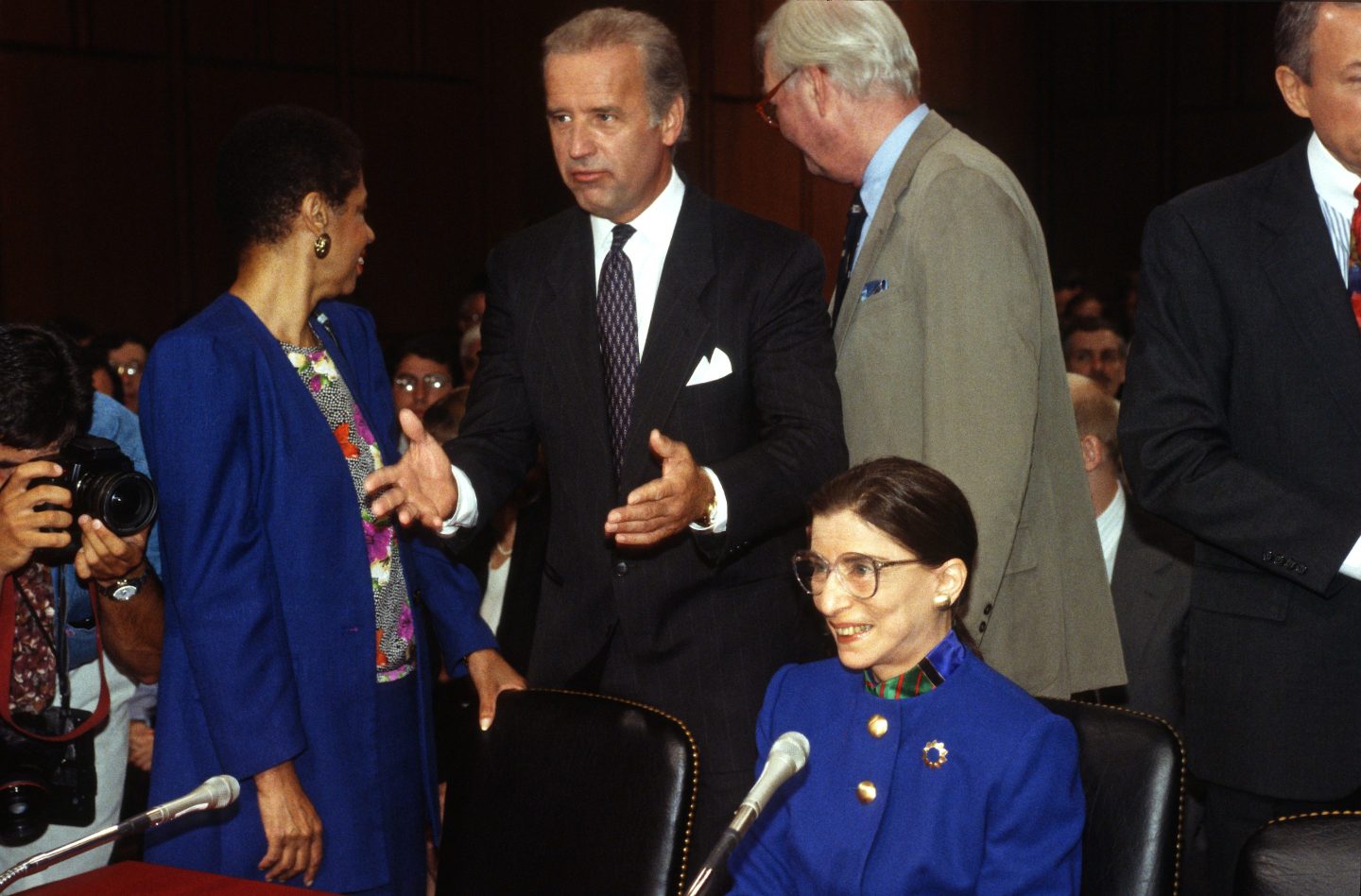
Ginsburg and Biden’s blind spot: when leaders don’t know when to leave
By Michael SonnenfeldtJuly 19, 2026
2 days ago

Most Popular

Mark Cuban says he has the solution to growing income inequality, and it's to reward every employee—from CEO to janitor—with company stock
Success
Mark Cuban says he has the solution to growing income inequality, and it's to reward every employee—from CEO to janitor—with company stock
By Sasha RogelbergJuly 20, 2026
15 hours ago
‘I want to die broke’: Billionaire philanthropist Denny Sanford dies after giving away $4 billion
Success
‘I want to die broke’: Billionaire philanthropist Denny Sanford dies after giving away $4 billion
By Sydney LakeJuly 20, 2026
19 hours ago
'Dr. Doom' Nouriel Roubini says we're headed for universal basic income or 'some form of socialism' as AI revolutionizes work—He calls that optimistic
AI
'Dr. Doom' Nouriel Roubini says we're headed for universal basic income or 'some form of socialism' as AI revolutionizes work—He calls that optimistic
By Jason MaJuly 18, 2026
2 days ago
Warren Buffett says his $147 billion investing career was an accident: ‘I may be one of the 10 luckiest in the world’
Future of Work
Warren Buffett says his $147 billion investing career was an accident: ‘I may be one of the 10 luckiest in the world’
By Sarah GlodekJuly 20, 2026
1 day ago
Current price of silver as of Monday, July 20, 2026
Personal Finance
Current price of silver as of Monday, July 20, 2026
By Joseph HostetlerJuly 20, 2026
23 hours ago
It’s not just Taco Bell lettuce and possible glass in Pillsbury rolls: Food and drink recall events reached a 6-year year-over-year high
Retail
It’s not just Taco Bell lettuce and possible glass in Pillsbury rolls: Food and drink recall events reached a 6-year year-over-year high
By Sasha RogelbergJuly 20, 2026
22 hours ago

© 2026 Fortune Media IP Limited. All Rights Reserved. Use of this site constitutes acceptance of our Terms of Use and Privacy Policy | CA Notice at Collection and Privacy Notice | Do Not Sell/Share My Personal Information
FORTUNE is a trademark of Fortune Media IP Limited, registered in the U.S. and other countries. FORTUNE may receive compensation for some links to products and services on this website. Offers may be subject to change without notice.