• Home
  • News
  • Fortune 500
  • Tech
  • Finance
  • Leadership
  • Lifestyle
  • Rankings
  • Multimedia
CommentaryTerrorism

Tech Giants Can’t Do Much to Fight Terrorism

By
Philip Seib
Philip Seib
Down Arrow Button Icon
By
Philip Seib
Philip Seib
Down Arrow Button Icon
June 28, 2017, 1:00 PM ET
Gokhan Balci/Anadolu Agency/Getty Images

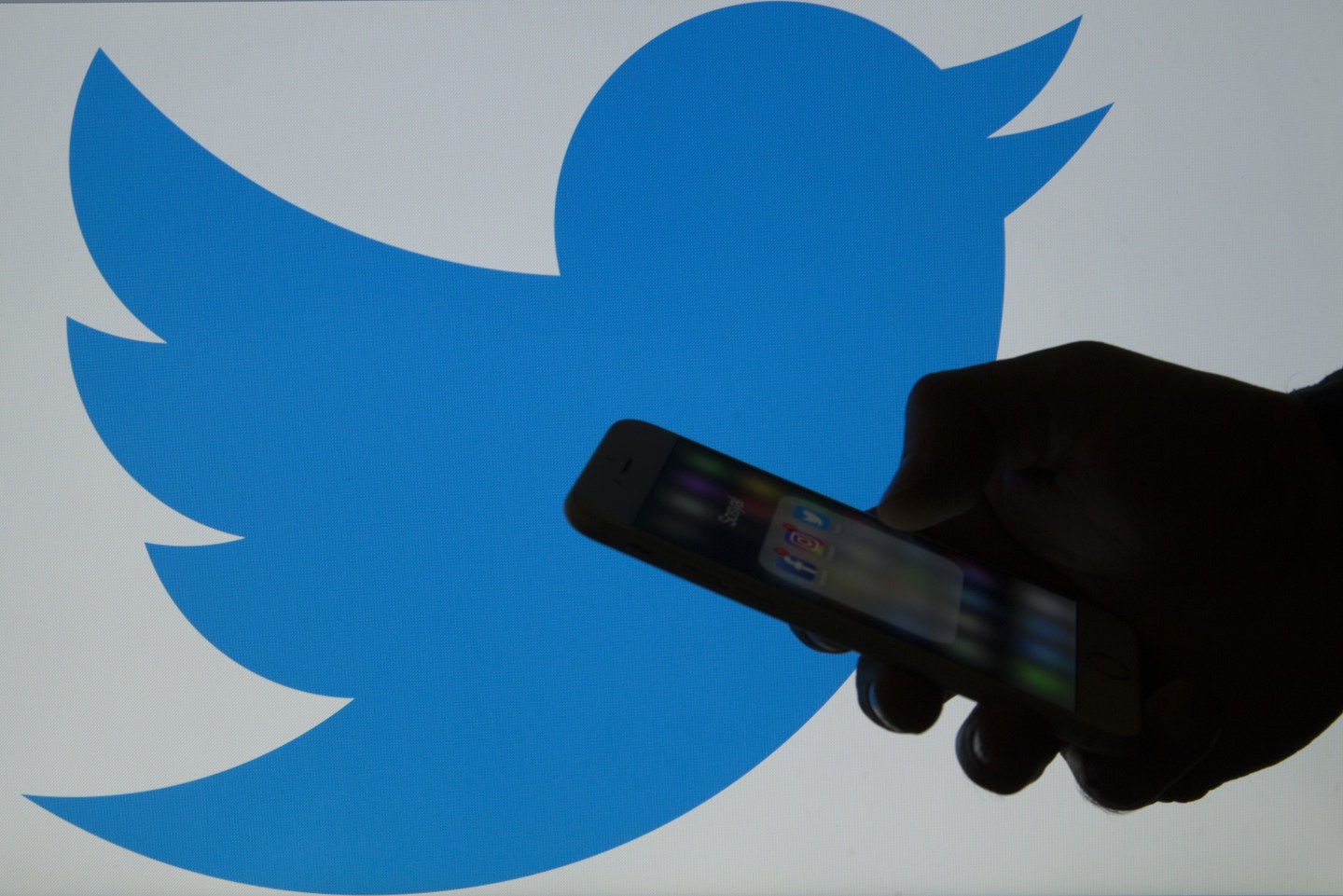
Facebook, Microsoft, Twitter, and YouTube announced Monday that they are joining forces in a Global Internet Forum to Counter Terrorism. This consortium will pool technology, research, and counterterrorism tactics including “counter-speech,” which tries to prevent terrorist recruitment and incitement.

This certainly is good news, but the scope of the task should not be underestimated. Between mid-2015 and early 2016, Twitter shut down 125,000 terrorist accounts. Keep in mind that those were just the ones that could be identified as terrorist-related (mostly affiliated with the Islamic State). Twitter noted that “there is no ‘magic algorithm’ for identifying terrorist content on the Internet, so global online platforms are forced to make challenging judgment calls based on very limited information and guidance.” Further, the same users could quickly open new accounts.

For most of us, these four companies constitute the Internet universe that we venture into for our personal use. But beyond this level of the Internet are zones where terrorist groups do their most serious business.

Those whom we might call “top-level terrorists”—among them the leaders of Islamic State (IS) and Al Qaeda and their subsidiaries—survive because they are quick to adapt to changes in the physical and virtual battlespace. For some of their online communication, this has meant moving from the easily accessible “surface web” to the “deep web” and then on to its deepest part, the “dark web.” This is where one can find drugs, pornography, weapons, and other contraband. The dark web is out of reach of the most common search engines, such as Google, and is difficult for hackers to penetrate. IS warehouses its propaganda videos and other material on dark sites, and has raised and transferred money using the dark web’s currency of choice, Bitcoin.

Similarly, IS has relied on Telegram, one of the encrypted communication tools that provides enhanced security for texts and other messaging, to relay instructions to its supporters, such as how to find a particular dark web address. In 2015, Telegram began featuring “channels” for specialized content, which IS promptly started using. During one month in 2016, 700 new IS-related channels were opened. One such channel was “Mujahideen Secrets,” which provided indoctrination and information for prospective “lone wolf” terrorists.

Another challenge the Global Internet Forum faces is in its effort to produce counter-messaging that is effective in offsetting terrorist recruitment and fundraising. IS has been particularly successful in making the case that Islam is under siege by the West, and that the poverty and discrimination many Muslims encounter justify violent action. The harsh exigencies of life in suburbs of Paris and Brussels have more power to convince than do even the most rational pleas to renounce violence. Since the 9/11 attacks, the U.S. government has tried various counter-messaging themes and formats, but it remains unclear how successful these efforts have been. Until terrorism prevention campaigns address issues such as jobs and housing, terrorist groups will find plenty of recruits.

The tech giants must recognize the difficulty of establishing credibility (especially because they are American businesses) if they are to undermine the likes of Islamic State. The roots of terrorism run deeper than weak appeals for peace.

Philip Seib is a professor at the University of Southern California’s Annenberg School. His book, As Terrorism Evolves, will be published in October.

About the Author
By Philip Seib
See full bioRight Arrow Button Icon

Latest in Commentary

Matt Rogers
CommentaryInfrastructure
I built the first iPhone with Steve Jobs. The AI industry is at risk of repeating an early smartphone mistake
By Matt RogersDecember 4, 2025
22 hours ago
Jerome Powell
CommentaryFederal Reserve
Fed officials like the mystique of being seen as financial technocrats, but it’s time to demystify the central bank
By Alexander William SalterDecember 4, 2025
22 hours ago
Rakesh Kumar
CommentarySemiconductors
China does not need Nvidia chips in the AI war — export controls only pushed it to build its own AI machine
By Rakesh KumarDecember 3, 2025
2 days ago
Rochelle Witharana is Chief Financial and Investment Officer for The California Wellness Foundation
Commentarydiversity and inclusion
Fund managers from diverse backgrounds are delivering standout returns and the smart money is slowly starting to pay attention
By Rochelle WitharanaDecember 3, 2025
2 days ago
Ayesha and Stephen Curry (L) and Arndrea Waters King and Martin Luther King III (R), who are behind Eat.Play.Learn and Realize the Dream, respectively.
Commentaryphilanthropy
Why time is becoming the new currency of giving
By Arndrea Waters King and Ayesha CurryDecember 2, 2025
3 days ago
Trump
CommentaryTariffs and trade
The trade war was never going to fix our deficit
By Daniel BunnDecember 2, 2025
3 days ago

Most Popular

placeholder alt text
Economy
Two months into the new fiscal year and the U.S. government is already spending more than $10 billion a week servicing national debt
By Eleanor PringleDecember 4, 2025
24 hours ago
placeholder alt text
Success
‘Godfather of AI’ says Bill Gates and Elon Musk are right about the future of work—but he predicts mass unemployment is on its way
By Preston ForeDecember 4, 2025
20 hours ago
placeholder alt text
Success
Nvidia CEO Jensen Huang admits he works 7 days a week, including holidays, in a constant 'state of anxiety' out of fear of going bankrupt
By Jessica CoacciDecember 4, 2025
19 hours ago
placeholder alt text
Success
Nearly 4 million new manufacturing jobs are coming to America as boomers retire—but it's the one trade job Gen Z doesn't want
By Emma BurleighDecember 4, 2025
20 hours ago
placeholder alt text
North America
Jeff Bezos and Lauren Sánchez Bezos commit $102.5 million to organizations combating homelessness across the U.S.: ‘This is just the beginning’
By Sydney LakeDecember 2, 2025
3 days ago
placeholder alt text
Health
Bill Gates decries ‘significant reversal in child deaths’ as nearly 5 million kids will die before they turn 5 this year
By Nick LichtenbergDecember 4, 2025
1 day ago
Rankings
  • 100 Best Companies
  • Fortune 500
  • Global 500
  • Fortune 500 Europe
  • Most Powerful Women
  • Future 50
  • World’s Most Admired Companies
  • See All Rankings
Sections
  • Finance
  • Leadership
  • Success
  • Tech
  • Asia
  • Europe
  • Environment
  • Fortune Crypto
  • Health
  • Retail
  • Lifestyle
  • Politics
  • Newsletters
  • Magazine
  • Features
  • Commentary
  • Mpw
  • CEO Initiative
  • Conferences
  • Personal Finance
  • Education
Customer Support
  • Frequently Asked Questions
  • Customer Service Portal
  • Privacy Policy
  • Terms Of Use
  • Single Issues For Purchase
  • International Print
Commercial Services
  • Advertising
  • Fortune Brand Studio
  • Fortune Analytics
  • Fortune Conferences
  • Business Development
About Us
  • About Us
  • Editorial Calendar
  • Press Center
  • Work At Fortune
  • Diversity And Inclusion
  • Terms And Conditions
  • Site Map

© 2025 Fortune Media IP Limited. All Rights Reserved. Use of this site constitutes acceptance of our Terms of Use and Privacy Policy | CA Notice at Collection and Privacy Notice | Do Not Sell/Share My Personal Information
FORTUNE is a trademark of Fortune Media IP Limited, registered in the U.S. and other countries. FORTUNE may receive compensation for some links to products and services on this website. Offers may be subject to change without notice.