• Home
  • Latest
  • Fortune 500
  • Finance
  • Tech
  • Leadership
  • Lifestyle
  • Rankings
  • Multimedia

Trendingnow

1

Even as Elon Musk calls philanthropy ‘very hard,’ everyday Americans gave a record $617 billion—despite feeling the squeeze over the cost of living

2

Egg companies made $1.22 billion in profit off a $6 carton — now they’re buying their way out of a price-fixing case with 53 million donated eggs

3

Meet the Zillennials: The luckiest micro-generation in the workforce, born between 1993 and 1998

1

Even as Elon Musk calls philanthropy ‘very hard,’ everyday Americans gave a record $617 billion—despite feeling the squeeze over the cost of living

2

Egg companies made $1.22 billion in profit off a $6 carton — now they’re buying their way out of a price-fixing case with 53 million donated eggs

3

Meet the Zillennials: The luckiest micro-generation in the workforce, born between 1993 and 1998
CommentaryWikiLeaks

What the WikiLeaks CIA Dump Says About the Weakness of Washington’s Data Security

By
Carrie Cordero
Carrie Cordero
Down Arrow Button Icon
By
Carrie Cordero
Carrie Cordero
Down Arrow Button Icon
March 10, 2017, 2:43 PM ET
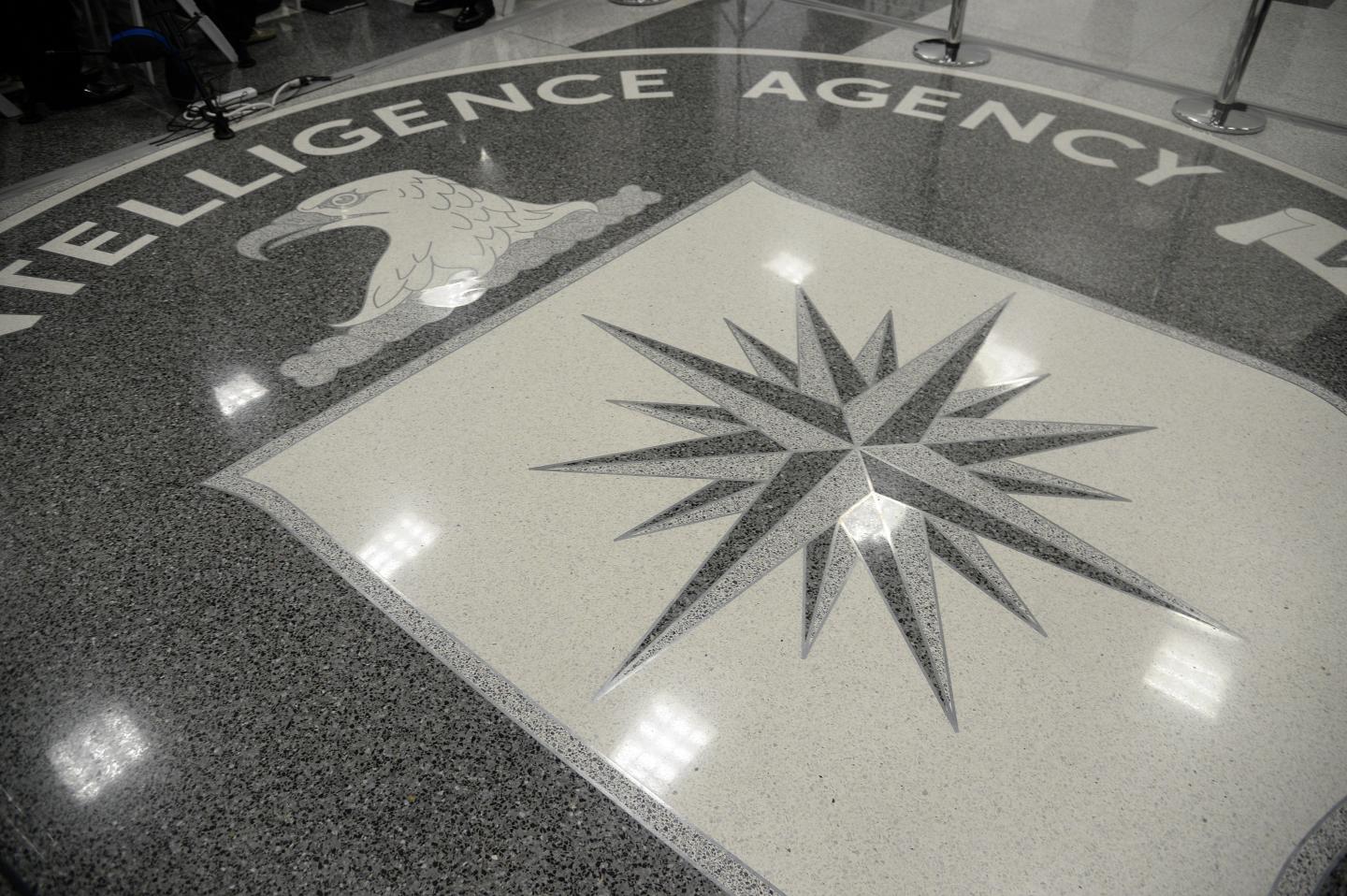
CIA Headquarters
CIA HeadquartersPool/Getty Images
Add Fortune on Google for similar content.

This week, WikiLeaks published thousands of documents describing Central Intelligence Agency (CIA) technical cyber capabilities, including how the agency might hack into commonly used consumer Internet-connected devices. As the latest in a punishing string of unauthorized disclosures and exposures of classified and other sensitive information over the last several years demonstrates, the U.S. government is still failing at securing critical information that it retains.

There have been plenty of warning signs. Following the unauthorized disclosures by Edward Snowden about National Security Agency (NSA) surveillance activities beginning in 2013, President Barack Obama appointed a special committee—commonly known as the Surveillance Review Group—to assess whether “the United States employs its technical collection capabilities in a manner that optimally protects our national security.” The report did more than just assess whether NSA actions were in line with U.S. national security imperatives. Buried way back in Chapter Eight of the report was this line: “The security of classified networks is, in the age of cyber war, one of the highest priorities in national security.” It went on to state, “The government’s classified networks require immediate internal hardening.”

Early reports regarding the WikiLeaks data dump of CIA files have focused on the agency’s capabilities, and how they might make average technology consumers vulnerable to hacking. The CIA, of course, is an organization whose very purpose is to spy on foreign persons and entities in order to protect American security. The revelation that the CIA has developed modern cyber tools to do so is the least surprising aspect of this release.

It is against the law, however, for the CIA to conduct surveillance against Americans inside the U.S. Notwithstanding the laws and rules in place, the exposure no doubt will add to the already strained relationship between Silicon Valley and the U.S. intelligence community, as tech companies that sell their products and services globally strive to reassure customers that their privacy is being protected and their devices are reasonably secure.

But while the headlines blare about the CIA’s spying capacities, the buried lead is that the federal government still is failing to secure critical data. And it is failing to secure this data after repeated, significant exposures of data held in its possession are hacked, leaked, and, in some cases, released to the world.

Not surprisingly, the beginning of our modern era of mass digital insider theft and release began with WikiLeaks, the same organization responsible for this week’s publication. In 2010, Army intelligence analyst Chelsea Manning—then known as Bradley—leaked sensitive U.S. military and diplomatic documents to WikiLeaks. As a result, the intelligence community changed its policies and procedures. Since 9/11, the community had focused on sharing information across relevant agencies and breaking down stovepipes that prevented sharing. After that exposure, the community focused more deliberately on safeguarding information.

In 2013, NSA contract employee Edward Snowden absconded with a treasure trove of documents, including but not limited to classified court orders, descriptions of NSA surveillance capabilities, and international foreign intelligence targets—much of this was later published through established media outlets. In 2015, the U.S. Office of Personnel Management, which serves as a hiring and human resources hub for the federal government, experienced data breaches involving the personal information of over 20 million current, former, and prospective federal and contract employees. More recently, NSA cyber tools have been exposed publicly, and in a separate case, it was revealed that NSA contractor Harold Martin, currently under indictment in Baltimore, Md., stole thousands of classified documents over many years. Whether he shared them with another entity or government remains unclear.

In this week’s case, WikiLeaks head Julian Assange has, in a move stunning for its irony, publicly offered to “work with” technology companies to address the vulnerabilities his organization has exposed through the publication of classified material. His offer carries the faint whisper of extortion, assuming that WikiLeaks has possession of actual code important to companies whose devices or products may be vulnerable, and could release it at any time.


The better collaborative opportunity is, however, for the U.S. government and technology community to establish a functional partnership aimed at solving the federal government’s security weaknesses. That way, Silicon Valley companies won’t be forced into the position of having to bargain with a rogue actor such as WikiLeaks in order to protect their product equities, shareholder value, consumer information, and global reputation.

Over three years ago, Obama’s Surveillance Review Group urged greater attention to government information technology systems from both insider threats and external hacks. The review group also encouraged further scrutiny of the process for vetting individuals’ access to classified information; the technology used to protect systems; and the continual management, review, and updating of these processes. Notably, the review group highlighted the inadequacy of the technology underlying some U.S. government systems, and compared it negatively to technology and risk management processes used in the financial services industry, for example. More recently, in December 2016, a Defense Department report found that “most military systems, networks and missions” are vulnerable to cyberattack.

Considering the continued harm being inflicted by internal actors and external threats to sensitive data held by the U.S. government, Washington must move quickly to restore competence, and confidence, that it is capable of safeguarding sensitive data. Yet amid this damage may lie an opportunity for America’s technology and security communities and government to work collaboratively to improve the nation’s ability to protect sensitive data.

That data, after all, could include technical capabilities that would enable the CIA to hack into a device that could reveal a terrorist plot abroad, or important information about a foreign adversary’s nuclear weapon ambitions. Allowing such information to fall into the hands of malicious actors could have devastating consequences.

Carrie Cordero is an attorney in private practice, adjunct professor at Georgetown Law, and former counsel to the U.S. assistant attorney general for national security.

About the Author
By Carrie Cordero
See full bioRight Arrow Button Icon
Add Fortune on Google for similar content.

Latest in Commentary

Finance
Lorem ipsum dolor sit amet, consectetur adipiscing elit, sed do eiusmod tempor incididunt ut labore et dolore magna aliqua. Ut enim ad minim veniam
By Fortune Editors
October 20, 2025
Finance
Lorem ipsum dolor sit amet, consectetur adipiscing elit, sed do eiusmod tempor incididunt ut labore et dolore magna aliqua. Ut enim ad minim veniam
By Fortune Editors
October 20, 2025
Finance
Lorem ipsum dolor sit amet, consectetur adipiscing elit, sed do eiusmod tempor incididunt ut labore et dolore magna aliqua. Ut enim ad minim veniam
By Fortune Editors
October 20, 2025
Finance
Lorem ipsum dolor sit amet, consectetur adipiscing elit, sed do eiusmod tempor incididunt ut labore et dolore magna aliqua. Ut enim ad minim veniam
By Fortune Editors
October 20, 2025
Finance
Lorem ipsum dolor sit amet, consectetur adipiscing elit, sed do eiusmod tempor incididunt ut labore et dolore magna aliqua. Ut enim ad minim veniam
By Fortune Editors
October 20, 2025
Finance
Lorem ipsum dolor sit amet, consectetur adipiscing elit, sed do eiusmod tempor incididunt ut labore et dolore magna aliqua. Ut enim ad minim veniam
By Fortune Editors
October 20, 2025

Most Popular

Finance
Lorem ipsum dolor sit amet, consectetur adipiscing elit, sed do eiusmod tempor incididunt ut labore et dolore magna aliqua. Ut enim ad minim veniam
By Fortune Editors
October 20, 2025
Finance
Lorem ipsum dolor sit amet, consectetur adipiscing elit, sed do eiusmod tempor incididunt ut labore et dolore magna aliqua. Ut enim ad minim veniam
By Fortune Editors
October 20, 2025
Finance
Lorem ipsum dolor sit amet, consectetur adipiscing elit, sed do eiusmod tempor incididunt ut labore et dolore magna aliqua. Ut enim ad minim veniam
By Fortune Editors
October 20, 2025
Finance
Lorem ipsum dolor sit amet, consectetur adipiscing elit, sed do eiusmod tempor incididunt ut labore et dolore magna aliqua. Ut enim ad minim veniam
By Fortune Editors
October 20, 2025
Finance
Lorem ipsum dolor sit amet, consectetur adipiscing elit, sed do eiusmod tempor incididunt ut labore et dolore magna aliqua. Ut enim ad minim veniam
By Fortune Editors
October 20, 2025
Finance
Lorem ipsum dolor sit amet, consectetur adipiscing elit, sed do eiusmod tempor incididunt ut labore et dolore magna aliqua. Ut enim ad minim veniam
By Fortune Editors
October 20, 2025
Fortune Secondary Logo
Rankings
  • 100 Best Companies
  • Fortune 500
  • Global 500
  • Fortune 500 Europe
  • Most Powerful Women
  • World's Most Admired Companies
  • See All Rankings
  • Lists Calendar
Sections
  • Finance
  • Fortune Crypto
  • Features
  • Leadership
  • Health
  • Commentary
  • Success
  • Retail
  • Mpw
  • Tech
  • Lifestyle
  • CEO Initiative
  • Asia
  • Politics
  • Conferences
  • Europe
  • Newsletters
  • Personal Finance
  • Environment
  • Magazine
  • Education
Customer Support
  • Frequently Asked Questions
  • Customer Service Portal
  • Privacy Policy
  • Terms Of Use
  • Single Issues For Purchase
  • International Print
Commercial Services
  • Advertising
  • Fortune Brand Studio
  • Fortune Analytics
  • Fortune Conferences
  • Business Development
  • Group Subscriptions
About Us
  • About Us
  • Press Center
  • Work At Fortune
  • Terms And Conditions
  • Site Map
  • About Us
  • Press Center
  • Work At Fortune
  • Terms And Conditions
  • Site Map
  • Facebook icon
  • Twitter icon
  • LinkedIn icon
  • Instagram icon
  • Pinterest icon

Latest in Commentary

k
CommentaryBox office
How Hollywood’s youngest filmmakers are exposing Gen Z’s real problem with AI
By Reid LitmanJuly 5, 2026
12 hours ago
k
Commentary250 Years of Innovation
Media leadership unity in defying Trump’s assault on free speech: standing tall against historic comparisons
By Jeffrey Sonnenfeld, Jeff Bewkes, Kay Koplovitz, Tom Glocer and Marvin KalbJuly 4, 2026
2 days ago
ds
CommentarySoftware
I argued with the father of open source for 2 years. Now the AI fight is the same — only bigger
By David SiegelJuly 3, 2026
2 days ago
ashok
Commentary250 Years of Innovation
The greatest startup in history: What we can learn from America’s founders at today’s AI frontier
By Ashok N. SrivastavaJuly 3, 2026
2 days ago
2
Commentary250 Years of Innovation
America’s secret weapon isn’t just innovation — It’s the freedom to fail
By Keith KrachJuly 3, 2026
3 days ago
rn
CommentaryCryptocurrency
Former Iran director at NSC: Crypto legislation is a ticket to sanctions evasion
By Richard NephewJuly 2, 2026
3 days ago

Most Popular

Even as Elon Musk calls philanthropy ‘very hard,’ everyday Americans gave a record $617 billion—despite feeling the squeeze over the cost of living
Success
Even as Elon Musk calls philanthropy ‘very hard,’ everyday Americans gave a record $617 billion—despite feeling the squeeze over the cost of living
By Preston ForeJuly 4, 2026
2 days ago
Egg companies made $1.22 billion in profit off a $6 carton — now they’re buying their way out of a price-fixing case with 53 million donated eggs
Law
Egg companies made $1.22 billion in profit off a $6 carton — now they’re buying their way out of a price-fixing case with 53 million donated eggs
By Wyatte Grantham-Philips and The Associated PressJuly 2, 2026
3 days ago
Meet the Zillennials: The luckiest micro-generation in the workforce, born between 1993 and 1998
AI
Meet the Zillennials: The luckiest micro-generation in the workforce, born between 1993 and 1998
By Nick LichtenbergJuly 3, 2026
3 days ago
$25 billion CEO says one-hour interviews are a waste of time—he puts candidates through six hours of tests and wants them to order wine at lunch
Success
$25 billion CEO says one-hour interviews are a waste of time—he puts candidates through six hours of tests and wants them to order wine at lunch
By Orianna Rosa RoyleJuly 3, 2026
3 days ago
The stock market is about to suffer a 'snapback' and will lose much of this year's gains as 'speculation is hitting extreme levels,' BofA warns
Investing
The stock market is about to suffer a 'snapback' and will lose much of this year's gains as 'speculation is hitting extreme levels,' BofA warns
By Jason MaJuly 5, 2026
4 hours ago
Russia's fuel crisis is so bad that a mom and her baby waited in line for 18 hours to get gas — 'Are we in the Soviet Union?'
Energy
Russia's fuel crisis is so bad that a mom and her baby waited in line for 18 hours to get gas — 'Are we in the Soviet Union?'
By Jason MaJuly 4, 2026
1 day ago

© 2026 Fortune Media IP Limited. All Rights Reserved. Use of this site constitutes acceptance of our Terms of Use and Privacy Policy | CA Notice at Collection and Privacy Notice | Do Not Sell/Share My Personal Information
FORTUNE is a trademark of Fortune Media IP Limited, registered in the U.S. and other countries. FORTUNE may receive compensation for some links to products and services on this website. Offers may be subject to change without notice.