Last March, three months before Britons voted to take the United Kingdom out of the European Union, then Prime Minister David Cameron asked Daily Mail proprietor Lord Rothermere to fire the newspaper’s editor, Paul Dacre. The press baron, descendant of the family which did more than any other to create the British tabloid press, refused, and did not even tell Dacre of the request until after the result of the referendum. The incident, reported by the BBC, has not been denied by any of the parties involved.
It was a grubby event on the road to Brexit. Unlike many of their kind, the owners of the Mail do seem to have stuck to the line that they may own, but Dacre may edit. Rothermere is in favour of remaining in the EU; the Mail was and is the most devoted Brexiteer in the land. And, without peer, still the most powerful organ of the press: the “newspaper that rules Britain.”
Dacre, now 68 and apparently still a tireless workaholic, is the last of that line of Fleet Street editors who have the confidence and talent to address the country like a revivalist pastor does his flock—with heat, passion and a supreme sense of being right. Dacre is right in the political sense of the word too: a hater of the left, a scorner, above all, of the liberals who, he believes, constitute the intellectual and cultural establishment, and a profound believer in the primacy of the British parliament.
No other editor commands in that way. Cameron’s forlorn quest for freedom from the Mail‘s daily sermons on the evils of the EU was a tribute to Dacre’s power, but a power that may not be transferred to another if he ever he retires. This is not just because Dacre is, in character and sense of rectitude, a hard act to follow. It is also because the long running drama of the newspaper business is coming to an end. The news media now give way to the social media; the people, not the proprietors, editors, commentators and reporters, speak for themselves.
American historian Jill Lepore believes that the dominant medium of communication in any age is a large element in determining the way politics are conducted. In fact, she has claimed it can be the only element. “The American two-party system is a creation of the press,” she argues. “When the press is in the throes of change, so is the party system It’s unlikely, but not impossible, that the accelerating and atomizing forces of this latest communications revolution will bring about the end of the party system and the beginning of a new and wobblier political institution.”
“At some point,” she adds, “does each of us become a party of one?”
Get Data Sheet, Fortune’s technology newsletter.
The political power of social media has been evident for some time. Pictures of a fruit seller, Mohamed Bouazizi, immolating himself in a Tunisian town after police confiscated his unlicensed vegetable cart in 2010 helped spark a revolution that became one of the first heralds of the Arab spring. In countries like Iran, Turkey, and Russia, texts on cell phones have brought demonstrators onto the streets. In China, information on Weibo and WeChat, the local equivalents of (banned) Twitter (TWTR), flash news of scandals, strikes and protests across the country, prompting President Xi Jinping to thunder that the media, including social media, must be disciplined. Until a couple of decades ago, you had to be very rich to acquire the technology to address the nation. Now, you have to be very poor indeed not to have the technology to address the world.
For some years, though, it’s been clear to some that popular communications come with a sting in the tail. One of the loudest voices in explaining that sting has been Evgeny Morozov, a young Belarusian polymath who branded the utopian view of online freedom—endorsed by both Bill and Hilary Clinton—as “excessive optimism and empty McKinsey-speak,” insisting that the ability to identify dissidence would lead to the strengthening, not the overthrow, of authoritarian power.
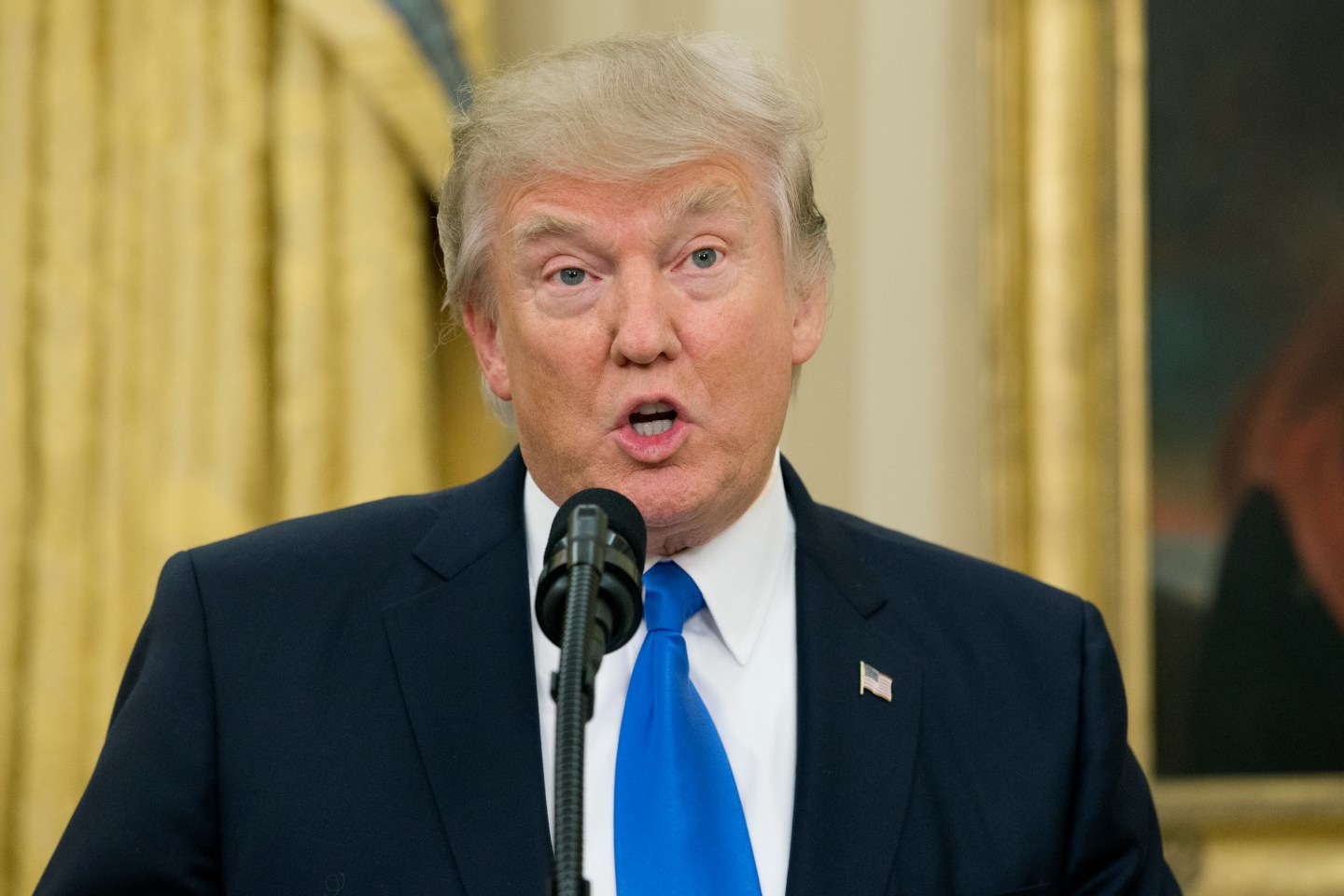
Morozov was referring to despotic states. More recently, President Trump is one of those who have shown us how the power of social media works in a great democracy. It works so that the powerful, the very rich and the celebrated rule in that space—not as they did in the mainstream media’s high period, but in a more interactive, yet at times more effective, way.
A politician or business leader or a celebrity speaking on television usually addresses the masses through an interlocutor—a presenter, a journalist. On social media, the same figure is talking to you, on your cellphone, through your twitter feed. You—we—are a party of one.
To be and remain the person who can so command our personal channels of communication does, of course, take talent, organization, and the rare ability to sense and shape a mood. The rich and celebrated have the tools and the help to work in that way. Social media do not democratize them in themselves. As long as the powerful master the medium they increase, not reduce their power.
The interlocutor in the studio, the editor in his office, is almost gone. It’s the celebrity and you. The famous figure can say anything which is judged to please or rouse you: and if you like it, why check whether it’s true? Those who publish fake news boosting Trump (as much of it did) and who live as far away as Georgia (the one in the former Soviet Union, not the American South) make a good living from churning it out, all the while expressing amazement, and a little contempt, that so many seem to believe it.
To the powerful, power has again been given. It isn’t that social media don’t help sociability. But is it better for our politics?
John Lloyd co-founded the Reuters Institute for the Study of Journalism at the University of Oxford, where he is senior research fellow. The opinions expressed here are his own.