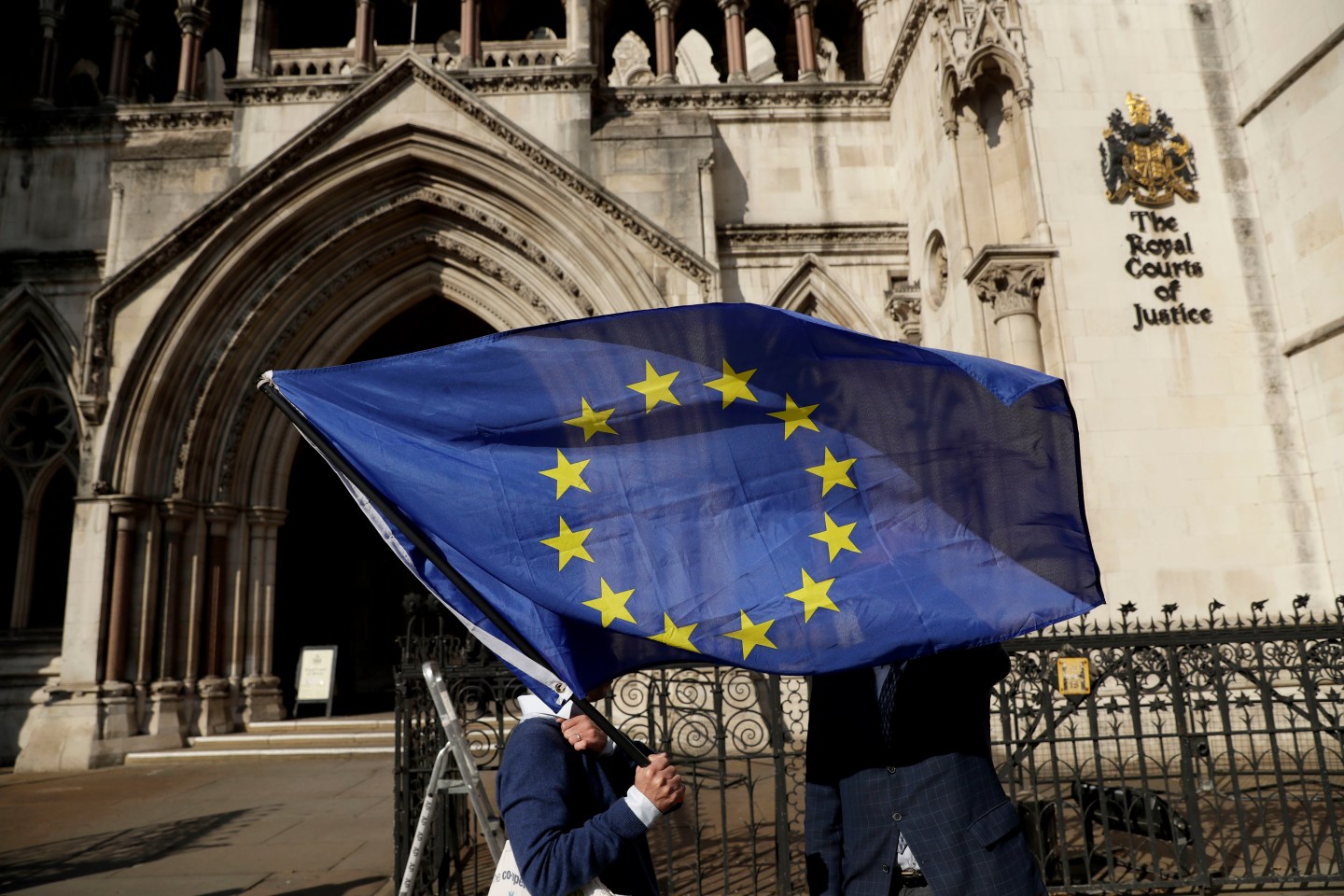
When the European Union’s 28 heads of state meet for the European Council summit on Thursday, they’ll need to address the profound crisis of legitimacy surrounding the postwar European idea. The discussions in Brussels will look irrelevant at best, and offensive at worst, if they proceed with the standard agenda of defining common social, economic, and security policies. The common policies do not matter when they depart so obviously from the beliefs and behaviors of citizens across the continent.
The question is whether they have the courage and creativity, as a group, to develop a new vision for why the countries of Europe should renew their commitment to an integrated union. They must simultaneously address the anger of the citizens who feel left behind and promote a new set of ideals that persuade people to invest in integration, not separation and hatred.
2016 marks the close of a remarkable era. The seventy years of postwar cooperation and market development in the West are now history, crashing down quickly before our eyes with the Brexit vote this summer, the election of Donald Trump in the U.S. in November, and the Dec. 4 Italian referendum, which defeated proposed constitutional reforms aimed at facilitating legal and financial cooperation with the rest of Europe. Similar dynamics are gaining steam in France, where President Francois Hollande will not seek reelection, and Germany, where long-serving Chancellor Angela Merkel looks vulnerable to challengers on the right. The heirs of Winston Churchill, Harry Truman, Charles de Gaulle, and Helmut Kohl are succumbing to smaller demagogues who promise simple solutions for citizens fearful of personal loss. In societies that are more prosperous than ever before, identity and control matter more than innovation and idealism.
This new class of politicians condemns the elites in Rome, Brussels, Berlin, and Paris, who are allegedly profiting through market integration at the cost of traditional industrial and agricultural workers, still struggling with stagnant wages, unemployment, and growing feelings of powerlessness. If economic integration fueled the rise of the super-rich in Milan, it did little for the small factory and café owners from Avignon to Athens. Their resurgent nationalism is a rejection of the liberal idea of a “united Europe,” promoted by nearly every leading politician in Western Europe and the United States since the end of World War II.
Fortunately, the heads of state on the European Council are politicians, not technocrats. They are all obsessed with the evident shift in public opinion, and they all understand that the postwar European idea is in crisis and that the populists represent an existential threat to establishment politicians.
This is a moment for Churchillian eloquence to lift listeners above a darkening landscape. While there are no Churchills on the European Council today, German Chancellor Angela Merkel, in her often understated manner, has assumed an important leadership role. A child of the repressive East German communist regime, she is passionate and effective in reminding listeners how difficult life was without integrated markets and cooperation among societies. She also leads a growing, wealthy, innovative economy that has managed to address the needs of citizens hurt by global competition. Germans of all income levels are more educated, healthier, and happier than most of their peers.
Merkel’s courageous decision to accept one million immigrants from the horrible civil war in Syria has jeopardized her popularity, but it offers her an opportunity to lead at the European Council meeting, and in other settings. She has begun to make the case for Europe as the protector of democracy, civility, and human rights in our increasingly militaristic world. For all the controversies on the continent today, the memories of past wars remain powerful and even the most populist politicians do not want to see a return to that violent past. Peace remains a strong point of consensus, even as economic integration has lost its allure.
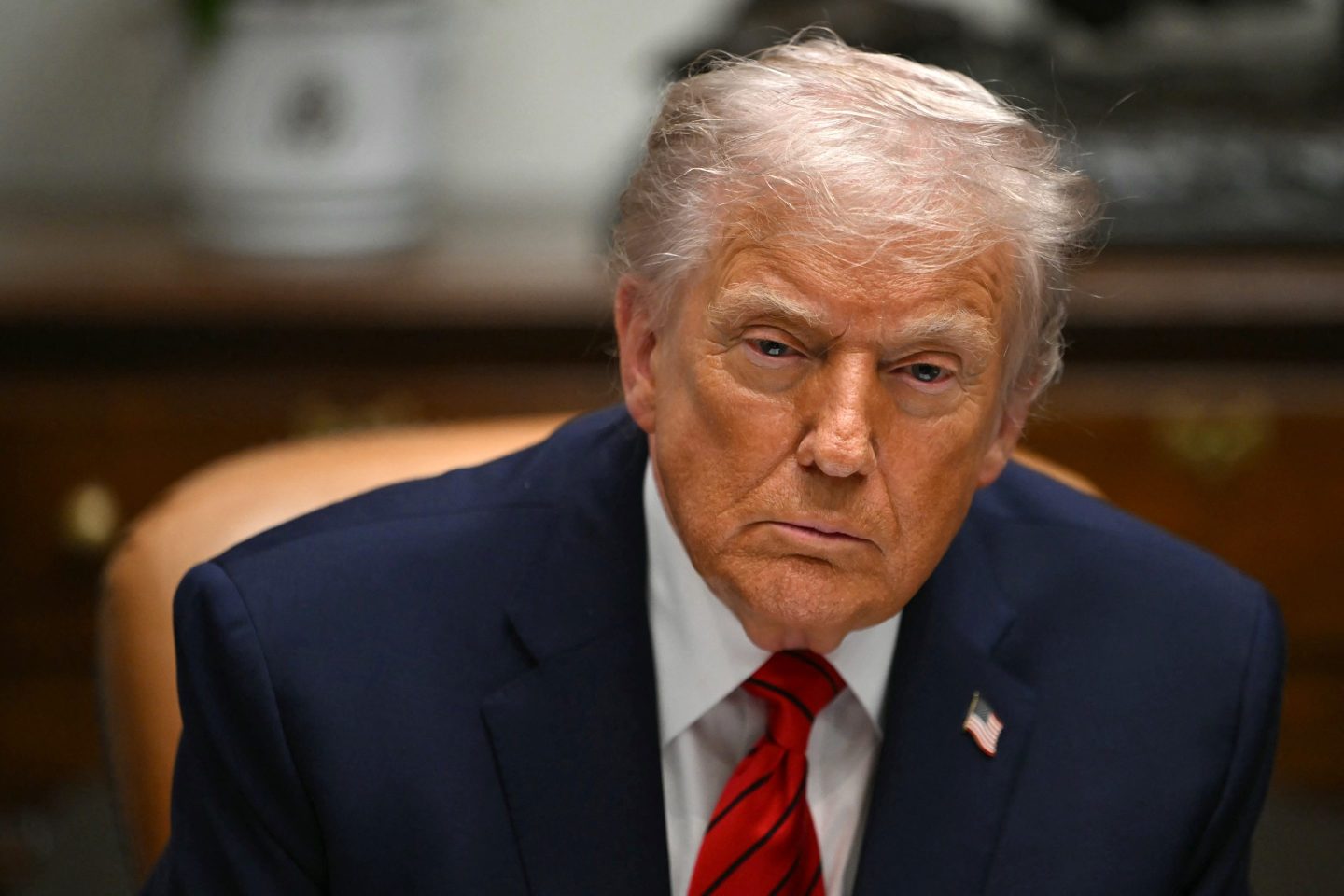
The election of Donald Trump, and his volatile combination of belligerence about Muslims and apologies for Russian aggression, opens a space for a united Europe to replace the United States as the leader of the free world. The leaders attending the European Council should formulate a clear statement about peace, human rights, sustainability, and democracy: a 21st Century Atlantic Charter. They should explain why these values are essential for human society in coming years, and how Europe can provide a model. They should take pride in Europe’s traditions, expound its global influence, and promote the benefits to Europeans and non-Europeans of a strong, united civilizing voice. Merkel can lead this effort, with the strong endorsement of her fellow European heads of state.
Recent international events show that the forces of globalization are quickly fragmenting advanced societies between beneficiaries and those left behind. The project of European integration, however, is about much more than economics. In a world of increasing violence and aggression, the postwar European vision of political cooperation, collective security, and humane treatment of citizens is more necessary than ever before. It is a mission that still matters, even for those critical of Brussels bureaucrats. Reminding citizens why the European Union exists, and what crucial political purpose it serves, is the golden opportunity that the next meeting of the European Council offers for leaders under intense populist pressures. A little Churchillian eloquence could go a long way.
Jeremi Suri is the Mack Brown distinguished chair for leadership and global affairs at the University of Texas at Austin.