Eli Lilly and Co said its experimental Alzheimer’s treatment failed to slow loss of cognitive ability in patients with mild symptoms, a major setback for the company and millions of people at risk of developing the memory-robbing disease.
Lilly shares were down nearly 16% in premarket trading after the U.S. drugmaker unveiled the long-awaited results of its large Expedition 3 study. Shares of Biogen, which is developing a similar drug, fell more than 8%.
Many scientists, investors and families had been counting on solanezumab to become the first approved medicine to slow progression of the disease, which the Alzheimer’s Association estimates will strike as many as 28 million Americans by midcentury.
Lilly said it would take a $150 million charge in the fourth quarter for the failed trial and provide an updated 2016 financial outlook, as well as 2017 forecasts, on Dec. 15.
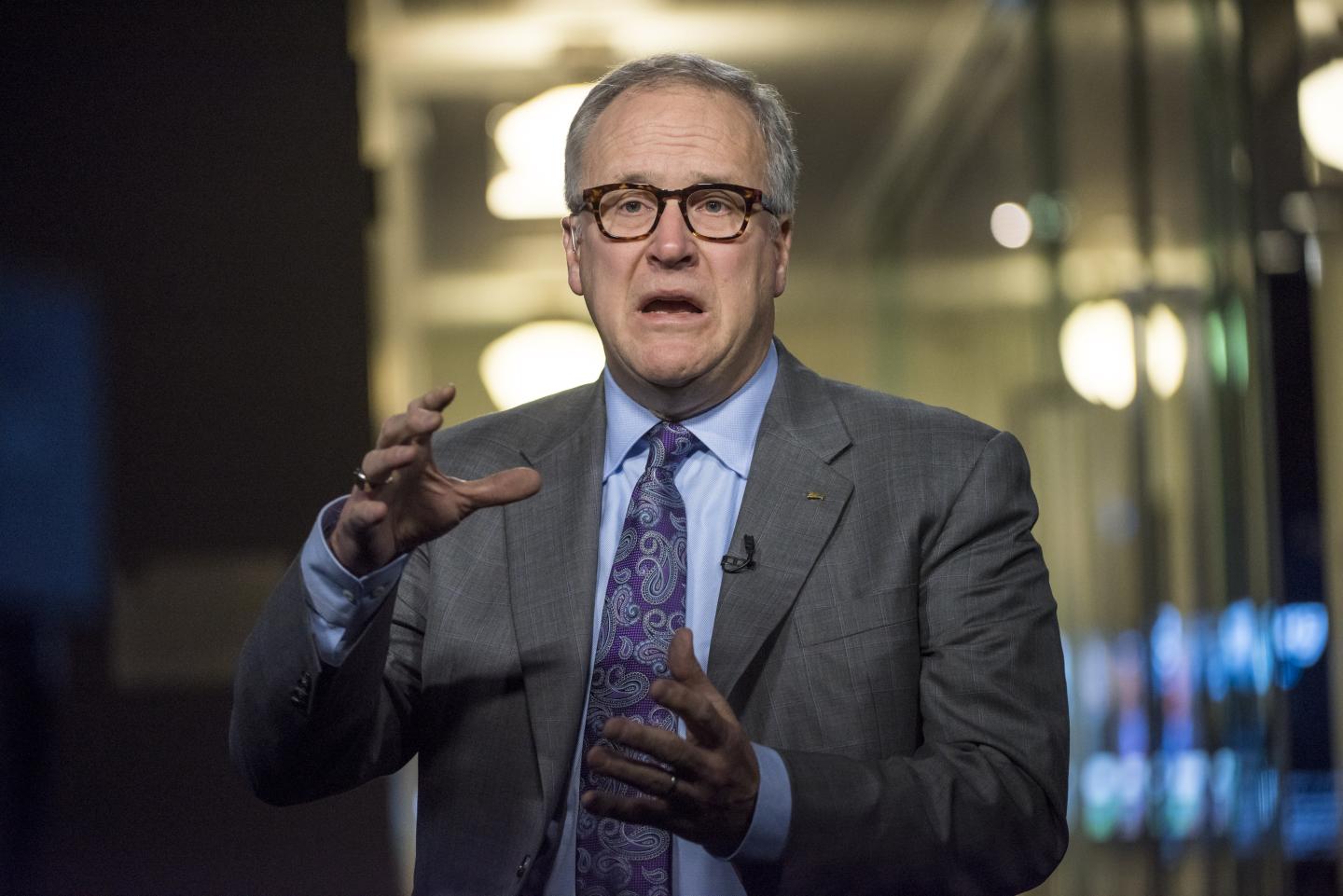
“Lilly has strong growth prospects without solanezumab,” said David Ricks, the company’s incoming chief executive officer. He said Lilly still believed recently introduced treatments for diabetes and other conditions would ensure average annual revenue growth of at least 5% between 2015 and 2020.
Based on the failure of the Phase III solanezumab study, Lilly said it would not seek U.S. approval of the drug for mild dementia. It is also being tested in patients who have not yet developedAlzheimer’s symptoms but who have brain plaques.
Some analysts had said solanezumab, if approved, could eventually claim up to $10 billion in annual sales and boost Lilly’s earnings for years to come.
The infused drug works by binding in the bloodstream to a protein called beta amyloid, which is believed to cause toxic brain plaques that are considered a hallmark of Alzheimer’s.
Biogen is racing to complete Phase III trials of aducanumab, which is designed to clear beta amyloid that has already formed plaques. However, the solanezumab data raises questions about whether beta amyloid is a valid target for Alzheimer’s drugs.
“For Biogen and other companies in the Alzheimer’s field, this is a serious blow,” Leerink Partners analyst Seamus Fernandez said in a research note carrying the headline “Burnt Turkey for Biotech investors.”
Although Biogen’s drug targets the same protein as solanezumab, Fernandez said it is a considerably different antibody, is being tested on patients with milder symptoms, and is given at a different dose. Therefore, he said, aducanumab will not necessarily suffer the Lilly drug’s fate.
Biogen officials could not immediately be reached for comment.
Lilly said patients treated with solanezumab did not experience a significantly greater slowing in cognitive decline than those given placebos.
In two original 18-month studies completed in 2012, solanezumab failed to slow cognitive decline or loss of abilities of daily living for the 1,000 patients with mild to moderate disease in each trial.
But the combined data for just the mildly affected patients suggested solanezumab caused significant slowdowns of 34% in mental decline and 18% in loss of functional abilities, compared with those taking a placebo, researchers said.
For Expedition 3, Lilly extended the pair of large trials by another two years and only enrolled mildly impaired patients. Researchers continued to provide solanezumab to patients who had taken it during the initial studies and also allowed the placebo groups to switch to solanezumab.
As with cancer, many experts believe combinations of medicines, each having different mechanisms, will be needed to greatly slow Alzheimer’s progress or stop it in its tracks.
One of the biggest hopes is a class of experimental drugs called BACE inhibitors, which work by blocking the beta secretase enzyme involved in producing beta amyloid. Lilly and others, including Biogen and Merck & Co, are conducting late-stage trials of such drugs.
This article has been updated to reflect new details on share movement.