• Home
  • Latest
  • Fortune 500
  • Finance
  • Tech
  • Leadership
  • Lifestyle
  • Rankings
  • Multimedia
Leadership

Why Did So Many White Women Vote for Donald Trump?

By
Laura Morgan Roberts
and
Robin J. Ely
Robin J. Ely
Down Arrow Button Icon
By
Laura Morgan Roberts
and
Robin J. Ely
Robin J. Ely
Down Arrow Button Icon
November 17, 2016, 8:00 PM ET
US-VOTE-ELECTION
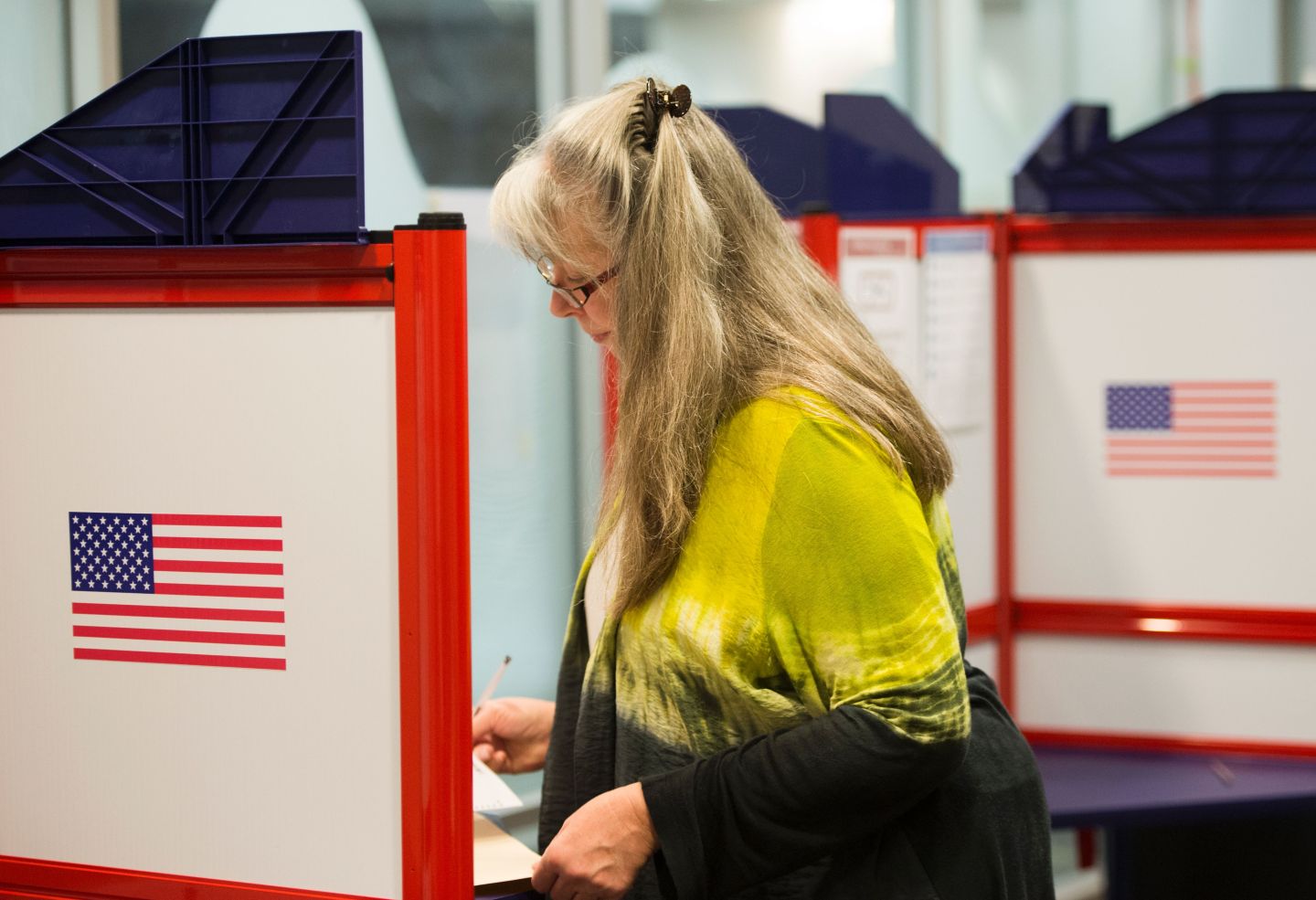
A woman votes at an absentee voting station in Arlington, Virginia on October 12, 2016. The US general election takes place November, 8, 2016. / AFP / ANDREW CABALLERO-REYNOLDS (Photo credit should read ANDREW CABALLERO-REYNOLDS/AFP/Getty Images)Andrew Caballero-Reynolds—AFP/Getty Images

Before last week’s election, polls and pundits suggested that Donald Trump’s presidential campaign was doomed to failure, because it could not attract enough votes from women, who saw him as a misogynist—and worse. Conventional wisdom crashed and burned, however, as 42 percent of women, most of them white, came out to support him.

Why did Donald Trump’s candidacy appeal to so many women voters? Although his election has been attributed primarily to disenfranchised citizens, the data suggest otherwise. Women from varying backgrounds cast their ballots for Trump for a number of reasons related to gender, economics, and perceptions of leadership.

Working class white women

He received the strongest support from white women without college degrees, 62 percent of whom voted for him. Although his supporters reported median household incomes of $70,000, the Trump campaign tapped into fears and frustrations among white working-class women about diminished possibilities for their husbands and sons to provide for their families. Many supporters’ families work in blue-collar occupations such as construction, transportation, and infrastructure; live in low mobility areas; and have little personal contact with immigrants. “Us vs. them” rhetoric framed diversity as an impediment to American greatness, and—consistent with historical racial and socioeconomic fractures—global trade and immigration, the increasing presence of white women and people of color in government, and “dangerous inner cities” emerged as threats.

White women with college degrees

The second largest contingent of women supporting Trump was white women with college degrees. Forty-five percent of them voted for him. While some were likely attracted to Trump’s fiscally conservative policies, research suggests an even more pervasive gender dynamic at play. Women and men have been socialized by family members, educators, and the media to associate leadership with a particular version of masculinity, an image Trump exemplified in his persona as the supremely successful businessman. He reinforced the masculine, leader-as-savior image with repeated claims that he alone could make America great again. Those drawn to this view, by extension, place a higher level of scrutiny on those who do not fit their image of success. Thus, Secretary Clinton’s handling of her emails was considered far more egregious than anything Trump had done, an assessment fueled by his systematic dismantling of Clinton in virtually every stump speech.

Many women (and men) who supported Trump bought into the false dichotomy that a woman leader can be either competent or likeable, but not both. What came into question was Clinton’s character—so much so that her competence became a moot point. In contrast, while almost 25 percent of Trump supporters said he was not qualified, they voted for him anyway.

For more on Donald Trump, watch this Fortune video:

In addition, although Clinton won the popular vote, exit polls suggested that more people cast their vote against her than against him. Those who found Trump unlikable but still voted for him numbered 20 percent of his supporters, while only 12 percent of those who said they disliked Clinton still voted for her. Seventy percent of white voters also described Clinton as dishonest or untrustworthy. This dynamic may also help explain why so many millennials who had supported Bernie Sanders didn’t vote this time around; they just couldn’t get over their dislike for Hillary.

One interesting departure from these trends emerged from the voting patterns of women of color—and of black women in particular. Only 26 percent of Latinas voted for Trump, but even fewer black women did. Just 4 percent voted for him—the lowest percentage of all groups—reflecting, perhaps, their concern about the treatment of blacks in the criminal justice system as well as their recognition of Clinton’s stronger support of minorities and her enthusiastic endorsements from the president and first lady.

So now what? The most troubling consequences of this election are not for those women in leadership positions who are pushing forward to break new ground, although it is clearly a disappointment for those of us who hope to see more women in places of power, including the Oval Office.

The most marginalized in our country will be harmed if the positions Trump has taken are translated into policy during his administration:

• Immigrant families, LGBTQ citizens, African Americans, Muslims and others are fearful that disparaging, even threatening, rhetoric about their communities will become normalized. In the days since the election, more than 400 hate crimes in local schools, communities, and businesses have been reported.
• Trump’s statements about sexually harassing women potentially give permission for a set of behaviors that undermine the safety and advancement of women in the workplace and in higher education.
• His stand on workplace deregulation raises concerns about continued protection of women’s (and men’s) human and civil rights.
• A reshaped Supreme Court could roll back protections to the rights of women, including the right to choose
• Changes to the Affordable Care Act could reduce access to birth control and health care.

Those of us striving to advance gender equity must continue to join with the leaders and thinkers working to advance the rights of other disadvantaged groups to forge a path for our society and our country that allows everyone to thrive. The future of this nation depends on it.

Laura Morgan Roberts is a visiting scholar at Harvard Business School’s Leadership Initiative and a professor of organization studies at Antioch University’s Graduate School of Leadership and Change.

Robin Ely is the Diane Doerge Wilson Professor of Business Administration at Harvard Business School and faculty chair of its Gender Initiative.

This article originally appeared on Harvard Business School Working Knowledge.

 

About the Authors
By Laura Morgan Roberts
See full bioRight Arrow Button Icon
By Robin J. Ely
See full bioRight Arrow Button Icon

Latest in Leadership

Finance
Lorem ipsum dolor sit amet, consectetur adipiscing elit, sed do eiusmod tempor incididunt ut labore et dolore magna aliqua. Ut enim ad minim veniam
By Fortune Editors
October 20, 2025
Finance
Lorem ipsum dolor sit amet, consectetur adipiscing elit, sed do eiusmod tempor incididunt ut labore et dolore magna aliqua. Ut enim ad minim veniam
By Fortune Editors
October 20, 2025
Finance
Lorem ipsum dolor sit amet, consectetur adipiscing elit, sed do eiusmod tempor incididunt ut labore et dolore magna aliqua. Ut enim ad minim veniam
By Fortune Editors
October 20, 2025
Finance
Lorem ipsum dolor sit amet, consectetur adipiscing elit, sed do eiusmod tempor incididunt ut labore et dolore magna aliqua. Ut enim ad minim veniam
By Fortune Editors
October 20, 2025
Finance
Lorem ipsum dolor sit amet, consectetur adipiscing elit, sed do eiusmod tempor incididunt ut labore et dolore magna aliqua. Ut enim ad minim veniam
By Fortune Editors
October 20, 2025
Finance
Lorem ipsum dolor sit amet, consectetur adipiscing elit, sed do eiusmod tempor incididunt ut labore et dolore magna aliqua. Ut enim ad minim veniam
By Fortune Editors
October 20, 2025

Most Popular

Finance
Lorem ipsum dolor sit amet, consectetur adipiscing elit, sed do eiusmod tempor incididunt ut labore et dolore magna aliqua. Ut enim ad minim veniam
By Fortune Editors
October 20, 2025
Finance
Lorem ipsum dolor sit amet, consectetur adipiscing elit, sed do eiusmod tempor incididunt ut labore et dolore magna aliqua. Ut enim ad minim veniam
By Fortune Editors
October 20, 2025
Finance
Lorem ipsum dolor sit amet, consectetur adipiscing elit, sed do eiusmod tempor incididunt ut labore et dolore magna aliqua. Ut enim ad minim veniam
By Fortune Editors
October 20, 2025
Finance
Lorem ipsum dolor sit amet, consectetur adipiscing elit, sed do eiusmod tempor incididunt ut labore et dolore magna aliqua. Ut enim ad minim veniam
By Fortune Editors
October 20, 2025
Finance
Lorem ipsum dolor sit amet, consectetur adipiscing elit, sed do eiusmod tempor incididunt ut labore et dolore magna aliqua. Ut enim ad minim veniam
By Fortune Editors
October 20, 2025
Finance
Lorem ipsum dolor sit amet, consectetur adipiscing elit, sed do eiusmod tempor incididunt ut labore et dolore magna aliqua. Ut enim ad minim veniam
By Fortune Editors
October 20, 2025
Fortune Secondary Logo
Rankings
  • 100 Best Companies
  • Fortune 500
  • Global 500
  • Fortune 500 Europe
  • Most Powerful Women
  • World's Most Admired Companies
  • See All Rankings
  • Lists Calendar
Sections
  • Finance
  • Fortune Crypto
  • Features
  • Leadership
  • Health
  • Commentary
  • Success
  • Retail
  • Mpw
  • Tech
  • Lifestyle
  • CEO Initiative
  • Asia
  • Politics
  • Conferences
  • Europe
  • Newsletters
  • Personal Finance
  • Environment
  • Magazine
  • Education
Customer Support
  • Frequently Asked Questions
  • Customer Service Portal
  • Privacy Policy
  • Terms Of Use
  • Single Issues For Purchase
  • International Print
Commercial Services
  • Advertising
  • Fortune Brand Studio
  • Fortune Analytics
  • Fortune Conferences
  • Business Development
  • Group Subscriptions
About Us
  • About Us
  • Lists Calendar
  • Press Center
  • Work At Fortune
  • Terms And Conditions
  • Site Map
  • About Us
  • Lists Calendar
  • Press Center
  • Work At Fortune
  • Terms And Conditions
  • Site Map
  • Facebook icon
  • Twitter icon
  • LinkedIn icon
  • Instagram icon
  • Pinterest icon

Latest in Leadership

robert isom
InvestingAirline industry
American Airlines CEO calls United merger ‘a non-starter’: ‘No way to view that as anything but anti-competitive’
By Jake AngeloApril 24, 2026
2 hours ago
How Chris Ong helped Seatrium emerge from a messy merger between two shipyards to become a profitable offshore oil and wind giant
AsiaAsia Agenda
How Chris Ong helped Seatrium emerge from a messy merger between two shipyards to become a profitable offshore oil and wind giant
By Nicholas Gordon and Angelica AngApril 23, 2026
13 hours ago
Spotify just turned 20. Here’s how founder Daniel Ek built it into a $100 billion music empire by being the ‘least powerful person’ at the company
Big TechSpotify
Spotify just turned 20. Here’s how founder Daniel Ek built it into a $100 billion music empire by being the ‘least powerful person’ at the company
By Marco Quiroz-GutierrezApril 23, 2026
13 hours ago
ken
Commentary250 Years of Innovation
The longevity revolution is here. Our systems still think we die at 65
By Ken DychtwaldApril 23, 2026
13 hours ago
anirudh
Conferencesdisruption
Cadence CEO on the AI boom and human nature: ‘there are more tools, but the human part is not different’
By Nick LichtenbergApril 23, 2026
14 hours ago
Meta, Microsoft look to trim workforces amid heavy AI spending
Big TechMeta
Meta, Microsoft look to trim workforces amid heavy AI spending
By Kurt Wagner, Brody Ford and BloombergApril 23, 2026
14 hours ago

Most Popular

When interest on national debt overtook military spending, it triggered a limit where the U.S. may ‘cease to be a great power,’ warns Hoover historian
Economy
When interest on national debt overtook military spending, it triggered a limit where the U.S. may ‘cease to be a great power,’ warns Hoover historian
By Eleanor PringleApril 23, 2026
22 hours ago
Despite nearing their 60s, nearly four in 10 Americans heading towards the end of their careers don’t even have a retirement account
Success
Despite nearing their 60s, nearly four in 10 Americans heading towards the end of their careers don’t even have a retirement account
By Emma BurleighApril 23, 2026
18 hours ago
Officials will flush 50,000 toilets to flood a Utah lake in order to generate electricity
Environment
Officials will flush 50,000 toilets to flood a Utah lake in order to generate electricity
By Mead Gruver, Dorany Pineda and The Associated PressApril 22, 2026
2 days ago
Cursor’s 25-year-old CEO is a former Google intern who just inked a $60 billion deal with SpaceX
AI
Cursor’s 25-year-old CEO is a former Google intern who just inked a $60 billion deal with SpaceX
By Marco Quiroz-GutierrezApril 22, 2026
2 days ago
Craving work-life balance is a huge red flag, says Fortune 500 Europe CEO—and like Barack Obama, he happily works through weekends
Success
Craving work-life balance is a huge red flag, says Fortune 500 Europe CEO—and like Barack Obama, he happily works through weekends
By Orianna Rosa RoyleApril 22, 2026
2 days ago
The Iran war is pushing Southeast Asia to debate the once unthinkable: Whether ships will need to pay to transit the Strait of Malacca
Economy
The Iran war is pushing Southeast Asia to debate the once unthinkable: Whether ships will need to pay to transit the Strait of Malacca
By Angelica AngApril 23, 2026
22 hours ago

© 2026 Fortune Media IP Limited. All Rights Reserved. Use of this site constitutes acceptance of our Terms of Use and Privacy Policy | CA Notice at Collection and Privacy Notice | Do Not Sell/Share My Personal Information
FORTUNE is a trademark of Fortune Media IP Limited, registered in the U.S. and other countries. FORTUNE may receive compensation for some links to products and services on this website. Offers may be subject to change without notice.