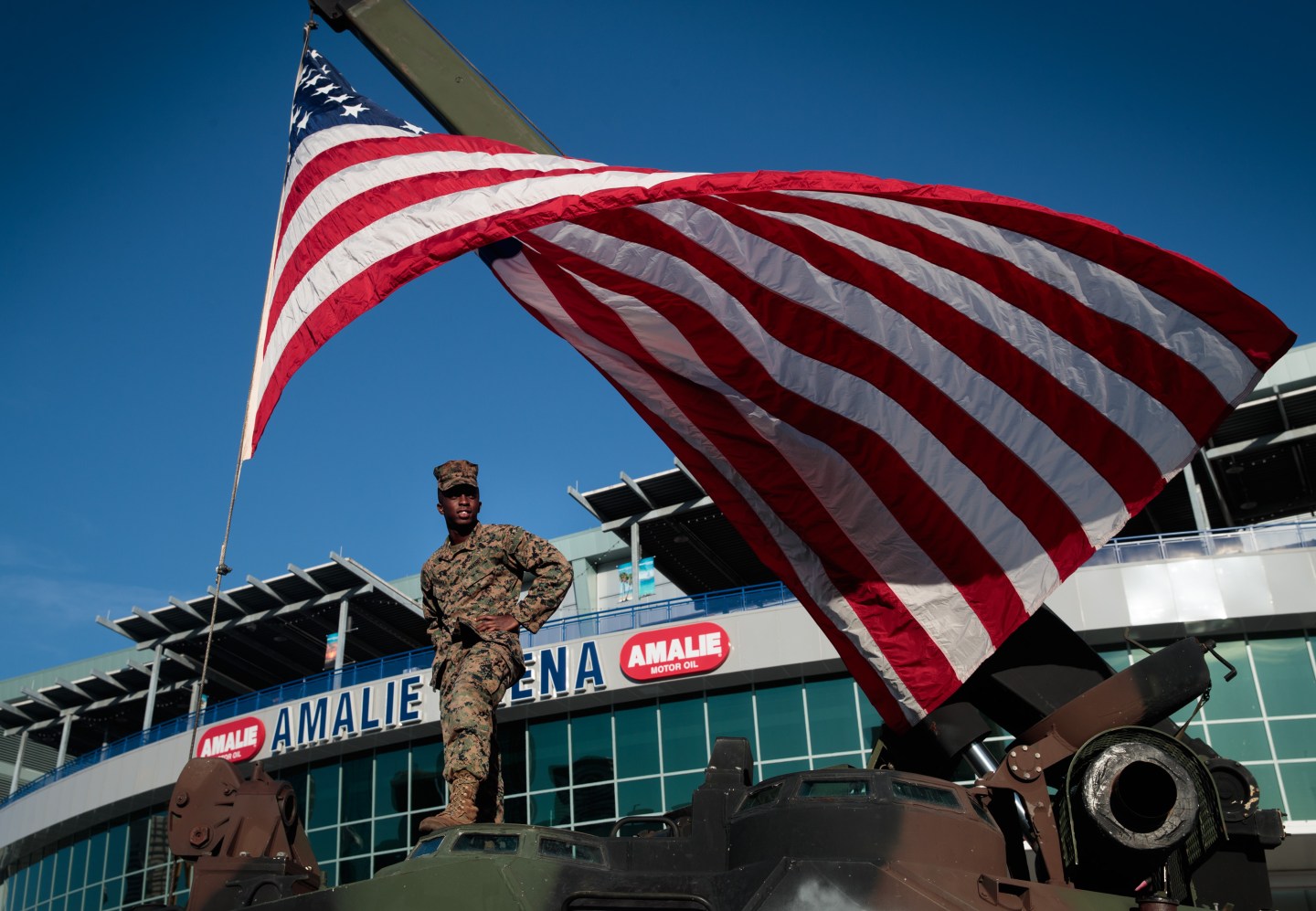
The men and women who serve our country are some of the most trusted individuals in American society. Notably, 73% of citizens have confidence in the military, the highest rated institution in the U.S., according to this Gallup poll.
The military serves our country with honor and distinction. More notably, they have already proven they’ll serve at a level in which other Americans aren’t willing.
It’s no stretch to say that military service members are America’s best leaders, and this is especially true when it comes to entrepreneurship. Veterans have traditionally been successful at starting businesses; in fact, almost 50% of veterans owned a business after WWII. But now, we’re starting to see a worrying trend. Veteran entrepreneurship is on the decline, and just 5.6 % own new companies today.
Although there are fewer veterans in 2016, this decline in entrepreneurship doesn’t just come down to the population of the military. Notably, our veterans currently don’t receive enough financial support for their business pursuits.
We need to be doing more to empower our veterans to succeed – especially, since 25% of Iraq and Afghanistan veterans want to start their own companies. So what do investors need to focus on when it comes to funding veteran-led startups? And what would more veteran entrepreneurship mean for America?
For starters, U.S. veterans have the best leadership training in the world. They come from an integrity-focused background. Additionally, they’re mission-oriented and they have a call to fulfill a higher purpose – all traits needed to run a successful business.
Some giant American companies were founded by veterans, too. Esurance co-founder Chuck Wallace served in the U.S. Air Force. Nike co-founder Phil Knight served in the Army. GoDaddy CEO Bob Parsons is a veteran of the Vietnam War. And so is Frederick Smith, the CEO of FedEx. He launched the delivery service just two years after service, and lends his experience in the military to his success.
“When people ask what principles have guided me since I started the FedEx Corporation 35 years ago, my answer often startles them: It’s the leadership tenets that I learned in the U.S. Marine Corps during my service in Vietnam,” Smith said to Military.com.
However, veterans aren’t starting businesses like they used to. Currently, some 2.45 million firms in the U.S. are veteran owned. But according to the U.S. Small Business Administration (SBA), the number of veteran-owned small businesses dropped by about 25% between 2007 and 2013. Although this was during the economic recession, the drop still accounted for 73% of all business decline.
Additionally, fewer veterans are even starting businesses now – while 34% of veteran-owned businesses were less than 5 years old in 2007, just 20% were in 2013.
The most recent Kauffman Foundation research shows a drop in veteran entrepreneurship as well. While veterans accounted for 12.6% of new entrepreneurs in 1996, this number dropped to 5.6% in 2014. Although it attributes part of the decline to the overall decline of working-age veterans in the U.S., the researcher does find the numbers worrying, citing a fall in support for new veteran entrepreneurs.
“…What’s troubling about the waning numbers of veteran-owned startups is that younger veterans now have less support from within their own community of veterans as they consider their own entrepreneurial ventures: fewer networking opportunities, mentors and founders among the older generations of vets,” said Dane Stangler, director of research and policy at the Kauffman Foundation in an earlier 2011 report on the same topic.
From outside the veteran community, there’s an abundance of support. For example, Kauffman itself has offered a free 10-week entrepreneurship course for military veterans, and the LinkedIn learning tool Lynda.com is availableto veterans for up to one year free, providing them with access to a range of online courses.
There’s also PatriotExpress Veterans Small Business Loans from SBA, which provides low-interest loans of up to $500,000 for veterans with scalable business ideas. Additionally, the SBA sponsors the entrepreneurial training program Bootto Business, which is offered as a component of the Department of Defense’s transition assistance program.
While there are certainly venture capital firms supporting veterans the best they can, there needs to be an emphasis on larger funds for military service members.
For example, veteran-led venture capital firms that exist already, such as Moonshot Capital and Scout Ventures (I am working with Scout on a Veteran Deck of Cards project) have seen positive results of investing in veteran led startups. Craig Cummings, Partner at Moonshot Capital, continually touts the fact that veteran-led startups make up about 25% of the portfolio, but represent 75% of the returns of his firm.
The bottom line is that veterans outpace their counterparts in early stage startup growth, and that if these venture capital firms had larger funds to deploy, they’d make a larger impact.
Funding efforts for veterans entrepreneurs do have to be limited to venture capitalists, though. In May 2016, the JOBS Act opened up equity crowdfunding for unaccredited investors, allowing anyone to invest in a business and share in its profits. As I’ve already written, investing in veteran-led startups can have economic as well as patriotic paybacks.
Nevertheless, supporting veteran entrepreneurs doesn’t just come down to money matters. These funding initiatives needs to come with greater support and mentorship for new veteran entrepreneurs, particularly fromproud veterans who have founded successful companies before them. There’s a great opportunity for private investors to become mentors for less seasoned veteran entrepreneurs. And more, venture capital funds should hire more veterans for mentorship roles, so they may really connect and engage with the community.
Veterans are proven leaders, and as a community, they’ve shown they can deliver on their entrepreneurial pursuits. We need to turn around the shrinking military entrepreneur rate in America, by making substantial funding and plenty of mentorship opportunities available to our veterans. If we can empower the best trained and most highly trusted people in the country, they will no doubt reinvigorate America with their drive to succeed.
Chris Gosselin is a senior advisor at Hyperloop Transportation Technologies, and an Air Force Veteran.