• Home
  • Latest
  • Fortune 500
  • Finance
  • Tech
  • Leadership
  • Lifestyle
  • Rankings
  • Multimedia
TechSocial Networks

Here’s Why We Need a First Amendment for Social Platforms

By
Mathew Ingram
Mathew Ingram
Down Arrow Button Icon
By
Mathew Ingram
Mathew Ingram
Down Arrow Button Icon
June 3, 2016, 1:36 PM ET
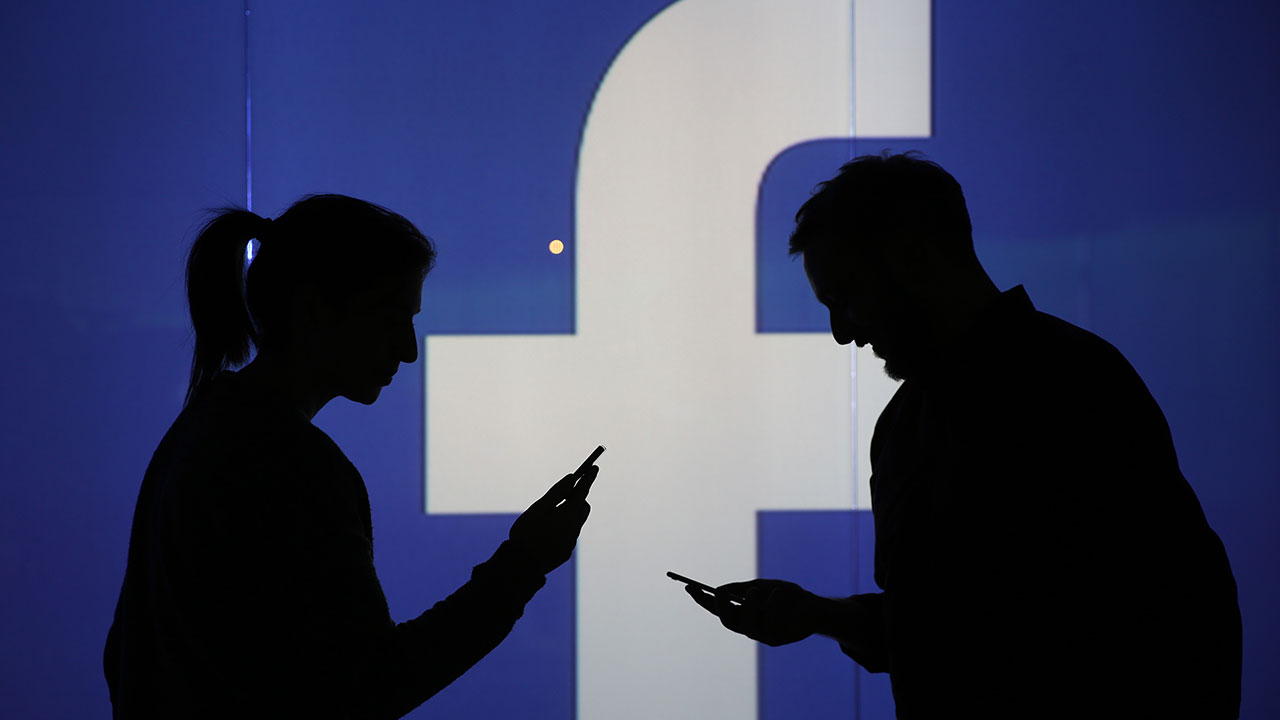
Photograph by Chris Ratcliffe/Bloomberg - Getty Images

Whether we like it or not, a significant part of our daily lives is spent consuming or generating content of various kinds on social platforms like Facebook, Twitter, Snapchat, and Instagram. These services allow us to connect with family and friends and interesting events from around the world, but they are also privately-run corporations with their own interests in mind—and those interests don’t always overlap with principles we take for granted, such as freedom of speech.

This tension is not lost on anyone in the media who pays attention to current events, whether it’s Facebook and the debate over news judgement and bias in trending topics, or Twitter’s recent decision to delete parody accounts pretending to be Russian leaders. In a very real sense, as Jillian York of the Electronic Frontier Foundation has described it, we are living in a giant shopping mall, and the owners of the mall are the ones who make the rules.

In a post on the blog-hosting site Medium (also a privately-held platform, it should be noted) BuzzFeed’s editor-in-chief Ben Smith and assistant general counsel Nabiha Syed have written a kind of manifesto or call to arms on this topic, entitled “A First Amendment For Social Platforms.” Because Facebook (FB), Twitter (TWTR), and these other services don’t create their own content but only exist to distribute the content that users have created, we have a stake in how they behave, they argue.

The trust we place in them is ultimately about whether we trust them to manage our own collective expression. For this trust to endure, these platforms must be transparent about their own policies and be consistent in their enforcement.

Social networks like Facebook and Twitter have “run into trouble where the lines blur between their missions and the missions of the journalists, activists, and other citizens who use them,” the manifesto says. So Smith and Syed are calling on social networks to be more open about how and when their decisions impinge on free speech. “Twitter, Facebook, and their peers should consider making, if not their decisions to ban users, their appeals process and the outcomes public,” they say.

As the BuzzFeed essay points out, Facebook, Twitter, YouTube (GOOG), and others all have their own rules or standards on what they will tolerate, which cover everything from harassment to hate speech. But the implementation of these standards in specific cases is almost totally opaque, and in many cases seems to be completely haphazard. Why are breastfeeding pictures removed from Facebook but violent imagery often is not? No one knows. Why do pages about Syria disappear randomly? Unknown.

Get Data Sheet, Fortune’s technology newsletter.

Google and Twitter publicize when they get requests from governments and the courts to take down posts or content on a site called Lumen (formerly Chilling Effects), and they usually describe the alleged reason for the requests. Facebook provides information about how many requests it gets, but it doesn’t say anything about why they were made—and in one case it has removed large numbers of pages (created by prisoners) without even mentioning it.

In the past, Twitter has made a public commitment to “let the tweets flow” and to being what a former staffer called “the free-speech wing of the free-speech party.” It has fought for the right to disclose information to users about secret government requests for their information. But the company has also implemented country-specific censorship or blocking of content, and the process by which it removes or bans users is almost completely opaque. Does Twitter have the same commitment to free speech now as it used to in the past? We don’t know.

When Facebook has been asked about free speech and journalistic principles in the past, and how the way it controls the newsfeed algorithm influences those things, it provides pat answers or tries to avoid the question by pretending that the algorithm is some kind of objective machinery that users control. As sociologist Zeynep Tufekci and others have pointed out, algorithms are programmed by human beings, and as a result, they inevitably have biases built into them.

The biggest question about Facebook’s trending topics. Watch:

Having written about this topic many times, I know that mentioning the First Amendment will inevitably generate criticism from people who argue that its free speech and free press provisions only apply to government action, and that private corporations (and billionaires) are free to do whatever they wish as far as speech is concerned. But while this may be legally accurate, it fails to take into account just how much our public behavior is being constrained and manipulated by these private networks. The value of free speech, theoretically at least, is a principle that goes beyond just the First Amendment.

In a speech last year, Emily Bell, director of the Tow Center for Digital Journalism at Columbia University, said that in a very real sense, social platforms like Facebook and Twitter have taken over many of the functions of the mainstream media or the free press, and they need to be treated that way in terms of what we expect from them. “Never before in the history of journalism has the power and reach of a small number of players had such a decisive effect on a market, and never before have we known so little about its operation,” she said.

In a follow-up post on Medium about the same topic, Bell asked, “Are we working hard enough to interrogate new systems of power which have the scale to challenge governments, but are unaccountable except to the markets, and intentionally opaque?” She argued that users need to know that Facebook and other networks are committed to freedom of speech, and suggested that some of them might benefit from having a “public editor” who represents the interests of users and of society at large.

As honorable as these calls for transparency and shared principles are, is there any realistic chance that Facebook or Twitter or any of the other platforms will actually do this? Twitter is busy trying to prop up its failing share price, and Facebook is so dominant there’s virtually no upside to getting dragged into a debate over free speech—although its willingness to meet with conservative leaders over trending topics suggests there is some room for optimism. In any case, it’s worth pressing the issue, because the principles at stake are important ones, and they aren’t going away.

About the Author
By Mathew Ingram
See full bioRight Arrow Button Icon

Latest in Tech

Finance
Lorem ipsum dolor sit amet, consectetur adipiscing elit, sed do eiusmod tempor incididunt ut labore et dolore magna aliqua. Ut enim ad minim veniam
By Fortune Editors
October 20, 2025
Finance
Lorem ipsum dolor sit amet, consectetur adipiscing elit, sed do eiusmod tempor incididunt ut labore et dolore magna aliqua. Ut enim ad minim veniam
By Fortune Editors
October 20, 2025
Finance
Lorem ipsum dolor sit amet, consectetur adipiscing elit, sed do eiusmod tempor incididunt ut labore et dolore magna aliqua. Ut enim ad minim veniam
By Fortune Editors
October 20, 2025
Finance
Lorem ipsum dolor sit amet, consectetur adipiscing elit, sed do eiusmod tempor incididunt ut labore et dolore magna aliqua. Ut enim ad minim veniam
By Fortune Editors
October 20, 2025
Finance
Lorem ipsum dolor sit amet, consectetur adipiscing elit, sed do eiusmod tempor incididunt ut labore et dolore magna aliqua. Ut enim ad minim veniam
By Fortune Editors
October 20, 2025
Finance
Lorem ipsum dolor sit amet, consectetur adipiscing elit, sed do eiusmod tempor incididunt ut labore et dolore magna aliqua. Ut enim ad minim veniam
By Fortune Editors
October 20, 2025

Most Popular

Finance
Lorem ipsum dolor sit amet, consectetur adipiscing elit, sed do eiusmod tempor incididunt ut labore et dolore magna aliqua. Ut enim ad minim veniam
By Fortune Editors
October 20, 2025
Finance
Lorem ipsum dolor sit amet, consectetur adipiscing elit, sed do eiusmod tempor incididunt ut labore et dolore magna aliqua. Ut enim ad minim veniam
By Fortune Editors
October 20, 2025
Finance
Lorem ipsum dolor sit amet, consectetur adipiscing elit, sed do eiusmod tempor incididunt ut labore et dolore magna aliqua. Ut enim ad minim veniam
By Fortune Editors
October 20, 2025
Finance
Lorem ipsum dolor sit amet, consectetur adipiscing elit, sed do eiusmod tempor incididunt ut labore et dolore magna aliqua. Ut enim ad minim veniam
By Fortune Editors
October 20, 2025
Finance
Lorem ipsum dolor sit amet, consectetur adipiscing elit, sed do eiusmod tempor incididunt ut labore et dolore magna aliqua. Ut enim ad minim veniam
By Fortune Editors
October 20, 2025
Finance
Lorem ipsum dolor sit amet, consectetur adipiscing elit, sed do eiusmod tempor incididunt ut labore et dolore magna aliqua. Ut enim ad minim veniam
By Fortune Editors
October 20, 2025
Fortune Secondary Logo
Rankings
  • 100 Best Companies
  • Fortune 500
  • Global 500
  • Fortune 500 Europe
  • Most Powerful Women
  • Future 50
  • World’s Most Admired Companies
  • See All Rankings
Sections
  • Finance
  • Fortune Crypto
  • Features
  • Leadership
  • Health
  • Commentary
  • Success
  • Retail
  • Mpw
  • Tech
  • Lifestyle
  • CEO Initiative
  • Asia
  • Politics
  • Conferences
  • Europe
  • Newsletters
  • Personal Finance
  • Environment
  • Magazine
  • Education
Customer Support
  • Frequently Asked Questions
  • Customer Service Portal
  • Privacy Policy
  • Terms Of Use
  • Single Issues For Purchase
  • International Print
Commercial Services
  • Advertising
  • Fortune Brand Studio
  • Fortune Analytics
  • Fortune Conferences
  • Business Development
  • Group Subscriptions
About Us
  • About Us
  • Editorial Calendar
  • Press Center
  • Work At Fortune
  • Diversity And Inclusion
  • Terms And Conditions
  • Site Map
  • About Us
  • Editorial Calendar
  • Press Center
  • Work At Fortune
  • Diversity And Inclusion
  • Terms And Conditions
  • Site Map
  • Facebook icon
  • Twitter icon
  • LinkedIn icon
  • Instagram icon
  • Pinterest icon

Latest in Tech

‘Downward mobility is incredibly radicalizing’: The college bargain is broken. What comes next could reshape America
EconomyColleges and Universities
‘Downward mobility is incredibly radicalizing’: The college bargain is broken. What comes next could reshape America
By Nick LichtenbergApril 10, 2026
7 minutes ago
Who’s really in control as AI and Big Tech race ahead?
MagazineEurope
Who’s really in control as AI and Big Tech race ahead?
By Francesca CassidyApril 10, 2026
2 hours ago
Photo: Donald Trump
EconomyMarkets
U.S. and Iran begin peace talks as Trump’s White House goes to war against the media, insider traders, and the Pope
By Jim EdwardsApril 10, 2026
3 hours ago
Fortune Brainstorm Tech 2019 in Aspen, Colo. (Photo: Fortune)
NewslettersFortune Tech
Who’s speaking at Fortune Brainstorm Tech 2026
By Andrew NuscaApril 10, 2026
4 hours ago
Schools across America are quietly admitting that screens in classrooms made students worse off and are reversing years of tech-first policies
InnovationEducation
Schools across America are quietly admitting that screens in classrooms made students worse off and are reversing years of tech-first policies
By Marco Quiroz-GutierrezApril 10, 2026
5 hours ago
Dario Amodei
NewslettersTerm Sheet
What Anthropic’s too-dangerous-to-release AI model means for its upcoming IPO
By Beatrice NolanApril 10, 2026
5 hours ago

Most Popular

The U.S. government is spending $88 billion a month in interest on national debt—equal to spending on defense and education combined
Economy
The U.S. government is spending $88 billion a month in interest on national debt—equal to spending on defense and education combined
By Fortune EditorsApril 9, 2026
1 day ago
A Meta employee created a dashboard so coworkers can compete to be the company's No. 1 AI token user—and Zuckerberg doesn't even rank in the top 250
AI
A Meta employee created a dashboard so coworkers can compete to be the company's No. 1 AI token user—and Zuckerberg doesn't even rank in the top 250
By Fortune EditorsApril 9, 2026
1 day ago
Gen Z doesn't want your full-time job. They want several part-time roles, and it's reshaping the entire workforce
Success
Gen Z doesn't want your full-time job. They want several part-time roles, and it's reshaping the entire workforce
By Fortune EditorsApril 9, 2026
1 day ago
White-collar workers are quietly rebelling against AI as 80% outright refuse adoption mandates
AI
White-collar workers are quietly rebelling against AI as 80% outright refuse adoption mandates
By Fortune EditorsApril 9, 2026
1 day ago
'I hate working 5 days': Zoom CEO says traditional work schedules are becoming obsolete—and predicts a 3-day workweek by 2031
Success
'I hate working 5 days': Zoom CEO says traditional work schedules are becoming obsolete—and predicts a 3-day workweek by 2031
By Fortune EditorsApril 9, 2026
22 hours ago
Mark Cuban admits he made a mistake letting go of the Mavericks: 'I don't regret selling. I regret who I sold to'
Investing
Mark Cuban admits he made a mistake letting go of the Mavericks: 'I don't regret selling. I regret who I sold to'
By Fortune EditorsApril 9, 2026
21 hours ago

© 2026 Fortune Media IP Limited. All Rights Reserved. Use of this site constitutes acceptance of our Terms of Use and Privacy Policy | CA Notice at Collection and Privacy Notice | Do Not Sell/Share My Personal Information
FORTUNE is a trademark of Fortune Media IP Limited, registered in the U.S. and other countries. FORTUNE may receive compensation for some links to products and services on this website. Offers may be subject to change without notice.