• Home
  • Latest
  • Fortune 500
  • Finance
  • Tech
  • Leadership
  • Lifestyle
  • Rankings
  • Multimedia
TechPixar

How Pixar brings its animated movies to life

By
Jonathan Vanian
Jonathan Vanian
Down Arrow Button Icon
By
Jonathan Vanian
Jonathan Vanian
Down Arrow Button Icon
September 14, 2015, 8:08 PM ET

For animated moviemaker Pixar, creating stories that resonate with filmgoers is just one piece of the puzzle. The other is using technology to bring stories to life like in a scene from the hit movie Up showing hundreds of colorful balloons floating in the sky.

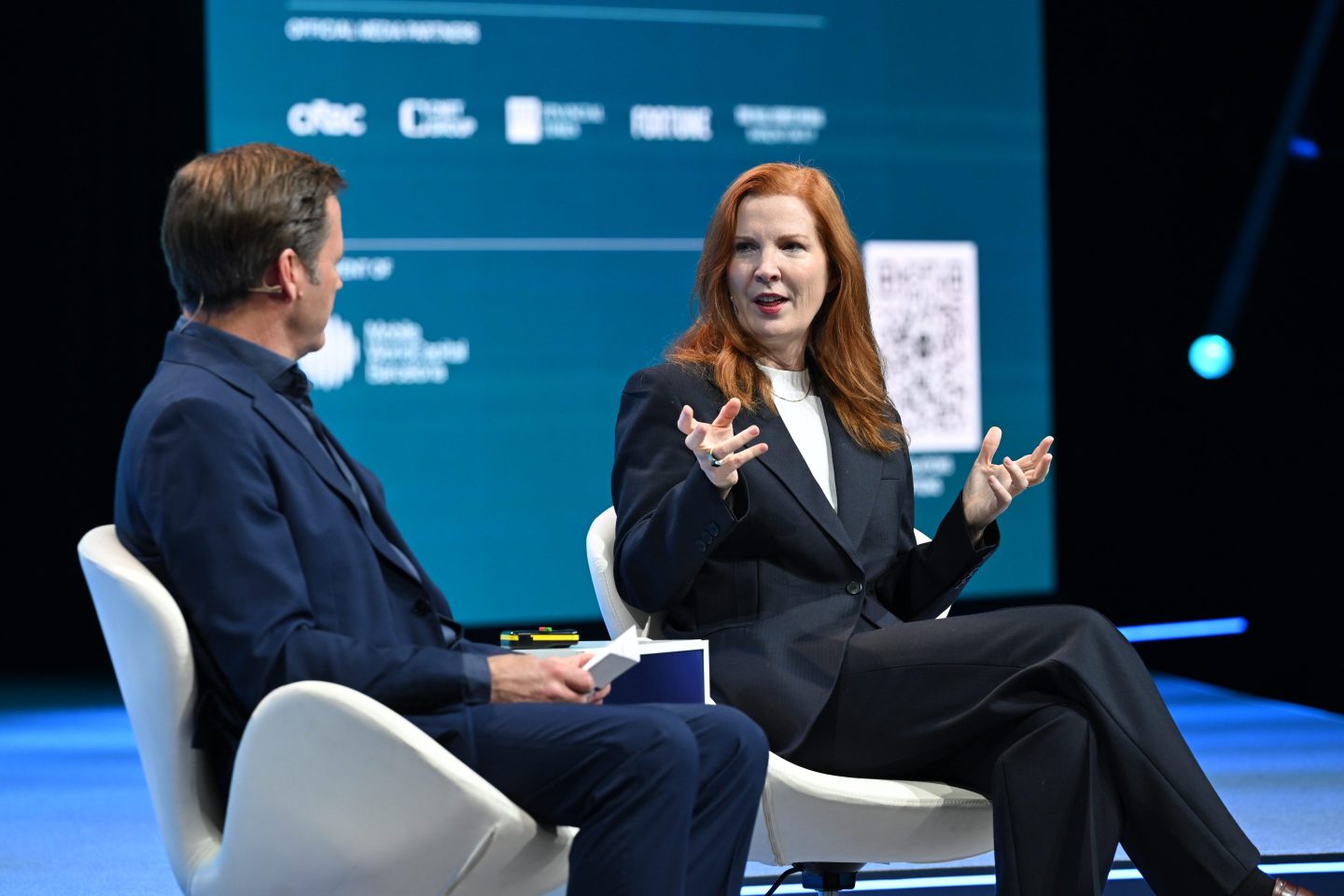
The Pixar team follows the mantra, “Art challenges the tech and the tech inspires the art,” Angelique Reisch, Pixar’s technical lighting director, said on stage Monday at Facebook’s (FB) annual technology engineering conference in San Jose. She was there to talk about Pixar’s engineering team and strategy as well as the technology the company uses to create movies.

To ensure that its animation is high quality, Pixar constantly looks to improve its technology infrastructure and build new software to help animators, Reisch explained. Pixar’s staff should spend less time solving technical problems and “more time creating beautiful images,” said Reisch.

For over 25 years, Pixar, which is owned by The Walt Disney Company (DIS), has used an image processing technology called RenderMan that converts two-dimensional images into three-dimensional graphics. It’s the core technology that gives depth to flat images by adding more color and shading.

But RenderMan is not the same software as it was over two decades ago. Pixar has been upgrading the technology to make it easier for animators to do their job. One major development is a new feature that automatically adds lighting around objects in a scene so that animators don’t have to — even after the finalized scene is already completed.

In Pixar’s recently released movie Inside Out, an ever-present glow continuously emanates from the character, Joy. Joy is essentially a source of light in the movie that literally lights up characters and objects as if she were a lamp. The light that radiates from her body must spill onto other objects in a realistic way.

Using the upgraded rendering software, animators didn’t have to manually insert lighting to each scene when Joy is on-screen. Instead, the software automatically added light to her along with illuminating background scenery and her companions. The result was a “huge efficiency” gain for Pixar in terms of work, Reisch said.

But with all the advancements in lighting techniques and better graphics, Pixar has also had to improve its computing power to accommodate resource-heavy software. The company maintains a vast data center known as a render farm that’s filled with thousands of servers, storage hardware, and other gear needed to bring its animated movies to life.

Reisch showed the audience a graphic that highlighting the number of processors—the brains of a computer—it took to create individual movies over the years.

Pixar processor count over the years per movie. Jonathan Vanian
Jonathan Vanian

It took around 3,000 processors to render the movies The Incredibles and Cars, two films from the mid 2000s. For more recent films like Monsters University and Inside Out, that number has soared to around 20,000 processors.

All that extra processing power is noticeable when you study the hairs of the animated creature, Sulley, who has appeared in the movies Monsters, Inc. and Monsters University. When the original Monsters movie first appeared in 2001, Sulley had 1.1 million hairs covering his body. By Monsters University, released in 2013, Sulley had 5.5 million individual hairs.

You can thank Pixar’s thousands of computers running in the company’s data center for making it possible for Sulley to have grown all that hair.

Subscribe to Data Sheet, Fortune’s daily newsletter on the business of technology.

For more on Pixar, check out the following Fortune video:
About the Author
By Jonathan Vanian
LinkedIn iconTwitter icon

Jonathan Vanian is a former Fortune reporter. He covered business technology, cybersecurity, artificial intelligence, data privacy, and other topics.

See full bioRight Arrow Button Icon

Latest in Tech

Fei-Fei Li, the "Godmother of AI," says she values AI skills more than college degrees when hiring software engineers for her tech startup.
AITech
‘Godmother of AI’ says degrees are less important in hiring than ‘how quickly can you superpower yourself’ with new tools
By Nino PaoliDecember 12, 2025
2 hours ago
C-SuiteFortune 500 Power Moves
Fortune 500 Power Moves: Which executives gained and lost power this week
By Fortune EditorsDecember 12, 2025
3 hours ago
BLM
Cybersecurityfraud
Black Lives Matter leader in Oklahoma City indicted on claims she used funds for vacations, groceries and real estate
By Sean Murphy and The Associated PressDecember 12, 2025
3 hours ago
broker
BankingData centers
AI data center boom sparks fears of glut amid lending frenzy
By Neil Callanan, Paula Seligson and BloombergDecember 12, 2025
3 hours ago
Donald Trump
AIElections
AI is powering Trump’s economy, but American voters are getting worried
By Mark Niquette, Nancy Cook and BloombergDecember 12, 2025
3 hours ago
SuccessHow I made my first million
Hinge CEO says he bribed students with KitKats to get the $550 million-a-year business off the ground: ‘I had to beg and borrow a lot’
By Orianna Rosa RoyleDecember 12, 2025
4 hours ago

Most Popular

placeholder alt text
Success
At 18, doctors gave him three hours to live. He played video games from his hospital bed—and now, he’s built a $10 million-a-year video game studio
By Preston ForeDecember 10, 2025
2 days ago
placeholder alt text
Success
Palantir cofounder calls elite college undergrads a ‘loser generation’ as data reveals rise in students seeking support for disabilities, like ADHD
By Preston ForeDecember 11, 2025
1 day ago
placeholder alt text
Investing
Baby boomers have now 'gobbled up' nearly one-third of America's wealth share, and they're leaving Gen Z and millennials behind
By Sasha RogelbergDecember 8, 2025
4 days ago
placeholder alt text
Economy
Tariffs are taxes and they were used to finance the federal government until the 1913 income tax. A top economist breaks it down
By Kent JonesDecember 12, 2025
8 hours ago
placeholder alt text
Economy
‘We have not seen this rosy picture’: ADP’s chief economist warns the real economy is pretty different from Wall Street’s bullish outlook
By Eleanor PringleDecember 11, 2025
1 day ago
placeholder alt text
Uncategorized
Transforming customer support through intelligent AI operations
By Lauren ChomiukNovember 26, 2025
16 days ago
Rankings
  • 100 Best Companies
  • Fortune 500
  • Global 500
  • Fortune 500 Europe
  • Most Powerful Women
  • Future 50
  • World’s Most Admired Companies
  • See All Rankings
Sections
  • Finance
  • Leadership
  • Success
  • Tech
  • Asia
  • Europe
  • Environment
  • Fortune Crypto
  • Health
  • Retail
  • Lifestyle
  • Politics
  • Newsletters
  • Magazine
  • Features
  • Commentary
  • Mpw
  • CEO Initiative
  • Conferences
  • Personal Finance
  • Education
Customer Support
  • Frequently Asked Questions
  • Customer Service Portal
  • Privacy Policy
  • Terms Of Use
  • Single Issues For Purchase
  • International Print
Commercial Services
  • Advertising
  • Fortune Brand Studio
  • Fortune Analytics
  • Fortune Conferences
  • Business Development
About Us
  • About Us
  • Editorial Calendar
  • Press Center
  • Work At Fortune
  • Diversity And Inclusion
  • Terms And Conditions
  • Site Map

© 2025 Fortune Media IP Limited. All Rights Reserved. Use of this site constitutes acceptance of our Terms of Use and Privacy Policy | CA Notice at Collection and Privacy Notice | Do Not Sell/Share My Personal Information
FORTUNE is a trademark of Fortune Media IP Limited, registered in the U.S. and other countries. FORTUNE may receive compensation for some links to products and services on this website. Offers may be subject to change without notice.