The 2016 presidential campaign is in full swing. Commentators have begun to analyze the candidates, scrutinizing everything from their home lives to their hair.
What few seem to be talking about is their ages.
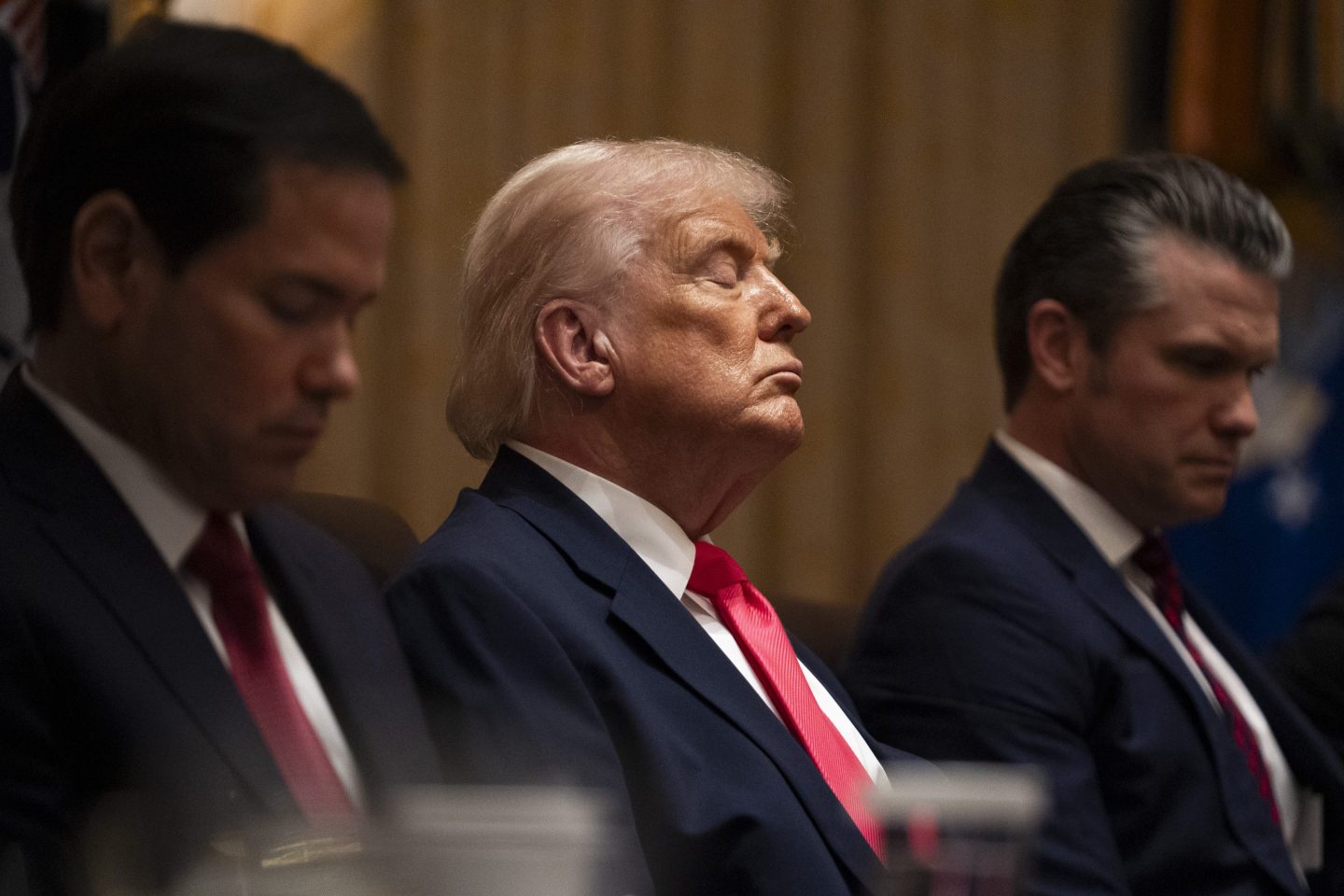
Hillary Clinton, Joe Biden, Donald Trump and Bernie Sanders are all either in or heading into their 70s. Despite the fact that each of these leaders have passed the point at which most Americans retire, no one seems concerned that age could prevent any of them from performing the world’s most demanding job. And just looking at the candidates, they are more energized than ever, more determined to be on the center stage, and have a lot to offer. The attitude with which voters have greeted the prospect of a septuagenarian, first-term president speaks to a profound shift underway in how Americans think about, prepare for and carry out their life’s work. It seems normal, accepted and understood that 70 might just be the new 50.
According to a government report released just last year, life expectancy in the U.S. has reached an all-time high, a trend that is likely to continue as healthcare expands and new medicines and technologies allow us to live longer and better than ever before. Not only are people living longer, they are also working longer. From 1999 to 2010, the number of 65 to 69 year olds still working increased by 50%.
There are many reasons for this. One reason may be because the financial crisis took a toll on the balance sheets of millions of Americans, depleting their 401(k) investment portfolios and delaying their retirement, in many cases by five years or more. Another reason may be that millions more Americans find themselves ready, willing and able to stay in the workplace beyond the traditional retirement milestone. Regardless of the underlying cause, the fact of the matter is that American views on work have evolved, and this should spark an important discussion about the current state of our economy, our job culture and what companies need to do to prepare for the future of working in America.
What does this mean for business?
The data show that many businesses aren’t prepared. Recent polling suggests that more than half of American companies don’t have a game plan when it comes to supporting an aging workforce. And 27% of businesses say they don’t have resources available to even begin asking their employees about their retirement intentions. Current economic, health and cultural trends will result in people delaying retirement much longer in the decades to come. The implications for American companies — on budget, business and overall competitiveness — will be profound.
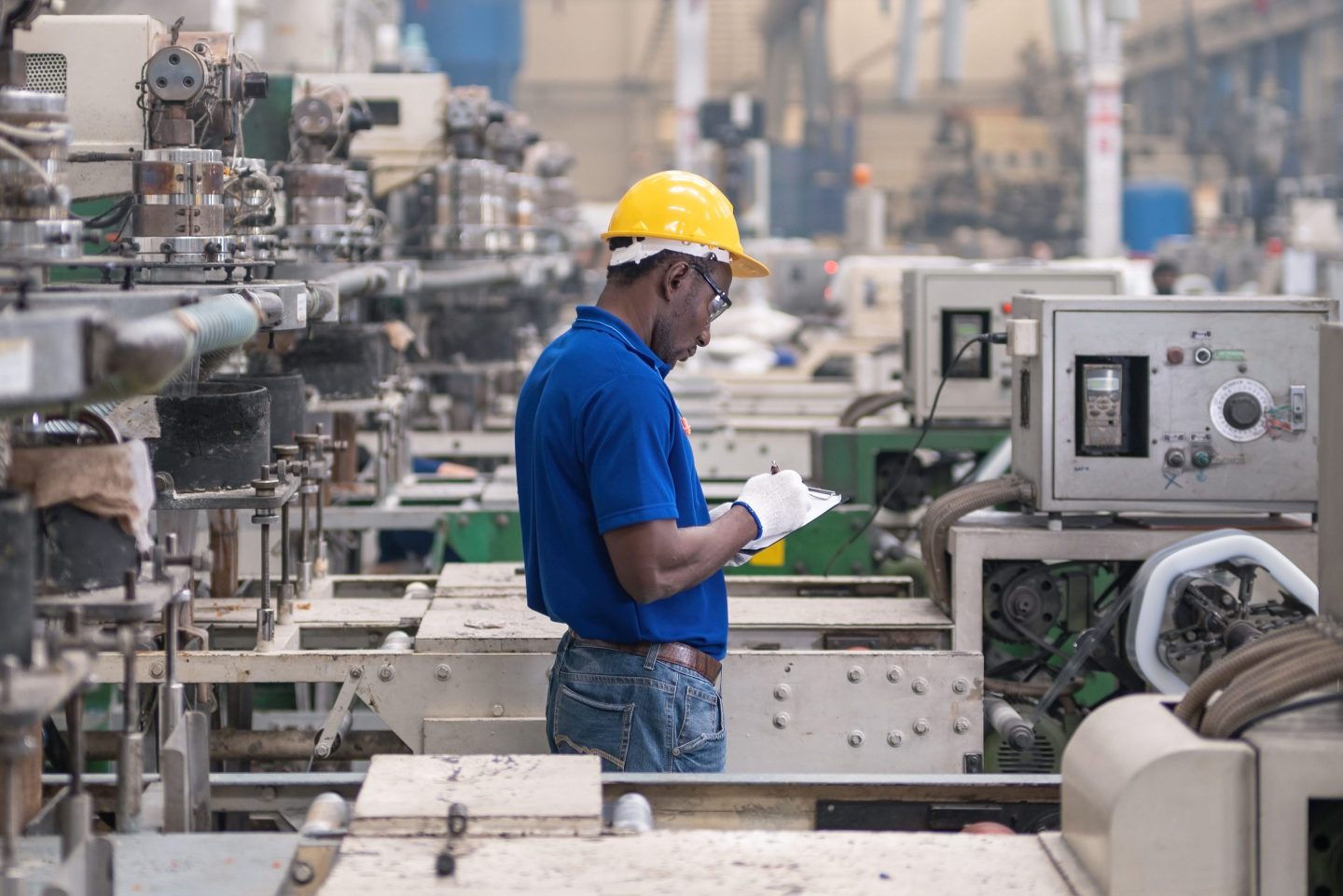
These trends are already clear to see. Think about the way Americans work today. New and different types of work are slowly surpassing those familiar to previous generations. In fact, the fastest growing industries in the U.S. this year involve healthcare, software, technology and other high-skill services. These professions involve less physical labor than the high-growth jobs of generations past, and is one reason workers will stay in their jobs for much longer going forward.
Our fundamental understanding of “having a job” has shifted too. Remote work is becoming a norm within many industries. Freelancing is stronger than ever, and flexible work schedules are quickly transplanting the traditional 9-to-5 workday. All of this is exciting, but it also means that U.S. companies need to be prepared to address the new skills needed and the increasingly flexible situation demanded by today’s workforce — not only for the benefit of workers nearing retirement age, but also for the generations following in their footsteps.
It is time for companies to rethink the meaning of the word “retirement” altogether. As career paths become more flexible and fluid over the course of Americans’ lifetimes, tomorrow’s “retirement” may not mean what it used to. For many, leaving a career at 65 will mean changing working patterns — like taking reduced hours or shifting into a more flexible, contractual role with a firm — as opposed to a hard stop in activity. It might also mean contributing in ways outside of the workplace altogether, like becoming involved in volunteer service, leading church or nonprofit groups, or using skills and experience to mentor students and young professionals. As our outlook on age, work and careers continues to shift, now is the time for companies to start planning for the changing nature of work in this country.
Businesses can consider rewards and financial mechanisms, like looking at pay for performance policies and aligning bonuses to age-neutral capabilities. They can also adapt to career breaks and employees who have intermittent career patterns — those who opt to start and stop periods of work due to major life events like starting a family, going back to school, or other personal choices, for example. This will require companies to think critically about job design and career progression patterns that not only create a supportive and healthy work environment for all employees, but also ensure a comfortable retirement for those who have earned it. More importantly, companies that plan now will provide something even more well deserved and increasingly coveted by American workers: freedom to work or retire with financial security.
While the age of the candidates may not be making headlines, the conversation about our changing work culture and what it means for American companies should be front and center this election season. The world in which we work is changing rapidly. Businesses, policymakers and workers themselves — whether Boomer, Gen X-er, or millennial — need to adapt to this evolving reality.
The future of work in America is upon us, and the time to start planning is now.
Julio A. Portalatin is president and CEO of Mercer, a leading global consulting firm that helps clients around the world advance the health, wealth and careers of their most vital asset — their people.