Passwords are easy to break and easy to forget. Smartphones, tablets and other mobile gadgets are easy to steal.
That’s why embedding tighter security into mobile devices through both biometrics and software to separate employees’ personal and professional lives is a key theme this week at the Mobile World Conference—with the likes of Intel, Qualcomm, BlackBerry, and upstart Blackphone leading the way.
Qualcomm, for example, is devising a way for fingerprints to be read through glass, plastic and metal using ultrasonics. That makes them harder to counterfeit, plus its approach could even be used to set different access levels for different applications.
Intel’s approach called TrueKey uses a device’s camera to create a two-step form of authentication that involves facial recognition. That’s especially useful when someone is outside wearing gloves or using their hands for some other task. Fujitsu is experimenting with similar biometrics.
All of these technologies should be on the market commercially this year; Intel will be the first mover.
Also worth serious consideration is BlackBerry’s plan to release versions of its highly respected security and management software for smartphones from its major competitors. After all, this is the reason its smartphone used to be wildly popular and why you still seem the used in sensitive industries such as financial services.
“I figured there was really a hidden gem and that we could build a good book of business,” Blackberry CEO John Chen told reporters in Barcelona. “People are still very much in love with our software capabilities and our robustness and our privacy and security” strengths, he said. “It all validated my idea that we should make our know-how there into a business.”
Blackphone has built an entire company on developing tablets and smartphones that prioritize privacy. Along with its partner Silent Circle, it is talking up a new model that will allow users to create “spaces” that have different security levels. Your texting apps, for example, might include automatic encryption while games might be handled differently.
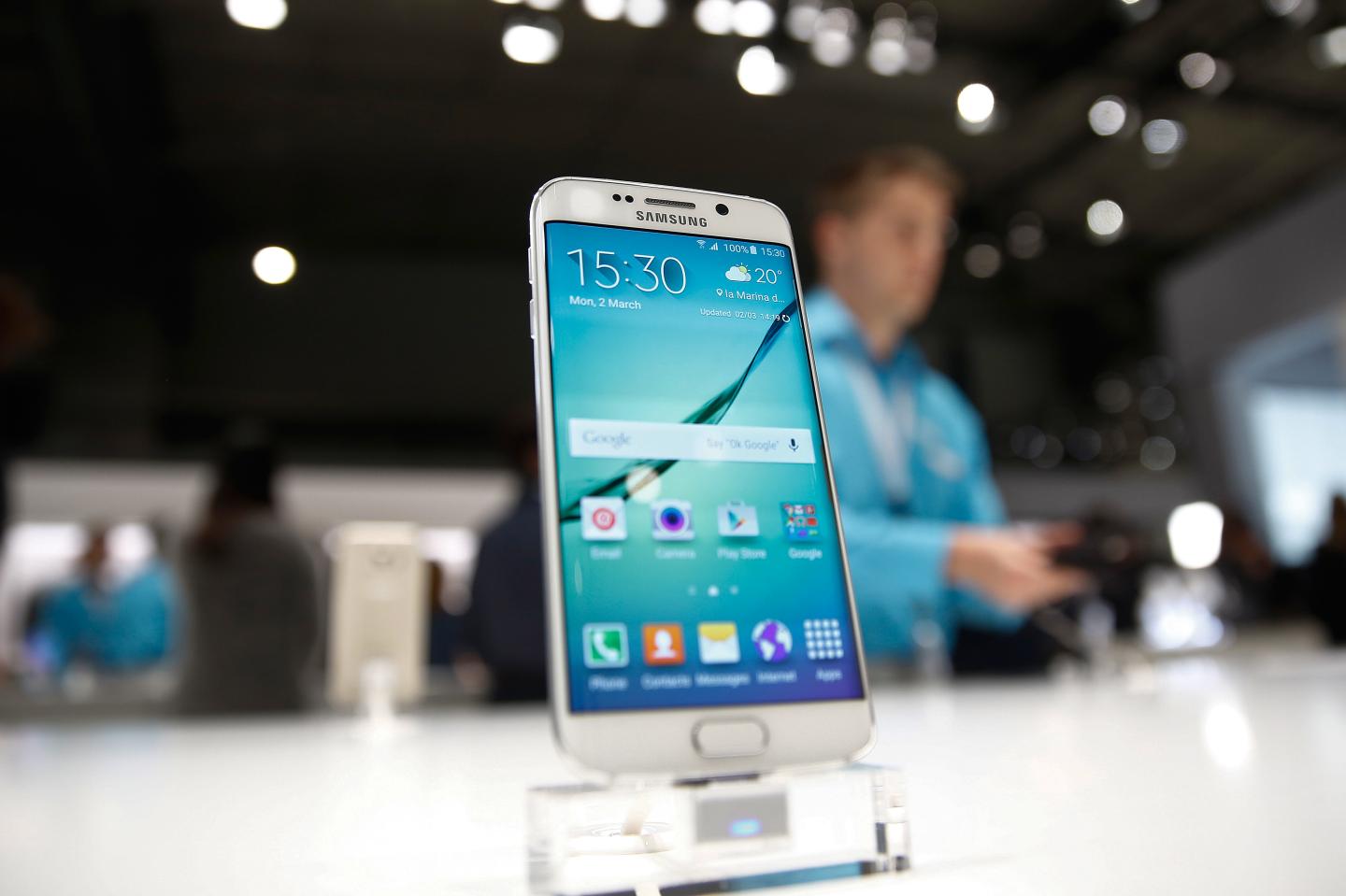
Samsung’s new Galaxy S6 includes a similar feature, another signal that vendors intend to address mobile security proactively. The high-level benefit: it becomes far easier to segregate personal and professional information on a single device you probably use in both lives.
Sign up for Data Sheet, Heather’s daily newsletter about the business of technology.