• Home
  • News
  • Fortune 500
  • Tech
  • Finance
  • Leadership
  • Lifestyle
  • Rankings
  • Multimedia
Features

Why e-tailers in Scandanavia don’t sell in Schenectady

By
Rachel Sugar
Rachel Sugar
and
Anne VanderMey
Anne VanderMey
Down Arrow Button Icon
By
Rachel Sugar
Rachel Sugar
and
Anne VanderMey
Anne VanderMey
Down Arrow Button Icon
August 20, 2014, 8:18 PM ET

In the physical world, our purchasing is limited by our geographic circumstances. In the digital world, we are unbound from the shackles of geography. The world is flat, we’ve been told: anyone with an Internet connection and a credit card can get anything at (almost) any time. Ordering online is the great equalizer—if you want artisanal coffee or extra-narrow shoes or a fisherman’s sweater hand-knit by a Danish craftsperson, you can get it with the click of a button. The Internet turns the world into a global all-access shopping mall: whether you’re ordering from Iowa City or New York City, the options are the same.

But even though we can get anything from anywhere, we don’t. Consider something as seemingly personal as brand preference. In study after study, blind taste test after blind taste test, most consumer food brands are shown to be virtually indistinguishable in terms of flavor. Research shows that even rabid fans, people who feel very, very strongly that Pepsi is too sweet and Coke is the drink of champions don’t have a preference when their are eyes closed. So where does the loyalty come from?

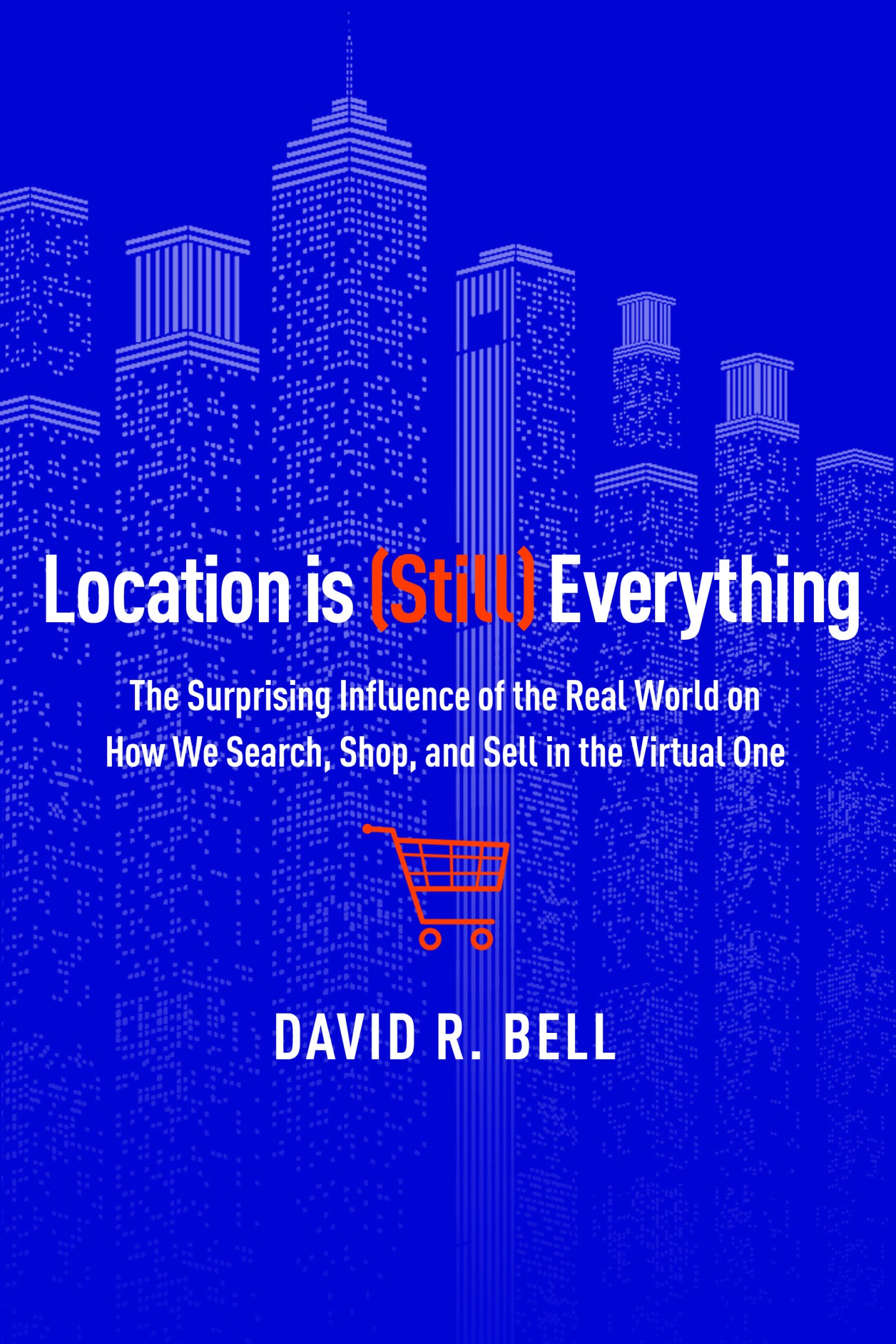
Your preferences, it turns out, are written in your zip code. In his latest book, Location Is (Still) Everything: The Surprising Influence of the Real World on How We Search, Shop, and Sell in the Virtual One, Wharton marketing professor David Bell trots out a laundry list of convincing evidence that today, despite all the world-is-flat hype, where we live still dictates our buying patterns. It’s a welcome addition to a conversation that seems to ignore the fact that even in today’s hyper-connected age, only a projected 9% of retail transactions will happen online by the end of 2014, according to Forrester Research—and even those purchases are shaped by the physical world around them.

Witness the location-dependent first-mover affect at work: leading brands have the largest market share in the region where they were first introduced. That means San Franciscans go for Folgers (established in San Francisco, 1872) but further east, people tend to sip Maxwell House (founded in Nashville, 1892). And there’s more: if you move from Folgers-dominant San Francisco to, say, Boston—decidedly Maxwell House turf—your brand preference, too, is likely to change. Sixty percent of that shift happens almost immediately. But the rest takes decades. The ghost of Folgers lingers on.

Even Amazon, legendary pioneer of the new and supposedly democratic American shopping experience sees variation based on physical location. When a new Barnes and Noble opens, Bell’s data shows that Amazon.com starts to lose sales in that zip code. Predictable—but here’s the wrinkle: Amazon sales decline only on the most popular items. For niche items, online retailers win every time. Unlimited by the confines of physical space, Amazon can cater to highly specialized markets. (It is worth noting that Amazon owns the imprint that published this book, too.) What you can access in the real word dictates what you will access in the digital world.

Fans of niche items don’t exist in a vacuum, though. Who your neighbors are—and what your neighbors do, think, and buy—influences your own behavior. Ideas spread through neighborhoods. If a guy down the street raves about a restaurant, that information is useful to you: he lives where you do. His circumstances are likely similar; you’re likely to share taste preferences, Bell points out. His recommendation affects you. Likely, you’ll try the restaurant.

The same phenomenon works online. If your co-worker orders a package from Soap.com to the office, Soap.com is now on your radar. It’s no accident Soap.com packages their orders in distinctive, brightly colored boxes printed with the brand name in prominent white letters. (It’s also no accident that they encourage customers to get their deliveries at the office.) “Proximity,” Bell writes, “powers demand.” You’re more likely to buy what the people near you are buying.

And the imprint of the physical world on the digital one doesn’t stop with Amazon and Soap.com—looking at the world through Bell’s lens, one begins to wonder if there’s any possible way to interact with the web that is not location-sensitive. Many of the most successful startups, for example—Facebook, Yelp, Foursquare, Whisper, AirBNB, the list goes on—have a huge local component; for the moment, at least, we’re still products of space and time. E-tailers would be wise to keep this in mind. It’s a global world, but just because we can our buy coffee from across the country, doesn’t mean we will.

About the Authors
By Rachel Sugar
See full bioRight Arrow Button Icon
By Anne VanderMey
See full bioRight Arrow Button Icon

Latest in Features

FeaturesThe Boring Company
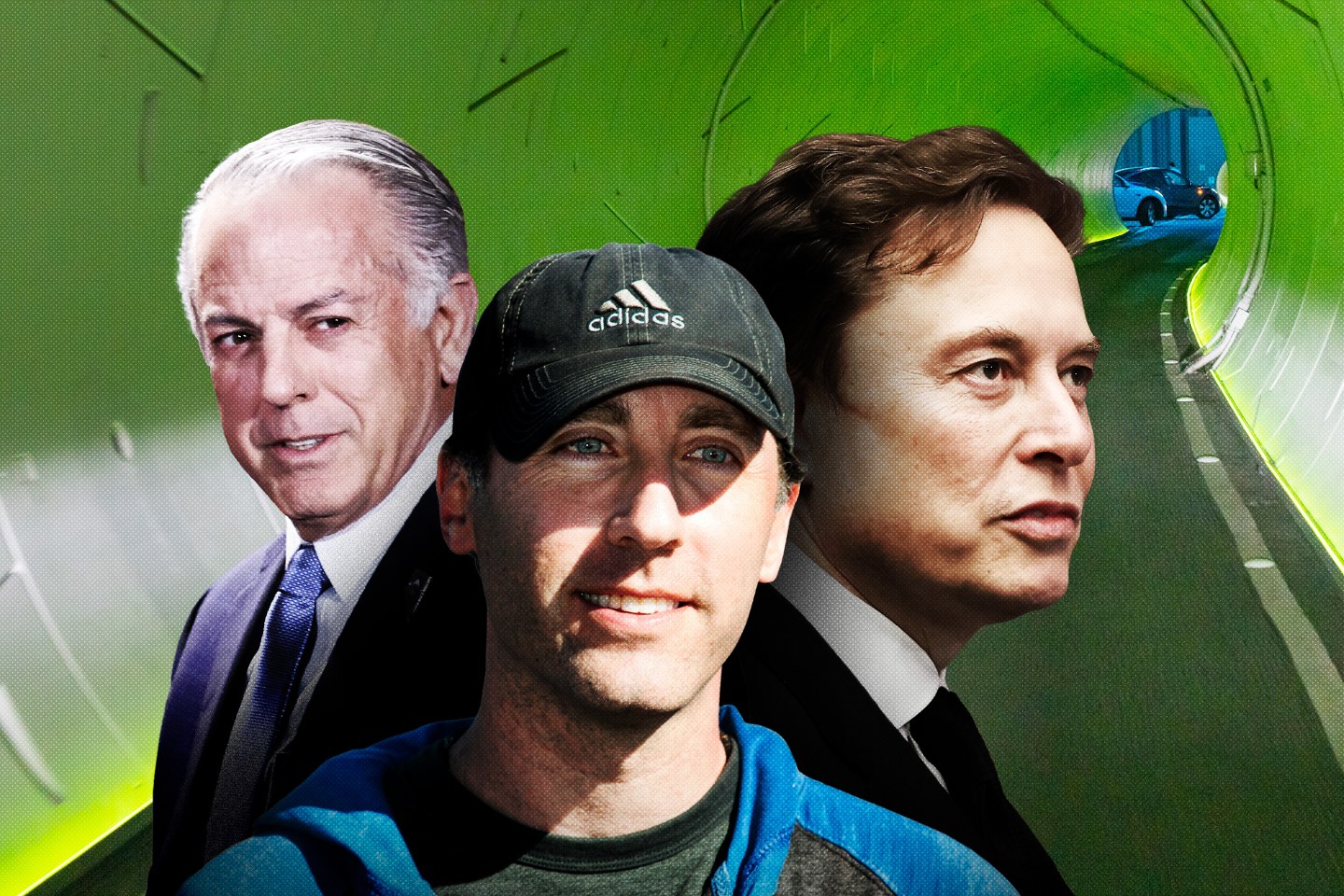
Two firefighters suffered chemical burns in a Boring Co. tunnel. Then the Nevada Governor’s office got involved, and the penalties disappeared
By Jessica Mathews and Leo SchwartzNovember 12, 2025
22 days ago
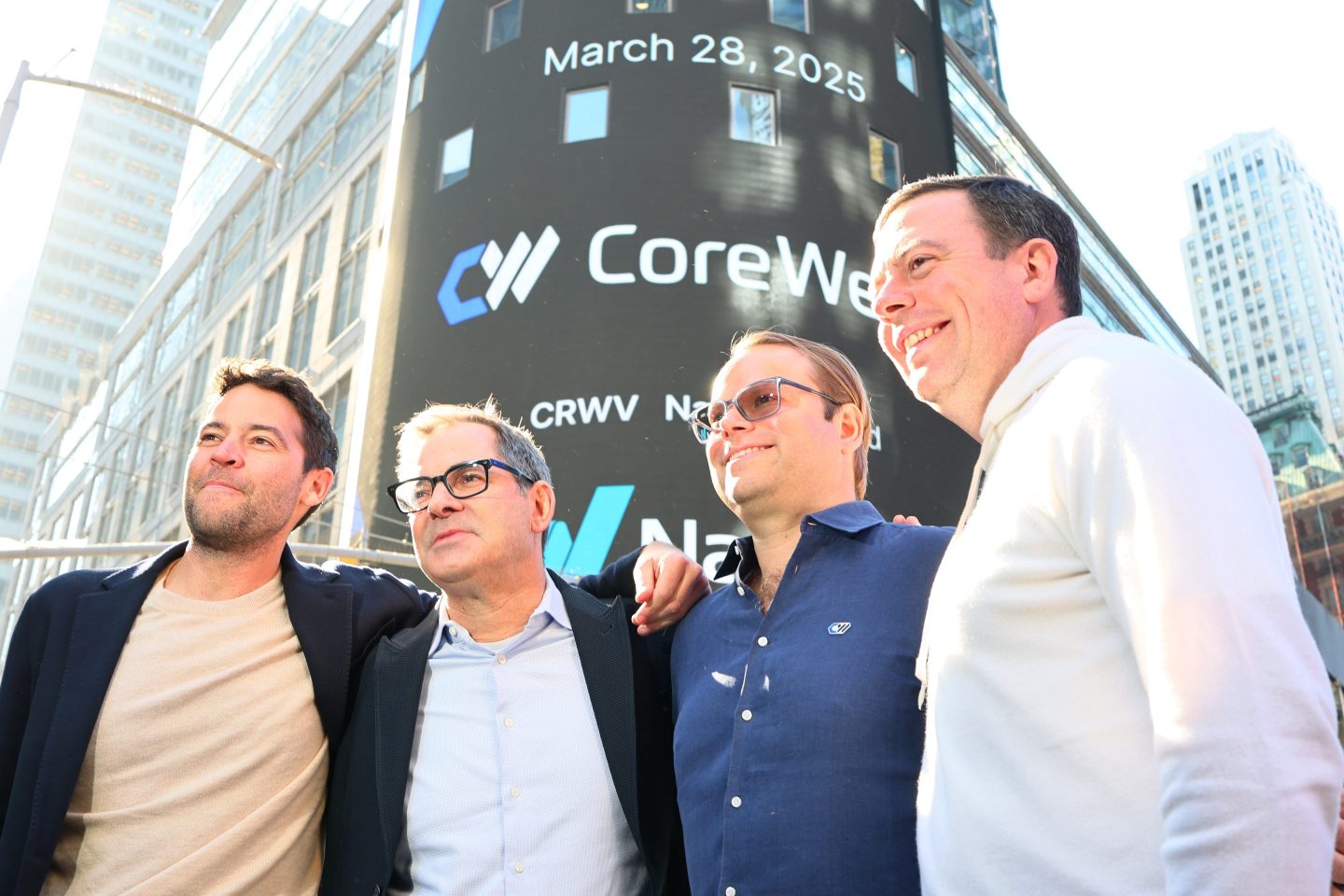
CoreWeave executives pose in front of the Nasdaq building on the day of the company's IPO.
AIData centers
Data-center operator CoreWeave is a stock-market darling. Bears see its finances as emblematic of an AI infrastructure bubble
By Jeremy Kahn and Leo SchwartzNovember 8, 2025
27 days ago
Libery Energy's hydraulic fracturing, or frac, spreads are increasingly electrified with natural gas power, a technology now translating to powering data centers.
Energy
AI’s insatiable need for power is driving an unexpected boom in oil-fracking company stocks 
By Jordan BlumOctober 23, 2025
1 month ago
Politics
Huge AI data centers are turning local elections into fights over the future of energy
By Sharon GoldmanOctober 22, 2025
1 month ago
A plane carrying Donald Trump Jr. arrives in January in Nuuk, Greenland, where he is making a short private visit after his father, President Trump, suggested Washington annex the autonomous Danish territory.
EnergyGreenland
A Texas company plans to drill for oil in Greenland despite a climate change ban and Trump’s desire to annex the territory
By Jordan BlumOctober 22, 2025
1 month ago
Three of the founders of Multiverse Computing.
AIChange the World
From WhatsApp friends to a $500 million–plus valuation: These founders argue their tiny AI models are better for customers and the planet
By Vivienne WaltOctober 9, 2025
2 months ago

Most Popular

placeholder alt text
Economy
Two months into the new fiscal year and the U.S. government is already spending more than $10 billion a week servicing national debt
By Eleanor PringleDecember 4, 2025
15 hours ago
placeholder alt text
Success
‘Godfather of AI’ says Bill Gates and Elon Musk are right about the future of work—but he predicts mass unemployment is on its way
By Preston ForeDecember 4, 2025
10 hours ago
placeholder alt text
North America
Jeff Bezos and Lauren Sánchez Bezos commit $102.5 million to organizations combating homelessness across the U.S.: ‘This is just the beginning’
By Sydney LakeDecember 2, 2025
2 days ago
placeholder alt text
Health
Bill Gates decries ‘significant reversal in child deaths’ as nearly 5 million kids will die before they turn 5 this year
By Nick LichtenbergDecember 4, 2025
21 hours ago
placeholder alt text
Economy
Ford workers told their CEO 'none of the young people want to work here.' So Jim Farley took a page out of the founder's playbook
By Sasha RogelbergNovember 28, 2025
6 days ago
placeholder alt text
Success
Nearly 4 million new manufacturing jobs are coming to America as boomers retire—but it's the one trade job Gen Z doesn't want
By Emma BurleighDecember 4, 2025
11 hours ago
Rankings
  • 100 Best Companies
  • Fortune 500
  • Global 500
  • Fortune 500 Europe
  • Most Powerful Women
  • Future 50
  • World’s Most Admired Companies
  • See All Rankings
Sections
  • Finance
  • Leadership
  • Success
  • Tech
  • Asia
  • Europe
  • Environment
  • Fortune Crypto
  • Health
  • Retail
  • Lifestyle
  • Politics
  • Newsletters
  • Magazine
  • Features
  • Commentary
  • Mpw
  • CEO Initiative
  • Conferences
  • Personal Finance
  • Education
Customer Support
  • Frequently Asked Questions
  • Customer Service Portal
  • Privacy Policy
  • Terms Of Use
  • Single Issues For Purchase
  • International Print
Commercial Services
  • Advertising
  • Fortune Brand Studio
  • Fortune Analytics
  • Fortune Conferences
  • Business Development
About Us
  • About Us
  • Editorial Calendar
  • Press Center
  • Work At Fortune
  • Diversity And Inclusion
  • Terms And Conditions
  • Site Map

© 2025 Fortune Media IP Limited. All Rights Reserved. Use of this site constitutes acceptance of our Terms of Use and Privacy Policy | CA Notice at Collection and Privacy Notice | Do Not Sell/Share My Personal Information
FORTUNE is a trademark of Fortune Media IP Limited, registered in the U.S. and other countries. FORTUNE may receive compensation for some links to products and services on this website. Offers may be subject to change without notice.