• Home
  • Latest
  • Fortune 500
  • Finance
  • Tech
  • Leadership
  • Lifestyle
  • Rankings
  • Multimedia

Why the era of global free-trade is dwindling

By
Chris Matthews
Chris Matthews
Down Arrow Button Icon
By
Chris Matthews
Chris Matthews
Down Arrow Button Icon
July 24, 2014, 12:03 PM ET
GERMANY-DENMARK-SKOREA-CARGO-SHIP-MAERSK
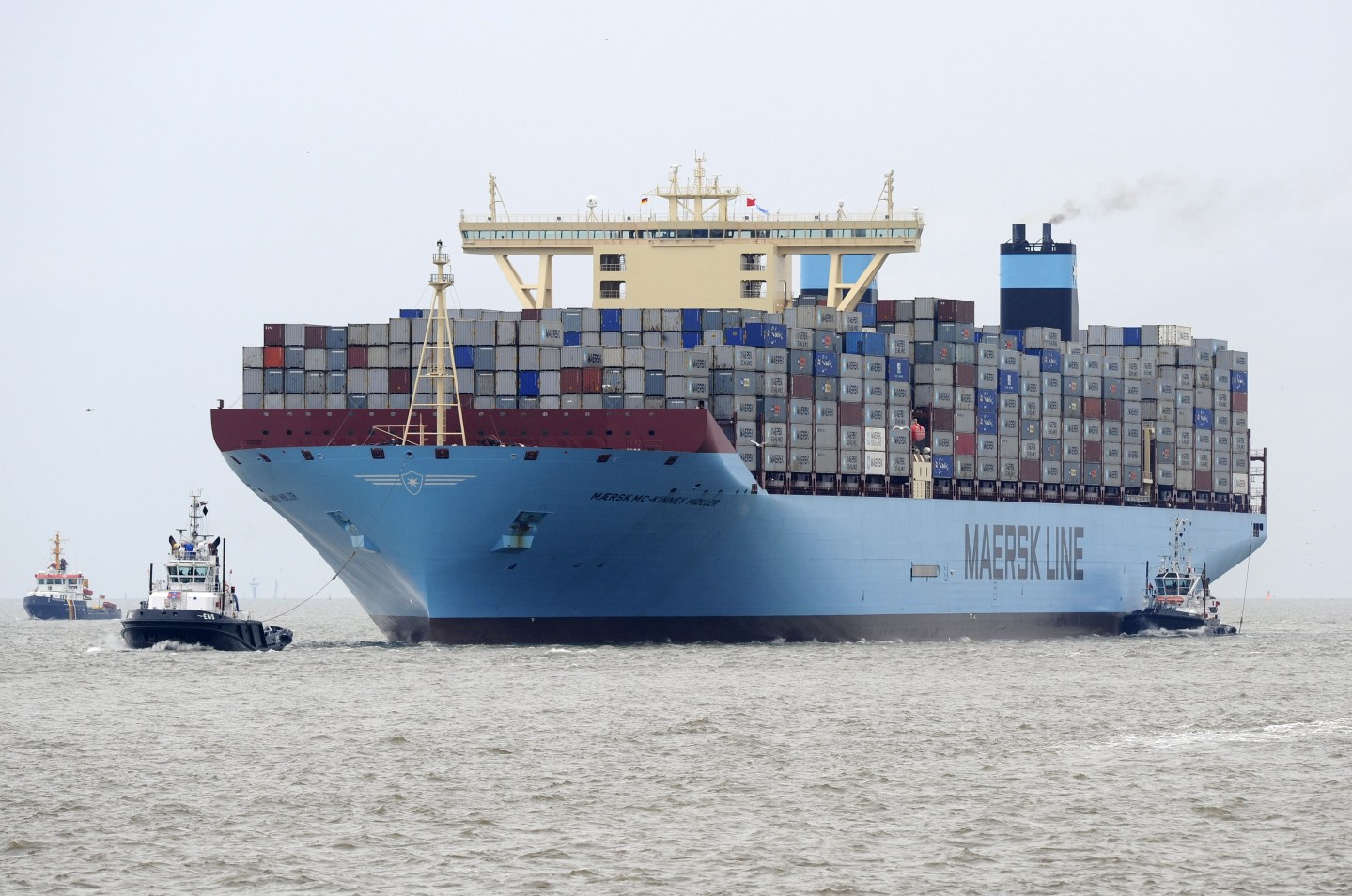
The "Maersk Mc-Kinney Moller" container ship arrives on August 18, 2013 at the container terminal in Bremerhaven, northwestern Germany, during its maiden trip.Photo: Ingo Wagner/AFP/Getty Images

It looks like the wheels might be coming off the global free-trade bandwagon.

For roughly 30 years, there had been growing momentum for nations to tear down trade barriers through free-trade agreements. The creation of free-trade blocs snowballed as countries signed on to these pacts to promote export-led economic growth.

Not that the passage of an FTA is ever easy. Harmonizing trade policy between two or more countries involves overcoming sometimes vast cultural differences and defeating the efforts of not just one, but many special interests. That’s why the U.S. Congress developed the strategy of voting for “fast track” status of trade agreements. By approving fast track, Congress commits to submit the deal, as negotiated by the U.S. Trade Representative, to an up-or-down vote, rather than haggling over the details and likely killing the agreement altogether.

But it’s looking like Democrats in Congress will not approve fast track authority for the Trans-Pacific Partnership FTA, which would strike down trade barriers between the U.S. and 11 other countries across the Pacific region, including Australia, Vietnam, and Japan. The stakes are high for some of the Democratic Party’s biggest constituents, namely labor unions, who see the spread of free-trade agreements as a main cause of stagnant wages and job losses in sectors like manufacturing. Despite a full-throated endorsement of the agreement during President Obama’s state of the union address, top Democrats in Congress have come out against it, including Senate Majority Leader Harry Reid, who has said he won’t even permit it to come to a vote.

Ironically, a Republican takeover of the Senate in November could deliver good news for one of President Obama’s key second-term initiatives. But while support for the TPP FTA remains strong among elected Republicans, there are signs that support is eroding among voters and anti-establishment, Tea Party conservatives. Many Tea Party Republicans are aiming their anti-intellectual, anti-establishment fervor at free trade agreements, arguing that they cost jobs and are less about reducing government regulation than they are about molding government to benefit special interests.

The Alliance for American Manufacturing, which has long been skeptical of FTAs, released a poll Wednesday showing that sizable majorities of both Republicans and Democrats favor policies that “protect American manufacturing jobs,” over giving “Americans access to more products.”

To be sure, the poll’s language is biased, as proponents of FTAs would argue that such agreements don’t destroy jobs but instead support American employment while increasing access to better and—perhaps most importantly—cheaper products. That being said, other polls suggest that American support for free-trade decreased during the recession, and though it has recovered somewhat during the recovery, the public remains split on whether free trade is a benefit or detriment to the economy.

Meanwhile, even though economists are nearly unanimous in their support of the concept of free trade, there are arguments that the way in which the U.S. and other countries are pursuing free trade—through individual deals with one or a group of countries rather than establishing widely applicable rules through the World Trade Organization—is counterproductive. Economists like Anne Kreuger and Jagdish Bhagwati have argued that the U.S. should work toward a more inclusive, global trade regime that leads to more trade overall, rather than just diverting trade towards partnerships with agreements.

Discussions surrounding the Trans-Pacific Partnership FTA have not focused on currency manipulation, a stumbling block that has prevented support for fast track approval of the agreement. But monetary policy, here in the U.S. and abroad, isn’t the purview of trade negotiators. Central banks manage currency because the effects of monetary policy affect far more than trade. And TPP participants like Malaysia and Japan, which have been labeled currency manipulators by economists, engage in such manipulative behavior for reasons that go beyond trade matters.

Japan, for instance, has engaged in QE-like bond buying that some have called manipulative. But at the same time, the country is also facing the threat of deflation, which can be combated with aggressive bond buying. A developing country like Malaysia, on the other hand, can justify its purchase of dollars by arguing that events like the Asian financial crisis of the 1990s have shown that it needs to maintain a large pool of dollar reserves to ride out economic crises.

In some ways, the dollar-based global financial system puts the U.S. at a trade disadvantage. Global demand for dollars has only increased since the financial crisis, as the currency is viewed as the only safe asset foreign central banks can amass to protect themselves from shocks. It’s unlikely that our trading partners would give up this safety net, even for the prospect of greater trade. And with many Americans skeptical of the benefits of free-trade agreements, the future of global free-trade is not looking so bright.


About the Author
By Chris Matthews
See full bioRight Arrow Button Icon

Latest in International

Finance
Lorem ipsum dolor sit amet, consectetur adipiscing elit, sed do eiusmod tempor incididunt ut labore et dolore magna aliqua. Ut enim ad minim veniam
By Fortune Editors
October 20, 2025
Finance
Lorem ipsum dolor sit amet, consectetur adipiscing elit, sed do eiusmod tempor incididunt ut labore et dolore magna aliqua. Ut enim ad minim veniam
By Fortune Editors
October 20, 2025
Finance
Lorem ipsum dolor sit amet, consectetur adipiscing elit, sed do eiusmod tempor incididunt ut labore et dolore magna aliqua. Ut enim ad minim veniam
By Fortune Editors
October 20, 2025
Finance
Lorem ipsum dolor sit amet, consectetur adipiscing elit, sed do eiusmod tempor incididunt ut labore et dolore magna aliqua. Ut enim ad minim veniam
By Fortune Editors
October 20, 2025
Finance
Lorem ipsum dolor sit amet, consectetur adipiscing elit, sed do eiusmod tempor incididunt ut labore et dolore magna aliqua. Ut enim ad minim veniam
By Fortune Editors
October 20, 2025
Finance
Lorem ipsum dolor sit amet, consectetur adipiscing elit, sed do eiusmod tempor incididunt ut labore et dolore magna aliqua. Ut enim ad minim veniam
By Fortune Editors
October 20, 2025

Most Popular

Finance
Lorem ipsum dolor sit amet, consectetur adipiscing elit, sed do eiusmod tempor incididunt ut labore et dolore magna aliqua. Ut enim ad minim veniam
By Fortune Editors
October 20, 2025
Finance
Lorem ipsum dolor sit amet, consectetur adipiscing elit, sed do eiusmod tempor incididunt ut labore et dolore magna aliqua. Ut enim ad minim veniam
By Fortune Editors
October 20, 2025
Finance
Lorem ipsum dolor sit amet, consectetur adipiscing elit, sed do eiusmod tempor incididunt ut labore et dolore magna aliqua. Ut enim ad minim veniam
By Fortune Editors
October 20, 2025
Finance
Lorem ipsum dolor sit amet, consectetur adipiscing elit, sed do eiusmod tempor incididunt ut labore et dolore magna aliqua. Ut enim ad minim veniam
By Fortune Editors
October 20, 2025
Finance
Lorem ipsum dolor sit amet, consectetur adipiscing elit, sed do eiusmod tempor incididunt ut labore et dolore magna aliqua. Ut enim ad minim veniam
By Fortune Editors
October 20, 2025
Finance
Lorem ipsum dolor sit amet, consectetur adipiscing elit, sed do eiusmod tempor incididunt ut labore et dolore magna aliqua. Ut enim ad minim veniam
By Fortune Editors
October 20, 2025
Fortune Secondary Logo
Rankings
  • 100 Best Companies
  • Fortune 500
  • Global 500
  • Fortune 500 Europe
  • Most Powerful Women
  • Future 50
  • World’s Most Admired Companies
  • See All Rankings
Sections
  • Finance
  • Fortune Crypto
  • Features
  • Leadership
  • Health
  • Commentary
  • Success
  • Retail
  • Mpw
  • Tech
  • Lifestyle
  • CEO Initiative
  • Asia
  • Politics
  • Conferences
  • Europe
  • Newsletters
  • Personal Finance
  • Environment
  • Magazine
  • Education
Customer Support
  • Frequently Asked Questions
  • Customer Service Portal
  • Privacy Policy
  • Terms Of Use
  • Single Issues For Purchase
  • International Print
Commercial Services
  • Advertising
  • Fortune Brand Studio
  • Fortune Analytics
  • Fortune Conferences
  • Business Development
  • Group Subscriptions
About Us
  • About Us
  • Editorial Calendar
  • Press Center
  • Work At Fortune
  • Diversity And Inclusion
  • Terms And Conditions
  • Site Map
  • About Us
  • Editorial Calendar
  • Press Center
  • Work At Fortune
  • Diversity And Inclusion
  • Terms And Conditions
  • Site Map
  • Facebook icon
  • Twitter icon
  • LinkedIn icon
  • Instagram icon
  • Pinterest icon

Most Popular

Mark Cuban admits he made a mistake letting go of the Mavericks: 'I don't regret selling. I regret who I sold to'
Investing
Mark Cuban admits he made a mistake letting go of the Mavericks: 'I don't regret selling. I regret who I sold to'
By Fortune EditorsApril 9, 2026
2 days ago
Scottie Scheffler joined Tiger Woods and Rory McIlroy in golf's $100M club—and donated his entire Ryder Cup stipend to charity
Success
Scottie Scheffler joined Tiger Woods and Rory McIlroy in golf's $100M club—and donated his entire Ryder Cup stipend to charity
By Fortune EditorsApril 10, 2026
16 hours ago
Schools across America are quietly admitting that screens in classrooms made students worse off and are reversing years of tech-first policies
Innovation
Schools across America are quietly admitting that screens in classrooms made students worse off and are reversing years of tech-first policies
By Fortune EditorsApril 10, 2026
1 day ago
The U.S. government is spending $88 billion a month in interest on national debt—equal to spending on defense and education combined
Economy
The U.S. government is spending $88 billion a month in interest on national debt—equal to spending on defense and education combined
By Fortune EditorsApril 9, 2026
2 days ago
A Meta employee created a dashboard so coworkers can compete to be the company's No. 1 AI token user—and Zuckerberg doesn't even rank in the top 250
AI
A Meta employee created a dashboard so coworkers can compete to be the company's No. 1 AI token user—and Zuckerberg doesn't even rank in the top 250
By Fortune EditorsApril 9, 2026
2 days ago
The Navy confirmed an ‘abundant amount’ of Uncrustables when the Artemis II crew lands. Smucker’s just offered them a lifetime supply
Politics
The Navy confirmed an ‘abundant amount’ of Uncrustables when the Artemis II crew lands. Smucker’s just offered them a lifetime supply
By Fortune EditorsApril 10, 2026
10 hours ago

© 2026 Fortune Media IP Limited. All Rights Reserved. Use of this site constitutes acceptance of our Terms of Use and Privacy Policy | CA Notice at Collection and Privacy Notice | Do Not Sell/Share My Personal Information
FORTUNE is a trademark of Fortune Media IP Limited, registered in the U.S. and other countries. FORTUNE may receive compensation for some links to products and services on this website. Offers may be subject to change without notice.



