• Home
  • Latest
  • Fortune 500
  • Finance
  • Tech
  • Leadership
  • Lifestyle
  • Rankings
  • Multimedia

China’s environment: An economic death sentence

By
Minxin Pei
Minxin Pei
Down Arrow Button Icon
By
Minxin Pei
Minxin Pei
Down Arrow Button Icon
January 28, 2013, 9:25 AM ET

FORTUNE — For a long time, environmental activists, economists, and China scholars have warned about the coming environmental disaster in China. Such a catastrophe finally appeared in the most dramatic form in mid-January, when a thick layer of poisonous pollutants smothered much of northern China and made air in Beijing hazardous to breathe.

For the Chinese government, this was merely one of many wake-up calls. The question on everyone’s mind is whether Beijing will finally muster the political will to implement policies to avert an ecological calamity that will almost certainly spell the end of the Chinese economic miracle and potentially lead to the fall of the Communist Party itself.

Judging by the numbers, the scope of China’s environmental degradation is beyond shocking.  Consider:

  • The World Bank estimated, in a 2007 report, that pollution caused 5.8% of China’s GDP in premature deaths, health care costs, and material damages. Air pollution alone is estimated to kill 700,000 people a year.
  • A 2012 MIT study estimated that air pollution in 2005 cost the Chinese economy $112 billion in lost labor and healthcare costs, roughly five times higher than it was in 1975.
  • In 2010, airborne microscopic pollutants caused an estimated 8,600 premature deaths in four major Chinese cities: Beijing, Shanghai, Guangzhou, and Xian.
  • According to a Chinese vice minister of environmental protection, the water quality in five of the nine bays along China’s coast was “extremely poor.” Results from monitoring stations along 10 major river basins show that 40% of the water is polluted. And 55% of the underground water in 200 cities is polluted. On top of that, about 300 million rural residents do not have access to safe drinking water.
  • Soil pollution is endangering China’s food chain. Roughly 10% of the country’s arable land has been contaminated by heavy metal, based on scientific studies conducted in the late 1990s. In 2006, the Chinese government began a nationwide survey of soil pollution. However, it has not released the results, most probably because the findings are too alarming for the government to release.

MORE: Inside MBA admissions: How a top school decides

Given decades of environmental neglect and China’s heavy reliance on coal — which produces 70% of the country’s energy — it would be difficult to produce a dramatic improvement quickly. Nevertheless, the Chinese government can take a comprehensive approach to environmental protection by adopting tougher environmental standards, changing their economic policy, increasing investment in the environment, and mobilizing the press and civil society to take part in these efforts.

Retrofitting the country’s coal-fired power plants with modern pollution control technology should cut down the emission of harmful particulates significantly. Adopting a higher clean-fuel standard for cars and other vehicles, which now contribute to the bulk of urban pollution, will almost certainly make a difference. Gasoline and diesel used in Chinese have much higher sulfur content than the fuel used in the West. And if authorities in China took enforcement of existing environmental regulations more seriously, they could also make a huge impact, as local authorities and Chinese companies routinely violate such rules to cut costs.

China also needs to shift its economy away from energy-intensive sectors, like the country’s fast-growing, mammoth steel industry, and toward more energy-efficient, high-tech, and service industries. Today, China produces 720 million tons of steel a year (46% of the world’s total), consuming hundreds of millions of tons of coal and discharging massive quantities of pollutants in the process. Another example is China’s automobile industry. After years of spectacular growth, China now has the world’s second-largest automobile sector (after the United States). The number of motor vehicles on Chinese roads is close to 230 million (including 110 million passenger cars). A slimming-down of these high-energy industries will likely yield another measurable improvement in China’s environment. Of course, China will bear significant transition costs with factory closures and job losses in these industries, but such restructuring can help expand labor-intensive and greener sectors, such as health care, tourism, and professional services.

China also needs to step up its investment in its environment. At the moment, China spends $91 billion a year, or 1.3% of GDP, on environmental protection. This is far from adequate. To remedy the consequences of past under-investment, experts believe China needs to spend 2-4% of GDP on its environment.

Unfortunately, these policy improvements — strict enforcement of environmental standards, a shift in industrial policy, and an increase in environmental spending — will not make a fundamental difference unless and until the Chinese government becomes more forthcoming and transparent and allows the media and civil society to play a far more active role in environmental stewardship. A sad and well-known fact intimately tied to China’s environmental disaster is its government’s secrecy and deception in dealing with pollution. Local authorities routinely cover up environmental disasters and fail to give timely warnings of toxic spills to the public. The central government in Beijing has been reluctant to release adequate pollution data, as they consider such information politically sensitive. Without transparency and candor, the Chinese government risks losing political credibility and public confidence, if it has not already done so.

One bright spot on China’s environmental front is the growing aggressiveness and activism of the media, non-governmental organizations, and ordinary citizens. More and more, Chinese journalists and NGOs have been doing the hard work of exposing environmental scandals. And Chinese citizens have become less tolerant of the policy of “economic growth at all cost.” In recent years, residents in several cities have successfully blocked the construction of multi-billion dollar polluting projects. Riots and collective protests sparked by pollution are now among the fast growing “mass incidents” in China.

MORE: Grumbling over younger workers: A time-honored tradition

To be sure, adopting environmental measures may be politically difficult, especially for a new leadership that is confronting challenges on all fronts. But the alternative would be too calamitous to contemplate. Horrendous humanitarian and economic consequences aside, business as usual on the environment could even spell the end of the Communist Party’s rule. The Chinese middle-class, which is particularly conscious of quality-of-life issues, could very well become a powerful source of opposition to the party if it concludes that the one-party state is responsible for their daily miseries: poisonous air, toxic water, and unsafe food.

The case for decisive and quick action is compelling. The question is whether China’s ruling party will actually act, both for the long-term survival of the country and itself.

Mixnin Pei is a professor of government at Claremont McKenna College and a non-resident senior fellow of the German Marshall Fund of the United States.


About the Author
By Minxin Pei
See full bioRight Arrow Button Icon

Latest in

Finance
Lorem ipsum dolor sit amet, consectetur adipiscing elit, sed do eiusmod tempor incididunt ut labore et dolore magna aliqua. Ut enim ad minim veniam
By Fortune Editors
October 20, 2025
Finance
Lorem ipsum dolor sit amet, consectetur adipiscing elit, sed do eiusmod tempor incididunt ut labore et dolore magna aliqua. Ut enim ad minim veniam
By Fortune Editors
October 20, 2025
Finance
Lorem ipsum dolor sit amet, consectetur adipiscing elit, sed do eiusmod tempor incididunt ut labore et dolore magna aliqua. Ut enim ad minim veniam
By Fortune Editors
October 20, 2025
Finance
Lorem ipsum dolor sit amet, consectetur adipiscing elit, sed do eiusmod tempor incididunt ut labore et dolore magna aliqua. Ut enim ad minim veniam
By Fortune Editors
October 20, 2025
Finance
Lorem ipsum dolor sit amet, consectetur adipiscing elit, sed do eiusmod tempor incididunt ut labore et dolore magna aliqua. Ut enim ad minim veniam
By Fortune Editors
October 20, 2025
Finance
Lorem ipsum dolor sit amet, consectetur adipiscing elit, sed do eiusmod tempor incididunt ut labore et dolore magna aliqua. Ut enim ad minim veniam
By Fortune Editors
October 20, 2025

Most Popular

Finance
Lorem ipsum dolor sit amet, consectetur adipiscing elit, sed do eiusmod tempor incididunt ut labore et dolore magna aliqua. Ut enim ad minim veniam
By Fortune Editors
October 20, 2025
Finance
Lorem ipsum dolor sit amet, consectetur adipiscing elit, sed do eiusmod tempor incididunt ut labore et dolore magna aliqua. Ut enim ad minim veniam
By Fortune Editors
October 20, 2025
Finance
Lorem ipsum dolor sit amet, consectetur adipiscing elit, sed do eiusmod tempor incididunt ut labore et dolore magna aliqua. Ut enim ad minim veniam
By Fortune Editors
October 20, 2025
Finance
Lorem ipsum dolor sit amet, consectetur adipiscing elit, sed do eiusmod tempor incididunt ut labore et dolore magna aliqua. Ut enim ad minim veniam
By Fortune Editors
October 20, 2025
Finance
Lorem ipsum dolor sit amet, consectetur adipiscing elit, sed do eiusmod tempor incididunt ut labore et dolore magna aliqua. Ut enim ad minim veniam
By Fortune Editors
October 20, 2025
Finance
Lorem ipsum dolor sit amet, consectetur adipiscing elit, sed do eiusmod tempor incididunt ut labore et dolore magna aliqua. Ut enim ad minim veniam
By Fortune Editors
October 20, 2025
Fortune Secondary Logo
Rankings
  • 100 Best Companies
  • Fortune 500
  • Global 500
  • Fortune 500 Europe
  • Most Powerful Women
  • Future 50
  • World’s Most Admired Companies
  • See All Rankings
Sections
  • Finance
  • Fortune Crypto
  • Features
  • Leadership
  • Health
  • Commentary
  • Success
  • Retail
  • Mpw
  • Tech
  • Lifestyle
  • CEO Initiative
  • Asia
  • Politics
  • Conferences
  • Europe
  • Newsletters
  • Personal Finance
  • Environment
  • Magazine
  • Education
Customer Support
  • Frequently Asked Questions
  • Customer Service Portal
  • Privacy Policy
  • Terms Of Use
  • Single Issues For Purchase
  • International Print
Commercial Services
  • Advertising
  • Fortune Brand Studio
  • Fortune Analytics
  • Fortune Conferences
  • Business Development
  • Group Subscriptions
About Us
  • About Us
  • Editorial Calendar
  • Press Center
  • Work At Fortune
  • Diversity And Inclusion
  • Terms And Conditions
  • Site Map
  • About Us
  • Editorial Calendar
  • Press Center
  • Work At Fortune
  • Diversity And Inclusion
  • Terms And Conditions
  • Site Map
  • Facebook icon
  • Twitter icon
  • LinkedIn icon
  • Instagram icon
  • Pinterest icon

Latest in

‘Downward mobility is incredibly radicalizing’: The college bargain is broken. What comes next could reshape America
EconomyColleges and Universities
‘Downward mobility is incredibly radicalizing’: The college bargain is broken. What comes next could reshape America
By Nick LichtenbergApril 10, 2026
12 minutes ago
26% of CEOs think the greatest threat to their job security is their own CFO
NewslettersCFO Daily
26% of CEOs think the greatest threat to their job security is their own CFO
By Sheryl EstradaApril 10, 2026
1 hour ago
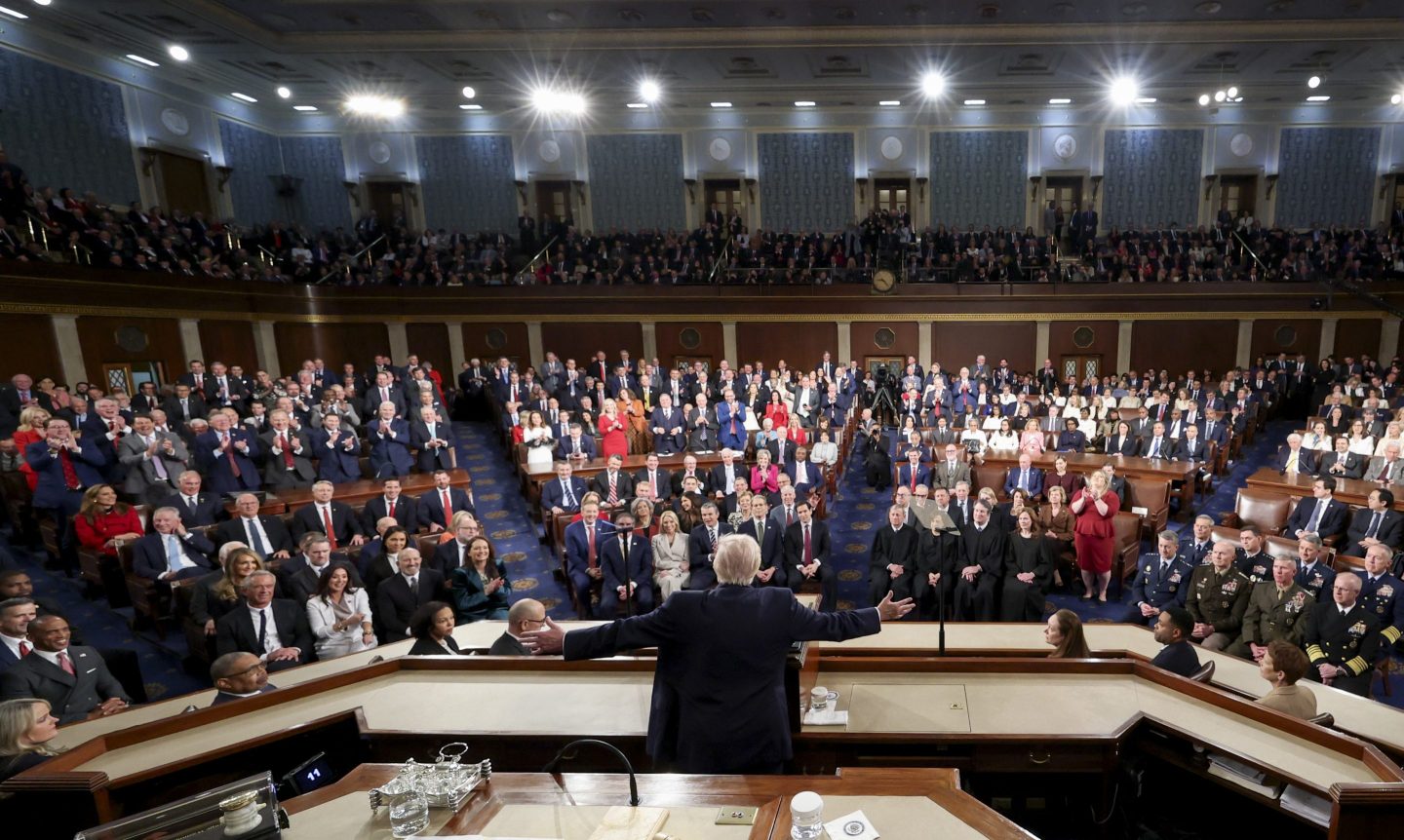
President Donald Trump delivers the State of the Union address during a joint session of Congress at the Capitol on February 24, 2026 in Washington, DC.
Economynational debt
The next generation of senators has a ticking time bomb in its lap: Social Security’s impending insolvency and no plan for the national debt
By Eleanor PringleApril 10, 2026
2 hours ago
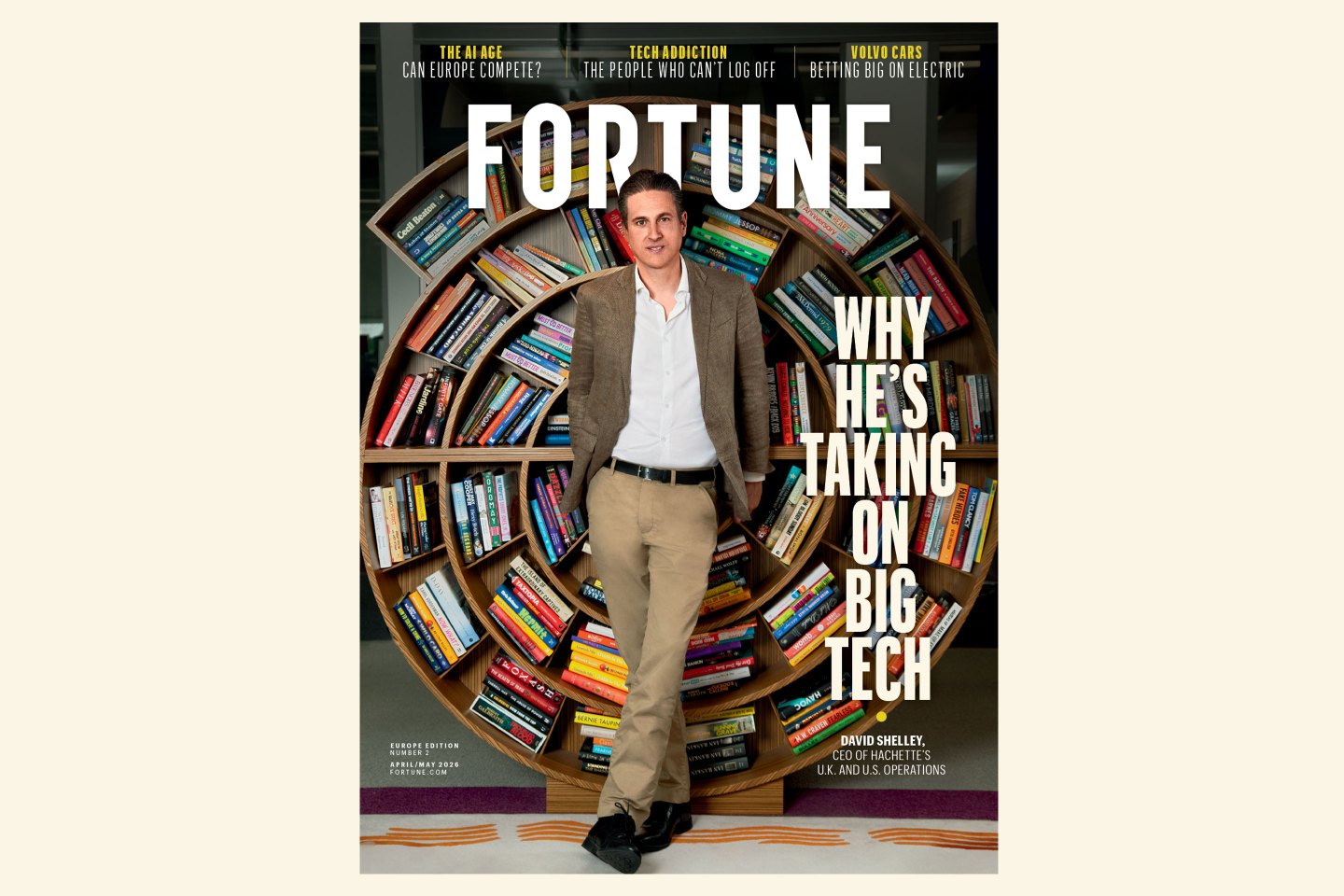
Who’s really in control as AI and Big Tech race ahead?
MagazineEurope
Who’s really in control as AI and Big Tech race ahead?
By Francesca CassidyApril 10, 2026
2 hours ago
Today’s top high-yield savings rates: Up to 5.00% on April 10, 2026
Personal FinanceSavings accounts
Today’s top high-yield savings rates: Up to 5.00% on April 10, 2026
By Glen Luke FlanaganApril 10, 2026
3 hours ago
Top CD rates today, April 10, 2026: Lock in up to up to 4.20%
Personal FinanceCertificates of Deposit (CDs)
Top CD rates today, April 10, 2026: Lock in up to up to 4.20%
By Glen Luke FlanaganApril 10, 2026
3 hours ago

Most Popular

The U.S. government is spending $88 billion a month in interest on national debt—equal to spending on defense and education combined
Economy
The U.S. government is spending $88 billion a month in interest on national debt—equal to spending on defense and education combined
By Fortune EditorsApril 9, 2026
1 day ago
A Meta employee created a dashboard so coworkers can compete to be the company's No. 1 AI token user—and Zuckerberg doesn't even rank in the top 250
AI
A Meta employee created a dashboard so coworkers can compete to be the company's No. 1 AI token user—and Zuckerberg doesn't even rank in the top 250
By Fortune EditorsApril 9, 2026
1 day ago
Gen Z doesn't want your full-time job. They want several part-time roles, and it's reshaping the entire workforce
Success
Gen Z doesn't want your full-time job. They want several part-time roles, and it's reshaping the entire workforce
By Fortune EditorsApril 9, 2026
1 day ago
White-collar workers are quietly rebelling against AI as 80% outright refuse adoption mandates
AI
White-collar workers are quietly rebelling against AI as 80% outright refuse adoption mandates
By Fortune EditorsApril 9, 2026
1 day ago
'I hate working 5 days': Zoom CEO says traditional work schedules are becoming obsolete—and predicts a 3-day workweek by 2031
Success
'I hate working 5 days': Zoom CEO says traditional work schedules are becoming obsolete—and predicts a 3-day workweek by 2031
By Fortune EditorsApril 9, 2026
22 hours ago
Mark Cuban admits he made a mistake letting go of the Mavericks: 'I don't regret selling. I regret who I sold to'
Investing
Mark Cuban admits he made a mistake letting go of the Mavericks: 'I don't regret selling. I regret who I sold to'
By Fortune EditorsApril 9, 2026
21 hours ago

© 2026 Fortune Media IP Limited. All Rights Reserved. Use of this site constitutes acceptance of our Terms of Use and Privacy Policy | CA Notice at Collection and Privacy Notice | Do Not Sell/Share My Personal Information
FORTUNE is a trademark of Fortune Media IP Limited, registered in the U.S. and other countries. FORTUNE may receive compensation for some links to products and services on this website. Offers may be subject to change without notice.