FORTUNE — When CVS and Caremark announced plans to merge in 2006, the CEOs of the two companies showed up on Squawk Box to tout the benefits of the deal. We pushed back on whether Caremark shareholders were really getting a fair price. We asked if regulators might cry foul about the combination. Tom Ryan, who was then the chairman and CEO of CVS, insisted that everyone was getting a great deal. “At the end of the day we think it’s good for consumers and for health care,” he said.
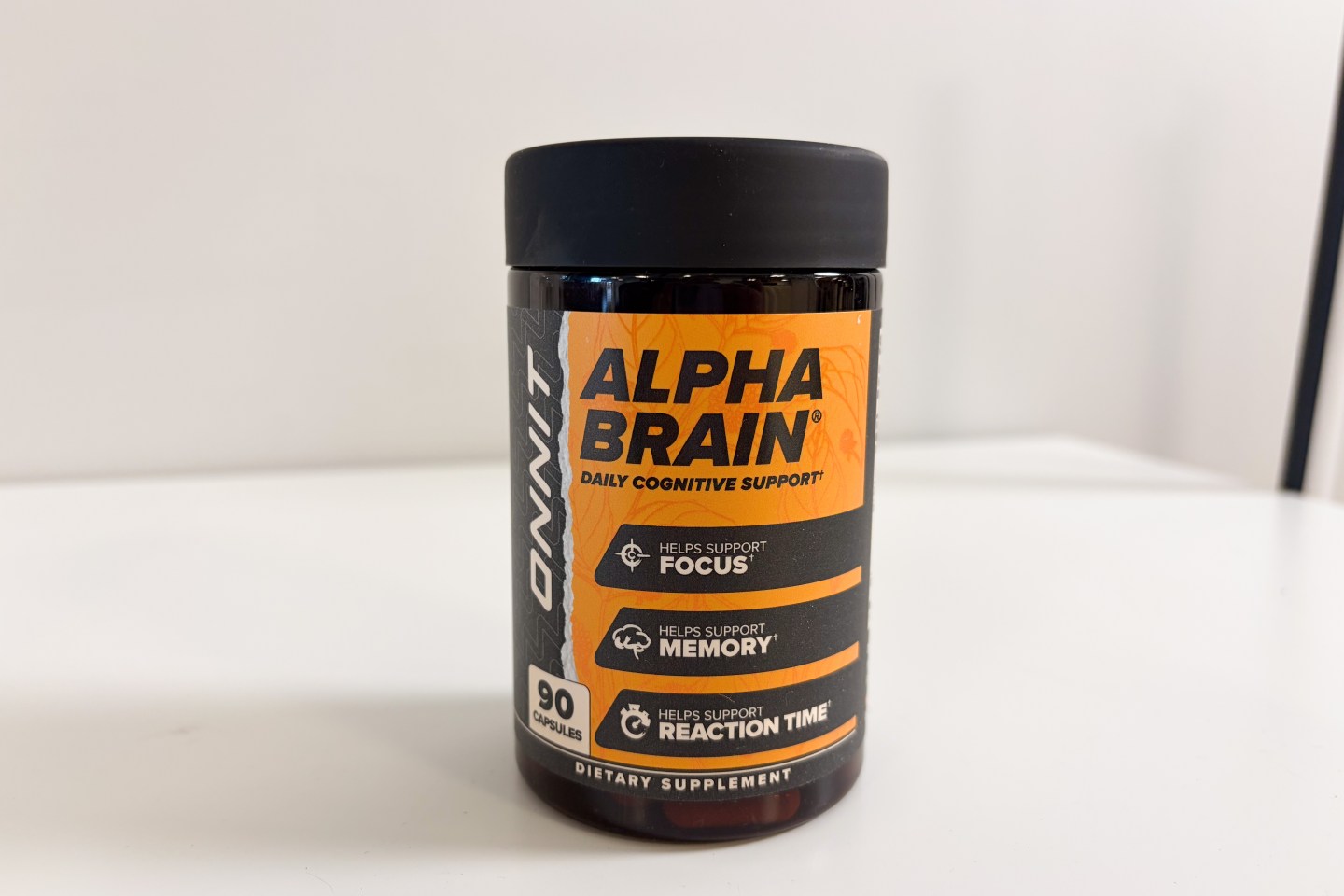
Six years later I have my doubts. Let me start by saying I am no expert on the health care industry. But I am a consumer with prescription benefits provided by CVS Caremark (CVS). And until a few years ago my local Walgreens (WAG) filled all my prescription medications. Then CVS Caremark sent me a letter warning that if I didn’t switch my long-term prescriptions to my local CVS pharmacy or the CVS Caremark mail service, I’d have to start paying more for those medications. And not a little more — in some cases the price could double if I stuck with Walgreens. CVS says it is expanding customer choice by offering the cheaper medications through CVS stores, instead of only by mail. Fine, but it doesn’t feel like healthy competition to me.
MORE: CVS Caremark – No. 18 on the Fortune 500
Fast-forward to a recent headline that caught my eye: The Justice Department moved to block 3M’s (MMM) planned purchase of Avery Dennison’s office products business. 3M makes Post-it Notes and Scotch tape; Avery Dennison (AVY) makes labels, dividers, and sticky notes. Apparently Justice was worried that the tie-up would cut into competition in the all-important sticky-notes business.
Really? The contrast is a bit stunning. We’ll make sure you don’t pay too much for Post-its. But as for prescription medications — well, you’re on your own.
Those in the regulatory world tell me it’s much easier to make a case to block a deal or set conditions when the two companies are in the same industry, because overlap and monopolization become a straight numbers game. What’s trickier is something like CVS Caremark, a vertically integrated deal between two companies in different industries. Down the road Caremark might choose to favor CVS over other pharmacies, but it’s hard to prove in advance that it will stifle competition. I can empathize with the regulators — I didn’t ask the right questions of CVS and Caremark either.
Now there’s another potential deal on the horizon: American Airlines (AAMRQ) and U.S. Airways (LLC). It would only be the latest in a series of airline mergers in recent years. But less competition in the airline industry could mean routes will be cut and consumers will have less choice, as I’ve noticed with flights out of Newark Liberty International Airport since United (UAL) and Continental merged. This summer our family planned a trip to Utah. No problem, I thought — I’d flown direct from Newark on Continental lots of times. But since the merger, there are no more direct flights, on United or any carrier out of Newark. And come the new year, United is scrapping the midday flights from Newark to Omaha, a flight I frequently take for work. And while it may sound like no big deal to stop in Chicago or Houston on your way to somewhere else, consider that one stopover not only adds hours to your travel time but also doubles the odds you’ll be caught in bad weather delays or cancellations.
MORE: Defense mega-merger might get derailed by politics
The argument for airlines’ merging is that the industry — other than low-cost carriers like Southwest (LUV) and JetBlue (JBLU) — doesn’t make any money domestically. And I’m not arguing that airlines shouldn’t be allowed to cut unprofitable routes or to raise prices. But you also shouldn’t be allowed to buy out your competitors to keep them from expanding into the routes that you don’t want to serve directly anymore.
That’s why I’m hoping the regulators will start to watch more closely and think about you and me when it comes to these big “no-brainer” mega-mergers. Consolidation is natural in business, but smart dealmaking should always make sense for both the shareholder and the consumer. Until then, I guess I’ll see you at my local CVS.
This story is from the October 8, 2012 issue of Fortune.