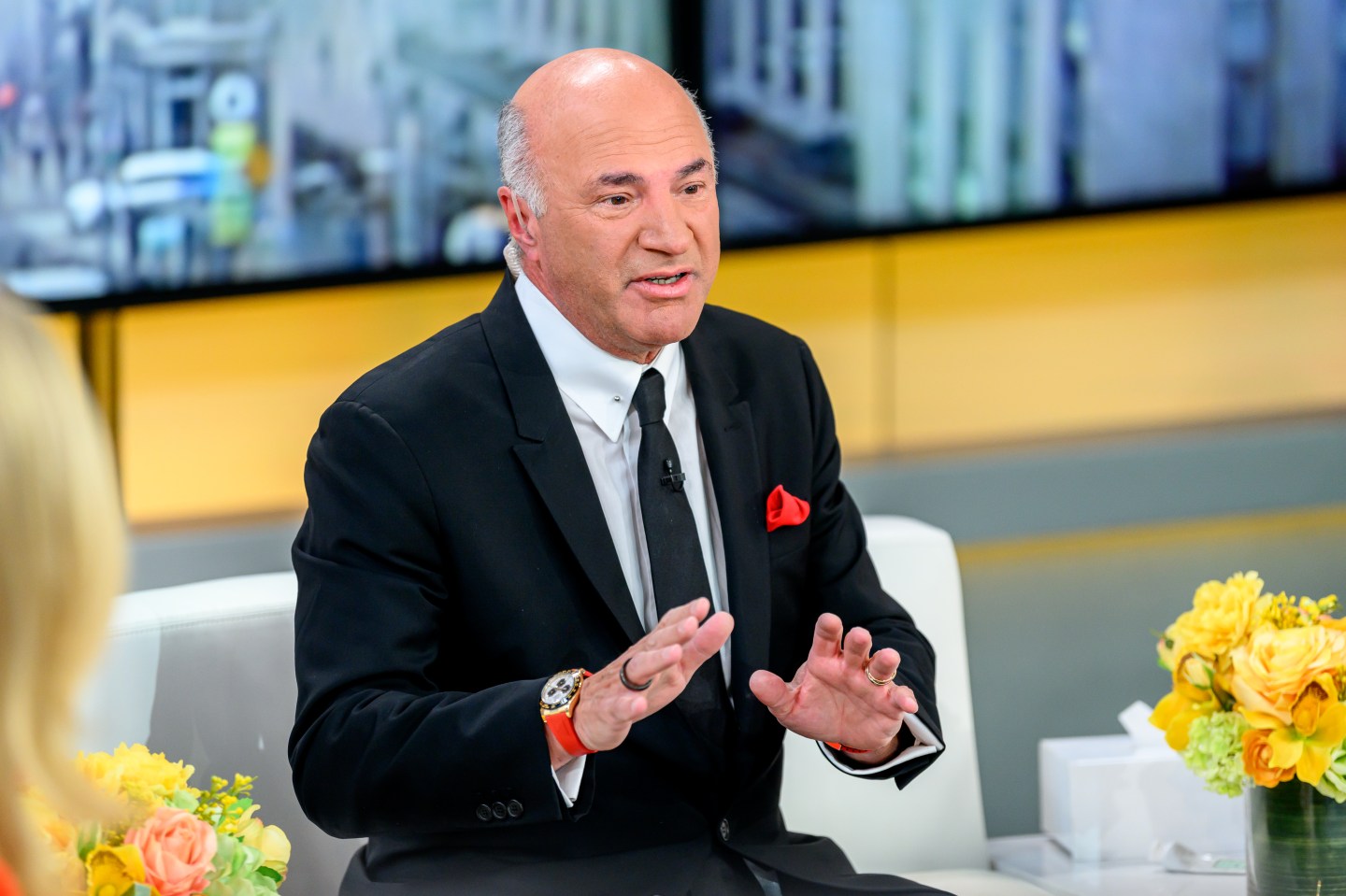
James Paulsen, chief investment strategist of Wells Capital Management
FORTUNE — If you’re nervous about the economy, you could do worse than talk to James Paulsen, chief investment strategist of Wells Capital Management (and, yes, the other Paulsen — not former Treasury Secretary Hank Paulson or the hedge fund world’s John Paulson of the infamous Abacus trade). This Paulsen operates out of Minneapolis, where his firm, a subsidiary of Wells Fargo (WFC), manages $325 billion. He also pens a newsletter known for its scribbled-on charts and colorful commentary. Now, with debate over the recovery raging, he argues that we’ve hit the “gear year,” the point in the recovery at which confidence will return. Paulsen, 54 — sometimes dubbed a perma-bull for his rosy outlook the past few years — forecasts economic growth of 3% and sees the S&P 500 (SPX) hitting 1500. Edited excerpts from a conversation:
What’s your view on the recovery?
This recovery is the third in a row that has been much weaker than recoveries used to be. It looks remarkably similar to both the early-’90s and the early-2000s recoveries. And on many metrics, 10 quarters in, it is. Annualized real GDP growth is just slightly less than the average of the last two recoveries at this point, average real gross domestic income growth is slightly better, and total job growth is right on par. People say this is a “new normal” — that we’ve never been this weak before, ever — and I am suggesting that there is indeed a new normal but it is already 25 years old. It started in the mid- ’80s and has nothing to do with debt, balance sheets, or savings.
Then what is the new normal about?
In the mid-1980s we had a significant downward shift in the rate of labor force growth in this country. Prior to that, in the 25 years from 1960 to 1985, we had a really juiced-up labor force growth rate with the post- World War II baby boom and women entering the labor force. In the 1970s the labor force grew 2.6% per annum, while in the last decade, it’s grown at 0.7%. Throughout economic history, the rate of resource growth sets the speed limit of an economy. The U.S. now has almost zero labor force growth. Conceptually, in a recovery we might get up to 4%, and in a recession we might fall to -4%. It’s not that our economy is broken and China’s isn’t, and we should get more money supply, or lower interest rates, or cut taxes. None of that is going to affect the central average speed limit, which is the labor force.
So what does that mean for this recovery?
In the 25 years before 1985, the economy would have jack-rabbit-start recoveries and grow 5% to 8%. But since 1985 that hasn’t happened. That’s because when the labor force downshifted, it lowered the aggregate growth rate and broke the inflation cycle. So it now takes 2 1/2 to three years before the job market takes off, and, because of that, confidence doesn’t come back until the “gear year,” or year three. I’m not suggesting we’ll have explosive growth. Our speed limit is about 4%. The entire 1990s recovery, which we’ll forever refer to as a boom, averaged a little over 3% growth. So we can have good times even though our recoveries have a very different character. That’s why I think our leaders should calm down a bit, and so should investors.

This year is about revaluation. Last year we had a good gain in earnings, but the multiple on the market contracted because of two fears that were grossly overstated: that the U.S. was headed for imminent recession and that the European situation could blow up and take down the global recovery. This year the valuation could go higher again, to 15 times earnings, as people get more confident about the recovery. I have a target on the S&P of 1500. If we can keep inflation under control, then we have a buy-and-hold market for a long time with a slow and steady increase in prices. We look back at the dotcom era as a ridiculous mania of optimism where everybody ran off a cliff together. I would argue that the past few years we’ve been living through a mania of pessimism. A mania of optimism says there is a lot of risk. A mania of pessimism says there is a lot of potential.
Where do you see opportunity?
I would lean more toward stocks and less toward bonds. I would underweight safe havens, like Treasury bonds, gold, steady-Eddie stocks like utilities and consumer staples, and the U.S. dollar, which have been so popular, and overweight what’s been out of favor — like emerging markets, which are leading the globe and will for another generation. Within the U.S. market I like manufacturing; I think we’re going to have a manufacturing renaissance in this country. Financials are extraordinarily cheap, and large-cap financials are cleaned up.
You missed the 2008 crisis, arguing the recession wouldn’t be so bad. Has that caused you to reevaluate?
This is an uncertain world, and an uncertain business, and you’re going to miss things. Have I gone back and thought about it? Yes. Does it affect me that much going forward? No. It would’ve been easy for me after the collapse to go bearish, and I wouldn’t be known as a perma-bull. In some odd way I have been right for three years, and that has done nothing but hurt my image.
This story is from the May 21, 2012 issue of Fortune.