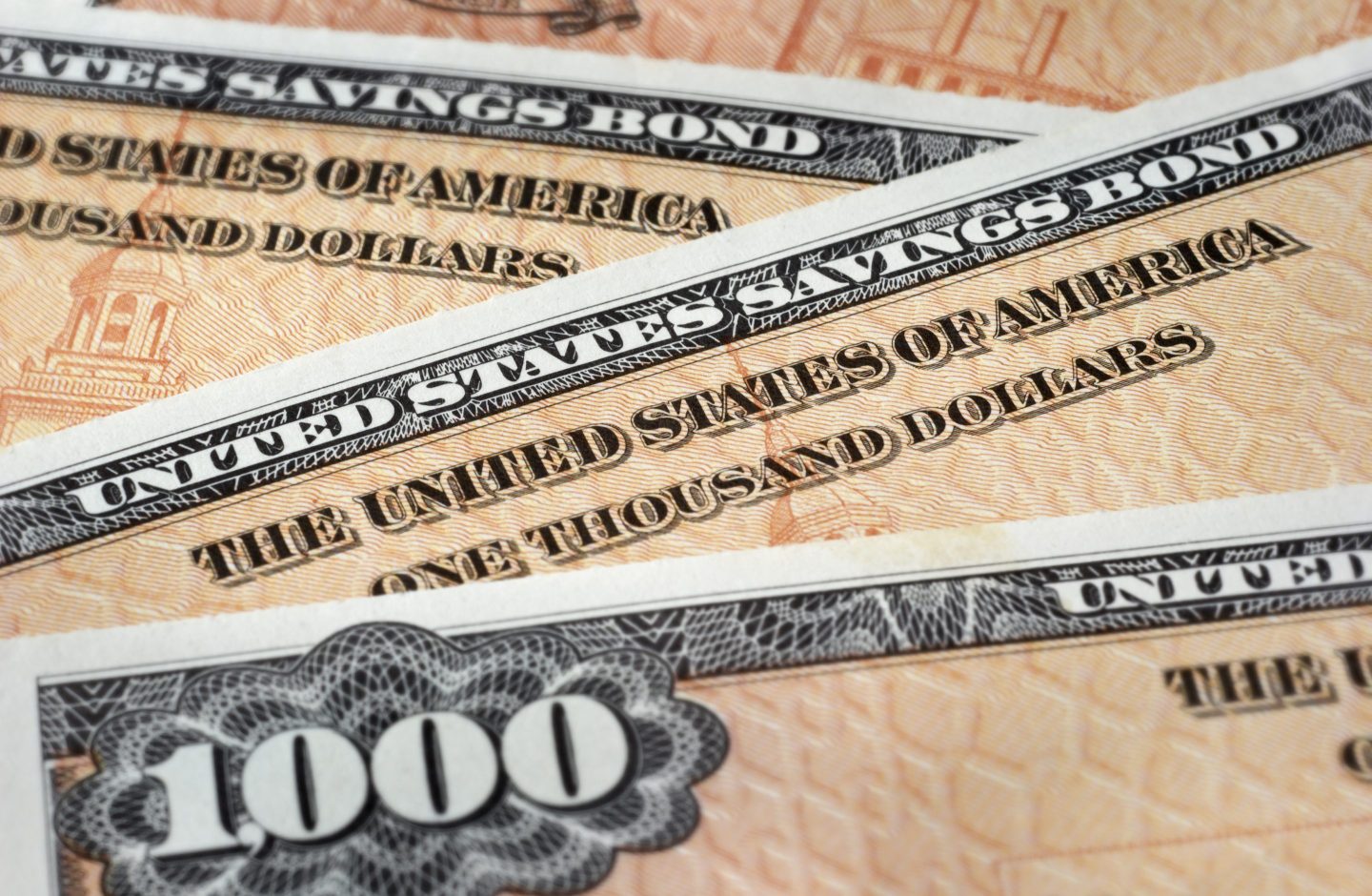
Is the bull market for bonds dead at the tender age of 30?
Treasury yields have surged this week, following a weak jobs report and news of a tax deal that will add to the deficit. Yields have been rising in Europe as well – even in austere Germany — as the debt crisis ravaging Greece, Ireland, Portugal and Spain gathers steam.

Could it be that investors finally are coming to grips with the price of U.S. fiscal profligacy and the scale of the mess to be cleaned up across the Atlantic, and running for the hills?
“It’s appearing we’re at the end of this long-term cycle,” said Bill Larkin, a fixed income portfolio manager at Cabot Money Management in Salem, Mass. “It’s a little bit like getting hit with a bucket of cold water that still has the ice cubes in it.”
The yield on the 10-year Treasury note hit 3.27%, which puts it up more than 75 basis points, or hundredths of a percentage point, since it bottomed out in October’s rush to buy bonds ahead of the Fed.
Yields on German 10-year bonds have surged to six-month highs this week as well, amid questions about how the euro zone might resolve its galloping financial contagion.
Of course, gurus have been predicting the demise of the three-decade-long rally in bond prices for some time, obviously not with great success. Pimco’s Bill Gross in October predicted a turkey shoot in the bond market – though he was saying much the same thing years ago.
What’s more, some say the deflationary trends crushing Western economies are much stronger than the momentary jitters that periodically send funds rushing out of bonds.
Gluskin Sheff economist David Rosenberg notes that the end of 2009 brought a similar Treasury selloff, with 10-year yields rising from 3.4% on this date last year to 3.85% at year end. The yield eventually rose as high as 4% in April before spiraling downward as the weakness of the U.S. economic rebound became apparent.
“Strange things can happen at this time of the year as the books get closed,” he wrote Wednesday in a note to clients. “Almost no forecaster was predicting lower market rates at the start of 2010 and here we still have yields at the 5-year part of the curve down 90bps; down 65bps for the 10-year note; and down 25bps at the long end.”
Still, there’s no question that investors have been unnerved by the policy shifts of recent months.
The Fed committed last month buy $600 billion of Treasury bonds over eight months to boost anemic domestic demand for goods and services. Expansionary Fed policy makes many people nervous, judging by the reaction to Ben Bernanke’s public utterances, and those jitters certainly weren’t soothed by this week’s announcement that the White House and Congress are poised to add $900 billion or so to the deficit by extending tax cuts and adding other spending plans.
“The fiscal discipline in Washington is just not there, on both sides of the aisle,” said Larkin. “It’s our Achilles heel – we just can’t take our long-term medicine till the market forces us to.”
At the same time, apparent U.S. profligacy isn’t the only factor driving the bond selloff.
The European Union and the International Monetary Fund have committed to massive loans to prop up debt-ridden Greece and Ireland. Yet the bond market continues to charge both countries exorbitant rates, indicating no one believes these fixes will stick.
The rising rates will add to the pressure on European policymakers, who have been trying to come up with new ways to kick the peripheral debt can down the road but are meeting fierce resistance in the form of anti-bailout sentiment in Germany.
And as worrisome as rising deficits are stateside, there is still hope that stimulus will get strapped consumers spending more and get the recovery rolling a little faster.
“It doesn’t make sense for yields to be this low,” said Larkin. “When QE2 ends next year, we’re likely to be north of 4%.”