• Home
  • Latest
  • Fortune 500
  • Finance
  • Tech
  • Leadership
  • Lifestyle
  • Rankings
  • Multimedia
TechApple

FBI Could Bypass iPhone’s Key-Wiping Security Feature, ACLU Claims

By
David Meyer
David Meyer
Down Arrow Button Icon
By
David Meyer
David Meyer
Down Arrow Button Icon
March 9, 2016, 6:13 AM ET
Apple Introduces Two New iPhone Models At Product Launch
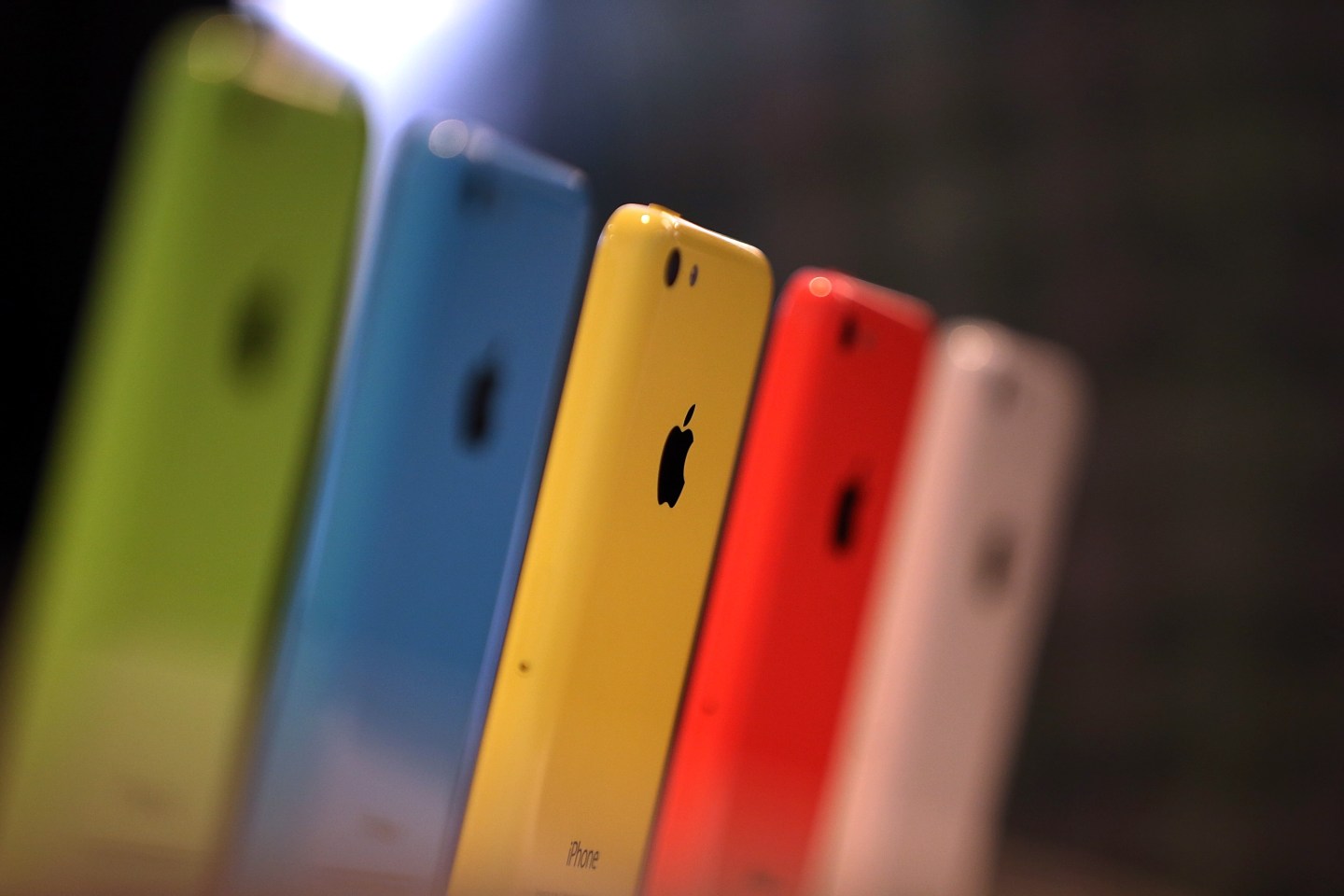
CUPERTINO, CA - SEPTEMBER 10: The new iPhone 5C is displayed during an Apple product announcement at the Apple campus on September 10, 2013 in Cupertino, California. The company launched the new iPhone 5C model that will run iOS 7 is made from hard-coated polycarbonate and comes in various colors and the iPhone 5S that features fingerprint recognition security. (Photo by Justin Sullivan/Getty Images)Justin Sullivan—Getty Images

The American Civil Liberties Union (ACLU) has accused the Federal Bureau of Investigation (FBI) of trying to mislead the judiciary in the big Apple(AAPL) iPhone case, which centers on the work device of San Bernardino killer Syed Farook.

Apple is fighting a court order that would compel it to create a special version of the iPhone software, in order to help the FBI bypass the handset’s basic login security. If loaded onto the device, this as-yet-nonexistent software would disable mechanisms that repeatedly extend the amount of time the FBI has to wait between each attempt at a passcode guess, and potentially render data permanently inaccessible if they guess incorrectly 10 times.

It’s that last part that the ACLU is disputing. The rights group claimed in a blog post that the FBI probably has the means to bypass this “phone-wiping” feature — if indeed Farook turned it on — without Apple’s help.

However, cybersecurity expert Alan Woodward told Fortune the technique would be risky and probably impractical.

Get Data Sheet, Fortune’s technology newsletter.

As the ACLU post explains, a sufficient number of incorrect passcode guesses will result (again, if the feature is activated) in the erasure of the phone’s file-system key. This cryptographic key is held in flash memory, which is erasable. If the key is lost, it becomes impossible to decrypt the data being stored in that file system. Regular people think of this as the phone being wiped. Game over.

However, ACLU technology fellow Daniel Kahn Gillmor wrote, it is possible to get around the potential wiping problem. According to his post, all the FBI has to do is de-solder the relevant flash memory chip from the iPhone’s circuit board, copy everything on it to another device, then put it back.

Then, under this scenario, the FBI could start guessing. If Farook enabled the wiping feature and the phone erases the key after 10 incorrect attempts, the FBI could just copy the backed-up data back onto the chip and try again. Rinse and repeat.

“If the FBI doesn’t have the equipment or expertise to do this, they can hire any one of dozens of data recovery firms that specialize in information extraction from digital devices,” he wrote.

“They’re asking the public to grant them significant new powers that could put all of our communications infrastructure at risk, and to trust them to not misuse these powers. But they’re deliberately misleading the public (and the judiciary) to try to gain these powers. This is not how a trustworthy agency operates.”

For more on the case, watch:

Woodward, a visiting professor at the University of Surrey’s Computer Science Department, said he was skeptical about the technique Gillmor described.

He pointed out significant risks in unsoldering and re-soldering the flash memory chip, in terms of potential physical damage to the chip. And even if it were possible to do this safely, he said, it would probably still take the FBI decades to go through the guessing process.

“I’m a little skeptical that it’s possible, but as a practical means of doing it, I just don’t see it,” he said. “The FBI is saying they need something they can do within a meaningful timeframe.”

Meanwhile, colorful security entrepreneur John McAfee has admitted to lying about the ease with which he could break into the contentious iPhone, in order to get “a s***load of public attention.”

All this talk of what is technically possible is, of course, highly relevant to the case. However, it’s not the main tack groups such as the ACLU are taking. The human rights groups and much of the tech industry are arguing that the government’s invocation of the ancient All Writs Act would, if successful, set a precedent that would legitimize overreach while undermining cybersecurity and people’s trust in the devices they use.


About the Author
By David Meyer
LinkedIn icon
See full bioRight Arrow Button Icon

Latest in Tech

Investingspace
Alphabet poised for another paper gain as SpaceX valuation jumps
By Edward Ludlow and BloombergDecember 14, 2025
5 hours ago
Chess master and co-founder of Chess.com, Danny Rensch
SuccessEntrepreneurs
Chess.com cofounder says it took a pinch of delusion to bring the traditional game online—and it’s a ‘requirement for every successful entrepreneur’
By Emma BurleighDecember 14, 2025
10 hours ago
JPMorganChase CEO Jamie Dimon says AI will eliminate jobs—and that soft skills will be more important than ever.
Future of WorkTech
Jamie Dimon says soft skills like emotional intelligence and communication are vital as AI eliminates roles
By Nino PaoliDecember 14, 2025
12 hours ago
AIchief executive officer (CEO)
Microsoft AI boss Suleyman opens up about his peers and calls Elon Musk a ‘bulldozer’ with ‘superhuman capabilities to bend reality to his will’
By Jason MaDecember 13, 2025
22 hours ago
InvestingStock
There have been head fakes before, but this time may be different as the latest stock rotation out of AI is just getting started, analysts say
By Jason MaDecember 13, 2025
1 day ago
Politicsdavid sacks
Can there be competency without conflict in Washington?
By Alyson ShontellDecember 13, 2025
1 day ago

Most Popular

placeholder alt text
Economy
Tariffs are taxes and they were used to finance the federal government until the 1913 income tax. A top economist breaks it down
By Kent JonesDecember 12, 2025
2 days ago
placeholder alt text
Success
Apple cofounder Ronald Wayne sold his 10% stake for $800 in 1976—today it’d be worth up to $400 billion
By Preston ForeDecember 12, 2025
2 days ago
placeholder alt text
Success
40% of Stanford undergrads receive disability accommodations—but it’s become a college-wide phenomenon as Gen Z try to succeed in the current climate
By Preston ForeDecember 12, 2025
2 days ago
placeholder alt text
Uncategorized
Transforming customer support through intelligent AI operations
By Lauren ChomiukNovember 26, 2025
18 days ago
placeholder alt text
Economy
More financially distressed farmers are expected to lose their property soon as loan repayments and incomes continue to falter
By Jason MaDecember 13, 2025
1 day ago
placeholder alt text
Economy
The Fed just ‘Trump-proofed’ itself with a unanimous move to preempt a potential leadership shake-up
By Jason MaDecember 12, 2025
2 days ago
Rankings
  • 100 Best Companies
  • Fortune 500
  • Global 500
  • Fortune 500 Europe
  • Most Powerful Women
  • Future 50
  • World’s Most Admired Companies
  • See All Rankings
Sections
  • Finance
  • Leadership
  • Success
  • Tech
  • Asia
  • Europe
  • Environment
  • Fortune Crypto
  • Health
  • Retail
  • Lifestyle
  • Politics
  • Newsletters
  • Magazine
  • Features
  • Commentary
  • Mpw
  • CEO Initiative
  • Conferences
  • Personal Finance
  • Education
Customer Support
  • Frequently Asked Questions
  • Customer Service Portal
  • Privacy Policy
  • Terms Of Use
  • Single Issues For Purchase
  • International Print
Commercial Services
  • Advertising
  • Fortune Brand Studio
  • Fortune Analytics
  • Fortune Conferences
  • Business Development
About Us
  • About Us
  • Editorial Calendar
  • Press Center
  • Work At Fortune
  • Diversity And Inclusion
  • Terms And Conditions
  • Site Map

© 2025 Fortune Media IP Limited. All Rights Reserved. Use of this site constitutes acceptance of our Terms of Use and Privacy Policy | CA Notice at Collection and Privacy Notice | Do Not Sell/Share My Personal Information
FORTUNE is a trademark of Fortune Media IP Limited, registered in the U.S. and other countries. FORTUNE may receive compensation for some links to products and services on this website. Offers may be subject to change without notice.