• Home
  • Latest
  • Fortune 500
  • Finance
  • Tech
  • Leadership
  • Lifestyle
  • Rankings
  • Multimedia

Trendingnow

1

Philanthropy leader at Warren Buffett and Bill Gates’ Giving Pledge says children of billionaires are pushing them to give their wealth away faster

2

Meet a 71-year-old who retired as a radiologist and professor, and now runs a banana-skewer business: ‘I never want to retire. Why would you do that?’

3

Elon Musk’s DOGE swiped $329 million in humanitarian funding from Nepal, leaving a Gen Z tech revolution to transform the budding country’s economy

1

Philanthropy leader at Warren Buffett and Bill Gates’ Giving Pledge says children of billionaires are pushing them to give their wealth away faster

2

Meet a 71-year-old who retired as a radiologist and professor, and now runs a banana-skewer business: ‘I never want to retire. Why would you do that?’

3

Elon Musk’s DOGE swiped $329 million in humanitarian funding from Nepal, leaving a Gen Z tech revolution to transform the budding country’s economy
Eli Lilly

Eli Lilly cracks down on the use of weight loss drugs Mounjaro and Zepbound for ‘cosmetic’ reasons instead of for diabetes and obesity

By
Alexa Mikhail
Alexa Mikhail
Senior Reporter, Fortune Well
Down Arrow Button Icon
By
Alexa Mikhail
Alexa Mikhail
Senior Reporter, Fortune Well
Down Arrow Button Icon
January 4, 2024, 5:19 PM ET
Eli Lilly and Company says its popular drugs Mounjaro and Zepbound, also known as GLP-1s, are not meant for those without obesity or type 2 diabetes.
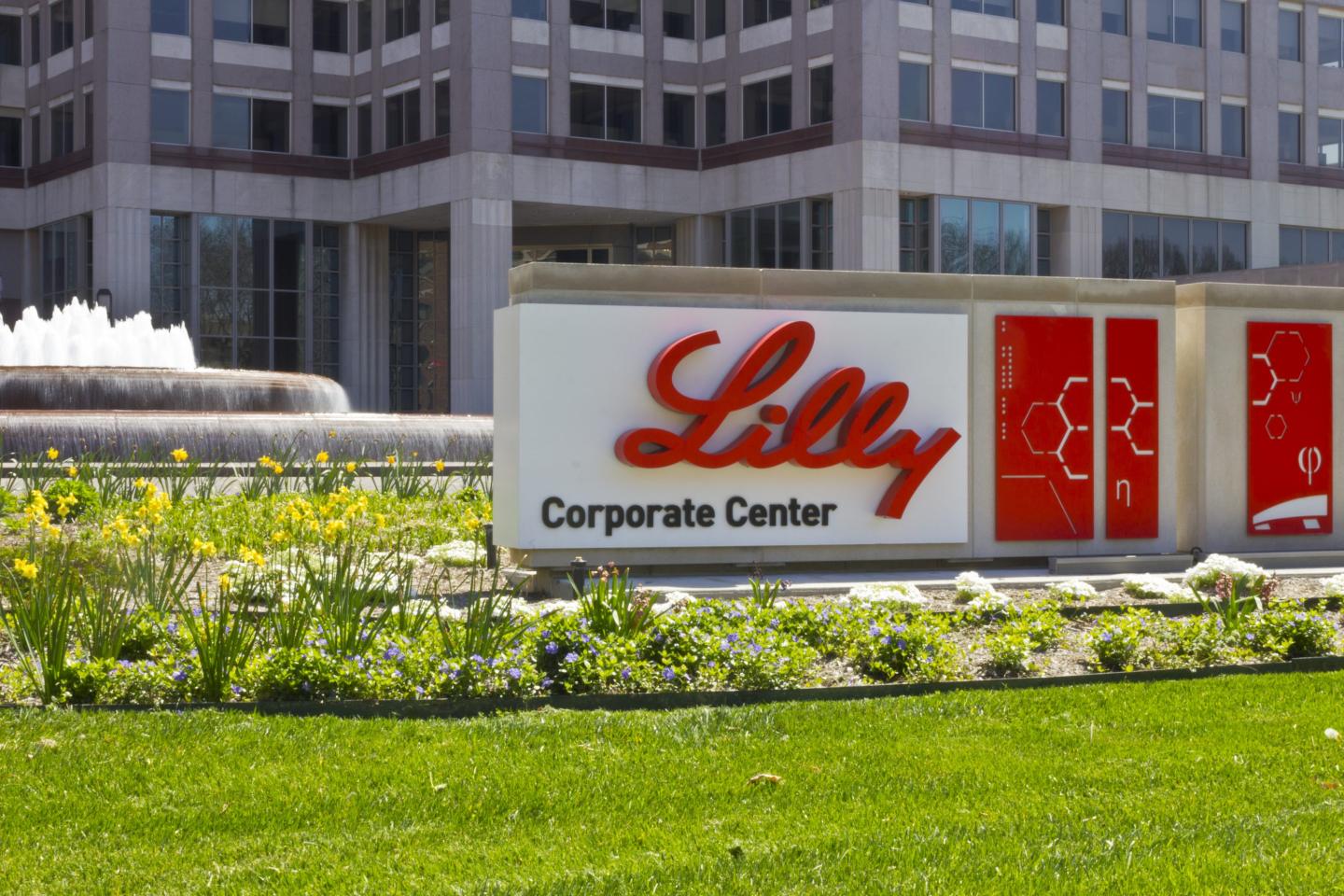
Eli Lilly and Co. says its popular drugs Mounjaro and Zepbound, also known as GLP-1s, are not meant for those without obesity or Type 2 diabetes.jetcityimage/Getty
Google source logo
Add Fortune on Google for similar content.

Eli Lilly and Co. on Thursday warned against use of its popular diabetes and weight loss drugs Mounjaro and Zepbound for “cosmetic” reasons. The news comes as rampant demand for the reputed “miracle drugs” leads to nationwide shortages, making it more difficult for those with medical needs to obtain them.

The major pharmaceutical company says its drugs, also known as GLP-1s, are not meant for those without obesity or Type 2 diabetes.

“Mounjaro and Zepbound are indicated for the treatment of serious diseases; they are not approved for—and should not be used for—cosmetic weight loss,” an open letter from the company, dated Jan. 4, reads.

Anat Ashkenazi, executive vice president and chief financial officer of Eli Lilly, previously told Fortune that over 110 million patients in the U.S. live with obesity, which corresponds to over 200 health complications.

Mounjaro, approved in the spring of 2022, is for those with Type 2 diabetes, while Zepbound, approved in late 2023, is for those with obesity or who are overweight with an additional chronic condition such as hypertension. Mounjaro and Zepbound are sold in single-dose pens or vials and cost over a thousand dollars per fill without insurance. Both drugs have potential side effects and complications such as thyroid tumors, and stomach and gallbladder problems. 

As the surge in popularity for weight loss drugs continues, spawned by influencers and celebrities alike, Eli Lilly is also sounding its alarm on the potential dangers of knockoffs. 

The company warns users about brands claiming their products contain tirzepatide, a compound used in Zepbound. Only Zebbound has been authorized by the U.S. Food and Drug Administration to use tirzepatide.

“Tirzepatide products not manufactured by Lilly may expose patients to potentially serious health risks,” the letter states. “Lilly is extremely concerned that some of the compounded tirzepatide that Lilly has tested has contained high amounts of impurities, and, in at least one instance, was actually nothing more than sugar alcohol.” 

Eli Lilly on Thursday filed legal action against wellness centers and medical spas claiming to sell and make products that mock tirzepatide and “other counterfeit sources that are fraudulently claiming to sell Mounjaro, Zepbound, or tirzepatide medicines.” 

Globally, the weight loss marketplace may reach $77 billion in a decade, according to research from Morgan Stanley.

About the Author
By Alexa MikhailSenior Reporter, Fortune Well
LinkedIn iconTwitter icon

Alexa Mikhail is a former senior health and wellness reporter for Fortune Well, covering longevity, aging, caregiving, workplace wellness, and mental health.

See full bioRight Arrow Button Icon

Latest in


Most Popular

Fortune Secondary Logo
Rankings
  • 100 Best Companies
  • Fortune 500
  • Global 500
  • Fortune 500 Europe
  • Most Powerful Women
  • World's Most Admired Companies
  • See All Rankings
  • Lists Calendar
Sections
  • Finance
  • Fortune Crypto
  • Features
  • Leadership
  • Health
  • Commentary
  • Success
  • Retail
  • Mpw
  • Tech
  • Lifestyle
  • CEO Initiative
  • Asia
  • Politics
  • Conferences
  • Europe
  • Newsletters
  • Personal Finance
  • Environment
  • Magazine
  • Education
Customer Support
  • Frequently Asked Questions
  • Customer Service Portal
  • Privacy Policy
  • Terms Of Use
  • Single Issues For Purchase
  • International Print
Commercial Services
  • Advertising
  • Fortune Brand Studio
  • Fortune Analytics
  • Fortune Conferences
  • Business Development
  • Group Subscriptions
About Us
  • About Us
  • Press Center
  • Work At Fortune
  • Terms And Conditions
  • Site Map
  • About Us
  • Press Center
  • Work At Fortune
  • Terms And Conditions
  • Site Map
  • Facebook icon
  • Twitter icon
  • LinkedIn icon
  • Instagram icon
  • TikTok icon
  • YouTube icon

    Latest in


    Most Popular

    © 2026 Fortune Media IP Limited. All Rights Reserved. Use of this site constitutes acceptance of our Terms of Use and Privacy Policy | CA Notice at Collection and Privacy Notice | Do Not Sell/Share My Personal Information
    FORTUNE is a trademark of Fortune Media IP Limited, registered in the U.S. and other countries. FORTUNE may receive compensation for some links to products and services on this website. Offers may be subject to change without notice.