The past few years have been filled with a seemingly endless stream of painful stories and images coming from across the globe, including the loss of more than 3 million people to the COVID-19 pandemic and the widespread trauma inflicted by the Russian invasion of Ukraine.
Now, in late October 2023, the tragic loss of thousands of innocent civilian lives in Israel and Palestine is dominating headlines and consuming the world’s attention. With each passing day of the ongoing war in Gaza and the gruesome news that it brings, many of us find ourselves checking the news the minute we wake up and last thing before going to bed.
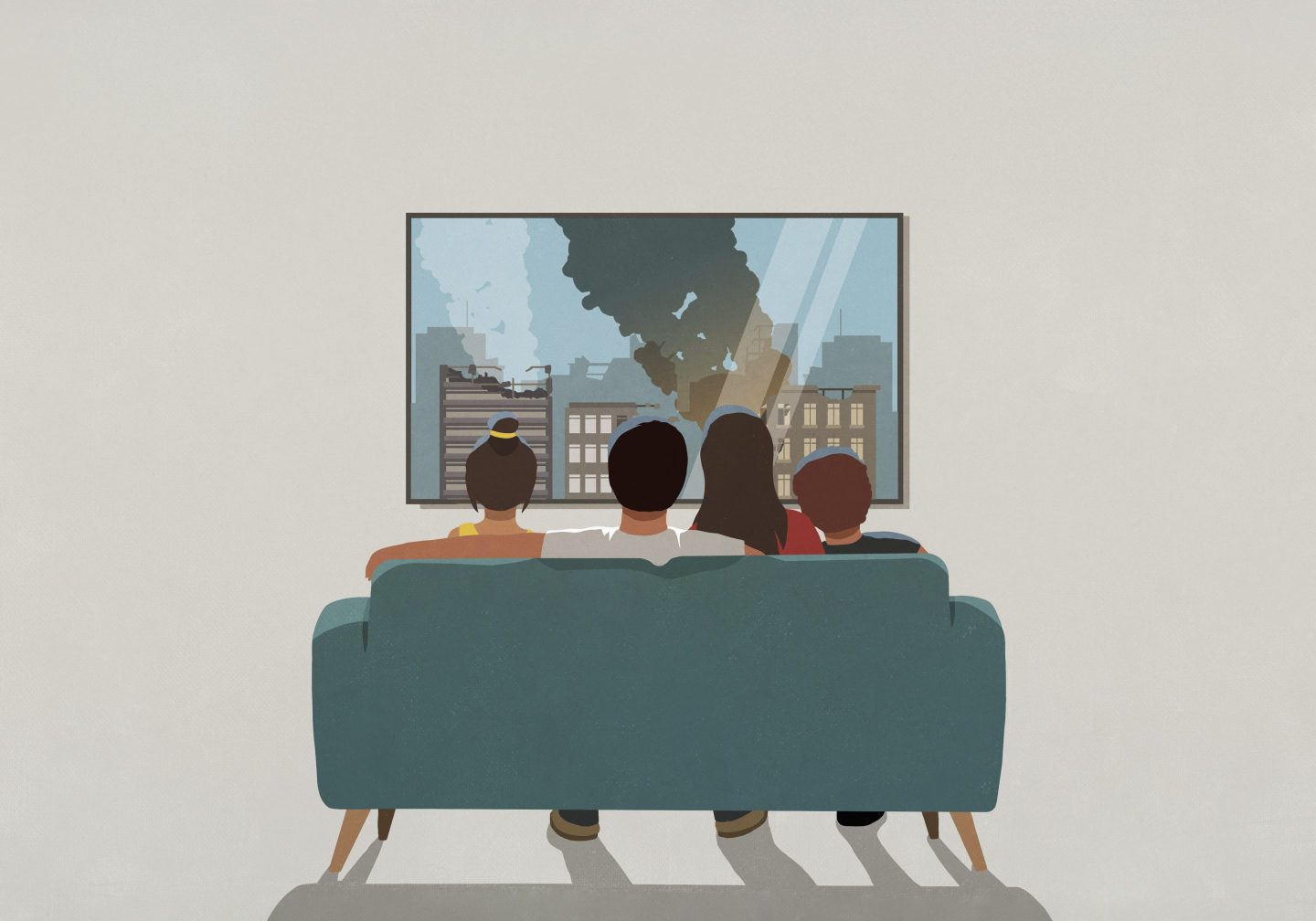
By now, most of us have seen unforgettable images and videos of dead bodies, burned cars and destroyed blocks of buildings, repeatedly. This exposure is often unintentional. For instance, as we are scrolling through Twitter, Facebook or Instagram posts, we might come across a post conveying a very raw and painful story about the suffering of citizens in Israel and Gaza. The tension and unease has even leaked into the U.S. Jewish and Muslim communities. And in mid-October, a Palestinian child in the U.S. was stabbed to death because of his family heritage.
I am a trauma psychiatrist and researcher who works with refugees, first responders and survivors of torture and human trafficking. In my work, I hear detailed stories of suffering from my patients that are painful to be privy to and that can have a negative impact on me and my colleagues.
Through these experiences and my training, I have learned ways to protect myself from too much emotional impact while staying informed and helping my patients. In my recent book, “Afraid: Understanding the Purpose of Fear and Harnessing the Power of Anxiety,” I have explained in detail how media and politics have heightened our anxieties and have outlined ways we can reduce the impact.
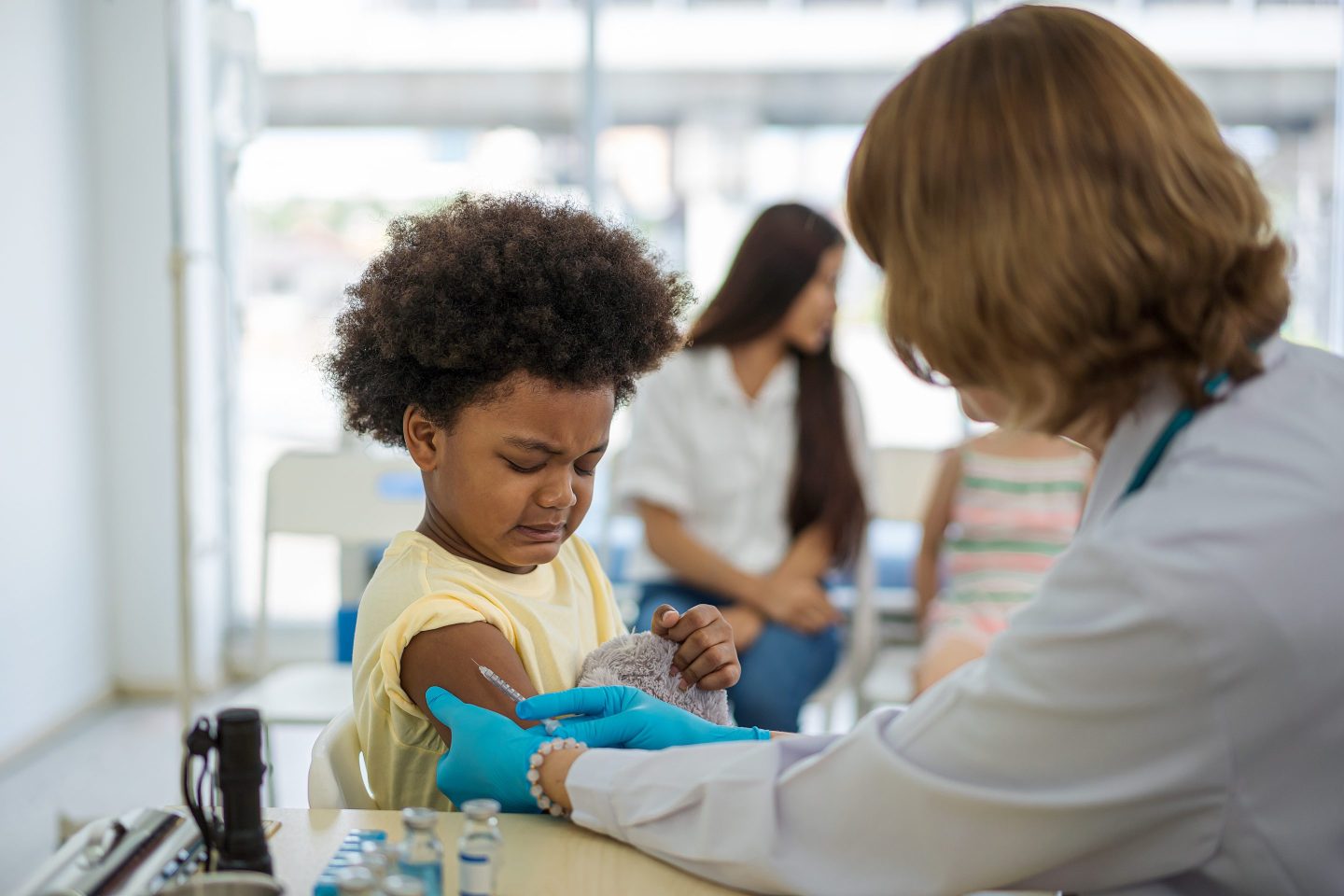
Disturbing images from the war are rife on social media, so it’s important to engage with your kids and ask them questions about what they are seeing and hearing.
How images of disaster affect us
A wide body of evidence has shown that trauma affects not only those who suffer through it; it also affects other people who are exposed to the suffering in other ways. This happens, in part, because humans are empathetic and social beings. Indirect and vicarious exposure to trauma often occurs in the lives of first responders, refugees, journalists and others, even when they do not directly experience the trauma themselves.
One means of exposure is through the news, especially when it is visual, animated and highly relatable. Previous studies have shown that exposure to news of terrorist attacks such as 9/11 could cause a wide range of emotional reactions, from symptoms of PTSD to depression and anxiety, in both adults and children.
Another risk of continual exposure to horrible images is desensitization and numbing. This means some viewers might get too used to such images, seeing them as a new normal and being undisturbed by them. The brutal deaths of thousands more people become just statistics to them.
How to protect yourself
Here are some practical tips on how to stay informed while minimizing harm:
• Limit the depth of exposure to details. When I work with heavily traumatized patients, I collect the information I need to help the person, but I do not urge them to tell me more. In the same way, people can consume news in limited ways. In other words, learn what’s happening, then stop there. Avoid the urge for disaster voyeurism. If you have heard the story, you might not need to search for the images or the videos; if you have seen them, there is no need to revisit them over and over.
• Reduce time spent and frequency of exposure to sad news. Studies have shown that exposure to media coverage following a collective trauma for several hours daily can lead to stress. So check the news a couple of times a day to be informed, but don’t continue seeking out coverage. The news cycle tends to report the same stories without much additional information.
• Choose news delivered with composure. The media’s mission is to inform the public about what is happening, but the nature of that storytelling can mean that disastrous news gets delivered in a highly emotional way. Reading the news can protect you somewhat from the emotionally charged nature of television or radio coverage. If you choose to tune in to television or radio, choose a reporter or anchor who presents information in a fact-based and less emotional way.
• Avoid limitless scrolling. Do not be lured into hours of peering at the same images from different angles. Your emotional suffering will not reduce the victims’ suffering. I say this because some people might feel if they do not continue to follow the exposure, they are being insensitive or uninformed.
• Do not ignore or avoid other more positive news. Continual exclusive exposure to disaster-based news will distort your perception. There is a lot happening in the world of art, culture, science, technology and sports around the world that your cable news is not covering.
• Know your limits. Some people are more sensitive and vulnerable than others to being affected by what they’re hearing or seeing.
• Take time to reflect. When you feel the negative impact, anxiety or sadness, reflect on it and know that this is a normal human reaction to other humans’ suffering. Then take respite in activities that can fully absorb your attention and emotionally recharge you. For me, that outlet is high-intensity exercise.
• Talk to others. If affected, you can talk to loved ones and learn from others how they cope. If needed, seek professional help.
• Stay informed, not manipulated. Do not let your fear and anger be used by those seeking dominance and division. In the U.S., and in many other places in the world, Jews and Muslims have lived in peace and harmony together for a long time. Helping children cope through the three R’s of reassurance, routine and regulation is critically important, no matter the context of the tragedy that is playing out in the news.
How to protect children
Children also often get exposed to such news and images, which could have negative effects on them. For younger children, repeated exposure to the news or to disturbing images might create an illusion that the event keeps repeating, or that they are happening nearby.
Here are some tips for limiting the impact on children:
- Be mindful to not express overly charged negative emotions in front of children, who learn how safe or dangerous the world around them is largely from adults.
- Limit children’s exposure based on their age.
- When children are exposed to scary or upsetting news, talk to them about it in an age-appropriate way and explain what is happening in understandable language.
- Remind children that they are safe. For younger children, it might be important to remind them that these sad events are not happening where they live.
- Do not avoid their questions, but rather use them as an age-appropriate educational opportunity.
- If needed, seek professional help.
We grown-ups can also reduce the negative impact on ourselves through helping others, especially those affected by these calamities.
When I feel affected by the traumatic experiences of my patients, remembering that the end goal is helping them and reducing their suffering helps me process my feelings. Sadness, anxiety, anger and frustration can be channeled into actions such as contributing to fundraising activities, volunteering to help the victims and activism to persuade politicians to do what is right. This can even be a family activity that teaches children a mature and altruistic response to others’ suffering.
This is an updated version of an article that was first published on April 28, 2022.
This article is republished from The Conversation under a Creative Commons license. Read the original article.