• Home
  • Latest
  • Fortune 500
  • Finance
  • Tech
  • Leadership
  • Lifestyle
  • Rankings
  • Multimedia
MindBrain

Scientists can now measure the intensity of chronic pain using brain signals

By
Prasad Shirvalkar
Prasad Shirvalkar
and
The Conversation
The Conversation
Down Arrow Button Icon
By
Prasad Shirvalkar
Prasad Shirvalkar
and
The Conversation
The Conversation
Down Arrow Button Icon
May 22, 2023, 2:42 PM ET
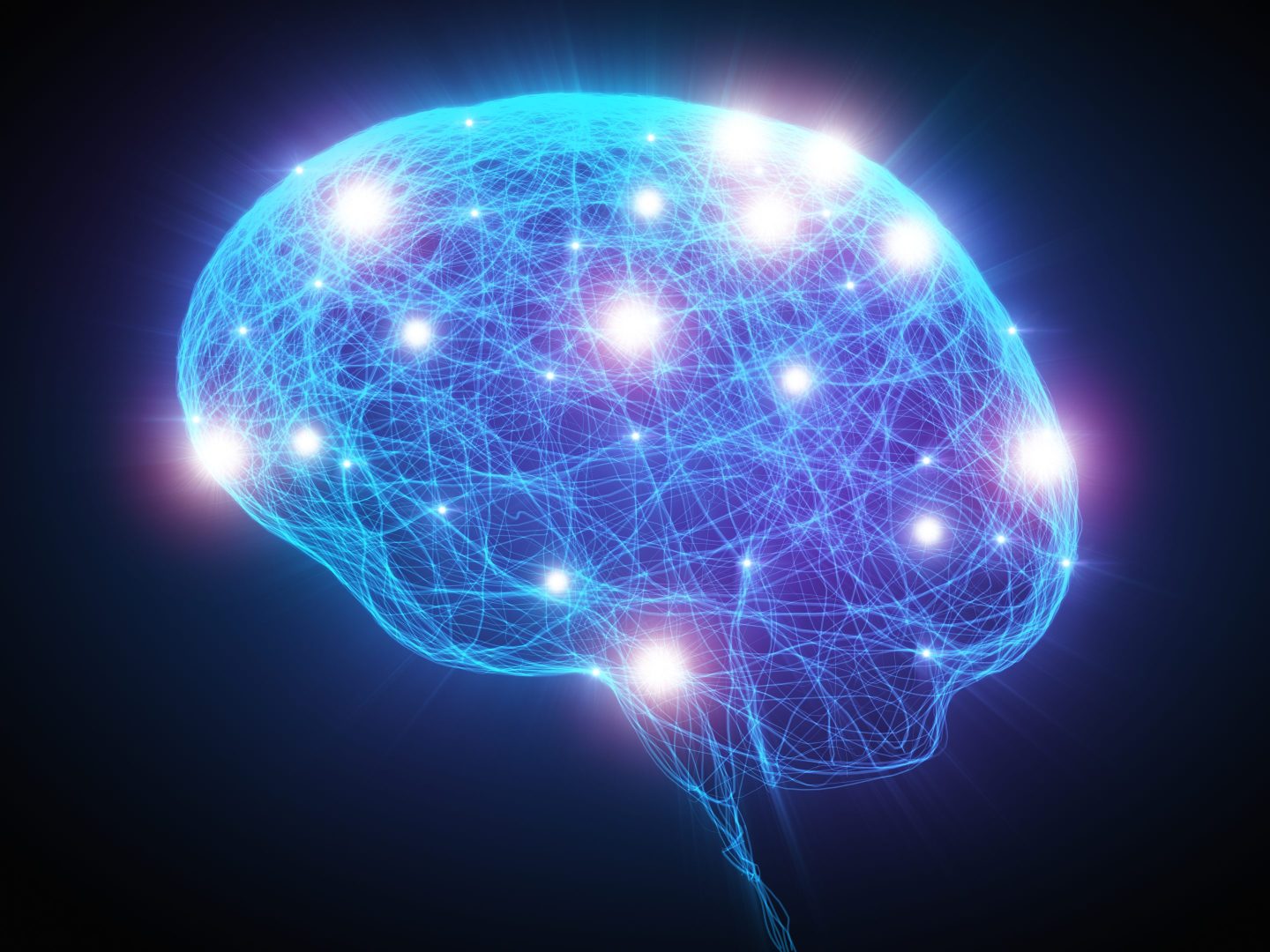
Researchers found that low frequencies in the orbitofrontal cortex corresponded with patients’ subjective pain intensities, providing an objective measure of chronic pain.
Researchers found that low frequencies in the orbitofrontal cortex corresponded with patients’ subjective pain intensities, providing an objective measure of chronic pain.Henrik5000—Getty Images

The big idea

Using a brain implant that can record neural signals over many months, my research team and I have discovered objective biomarkers of chronic pain severity in four patients with chronic pain as they went about their daily lives.

Pain is one of the most important and basic subjective experiences a person can have. While there is plenty of evidence that perception of pain takes place in the brain, there is also a major knowledge gap regarding where and how pain signals are processed in the brain. Even though pain is universal, there has not been a way to objectively measure its intensity.

Most prior studies on the brain signals responsible for pain have relied on laboratory experiments in artificial environments. Until now, most research on chronic pain has used indirect measures of brain activity such as functional magnetic resonance imaging or electroencephalography. Furthermore, although doctors widely recognize that chronic pain is not just an extension of acute pain – like stubbing your toe – it remains unknown how the brain circuits behind acute and chronic pain relate to each other.

Our study was part of a larger clinical trial aimed at developing a new brain stimulation therapy to treat severe chronic pain. My team surgically implanted electrodes in the brains of four patients with post-stroke pain and phantom limb pain to record neural signals in their orbitofrontal cortex, an area of the brain associated with planning and expectation, and cingulate cortex, an area associated with emotion.

We asked the patients about their pain severity levels several times a day for up to six months. We then built machine learning models to try to match and predict each patient’s self-reported pain intensity scores with snapshots of their brain activity signals. These brain signals consisted of electrical waves that could be decomposed into different frequencies, similar to how a musical chord can be broken down into individual sounds of different pitches. From these models, we found that low frequencies in the orbitofrontal cortex corresponded with each of the patients’ subjective pain intensities, providing an objective measure of chronic pain. The larger the shift in low-frequency activity we measured, the more likely the patient was experiencing intense pain.

Next, we wanted to compare the relationship between chronic pain and acute pain. We examined how the brain responded to short-term, intense pain caused by applying heat to the patients’ bodies. Based on data from two participants, we found that the anterior cingulate cortex was more involved in processing acute pain than chronic pain. This experiment provides the first direct evidence that chronic pain involves information-processing areas of brain distinct from those involved in acute pain.

Why it matters

Chronic pain, defined as pain lasting more than three months, affects up to 1 in 5 people in the U.S. In 2019, the incidence of chronic pain was more common than that of diabetes, high blood pressure or depression.

Neuropathic pain resulting from damage to the nervous system, such as stroke and phantom limb pain, often doesn’t respond to available treatments and can significantly impair physical and emotional function and quality of life. Better understanding how to measure brain activity to track pain could improve the diagnosis of chronic pain conditions and help develop new treatments such as deep brain stimulation.

What still isn’t known

Although our study provides a proof of concept that signals from specific brain regions can serve as an objective measure of chronic pain, it is more likely that pain signals are distributed over a wide brain network.

We still don’t know what other brain regions may harbor important pain signals that may more accurately reflect subjective pain. It is also unclear whether the signals we found would apply to patients with other pain conditions.

What’s next

We hope to use these newly discovered neural biomarkers to develop personalized brain stimulation as a way to treat chronic pain disorders. This approach involves incorporating signals into tailored algorithms that would govern the timing and location of brain stimulation on demand, similar to how a thermostat operates.

Prasad Shirvalkar, Associate Professor of Anesthesia, University of California, San Francisco

This article is republished from The Conversation under a Creative Commons license. Read the original article.


Join us at the Fortune Workplace Innovation Summit May 19–20, 2026, in Atlanta. The next era of workplace innovation is here—and the old playbook is being rewritten. At this exclusive, high-energy event, the world’s most innovative leaders will convene to explore how AI, humanity, and strategy converge to redefine, again, the future of work. Register now.
About the Authors
By Prasad Shirvalkar
See full bioRight Arrow Button Icon
By The Conversation
See full bioRight Arrow Button Icon

Latest in Mind

Finance
Lorem ipsum dolor sit amet, consectetur adipiscing elit, sed do eiusmod tempor incididunt ut labore et dolore magna aliqua. Ut enim ad minim veniam
By Fortune Editors
October 20, 2025
Finance
Lorem ipsum dolor sit amet, consectetur adipiscing elit, sed do eiusmod tempor incididunt ut labore et dolore magna aliqua. Ut enim ad minim veniam
By Fortune Editors
October 20, 2025
Finance
Lorem ipsum dolor sit amet, consectetur adipiscing elit, sed do eiusmod tempor incididunt ut labore et dolore magna aliqua. Ut enim ad minim veniam
By Fortune Editors
October 20, 2025
Finance
Lorem ipsum dolor sit amet, consectetur adipiscing elit, sed do eiusmod tempor incididunt ut labore et dolore magna aliqua. Ut enim ad minim veniam
By Fortune Editors
October 20, 2025
Finance
Lorem ipsum dolor sit amet, consectetur adipiscing elit, sed do eiusmod tempor incididunt ut labore et dolore magna aliqua. Ut enim ad minim veniam
By Fortune Editors
October 20, 2025
Finance
Lorem ipsum dolor sit amet, consectetur adipiscing elit, sed do eiusmod tempor incididunt ut labore et dolore magna aliqua. Ut enim ad minim veniam
By Fortune Editors
October 20, 2025

Most Popular

Finance
Lorem ipsum dolor sit amet, consectetur adipiscing elit, sed do eiusmod tempor incididunt ut labore et dolore magna aliqua. Ut enim ad minim veniam
By Fortune Editors
October 20, 2025
Finance
Lorem ipsum dolor sit amet, consectetur adipiscing elit, sed do eiusmod tempor incididunt ut labore et dolore magna aliqua. Ut enim ad minim veniam
By Fortune Editors
October 20, 2025
Finance
Lorem ipsum dolor sit amet, consectetur adipiscing elit, sed do eiusmod tempor incididunt ut labore et dolore magna aliqua. Ut enim ad minim veniam
By Fortune Editors
October 20, 2025
Finance
Lorem ipsum dolor sit amet, consectetur adipiscing elit, sed do eiusmod tempor incididunt ut labore et dolore magna aliqua. Ut enim ad minim veniam
By Fortune Editors
October 20, 2025
Finance
Lorem ipsum dolor sit amet, consectetur adipiscing elit, sed do eiusmod tempor incididunt ut labore et dolore magna aliqua. Ut enim ad minim veniam
By Fortune Editors
October 20, 2025
Finance
Lorem ipsum dolor sit amet, consectetur adipiscing elit, sed do eiusmod tempor incididunt ut labore et dolore magna aliqua. Ut enim ad minim veniam
By Fortune Editors
October 20, 2025
Fortune Secondary Logo
Rankings
  • 100 Best Companies
  • Fortune 500
  • Global 500
  • Fortune 500 Europe
  • Most Powerful Women
  • Future 50
  • World’s Most Admired Companies
  • See All Rankings
Sections
  • Finance
  • Fortune Crypto
  • Features
  • Leadership
  • Health
  • Commentary
  • Success
  • Retail
  • Mpw
  • Tech
  • Lifestyle
  • CEO Initiative
  • Asia
  • Politics
  • Conferences
  • Europe
  • Newsletters
  • Personal Finance
  • Environment
  • Magazine
  • Education
Customer Support
  • Frequently Asked Questions
  • Customer Service Portal
  • Privacy Policy
  • Terms Of Use
  • Single Issues For Purchase
  • International Print
Commercial Services
  • Advertising
  • Fortune Brand Studio
  • Fortune Analytics
  • Fortune Conferences
  • Business Development
  • Group Subscriptions
About Us
  • About Us
  • Editorial Calendar
  • Press Center
  • Work At Fortune
  • Diversity And Inclusion
  • Terms And Conditions
  • Site Map
  • About Us
  • Editorial Calendar
  • Press Center
  • Work At Fortune
  • Diversity And Inclusion
  • Terms And Conditions
  • Site Map
  • Facebook icon
  • Twitter icon
  • LinkedIn icon
  • Instagram icon
  • Pinterest icon

© 2026 Fortune Media IP Limited. All Rights Reserved. Use of this site constitutes acceptance of our Terms of Use and Privacy Policy | CA Notice at Collection and Privacy Notice | Do Not Sell/Share My Personal Information
FORTUNE is a trademark of Fortune Media IP Limited, registered in the U.S. and other countries. FORTUNE may receive compensation for some links to products and services on this website. Offers may be subject to change without notice.


Latest in Mind

A pessimistic looking male worker at his desk
MindWorkplace Wellness
The ‘triple threat’ endangering worker well-being and undermining productivity—especially for Gen Z
By Beth GreenfieldJune 18, 2025
9 months ago
A man alone on a beach wearing a coat, his back to the camera
Mindmental health
Loneliness is bad for your health—but it may not be as deadly as once thought, new research finds
By Beth GreenfieldJune 16, 2025
9 months ago
Man sleeping in bed wearing eye mask
Lifestylesleep
Night owls tend to have more health risks than early birds—including cognitive decline, new study finds
By Beth GreenfieldMay 30, 2025
10 months ago
Young man sitting alone, looking forlorn, in a darkened room
Lifestylemental health
Gen Z and millennial men in the U.S. are among the loneliest in the western world. Here’s why
By Beth GreenfieldMay 21, 2025
10 months ago
LifestyleBrain
What happens to your brain when you work too many hours, according to new research
By Alexa MikhailMay 21, 2025
10 months ago
Lifestylemental health
Remote employees are lonelier, sadder, and angrier, survey finds
By Ani FreedmanMay 15, 2025
10 months ago