A plumber who shows up to fix a leaking toilet with a single tool is not likely to succeed. The same is true if a mental health professional offers only one approach for a complex problem like depression.
Sadly, the number of people struggling with depression increased dramatically at the height of the COVID-19 pandemic. Stress – from school closures to job losses to the death of loved ones – made life more challenging and increased the risk of developing emotional difficulties. For some groups that have experienced discrimination, ongoing inequities made their mental health even worse.
There is a professional debate about whether depression is a social problem or a disease. Despite this debate, a 62% increase in yearly spending on U.S. mental health care, from $131 billion in 2006 to $212 billion in 2015, has not led to the intended level of improvement for patients.
This makes it clear that the current approach is falling short, but there are a host of viable alternatives for helping to treat patients who are suffering with depression.
We are a health and biological psychologist who treats hospitalized patients with depression and anxiety and a doctoral student in social work studying how to improve the lives of socially isolated older adults.
As mental health professionals, we see the effects of the ongoing mental health crisis on a daily basis.
An overreliance on medication causes harm
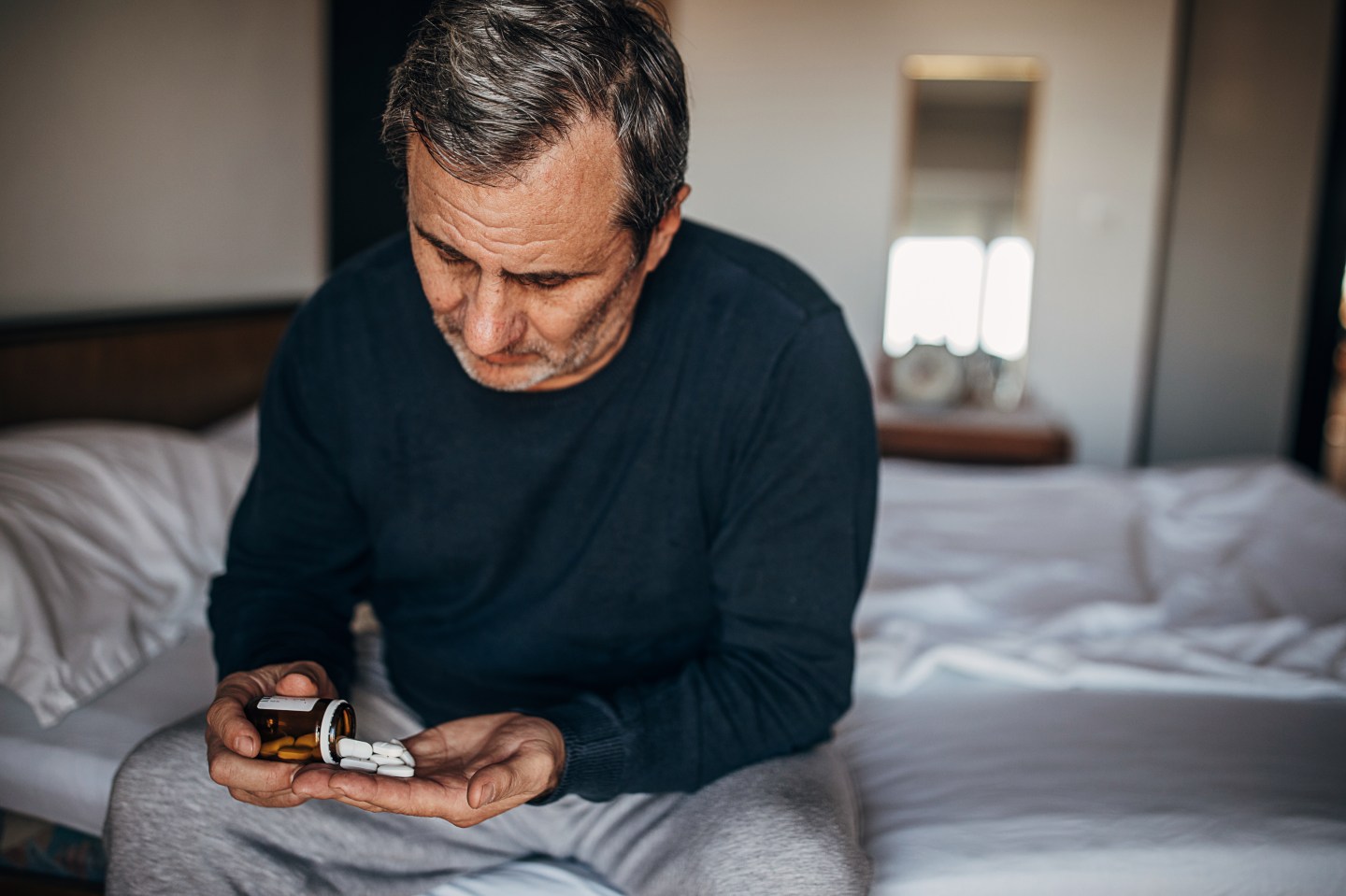
More than 13% of U.S. adults take an antidepressant medication for depression or for other reasons. Many people report feeling better on antidepressants, though there is debate about what causes the improvements.
Unfortunately, nearly 3 in 4 who take these drugs do not get complete relief from antidepressants. As we discussed in a recent paper, people who do not feel better on antidepressants are usually categorized as having a difficult-to-treat type of depression referred to, controversially, as “treatment-resistant depression.”
We see patients who feel demoralized by the implied and untrue notion that their depression is “incurable” after only trying medication but not lower-risk treatments like psychotherapy and other effective alternatives. We help them find hope again.
The U.S. health care system relies heavily on medication and other biomedical treatments for depression. But in fact there are numerous non-drug-based solutions for prevention and treatment of depression.
Holistic concepts that promote flourishing and thriving, as well as whole-health initiatives and mind-body medicine focus on the entire person. These concepts have not yet been fully integrated into approaches to public mental health.
The quest to understand well-being and depression
There are many hardworking, highly successful people who do not feel fulfilled with life from time to time. When this internal lack of fulfillment also includes other symptoms like a loss of hope and becomes severe enough to disrupt daily life for a period of two weeks or more, it may be medically diagnosed as depression.
In the 1960s, researchers proposed that depression was caused by a chemical imbalance of a neurotransmitter called serotonin in the brain. In 1988, the pharmaceutical company Eli Lilly introduced an antidepressant medication based on that idea.
However, after decades of experiments, researchers have failed to find evidence showing support for the chemical imbalance theory. A recent study highlights the growing realization that antidepressant medicationsdo not work in the simplistic way in which they have been advertised for decades.
This is important because antidepressants have side effects that can be serious. For a doctor and patient to weigh the risks and benefits of taking an antidepressant, they need accurate information about both. The chemical imbalance theory interfered with that conversation.
Tools to heal depression
So what exactly does contribute to overall well-being and happiness to help stave off depression?
A large body of research shows that biological, psychological and social factors contribute to feeling satisfied in life or to developing depression. Because each individual is unique, there is not a one-size-fits-all formula for well-being.
Many people find relief from depression by talking to a psychotherapist. High-quality psychotherapy has been shown to be as effective as and longer-lastingthan antidepressant medication when treating depression.
Therapy activates an individual’s hope and natural resilience by creating a safe and emotionally warm relationship through which the therapist and client work together toward common goals. In addition to helping clients learn about their emotions, thoughts, relationships and patterns of behavior, a good therapist explores how to help their clients identify everyday activities that can improve wellness.
The things we do on a day-to-day basis, called lifestyle factors, function as building blocks for a life without depression. Physical movement, good nutrition, healthy sleep, healthy levels of stress and stress management, social connection, finding meaning and purpose and spiritual practices all play important roles in preventing and treating depression.
These are too often wrongly trivialized as less effective than professional treatment. In fact, though, a recent study showed that exercise is even more effective than medication or counseling. Another eye-opening study showed that 85% of people who received no treatment still recovered from depression within one year.
As mental health professionals, we find these results both humbling and inspiring. It means that the general public has solutions for depression that the mental health system has too often overlooked. This is consistent with the scientific study of healing, which shows that the body has a tremendous and overlooked ability to repair and heal itself under the right circumstances.
Consider the example of laughter therapy, a stress hormone-reducing, mood-lifting practice used in 120 countries. Laughter leaders guide groups of people in exercises that stimulate contagious laughter. Not everyone will react the same way to laughter therapy, but it is effective at increasing well-being for some people, so it belongs in the tool box of therapies to try.
Hope comes in many forms
One research initiative has identified communities, called blue zones, where people tend to live long, healthy and satisfying lives. The lifestyles of people living in these areas, like Ikaria, Greece, and Okinawa, Japan, are characterized by social connection, consumption of mostly plant-based foods, a high sense of purpose, environments that support physical movement and intentional relaxation. Customs in different countries and environments show that these principles are visible across the globe in many different forms.
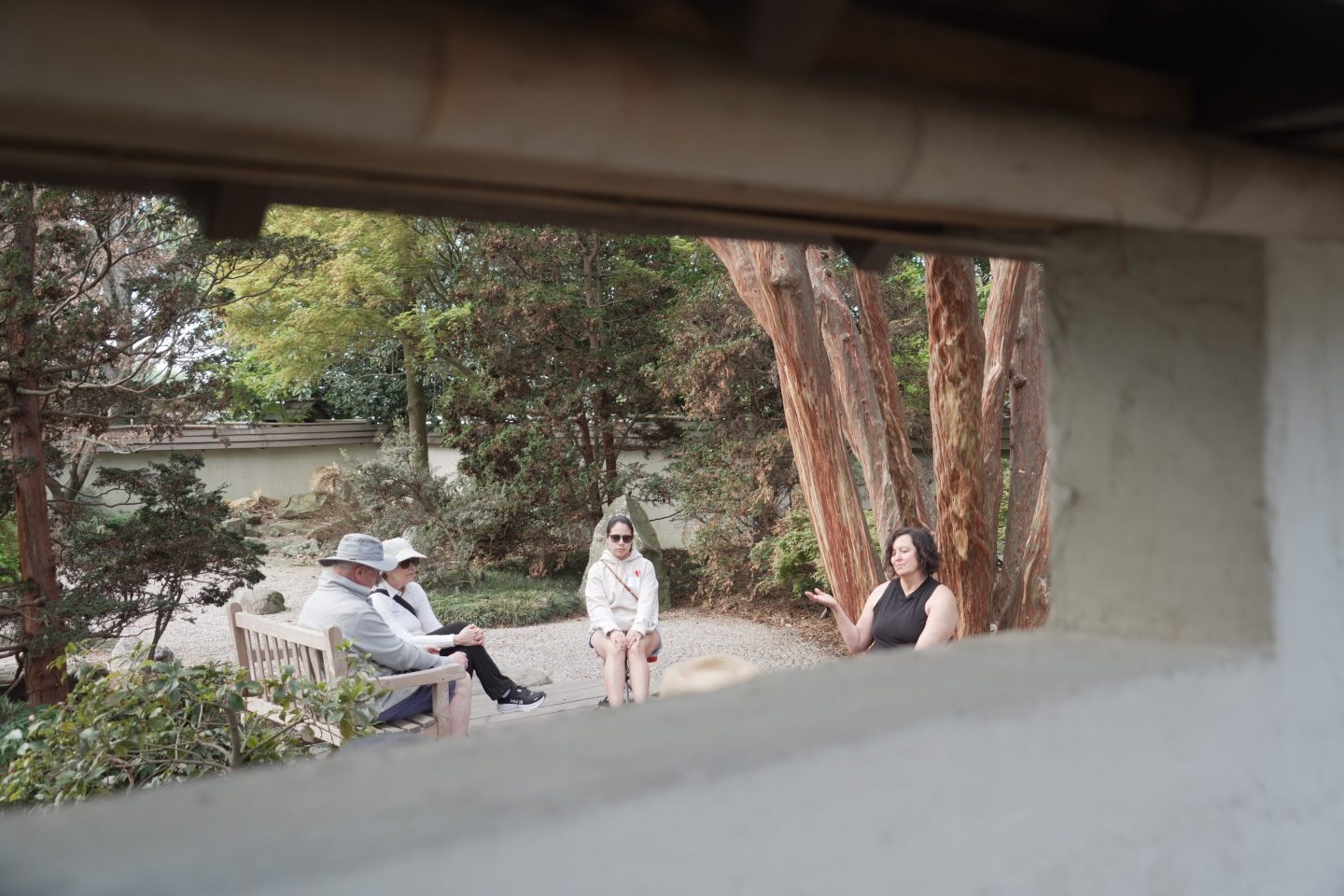
Many cultures extol the benefits of being in nature. Nordic countries use the word friluftsliv, which means “outdoor life,” to describe the practice of getting outdoors to improve well-being. In Japan, some people practice shinrin-yoku, translated as forest bathing or opening up the senses to the natural world’s scents, sights and sounds.
Researchers have also found that access to green space is associated with lower levels of depression symptoms. Other studies show that gardening is linked with less depression, stronger social connections and improvement in quality of life. Gardening also gives those with access a chance to move their bodies and eat more homegrown vegetables as part of an anti-depression nutrition plan.
We cannot describe everything on the endless list of life-affirming, research-supported and low-risk methods to decrease stress, boost mood and enhance fulfillment. But here are a few more examples:
- aromatherapy
- light therapy
- yoga
- music
- animals
- making art
- gratitude practice
- sexual activity
- positive psychology
- playfulness enhancement
- mobile apps
- self-help tools like “tapping” to help with strong emotions
- peer and social support programs
These seemingly simple interventions are powerful because they lead to health-promoting psychological and physiological changes.
Staying true to what works
Clinicians, researchers and leaders have been trying to identify the best treatment for depression for at least two decades.
This is an unanswerable question. Some treatments work extremely well for certain people and cause terrible reactions for others. When standard research protocols try to capture these effects, it can look like there is no effect of the treatment because the positive effects average out with the negative effects.
A search for the holy grail of a neurobiological cause for depression has drawn attention away from efforts to implement what is already known about how to promote health.
To live one’s best life, everyone needs safety, shelter, clothing, good nutrition, good sleep, physical movement, loving and kind social connection and a sense of meaning and purpose. There are many ways to help people get there.
This article is republished from The Conversation under a Creative Commons license. Read the original article here.