Companies say they want collaboration. Then comes CEO succession, when the rules seem to change.
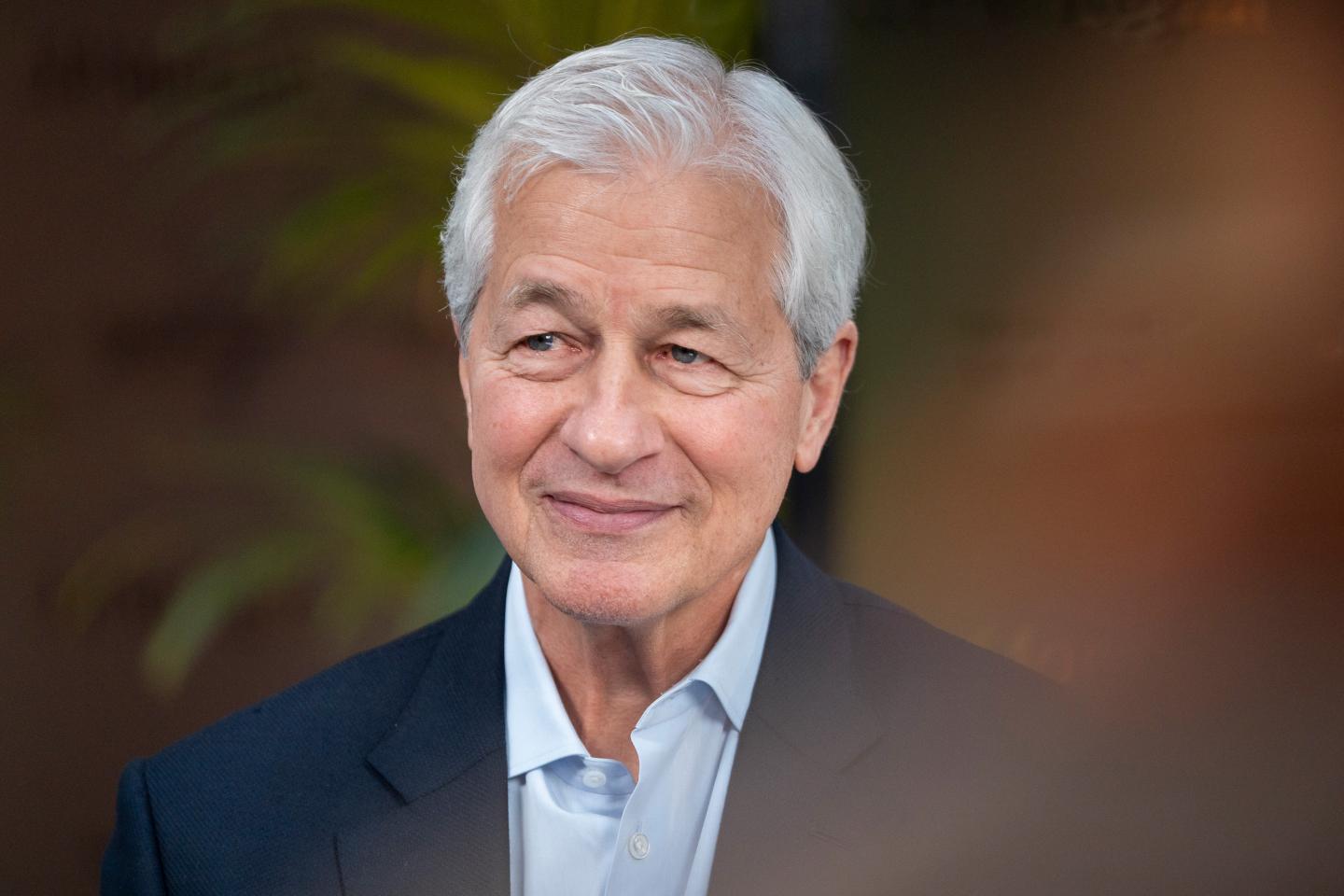
JPMorgan Chase last week elevated Doug Petno and Troy Rohrbaugh to co-presidents, setting up a direct contest to succeed CEO Jamie Dimon. In doing so, the bank embraced a strategy that many of the world’s biggest companies still rely on despite its risks.
While a head-to-head succession race gives directors a clearer view of who is best equipped to run a company, it can also reshape relationships at the highest levels of the organization long before a CEO is chosen.
For directors, the appeal is straightforward. Running a global company requires earning the confidence of investors, regulators, employees, and customers while making decisions across the entire business. A succession race allows boards to watch finalists lead different divisions, navigate crises, and build support across the organization.
JPMorgan’s latest reshuffle follows that playbook. Rohrbaugh, who spent much of his career in trading and investment banking, will now lead the consumer bank, giving him experience overseeing the lender’s largest business.
Petno will take sole control of the commercial and investment bank. Rather than signaling a winner, the moves broaden each executive’s résumé and give the board a richer basis for comparison over the next several years.
This approach has a long pedigree. General Electric famously put several executives through an extended succession contest before selecting Jeff Immelt to succeed Jack Welch in 2001. While the process helped identify a successor with broad operating experience, it also sent several accomplished finalists on to chief executive roles elsewhere.
Disney’s first CEO succession under Bob Iger offers a similar lesson. By the time Bob Chapek was appointed in 2020, leading contenders Thomas Staggs and Kevin Mayer had already departed. JP Morgan is already seeing that dynamic play out with the retirement announcement of Marianne Lake, CEO of Consumer & Community Banking, who has long been viewed as a leading contender to succeed Dimon. Her departure underscores how quickly a succession field can narrow once the board’s preferred direction becomes clear.
That tension explains why CEO succession remains one of a board’s most difficult responsibilities. Name an heir too early, and the company loses flexibility if circumstances change. Keep multiple candidates in the running, and the board gains more information, but risks losing the very executives it spent years developing.
JPMorgan’s latest moves suggest its board believes that tradeoff is worth making. The next few years will determine whether the competition produces the strongest possible successor to Dimon or is another reminder that even the best-designed succession races rarely end with every contender staying in the fold.
Ruth Umoh
ruth.umoh@fortune.com
Smarter in seconds
Gen(eration) AI. When AI puts Gen Z in the C-suite
Resource reallocation. The new CMO playbook: how marketers are balancing broader remits and tighter budgets
Survival mentality. Now worth $200 million, Sarah Jessica Parker credits being ‘one of eight kids that struggled financially’ for her hunger, ambition, and work ethic
Leadership lesson
TIAA’s Thasunda Duckett on identity beyond title: “There will come a time when I will no longer be the CEO…What that means for me—and what I want it to mean to everyone—is: What do you own? I own my character.”
News to know
JPMorgan's succession race is the latest reminder that women still face an uphill climb to the CEO seat. Fortune
New York's business leaders have shifted from resisting the city's influential mayor to cautiously engaging with him. Fortune
Micron has become one of AI's quietest winners by supplying the memory chips that power the technology. Fortune
Trump again threatened Iran with annihilation as regional tensions intensified. CNBC
MacKenzie Scott contributed one-third of the $19.2 billion in U.S. megagifts made last year. Fortune
Meta is acknowledging that its relentless efficiency drive may have come at the expense of employee trust and morale. BI
A billion-dollar mining agreement is drawing scrutiny over potential gains for Trump's sons. NYT
The CEO's job is becoming harder, lonelier, and less rewarding. Bloomberg
Stadium sponsors transformed FIFA's branding restrictions into an advertising opportunity. WSJ