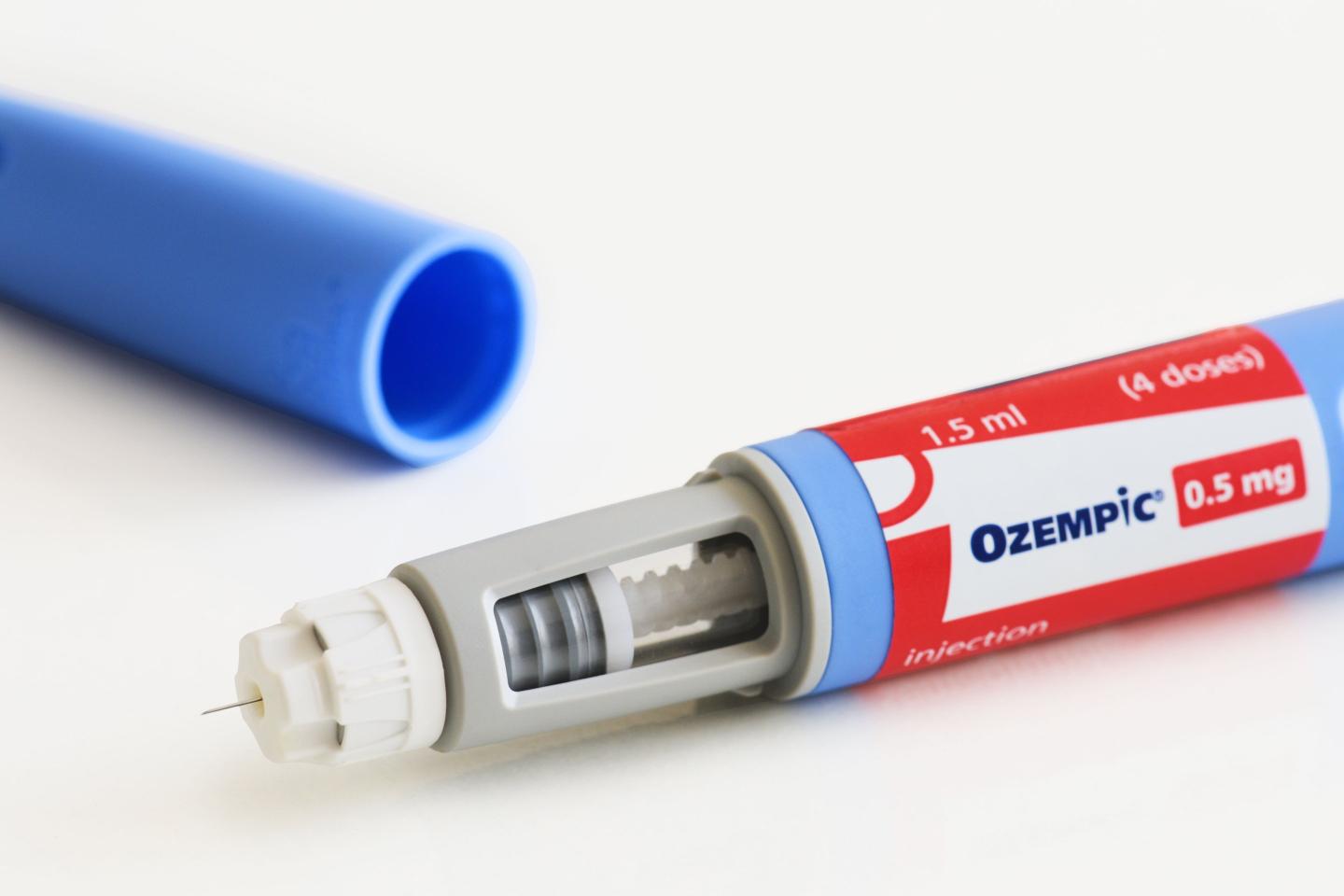
GLP-1 drugs must now carry a warning label about a potential link to a rare eye condition that can result in vision loss, the U.S. Food and Drug Administration announced on Nov. 9. 2026. The eye condition is called non-arteritic anterior ischemic optic neuropathy, or NAION, and doctors often refer to it as a stroke of the eye.
I am a clinician and epidemiologist who has studied GLP-1 drugs, and my colleagues and I published one of the studies that identified a link between GLP-1 drugs and NAION.
Millions of people around the world take these medications – including 30 million in the U.S. – to treat diabetes and obesity and reduce the risk of cardiovascular disease. They are also being investigated for an expanding list of clinical conditions.
The data on which the FDA’s warning is based suggests a real but low risk of NAION for people taking GLP-1 medications. This is not a trivial or inconsequential outcome for those who develop the eye stroke. But on balance, if you’re using the medication for an FDA-approved condition such as diabetes or obesity on the advice of your doctor, the risk should not deter you from doing so.
Here’s what patients who use GLP-1 drugs need to know about this rare but serious side effect.
What is NAION?
NAION is an injury to the optic nerve, which is the nerve that connects the eye to the brain. This eye condition is caused by a sudden reduction in blood flow. Without enough blood flow, patients may experience sudden, painless blurry vision, dark patches, partial loss of vision or even blindness.
These symptoms generally persist and often lead to permanent visual impairment. Patients often notice these symptoms first thing in the morning when they wake up, as it tends to happen more frequently at night when blood pressure is naturally lower.
How did the FDA identify the connection?
As use of GLP-1 drugs increased – particularly since 2021, when they were approved for obesity – cases of NAION began to emerge. A 2024 study of close to 17,000 patients referred to ophthalmology clinics was the first to show a potential link. It reported an increased risk of the eye condition among the subset of those patients who were prescribed a GLP-1 drug.
To determine that the connection was strong enough to merit a warning, the FDA first compiled data from 126 randomized, controlled clinical trials of GLP-1 drugs. Those trials included a total of 134,253 patients – 78,217 of them were on GLP-1 drugs and 56,036 received a placebo or a different medication, for comparison.
Per year, on average, the incidence of NAION cases was 6.4 per 100,000 people for patients taking the GLP-1 drugs and 3.8 per 100,000 among people given a placebo or other drug. This translated into 2.6 extra cases of NAION per 100,000 patients on GLP-1 drugs.
In a separate analysis, the FDA reviewed GLP-1 drug data from its own network of sentinel programs that track the real-world safety of approved medications. They assessed how often people with type 2 diabetes who started either a GLP-1 drug or two other common types of diabetes medications reported having NAION between 2019 and 2024.
Patients taking GLP-1 drugs had a small but meaningfully higher risk compared to one type of diabetes drug, called DPP-4 inhibitors, which prevent the breakdown of the body’s own natural GLP-1. Over the course of one year, those taking GLP-1 drugs experienced NAION at a rate of 32 per 100,000 and those taking DPP-4 inhibitors at a rate of 26 per 100,000. This resulted in 6 extra cases of NAION per 100,000 patients among people on GLP-1 drugs.
Is there other evidence of the risk?
Other studies that use real-world data such as electronic health records or insurance claims to track the health of people over many years have also found a consistent association between GLP-1 drugs and NAION.
For example, my colleagues and I tracked nearly 600,000 U.S. veterans with type 2 diabetes starting either a GLP-1 drug or a different drug over three years. For patients on GLP-1 drugs, we found that the incidence of this eye disorder was roughly 390 cases per 100,000 people, compared with 290 per 100,000 on an alternative medication. In other words, among people taking GLP-1 drugs, there were about 100 extra cases per 100,000 patients.
That number varied somewhat across studies, probably because of group differences among patients. For example, in some, patients were on average older, or also had other conditions that might contribute to their risk.
What’s clear is that the slightly increased risk of NAION does not seem to be specific to any one GLP-1 drug but can occur regardless of which GLP-1 drug a patient takes. It’s possible that some GLP-1 drugs may have a higher risk than others, but so far, there’s no research addressing this.
The FDA’s announcement follows a 2025 review by European regulators, which examined NAION risk in only one type of GLP-1 drug, called semaglutide. It concluded that this eye condition is a very rare side effect of semaglutide and mandated that the package insert be updated to include NAION as a very rare side effect.
The upshot for patients
The risk of NAION with GLP-1 drugs is likely real. All the evidence – the FDA’s two analyses, the real-world studies conducted by independent researchers and the fact that two regulators reached the same view independently – points in the same direction.
But in terms of the total number of people who are likely to experience this side effect, the risk is small. In my view, this makes the FDA’s warning not a cause for alarm but rather an unlikely but not impossible outcome that both clinicians and patients should be aware of.
Clinicians should discuss it with their patients before prescribing a GLP-1 drug – and patients should be educated on the symptoms of NAION and how to tell if they are experiencing it.
Patients should also seek immediate care at the earliest signs of vision problems. For patients who have previously had NAION or who already have risk factors for it, including smoking, diabetes, high blood pressure, sleep apnea, anemia and kidney disease, careful discussion weighing the risks and benefits is important.
Ziyad Al-Aly, Clinical Epidemiologist, Washington University in St. Louis
This article is republished from The Conversation under a Creative Commons license. Read the original article.
