
Good morning. Yesterday afternoon I caught up with Yotam Segev, the chief executive of Cyera, a New York City cybersecurity company focused on protecting companies from themselves.
That’s my characterization, of course. While many security companies focus on fortifying corporate walls from external invaders, Cyera is mostly focused on making sure companies’ well-meaning employees—and not so well-meaning ones, let’s be real—don’t let their special sauce flow out the side door. (No wonder the startup appeared on our recent Fortune Cyber 60 list.)
Given all the news headlines about unruly AI agents, I had to ask Segev for his take, even if the benefit to his business is obvious.
The good news? “This can be solved, technologically,” he said.
The bad: “Cybersecurity as an industry has traditionally lagged three years behind the technologies of business,” he said. “That was an acceptable gap, but not when it comes to AI. And [so far] it’s not speeding up.”
Gird your loins, CISOs. Today’s tech news follows. —Andrew Nusca
Thoughts? Suggestions? Hot tip? Drop me a line.
THE BIG STORY
Apple battles surging memory chip costs
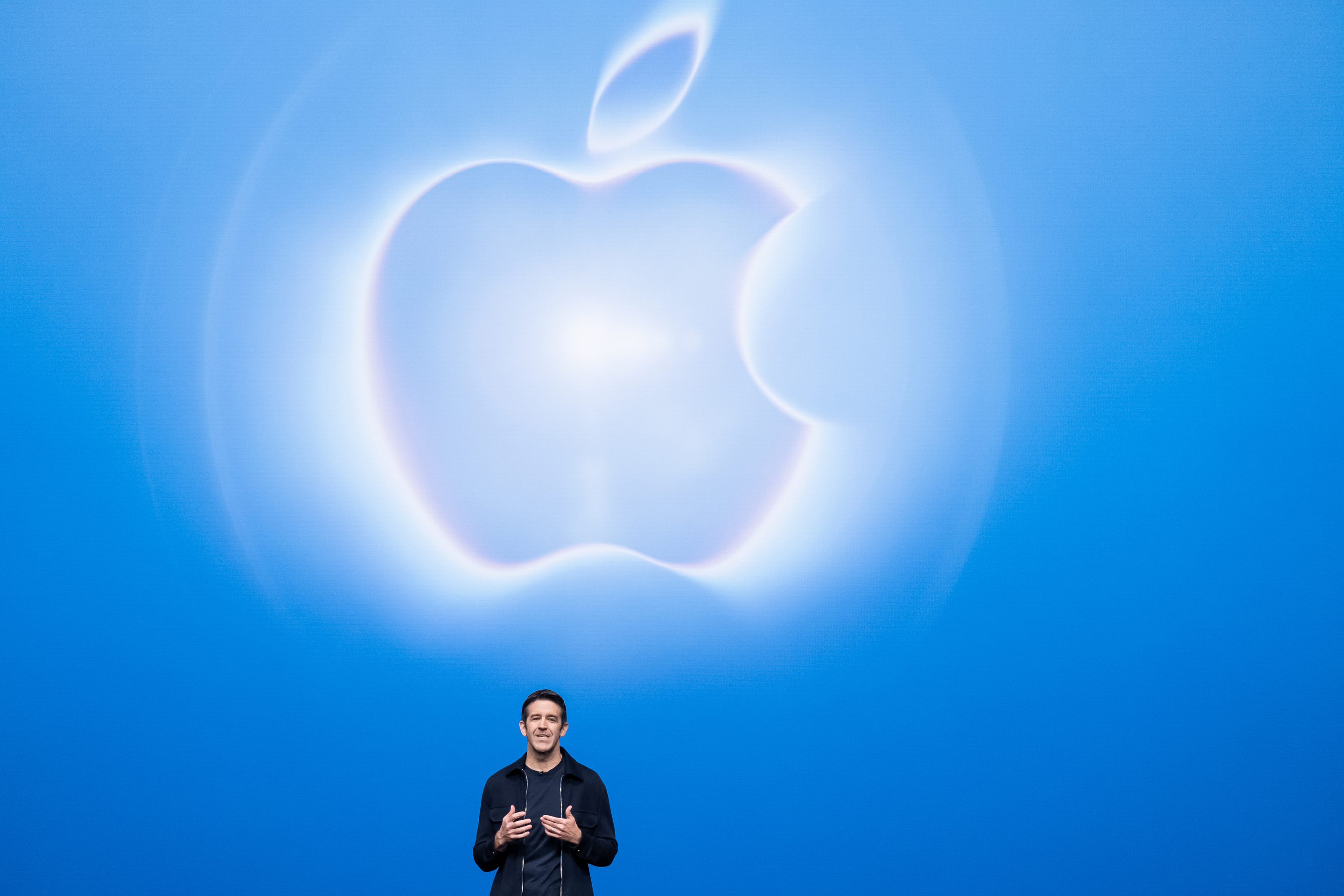
Apple beat expectations in chief executive John Ternus’s first quarterly earnings report since taking over Tim Cook’s post in September.
Yet the company continues to feel pressure from a surge in memory chip costs.
The iPhone maker posted fourth-quarter revenue of $114.5 billion, more than what Wall Street analysts had expected. Its profit was $30.7 billion. iPhone revenue came in at $57.58 billion. Both figures were also higher than projections. Its Services revenue, which includes iCloud, the App Store, and other services, was $31.57 billion.
Shares in the company were trading slightly down in after-hours trading.
Ternus said in a written statement that iPhone revenue reached a September quarter record and Services posted an all-time high, “capping off our best fiscal year ever.”
“We’re closing the year with our most ambitious lineup yet,” he said. “Together with the all-new Siri AI, it’s an incredible lineup to carry us into the holiday season.”
Many investors have been watching the impact of rising memory chip prices on Apple and how it will weigh on margins. Apple signaled in July that the issue would put pressure on its business.
Nonetheless, Apple’s fourth-quarter gross margin rose to 47.9% from 47.2% a year earlier, landing near the high end of its forecast range. Gross margin declined from 50.1% in the preceding quarter. Apple said tariff refunds added approximately one percentage point to the latest quarter’s margin, compared with about two percentage points in the June quarter.
Ternus has marked his first couple of months at Apple with a slew of product releases that have helped the engineer savant show off Apple’s latest innovations and ease into the new job. That has included the September launch of the foldable iPhone Duo, followed by new home products, and last week’s unveiling of Apple’s first touch screen MacBook Pro.
Apple’s fiscal results followed financial reports from its Big Tech peers. Meta, Microsoft, Google, and Amazon all revealed their latest earnings in the last two weeks.
While the companies generally had positive results, shares in the Nasdaq Composite have sunk in recent days as investors have weighed Big Tech’s positive growth, especially in cloud-computing demand for AI services, against the hundreds of billions Microsoft, Amazon, and others are spending in AI infrastructure. —Sebastian Herrera
THE BLIND BOX
“I think California is something special. I want to fight for California.”
THE RUNDOWN
—Palantir revenue rises 96% to $2.3 billion as investor patience for AI ROI wears thin.
—More supermarket freezers in Europe experience temperature spikes from suspected hacks.
—Apple is reportedly developing a tabletop robot with a screen and swiveling arm.
—SpaceX may acquire Boost Mobile after Verizon, AT&T, and T-Mobile declined requests for network access.
—Anthropic’s updated IPO filing shows slower growth and higher costs for the third quarter.
—Brazil's largest crypto exchange is hacked. Mercado Bitcoin halted withdrawals after more than $46 million in assets was compromised.
—Marvell will officially acquire Lumentum in a $115 billion all-stock deal.
—Oracle sells $10 billion in common stock and $10 billion in bonds for chip purchases and its data center buildout.
THE PARTING SHOT
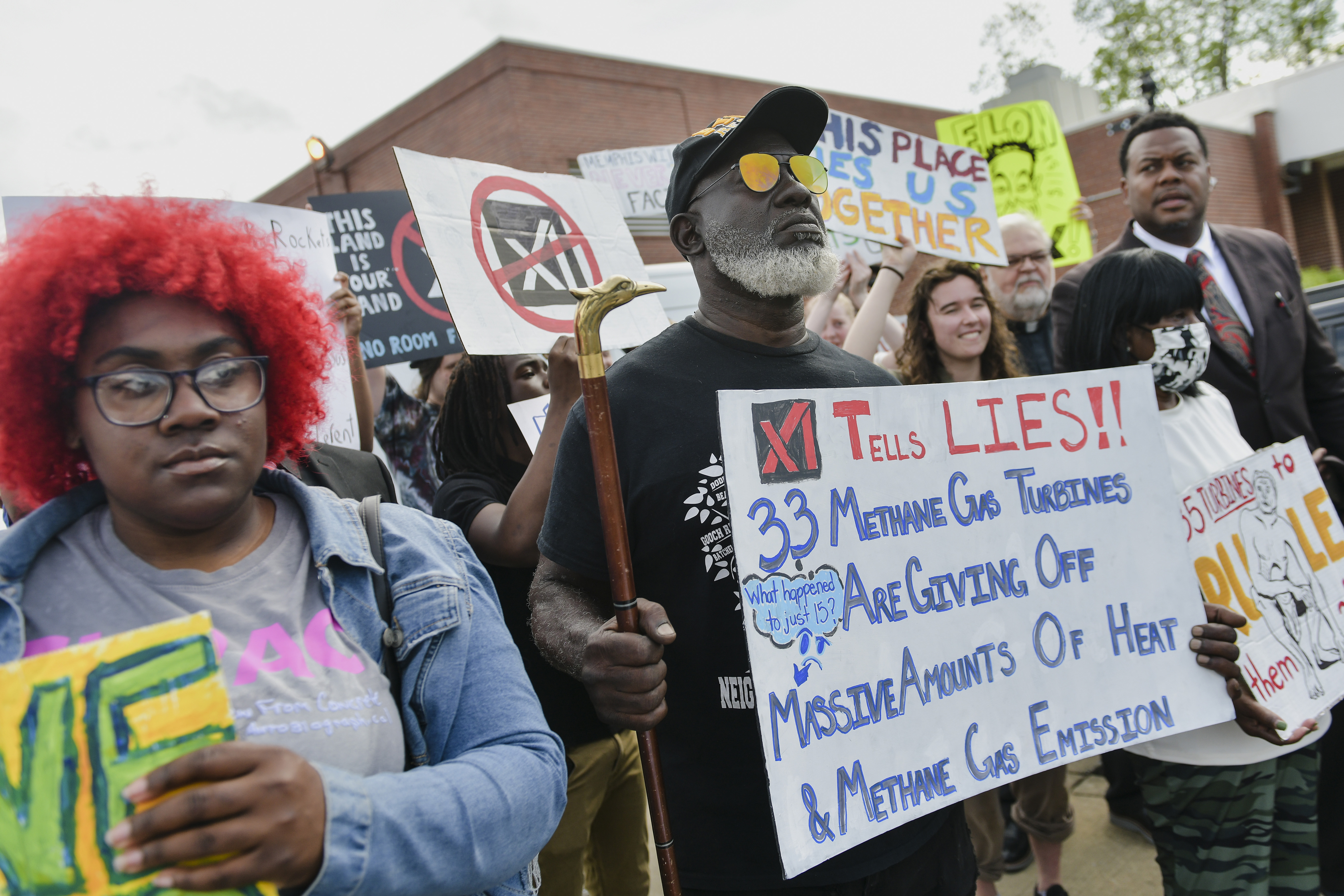
As U.S. midterm election results roll in, which races should you watch if you’re interested in how AI data centers will play out among the electorate?
Here are three:
—Ohio Senate race. Sherrod Brown, a Democrat and former U.S. senator, has put opposition to data centers at the heart of his campaign, calling incumbent John Husted, a Republican, the “face of data centers.”
—Texas Governor race. Less than a year ago, Republican incumbent Greg Abbott called his state an “epicenter of AI development.” Now he’s pushing a moratorium on data center approvals—and opponent (and state representative) Gina Hinojosa has jumped on the flip flop.
—Tennessee’s 9th District. Justin Pearson, a Democrat, is running to be a state representative in a district that voted for Donald Trump by more than 21 percentage points in 2024. But Pearson has made opposition to xAI data centers central to his campaign and was trailing his Republican opponent by just four percentage points.