
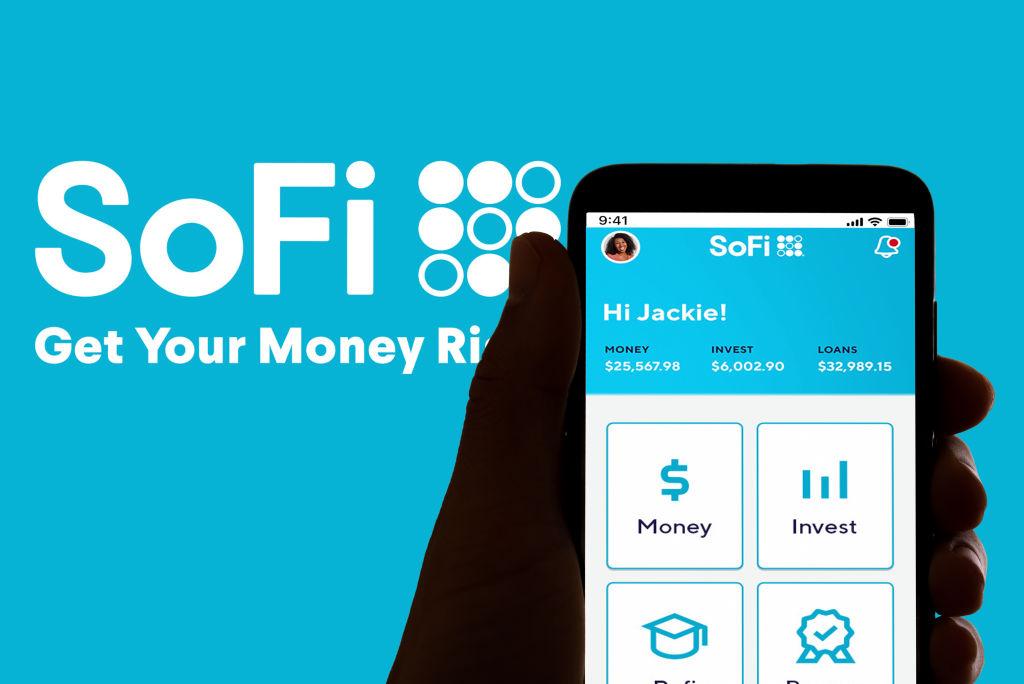
The convergence between traditional and blockchain-based worlds of finance continues to accelerate. The latest example came on Thursday when the personal finance company SoFi announced it is offering tokenized deposits, which are functionally equivalent to cash but are stored on a blockchain.
The new product is called SoFi Earn, or SOFIE, and those who hold the tokenized deposits will earn a 4.4% rate of interest and benefit from FDIC protection.
The launch comes amid an ongoing, and often confusing, debate over the merits of tokenized deposits versus stablecoins, which are another form of dollar equivalents long embraced by the crypto industry. The two types of digital dollar are worth the same, but are subject to different regulatory regimes and use cases.
Stablecoins like USDC, which is owned by Circle and Coinbase, are backed by a 1-to-1 reserve of dollars or U.S. Treasuries and can be transferred to anyone in the world who holds a crypto wallet. But they are a form of currency that, for now at least, exists outside the U.S. banking system, and are ineligible to earn interest or receive backing from the FDIC.
This has led banks like Citi to create tokenized deposits for institutional customers as a way to capture some of the benefits of blockchain, such as instant settlement and 24/7 money movement, while still operating within the confines of the existing banking regime. SoFi, which holds a federal banking charter, is the first to do so at the consumer level. Tokenized deposits, however, can only be used to move money if both parties have a relationship with the bank that created them—a big limitation in the view of stablecoin advocates.
It’s not immediately obvious why SoFi is offering tokenized deposits given that its customers can already earn a competitive interest rate from the company’s savings account product, and also buy its SoFiUSD stablecoin. But in an interview with Fortune, CEO Anthony Noto said SoFi Earn will appeal to crypto users—who often park their money in stablecoins while riding out market ups and downs—looking to earn yield.
“I say to my team ‘money doesn’t sleep’ doesn’t mean it just moves 24/7, but it also needs to be making money 24/7,” he said.
Noto explained that, in these cases, SoFi customers will be able to buy Bitcoin and other cryptocurrencies using their tokenized deposits. He also described crypto companies as “low hanging fruit” when it comes to those who would embrace SoFi Earn, explaining that they will be able to pay Mastercard and other service providers that also have accounts with SoFi.
In the bigger picture, says Noto, SoFi’s decision to offer tokenized deposits is a way to add another piece to its growing suite of financial services. He added that, for practical purposes, this means that individuals and companies will be able to easily toggle between legacy networks like ACH and wire transfers and blockchain-based options—all in a single interface.
The launch of SoFi Earn comes after the recent collapse in Congress of a major piece of crypto legislation known as the Clarity Act. The bill foundered in large part over a provision that would have allowed companies to pay interest on stablecoins. The banking industry has argued that such a provision could pose an existential threat to financial stability—while the crypto industry and others have claimed the real reason for the banks’ opposition is to protect their current business model, which often pays consumers virtually nothing for the money in their accounts.