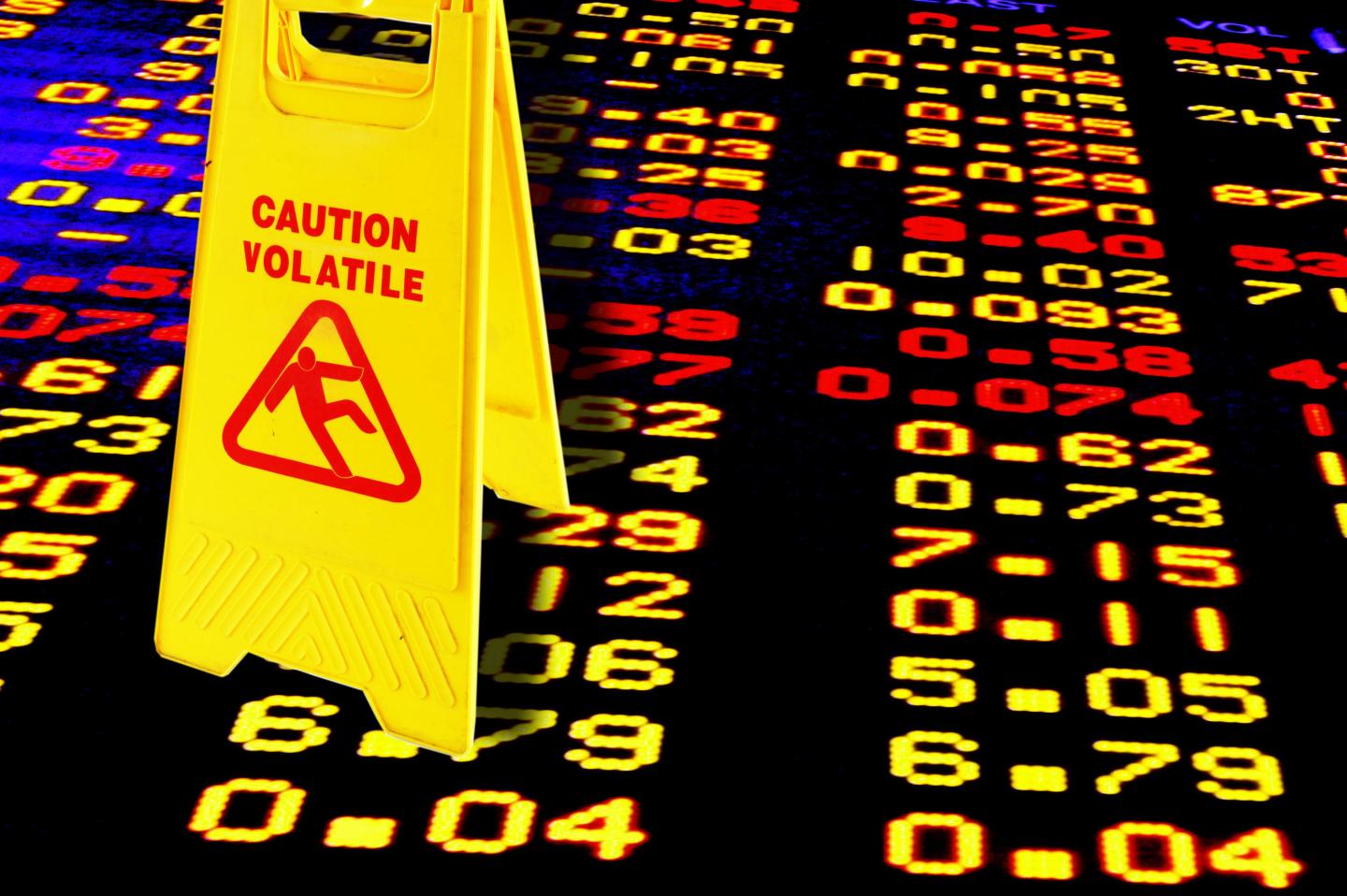
As Wall Street’s biggest banks prepare for Q3 earnings starting next week, in one sense things have never looked better. Trading desks have been setting records. Blockbuster public offerings like SpaceX in June have also given bankers plenty reason to celebrate.
But are the people who know the business best starting to have doubts about how long the run can last? A new report from VerityData showed that the number of financial executives buying shares of their own companies fell to a nearly 23-year low during the July-to-September quarter.
According to Ben Silverman, head of research at VerityData, there were just 298 “unique financial-sector buyers,” or employees who made at least one purchase of their company’s stock, in Q3. That was the lowest in the financial research firm’s records, which go all the way back to 2004, and also just under the prior record low of 302 buyers in the third quarter of 2024.
The number of sellers was somewhat higher, but not by an unusual amount. The report factors in insider trading activity across more than 3,000 financial services companies. That ranges from big banks to asset managers to insurers. This mirrored the pattern across the broader stock market. Insider buying fell 18% to 1,290 buyers, down from 1,580 in the second quarter.
But why does this matter? At a glance, securities filings show that executives at JPMorgan routinely unload shares worth upwards of $800,000 in a quarter. A little over a month ago, a Goldman insider also sold more than $600,000 worth of company stock.
Sometimes investors watch insider trading for clues about how those closest to a company view its business. Buying shares can mean management is more confident in a company’s future. Selling, however, can be harder to interpret. Instead, executives may sell shares to cover taxes, diversify their holdings or through prearranged trading plans.
Jesse Fried, a Harvard Law School professor, believes fewer financial executives buying their own shares can indicate “a bearish signal for that sector.” That’s because “inside purchases by executives tend to predict future market-beating returns for their firms,” Fried told Fortune in an emailed statement.
Meanwhile, VerityData’s Silverman says the lack of buying suggests insiders are “skittish” about valuations.
“When equity prices get to a point that insiders feel that there’s a price dislocation between where the market’s perceiving a valuation, and where they believe it to be, they’ll hold off on buying,” Silverman added. “Like other investors, they’re not trying to chase stocks and they’re not trying to buy something they think is perhaps above fair value.”
Not everyone agrees that investors should even factor in insider activity for the sector. “I’m very skeptical that this means anything,” Nejat Seyhun, a finance professor at the University of Michigan Ross School of Business, told Fortune. “When you look at how predictive insider trading is in the financial sector, it isn’t predictive at all.”
Although insider trading generally can have a correlation with future returns in the market broadly, Seyhun says banks are among the weakest areas for that kind of prediction.
That’s because bank stocks are particularly difficult to forecast, given that their performance depends heavily on macro factors rather than information that management might have about the company. He pointed to changes in monetary policy, interest rates and inflation levels.
“Those are the kinds of things that affect the banking sector the most, and that’s not the kind of information an executive can have,” Seyhun added. “So, as a result, it’s very difficult for them to predict future stock returns in their own companies.”
What’s next for the big banks ahead of Q3 earnings?
W
It’s a lot for investors to digest going into earnings. JPMorgan and Goldman Sachs will post third quarter results on Oct. 13. Morgan Stanley will follow suit on Oct. 14.
Though profits and revenue growth have generally been strong this year, the IPO market has stalled, with Oura and Bamboo Insurance delaying their offerings last month. The Fed raised interest rates around the same time, which can make corporate dealmaking more difficult. Not to mention companies are taking out massive loans for their buzzy AI plans. That borrowing spree, in turn, could present a risk to large Wall Street firms if clients are unable to pay them back.
Bank stocks have been underperforming the market recently, too. As of Wednesday, the KBW bank index is down nearly 11% over the past month, bucking the S&P 500’s 1% advance. The financial index is still up 3% so far in 2026.
“That’s something to have in your cons column as people, or as investors, are preparing to digest those earnings and understand them,” he added. “And if they’re looking to position ahead of it, then it’s certainly a negative data point.”