
The share of companies led by female CEOs on the Fortune 500 has been stalled at around 11%. On the Global 500, just 6.8% of companies are run by women. And Europe is somewhere in the middle.
The 2026 Fortune 500 Europe was released yesterday, and women are running 8.6% of companies on the list. That’s up from 8.2% a year earlier—for a 2026 a total of 43 female chief executives.
For a refresher on the difference between all these lists: the Fortune 500 ranks the 500 largest companies based in the U.S. The Global 500 ranks the 500 largest companies in the world (U.S. included), which means companies must be even larger to make the cut. And the Fortune 500 Europe, of course, determines the biggest 500 companies by revenue based in Europe.
Looking at the differences in female CEO representation across these rankings, we can get a sense of where each part of the world is at when it comes to advancement of women in business.
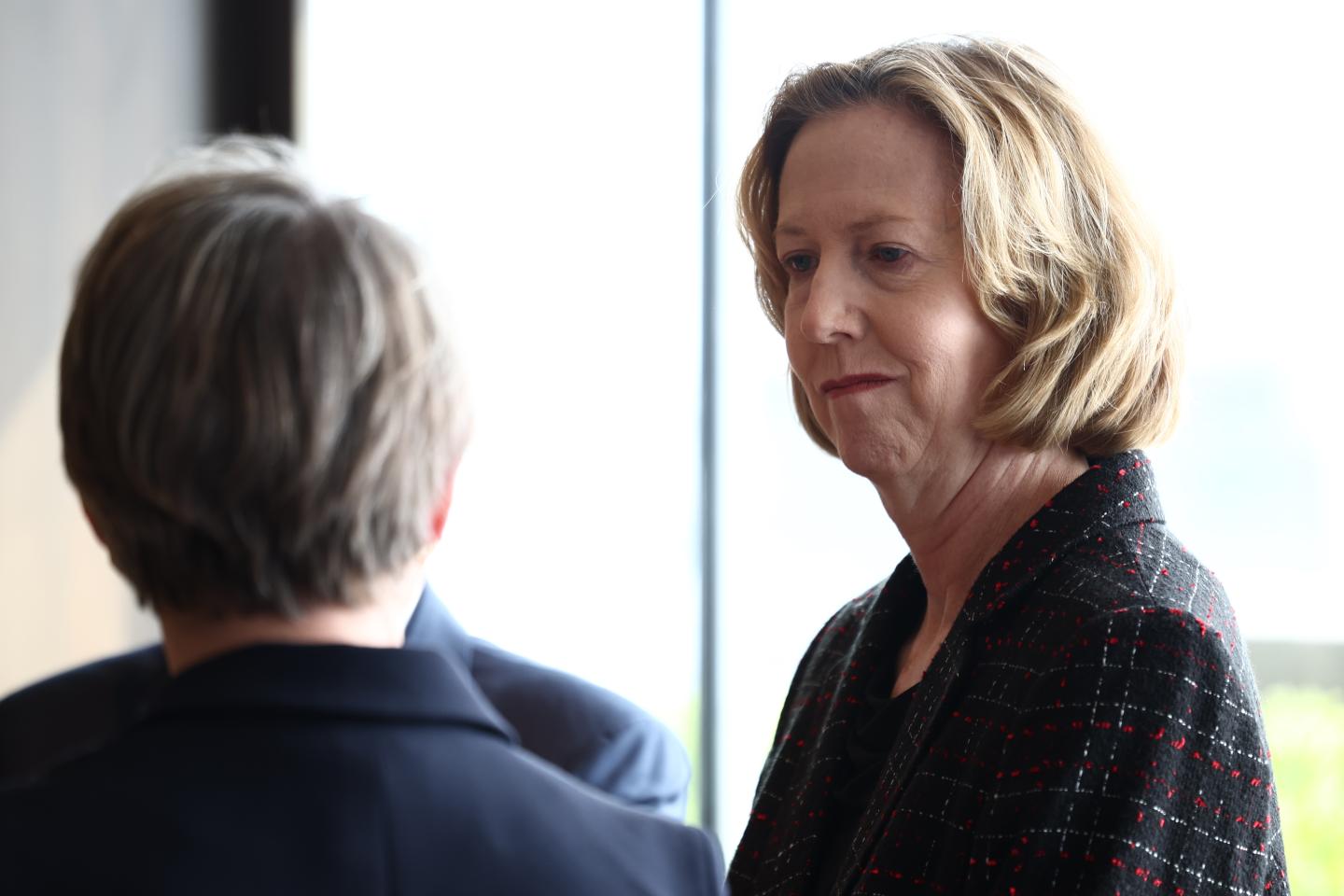
The most revealing stats on the Fortune 500 Europe relate to the oil business BP, which is No. 4 on the list with $193 billion in revenue. (Energy companies occupy almost the entire top 5.) Meg O’Neill took over BP this year, and it’s the largest woman-led company on the Fortune 500 Europe and the only one in the top 10. It’s also the only one in the top 20 or 30. The next up is No. 39 Engie, led by Catherine MacGregor—and they’re the only two women-led companies in the top 50. Women lead just nine companies in the top 100. Both O’Neill and MacGregor, of course, rank in the top 20 of the 2026 Fortune Most Powerful Women list.
Companies led by female CEOs were responsible for $1.2 trillion in revenue on this year’s list, up 24% from $1 trillion last year. O’Neill and BP are to thank for much of that increase. The share of revenues for woman-run companies is 8.0%, up from 6.7% last year but less than the 8.6% of companies women run. This confirms that on average, women run smaller companies on the list than men do.
Other leaders of Fortune 500 Europe companies to note include Karin Rådström, who leads Daimler Truck, the world’s largest manufacturer of commercial vehicles. My colleague Sam Forsdick just published a new profile of Rådström, who is used to being the only woman in the room and has overseen an almost 40% increase in the company’s share price.
You can explore the full list here, with a handy filter for female CEOs.
Overall, we can tell from this year’s rankings that the U.S. is still ahead on getting women into CEO roles—and women are still mostly running smaller companies, not the true giants of the top 100, anywhere in the world.
Emma Hinchliffe
emma.hinchliffe@fortune.com
The Most Powerful Women Daily newsletter is Fortune’s daily briefing for and about the women leading the business world. Subscribe here.
ALSO IN THE HEADLINES
The Lindsay Clancy case could change postpartum health care. Massachusetts Gov. Maura Healey is proposing providing free home visits by nurses to all parents with newborns as well as updating regulations governing mental health screening of new mothers after the high-profile trial.
What is Dollywood without Dolly? Dollywood co-owner Herschend Entertainment must figure that out. The park is in the middle of a $500 million expansion with rides and amenities that Dolly Parton signed off on.
Dina Powell McCormick and Meta's AI empire. The Meta president and vice chairman (No. 58 on the Fortune Most Powerful Women list) has some eyes on her role in Mark Zuckerberg's Meta strategy. "It became clear to me that she could play a bigger role in Meta’s next chapter," Zuck says of asking Powell McCormick to come on full time for "the most important job she'll ever have."
SiriusXM is still snapping up podcast talent. The radio company last fall lost Ashley Flowers of Crime Junkie, who by some measures is the top female podcaster in the U.S. It just inked a four-year deal with Hannah Berner and Paige DeSorbo of Giggly Squad. The deal is rumored to be around $160 million—which would be bigger than Alex Cooper's Call Her Daddy deal.
ON MY RADAR
The unsettling ambiguity of early pregnancy New Yorker
Forever Twiggy NYT
ICE lost count of miscarriages, while detaining a record number of pregnant women Guardian
PARTING WORDS
"The feelings I thought would be there somehow weren’t: namely jealousy, that this woman could do for a child—for my child—what I could not. ... Instead, I felt a different kind of jealousy—toward said baby, for the chance to be tucked into someone who radiated such safety."
—Lena Dunham, on welcoming her first child via surrogate. She wrote about the experience (and shopping for vintage baby clothes) in Vogue