
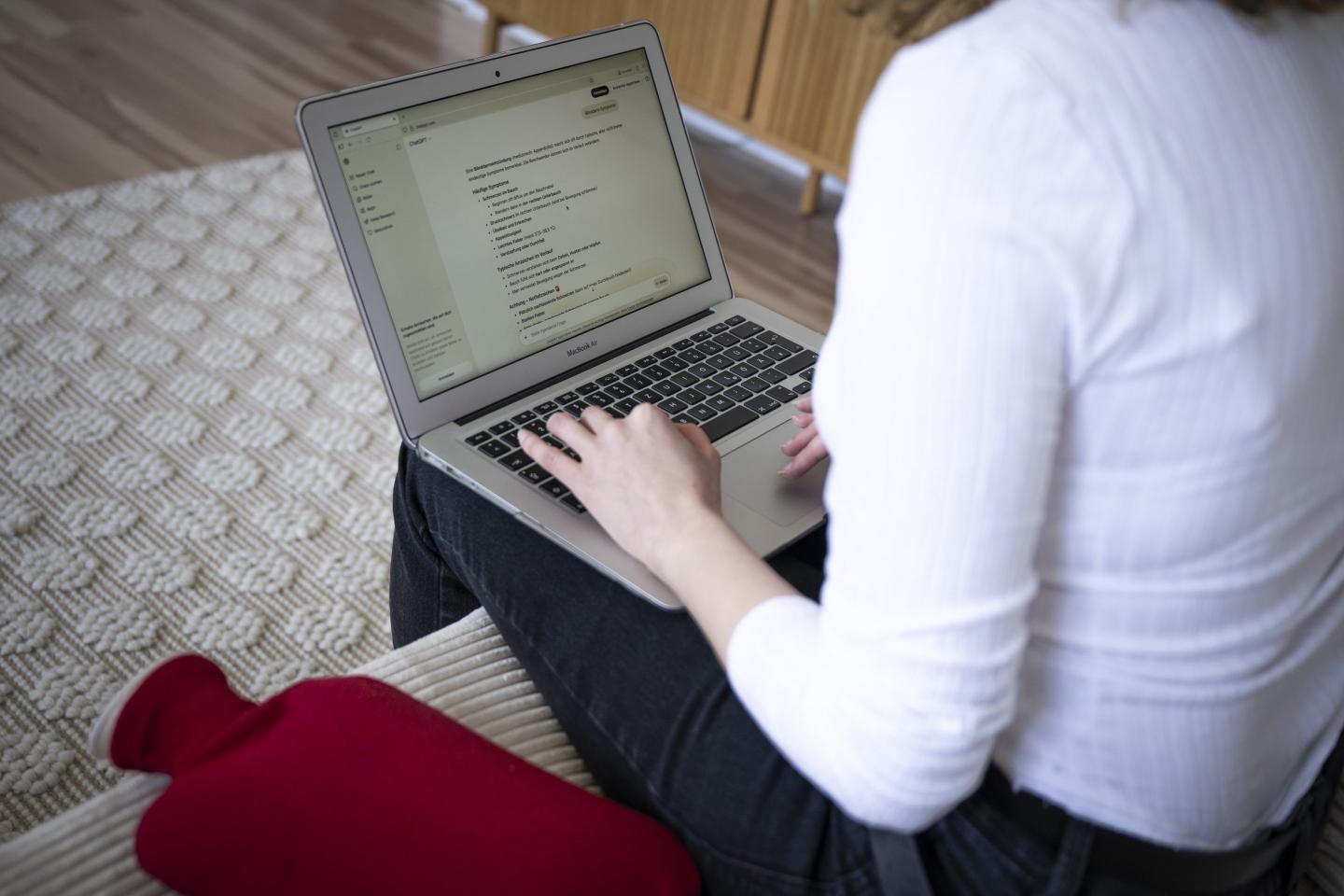
Amanda Cullen is just a few years away from entering a workforce in which AI is becoming harder to avoid. But in most of her classes at North Carolina State University, the rule has been not to use it at all.
“Most of my classes have been no AI,” said Cullen, a first-year who expects to graduate in 2030. Many of her professors have explicitly noted on the syllabus that AI is off limits, she said, unless it is properly cited.
While Cullen’s personal feelings about AI are mixed and she only uses it on occasion, she questioned whether banning it outright is realistic.
“If it’s such a mainstream thing in careers, we should know how to do it in school,” she told Fortune.
Finding the right balance between banning AI outright and allowing students to become overreliant on it is now vexing universities nationwide. Adding to the confusion is the fact that the technology has radically improved in less time than it would take to complete a typical four-year degree.
AI is becoming increasingly unavoidable in the work force. A study by consulting firm McKinsey from late last year found 88% of companies are using AI, while a PWC study published in June this year found a 62% average wage premium for workers with AI skills.
At the same time, AI has made cheating on assignments—a perennial problem in higher education—much easier, and some experts have raised concerns that using AI models on coursework prevents students from mastering the essential skills they need for a future profession.
Second-year NC State mechanical engineering student Lauren Callen said she understands the concern over cheating that leads professors to ban the technology, but said she prefers when professors instead establish guidelines for using it responsibly.
“I get teachers not wanting to use AI for anything, but, I mean, the world’s changing, people are using AI everywhere,” Callen told Fortune.
One of her introductory Python courses, she said, incorporated AI into the curriculum rather than fighting it. As part of the course, students can use AI models for help on assignments but have to upload transcripts of their prompts and the AI’s responses.
NC State, for its part, doesn’t have a single AI policy for the entire university and allows its faculty members the freedom to decide when the technology can and can’t be used.
“Faculty are provided with resources to establish clear, course-specific expectations that may permit, limit or prohibit AI use; students are responsible for following those expectations and upholding academic integrity,” a spokesperson for NC State said in a statement to Fortune.
Across the country, professors themselves are still trying to determine where to draw the line on AI use.
Sabrina Habib, an associate professor of visual communications at the University of South Carolina, dealt with this question as the inaugural AI coordinator for the College of Information and Communications.
She said in the earlier days of AI, many of her fellow faculty members objected to students’ use of the technology because they believed it would take away from learning the fundamentals that are so important to later advanced learning.
While those concerns haven’t disappeared altogether, Habib said faculty attitudes have shifted as AI has become more present in everyday personal and work life.
“Almost everyone has understood and accepted that it is a skill for the workforce,” Habib said.
While some of her assignments are off limits for AI, she does allow students to use it in many cases as long as they disclose how they used it and provide evidence, or sometimes write a short reflection on how they used it. This approach, she said, allows her to teach students to use AI responsibly.
“We don’t want to eliminate it because then we’re missing the opportunity of teaching how to use it in a way that’s ethical and critical,” she said.
To be sure, some students like Cullen are taking steps to limit their own use of AI even when professors aren’t explicitly asking them to.
“I feel like people should be able to have their own ideas and not rely on a computer that’s been programmed what to think,” she said.