AI is expanding faster than any technology in history, propelled by competing hyperscalers and millions of users. And as a result, the data centers built to enable this growth have drawn scrutiny from communities and across party lines, including concerns over higher electric bills.
But there’s also an emerging imbalance: OpenAI, Google and Meta can finance and build AI infrastructure faster than the U.S. can build the electricity generation and transmission needed to power it.
“There is a real disconnect there,” Rob Gramlich, president of consulting firm Grid Strategies, told Fortune. He said tech companies are famous for moving fast while utilities “notoriously move very slowly” because they have to ensure thousands of pieces of an interconnected grid are working together, which requires “deliberate study and planning” that can take years.
This creates a “mismatch in timing,” Gramlich said, which is why the electric grid might not be ready to meet data centers’ electricity demand. They’re projected to consume nearly 12% of all U.S. electricity by 2030, nearly six times the pre-AI boom share in 2018, according to the Lawrence Berkeley National Lab, a federally funded scientific research center focusing on energy.
Electricity demand is also growing faster than expected over the next decade because of AI. Grid watchdog NERC’s 2025 assessment of the grid’s reliability projects summer peak electricity demand in North America will grow by more than 224 GW in the next 10 years—69% above the growth projected a year earlier–-driven by new AI data centers. Within the Western U.S. grid region, planned data centers average 10% of demand forecasts, and can run as high as 40% in some areas.
The grid was already constrained before the AI boom. Gramlich said the U.S. electricity industry had “got out of practice on building new infrastructure” after 25 years of little growth in power demand. He said this is because big grid expansions in the 1980s and 1990s had left utilities with extra capacity, and the period between 2000 and 2023 didn’t see the same electricity demand growth as previous decades, when kitchen appliances and air conditioning took off.
“But now we have electric vehicles, we have electric space heating, we have new manufacturing, much of which is using electricity more than traditional manufacturing, and then we have data centers,” Gramlich said. “The growth is about half data centers and half those other new things, but those new quickly expanding uses of electricity are happening all at once.”
Access to electricity as a bottleneck to data centers
Kathryn Burke, who leads U.S. specialty energy and power growth at insurance firm Marsh, told Fortune that access to power is “probably the number one, if not top five bottlenecks for data center development in the U.S. right now,” but that demand is now colliding with an energy grid that still needs updating.
She said companies are asking for more power and at a faster delivery rate than the grid can handle. A gigawatt of electricity—which can power 750,000 U.S. homes—can take “a lot more time” to generate than the two years companies typically are requesting, Burke said. For instance, U.S. power projects that came online in 2025 spent a median of five years from requesting a grid connection to operating commercially, according to separate Berkeley Lab research.
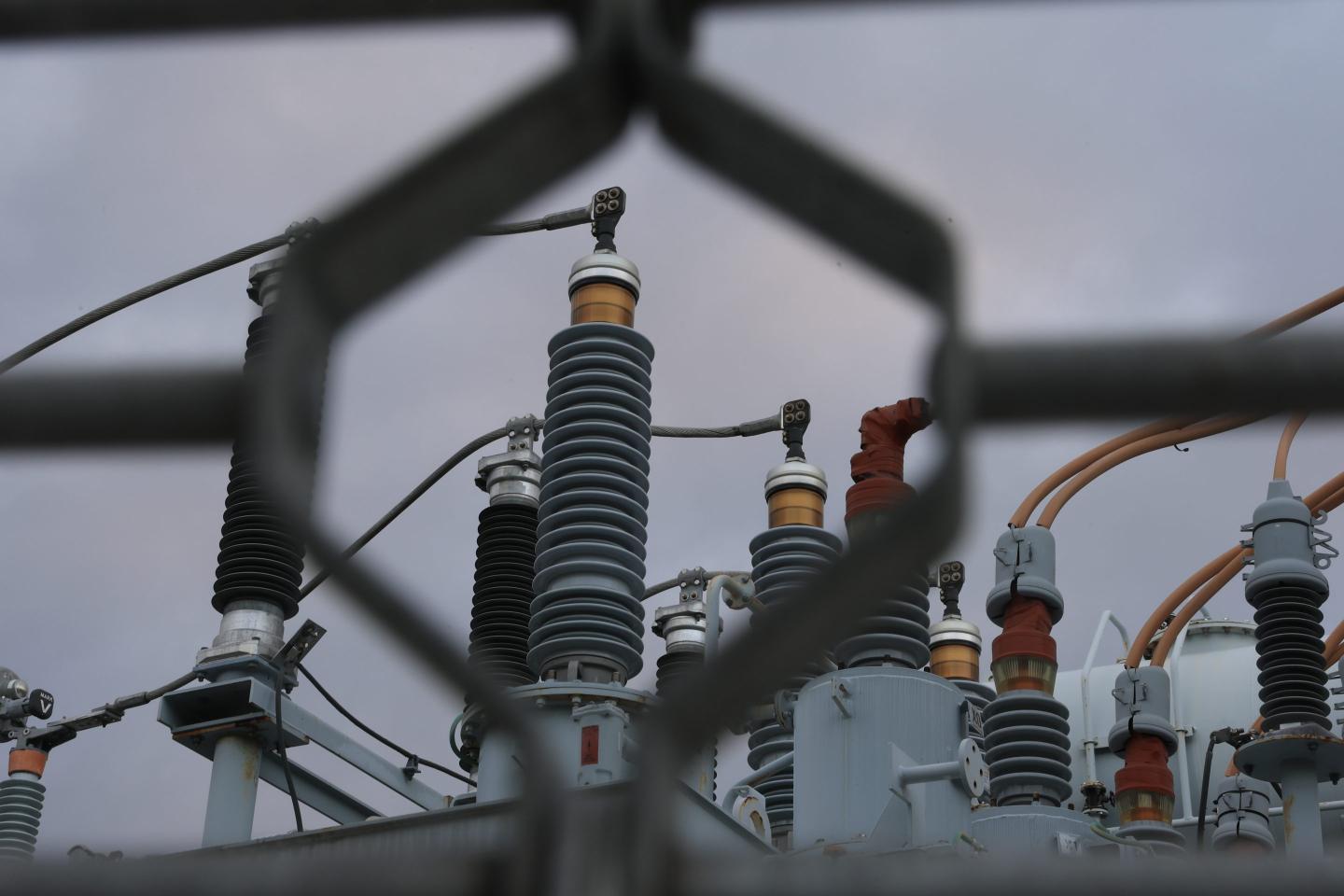
Providing electricity also requires infrastructure that the country doesn’t have. The Department of Energy said in July that there’s a “pressing need” for more of it “due to load growth from data centers” among other factors like a growing economy.
The most immediate consequence may not be widespread blackouts. Gramlich said utilities don’t generally connect new customers if they cannot reliably serve them. Instead, data centers may have to wait years for full service or accept provisional connections under which their electricity can be interrupted when the grid is strained.
“There is scarcity on the grid,” Gramlich said. “Not everybody’s going to get the full level of service that they want, at least until the system can catch up to these new demands.”
Burke said that because utilities have to invest in new generation capacity and grid updates to serve data centers, they’re asking for more money from data center developers so that they’re not “stranded” if the data center doesn’t follow through. She predicts around 50 to 60% of data center projects will be delayed and won’t be up and running within the one-to-two-year period companies are hoping for.
“It’s hard to predict how many of these data centers are actually going to get built at the end of the day if they get the financing, if they get all of the different constraints, and so that’s an area that is still a question mark, but we are seeing a lot of that slowdown,” Burke said.