

Good morning. On Fortune’s radar today:
- DeepMind is losing the war for AI talent.
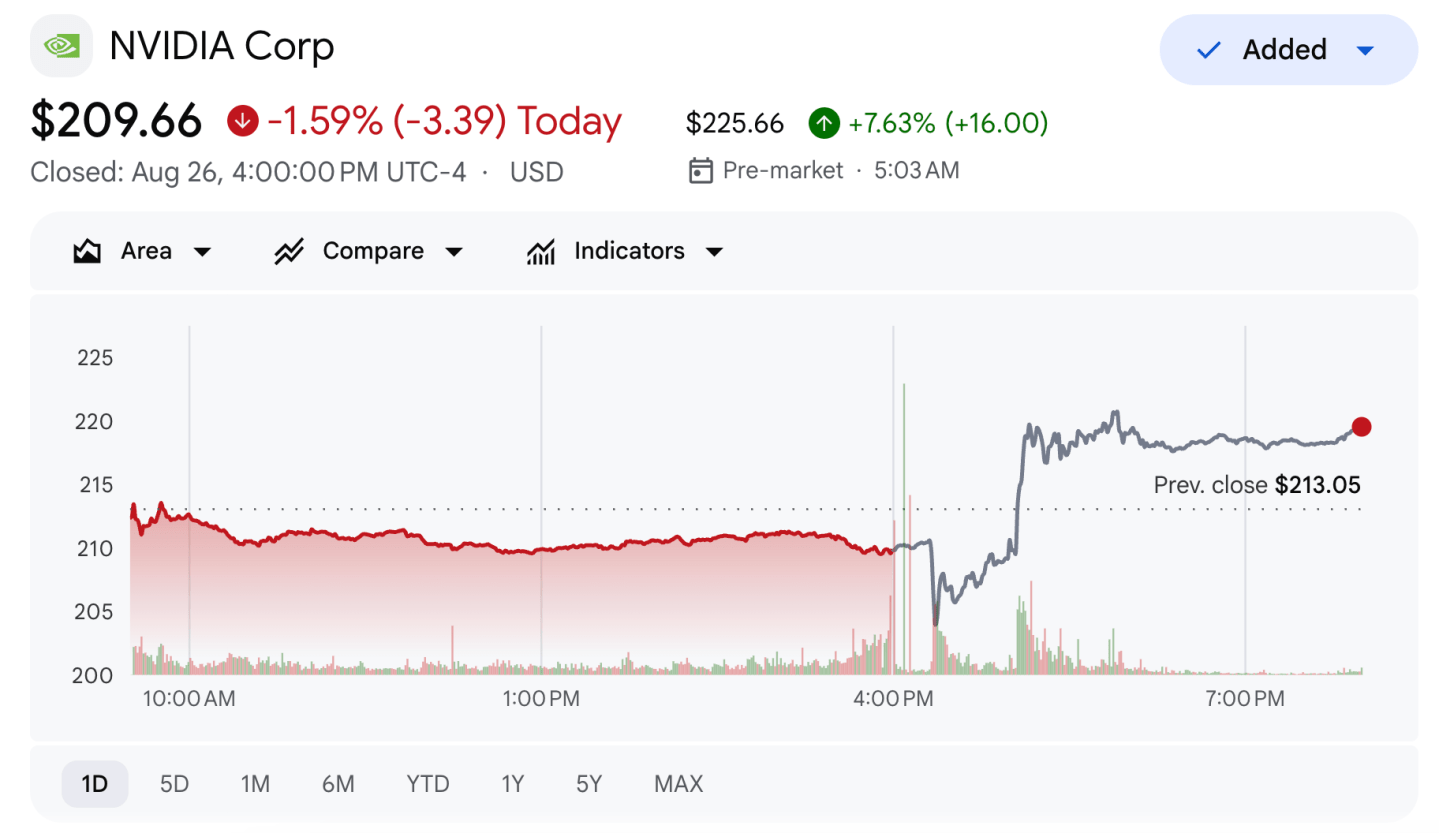
- Nvidia stock jumps 7.63% overnight after eye-popping Q2 earnings call.
- Markets: U.S. futures up, mixed in Asia and Europe.
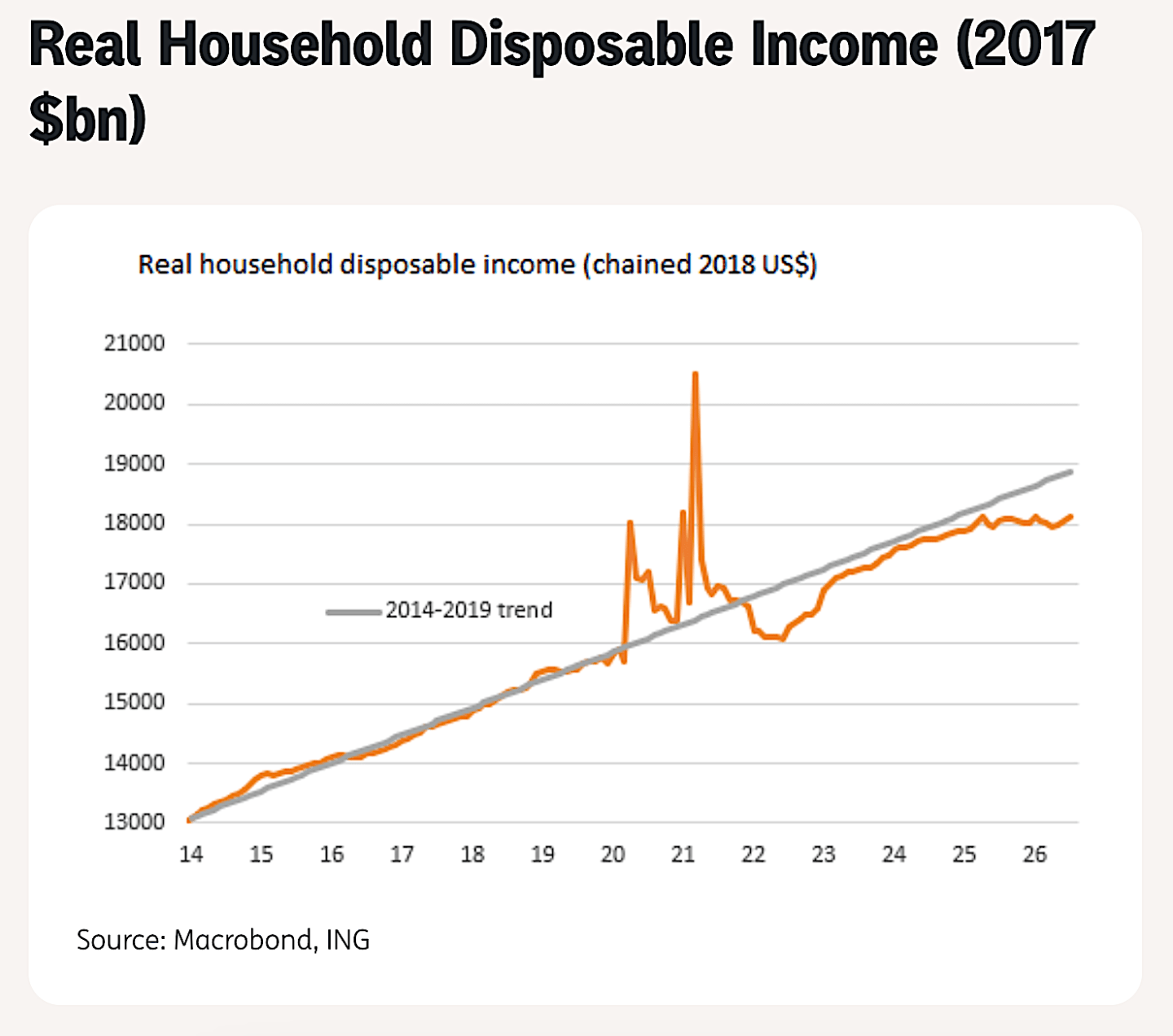
- Growth in real household disposable income has flatlined in the U.S.
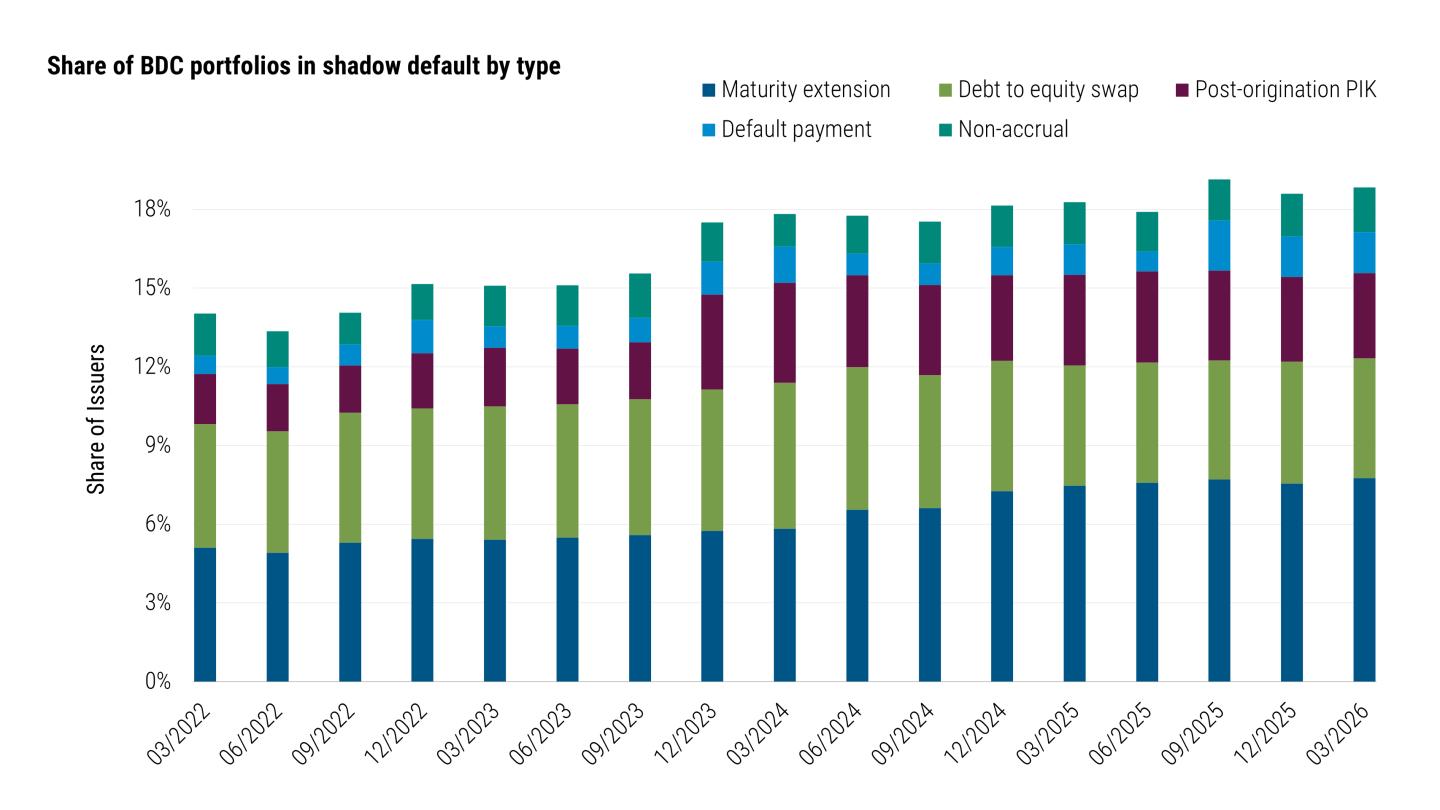
- Private credit: the ‘shadow default’ rate is on the rise.
- Countries of the world ranked by vulnerability to AI disruption.
- How much money you need to support a tradwife, state by state.
➡️ Did someone forward you this email? If you would like to receive this information directly, every morning before the markets open in New York, sign up here.
ONE BIG THING
Google DeepMind is losing the AI talent war to rivals
Google DeepMind was once the leading destination for AI research talent—especially in Europe—but it is now on the losing side of that contest, according to staffing data exclusively shared with Fortune’s Bea Nolan. A new analysis from Zeki Data, a U.K.-based data intelligence company, shows that where OpenAI and Anthropic are making gains in the AI talent market, Google DeepMind and, to some extent, Meta are stumbling.
The new data from Zeki suggests DeepMind’s share of research and advanced-engineering hires across Europe, the Middle East and Africa fell from 49% in 2022–23 to 18.6% in 2025–26—the sharpest market-share drop that Zeki recorded for a major AI lab in any region.
“They had the crown in Europe forever, and then it started to erode from a very high base,” Tom Hurd, cofounder of Zeki Data, told Fortune. “The likes of Microsoft AI Superintelligence and Meta Superintelligence are eating into their market share, and then there’s OpenAI and Anthropic on the side.”
NVIDI-YEAH!
Nvidia stock up 7.63% overnight on another blockbuster earnings call
Nvidia’s stock was up 7.63% in after-hours trading, after the company reported it had doubled its revenue and profit year-over-year in its second quarter, and forecast sales in the current quarter that topped analyst estimates, amid red-hot demand for its AI chips.
Revenue in the three months ended July 26 totaled $96.2 billion, up 18% over last quarter and 106% from the year-ago period, the company reported Wednesday—crushing analyst estimates of $92.2 billion, Fortune’s Amanda Gerut reports.
“I think the whole market was like, ‘Whoa, 70%,’” analyst says
In a rare move, the chipmaker provided a revenue growth outlook for fiscal 2028 that forecast annual sales to increase 70% from the prior year. While Nvidia did not provide a specific revenue figure for fiscal 2028, the 70% growth rate is well above the 44% growth expected by analysts.
Melissa Otto, global head of Visible Alpha research at S&P Global, said the magnitude of growth on the top line “blew away expectations,” especially given that Nvidia doesn’t normally provide such guidance.
“I think the whole market was like, ‘Whoa, 70%,’” said Otto.
And that’s not as big as it could be, CEO Jensen Huang said on the call. The company is constrained by its supply chain and cannot fulfill 100% of demand, he said: “Even though our demand is much greater than 70%, our supply allows us to confidently deliver 70%.”
- Nvidia gave its first-ever year-ahead forecast—a 70% growth bombshell meant to silence AI bubble critics and ‘circular financing’ doomsayers - Amanda Gerut
- Nvidia CEO Jensen Huang eats dinner with someone ‘and their stock price doubles the next day’ - Amanda Gerut
THE MARKETS
U.S. tech stock futures rise sharply on Nvidia optimism
U.S. futures looked perky before the opening bell in New York following Nvidia’s blowout earnings call. Tech stocks took the lead—Nasdaq 100 futures were up 1.16% this morning.
Elsewhere, European markets were down, and Asia was mixed. Oil rose slightly as traders became pessimistic that yesterday’s commentary from Oman on a potential deal to reopen the Strait of Hormuz was more talk than trousers.
- S&P 500 futures were up 0.55% this morning. The index fell 0.02% yesterday.
- In Europe, the Stoxx 600 was down 0.5% in early trading and the U.K.’s FTSE 100 was down 0.68% before lunch.
- Asia: South Korea’s KOSPI was up 1.53%. Japan’s Nikkei 225 was down 0.2%. India’s Nifty 50 was down 0.25%. China’s CSI 300 was up 0.86%.
- Brent crude was $87 per barrel this morning, up from $85 yesterday.
- Bitcoin was $79.7K.
MORE FROM FORTUNE
How Farmgirl Flowers Grew Against the Odds & the OpenAI Hugging Face Security Breach | Fortune Daily
Political powerbroker George Norcross is giving $100 million to the hospital where he was born—which will now carry his name - Sydney Lake
Without local languages, ‘AI is essentially useless’: Hong Kong’s Votee AI is taking on English and Mandarin’s AI dominance with a Cantonese model - Nicholas Gordon
The SaaSpocalypse that wasn’t – how Salesforce, Booking and IBM are thriving with AI - Jeffrey Sonnenfeld, Steven Tian, and Stephen Henriques
WHY CONSUMERS ARE UNHAPPY
It’s not just you. Your disposable income really is being slowly chipped away.
Ever since the Covid pandemic ended, growth in real household disposable income has slowed and has “effectively flatlined for well over a year,” according to ING’s James Knightley. Inflation has eroded wage growth over time.
“This is key to explaining the K-shaped consumer narrative. Middle and lower-income households are reliant on income to fund their spending and are under financial pressure – hence the low savings ratio of 3% versus the 6% long-run average and the fact credit card and auto loan delinquencies are at or close to all-time highs,” Knightley says.
And there’s a K-shaped reason this reduction in the growth of the cash you keep after taxes hasn't derailed the U.S. economy: The rich. The top 20% of households by income hold 70% of household wealth, according to the Fed, and as long as they keep spending, the macro picture looks statistically healthy—even if everyone else feels squeezed.
THE SHADOW KNOWS*
In private credit, the ‘shadow default’ rate is on the rise
The shadow default rate for business development companies (BDCs) has risen from 14% in 2022 to 19% today, according to this analysis from Pimco’s Lotfi Karoui. BDCs are private credit funds that lend money to small and midsize private companies at interest rates that are higher than you’d get from a bank or bonds. The shadow default rate measures the percentage of cases where the terms of their loans are changed after the money has been borrowed, usually because the borrowing company has run into trouble. “Our shadow measure of the share of BDC issuers in a default state is notably greater than it was in 2022,” he said in an email to Fortune.
*Award yourself a gold star if you know the origin of this phrase.
CHART OF THE DAY
Countries ranked by how vulnerable they are to AI disruption
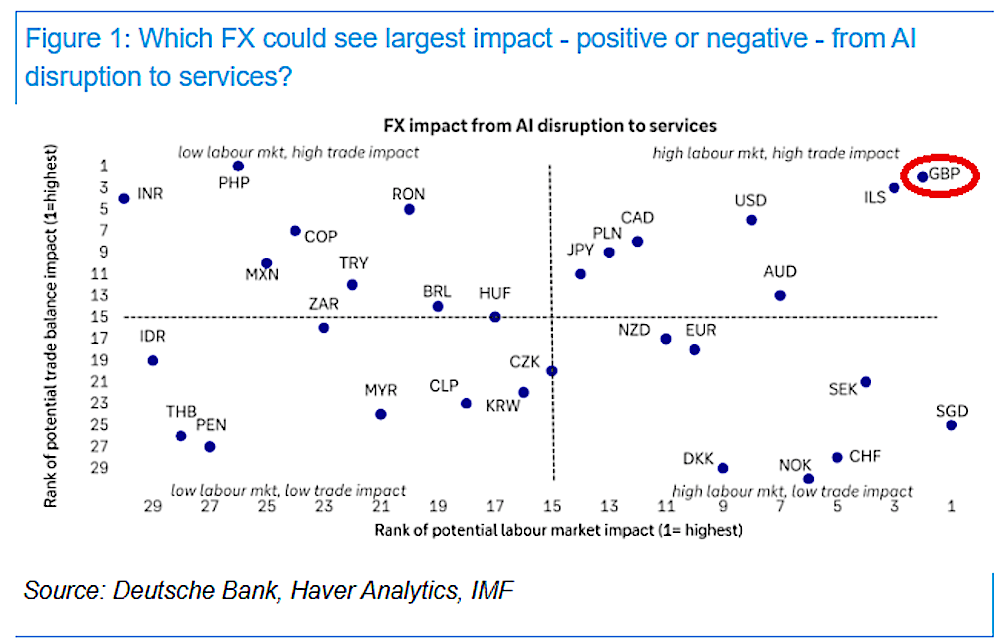
Does your country export a lot of services, e.g., knowledge work that might be replaced by AI? Do you also import a lot of tangible goods rather than manufacturing them yourself? Then Deutsche Bank’s Shreyas Gopal has some bad news for you. He ranked 30 countries—using their currencies as a proxy for their economies—by how sensitive their labor markets are likely to be to AI disruption and how vulnerable their exports would be to AI replacement. The U.K. and Israel are worst-positioned to adapt to AI disruption.
NUMBER OF THE DAY:
3.3%
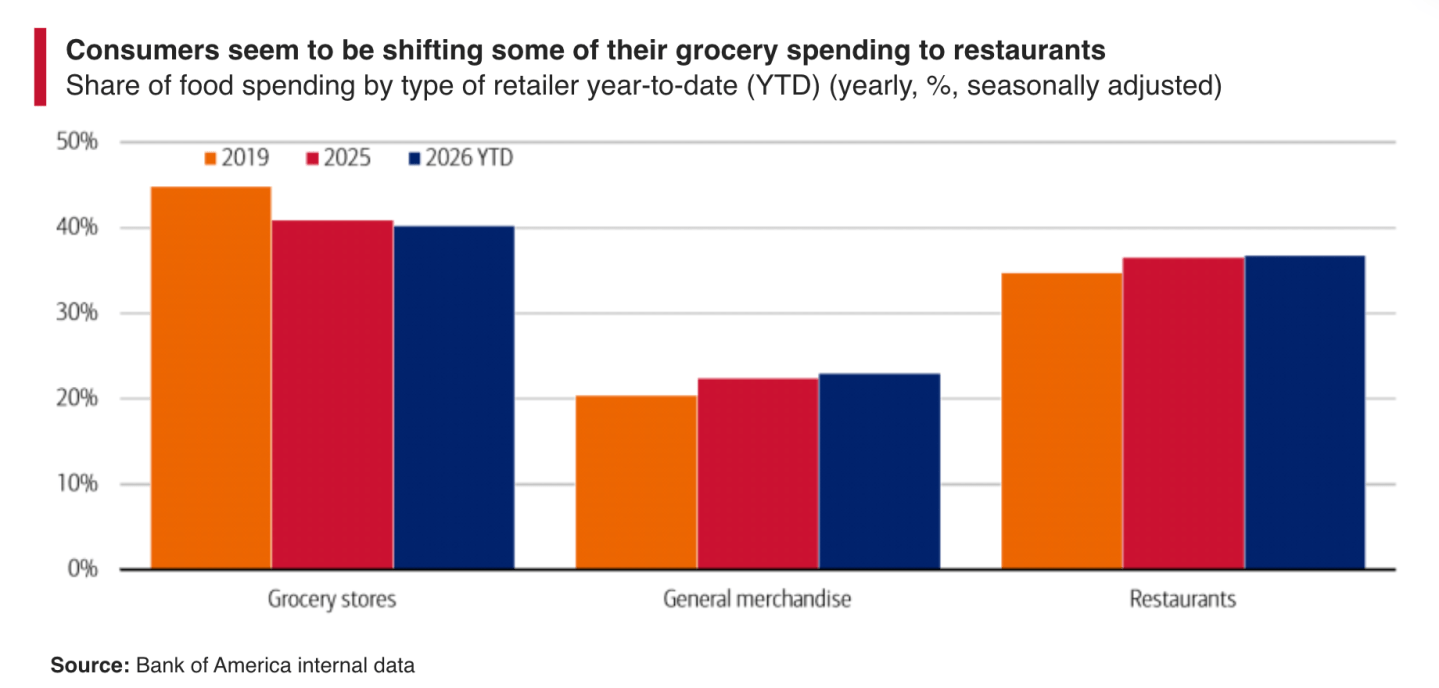
The year-on-year growth in spending at U.S. restaurants, as measured by card data from Bank of America. “In our view, consumers appear to be shifting some of their food spending from grocery stores to restaurants,” BofA’s Liz Everett Krisberg and David Tinsley said in an email.
THE FRONT PAGES TODAY
Anthropic agrees $45bn AI data centre deal with UK start-up Nscale - FT
Tanker attack tests Trump’s claim that Hormuz is a ‘functioning strait’ - CNBC
Accused 9/11 plotters to stand trial in 2028 - Axios
Takeaways From Jes Staley’s Testimony About Epstein - WSJ
AI Debt Tests Investor Tolerance, Says Top JPMorgan Bond Banker - Bloomberg
More than 800 missing in Nepal as authorities say glacier collapse triggered flash flood - BBC
ONE MORE THING
Tradwife-onomics: How much you need to support a stay-at-home spouse, state by state
For many Gen Zers, becoming a “tradwife” is the dream—to ditch your aspirations of holding down a corporate career in favor of getting married, having a family, and being supported by a doting partner. But now, research reveals exactly how much a husband (or wife) would need to earn to afford that lifestyle in the U.S.—and, perhaps surprisingly, in most states, it’s below six figures, Fortune’s Orianna Rosa Royle reports.
For the average American family, one parent would need to earn around $80,000 to sustain the other quitting their job to raise one child.
The most expensive state is Hawaii, where you’d need to earn $102,773 to give your spouse the domestic bliss they think they want. The cheapest place is West Virginia, where $68,099 would get you the same result. See the full list at the bottom of this post here.
- Would you like to sponsor this newsletter? Contact Polly Raven (polly.raven@fortune.com) for details.