The U.S. dollar weakened sharply Monday against the Japanese yen after U.S. President Donald Trump and Japan’s finance minister confirmed both sides had intervened in markets.
Before late last week, the dollar was trading above 163 yen, touching 40-year highs. After regulators were suspected of stepping in, it fell below 160 yen.
Early Monday, after the official announcement of the intervention, the dollar fell to nearly 155.20 yen. That’s a big drop for the exchange rate. The dollar was trading at 156.75 yen late Monday afternoon Tokyo time.
Even though it has attracted millions of bargain-hunting tourists, the yen’s prolonged weakness against the dollar has been a source of frustration for Tokyo. Since Japan imports so much of what it consumes, a weak currency pushes prices higher. High oil prices have amplified that problem and that’s putting pressure on the administration of Japanese Prime Minister Sanae Takaichi to do more to address the rising cost of living.
Joint intervention was needed to stem the yen’s decline
Efforts earlier this year to raise the value of the yen against the dollar did little to budge the exchange rate.
Normally foreign exchange markets determine the relative values of currencies, but there are many factors that shape what happens in the markets.
A big gap between interest rates in the U.S. and Japan has led investors to sell yen and buy dollars to take advantage of the higher yields from dollar-denominated assets. Both the Bank of Japan and the Federal Reserve kept their interest rates unchanged at meetings last week, maintaining that gap.
So, last week, when the dollar slipped below 160 yen and stayed there, the U.S. side was suspected of lending a hand.
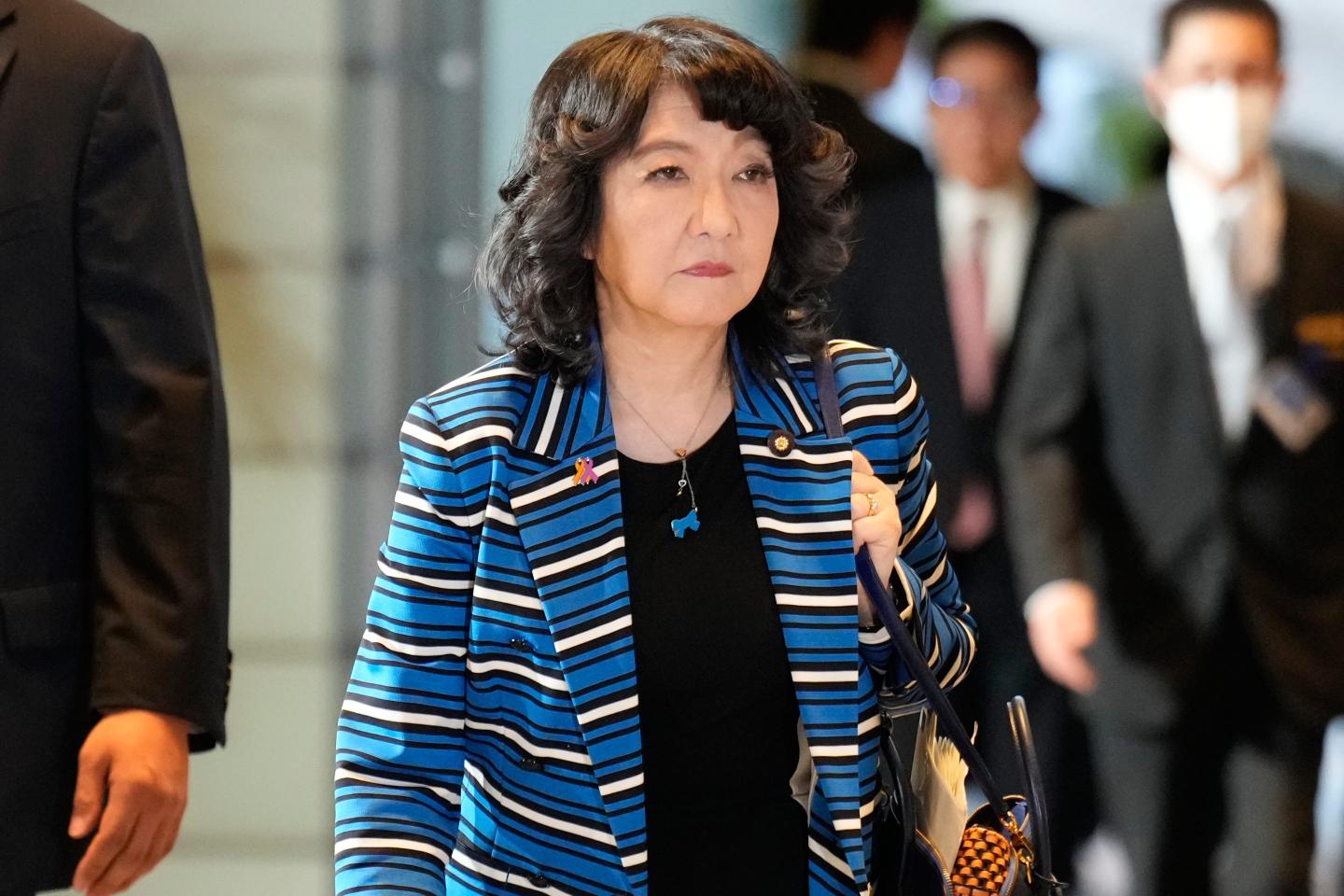
Officials usually stay mum on such actions. But on Sunday, Trump confirmed that the U.S. side had helped, and Japanese Finance Minister Satsuki Katayama likewise issued a statement saying the finance ministry had purchased yen in coordination with the U.S. Treasury Department.
“We will not hesitate to conduct further joint intervention,” she said.
Such overt acknowledgment of market intervention is rare, said Neil Newman, managing director and head of strategy at Astris Advisory Japan. He said the last big example was when governments intervened following a massive earthquake and tsunami disaster in northeastern Japan in 2011.
Why the US is helping support the yen
When asked why Washington was helping, Trump said Sunday that “We have a good relationship with Japan. We’re very strong —- very, very strong financially — and they are, you know, they have a weakening yen, and they wanted a little bit of help, and we’re always there for Japan. Japan’s been very good to us, with the exception, of course, of Pearl Harbor.”
Trump said the U.S. got “financial benefit” out of the intervention, calling it a “signal of friendship.”
“It’s also good for the world economy,” he said.
A weaker dollar makes U.S.-made goods more competitive, reducing their costs in yen terms, and might help increase American exports to Japan, Newman said.
“It’s very rare that the Americans will work with the Japanese on this, but there is an alignment of interests here basically between Japan and America,” Newman said.
It was a “low-cost” way for Washington to pay a favor to a key U.S. ally, while also protecting the stability of foreign exchange and bond markets, Shigeto Nagai, head of Japan economics for Oxford Economics, said in a report.
Analysts question if the intervention worked
The latest intervention appears to be having a more durable impact than earlier cases this year, and the yen may have a slightly stronger path for the rest of the year, Nagai said.
But the factors that have contributed to the yen’s long-term weakness remain.
Takaichi has pushed to cut Japan’s sales tax on food to 1% from 8% and to dramatically increase government spending. Such moves would tend to weaken the yen since it would increase inflation and add to Japan’s already massive government debt.
The Bank of Japan has moved slowly to raise its benchmark rate from near zero to the current 1%, its highest level in 31 years but still well below the Federal Reserve’s rate of 3.5%-3.75%.
It likely will continue to slow-walk any changes as it evaluates the impact of the Iran war and other factors on the economy, Nagai said.
Meanwhile, a surge in oil prices because of the war and resulting higher inflation has kept the Fed from cutting rates.
“The yield differential remains wide, Japan’s energy-import burden remains significant, and the Bank of Japan is still moving more slowly than the market would normally require to generate a sustained currency reversal,” Stephen Innes of SPI Asset Management said in a commentary.
___
Kurtenbach reported from Bangkok. AP journalist Mari Yamaguchi in Tokyo contributed to this report.