
The relentless arms race among AI hyperscalers to amass more and more computing power will eventually hit a wall, according to Gary Marcus.
That’s because the enormous amounts of capital expenditures have failed to clean up errors their large language models produce while also removing any technical moats that might give them a competitive edge.
“This has led to price wars coexisting with high operating expenses (needed to run bigger data centers to train and operate new models) and low or even negative margins, since all are building more or less the same product,” Marcus wrote in a Financial Times op-ed on Thursday.
The professor emeritus of psychology and neural science at New York University, who has long been skeptical of the AI boom, also pointed out that more U.S. companies are using cheaper, open-source Chinese AI models.
In fact, even hyperscaler Microsoft may make China’s DeepSeek available for its Copilot Cowork AI agent, according to Axios, and is looking at open-source models as lower-cost alternatives to Anthropic and OpenAI products.
That’s as Microsoft is transitioning Copilot Cowork to usage-based pricing amid ballooning AI expenses. “We have users who do hundreds of tasks a week, which is great—they’re way productive—but the consequence is the costs can go very high,” Charles Lamanna, Microsoft’s executive vice president for Copilot, told Axios.
Further underscoring Marcus’s argument are signs Chinese AI companies are quickly closing the gap with their U.S. rivals.
Security researchers said China’s Zhipu AI can now match U.S. models in finding security bugs, the Wall Street Journal reported, though Anthropic’s and OpenAI’s products are still superior at other tasks.
Meanwhile, the Trump administration has further complicated the competitive landscape by limiting access to the most advanced U.S. models, raising the risk that Anthropic’s customers may look to other companies to avoid getting cut off.
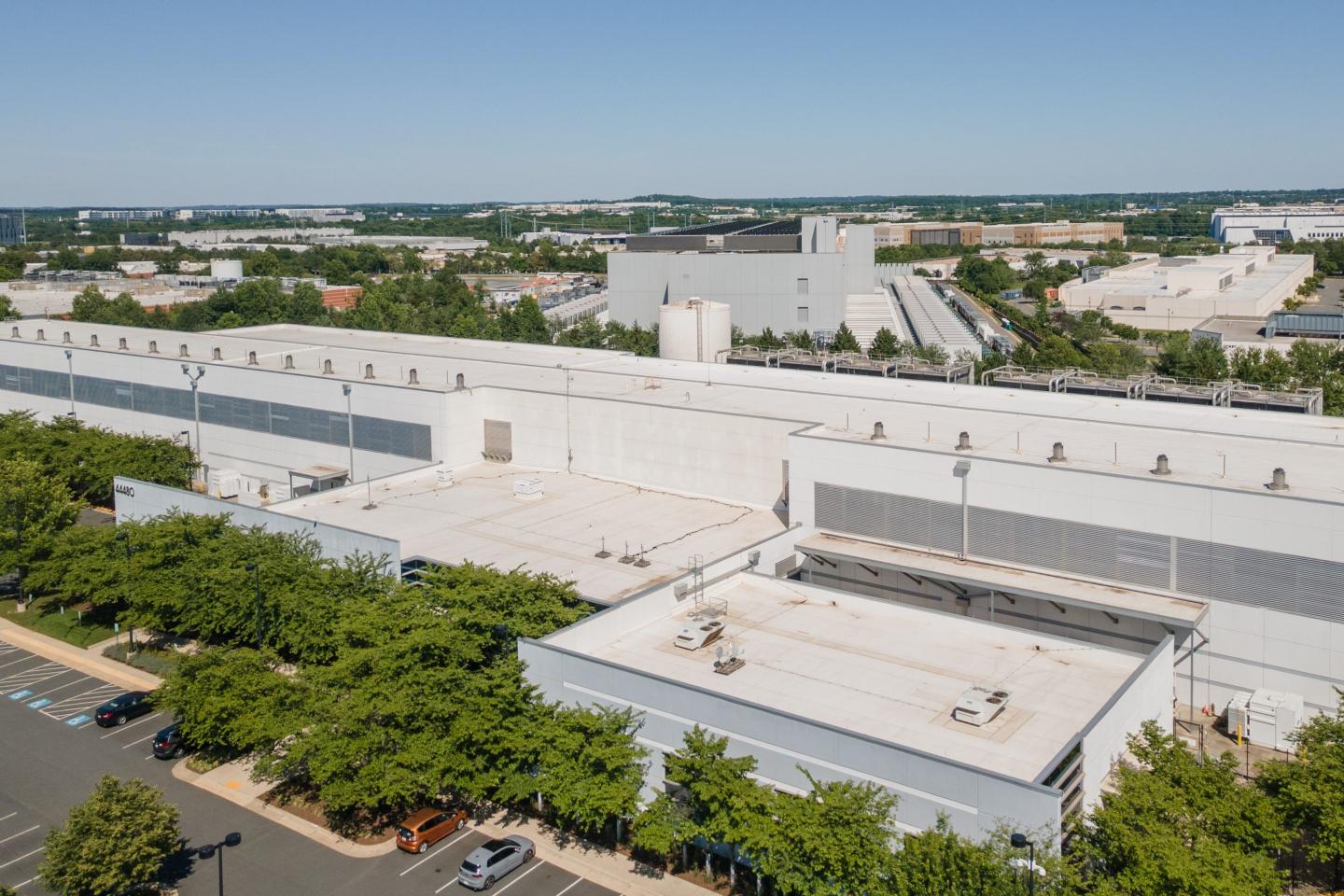
But Meta, Microsoft, Alphabet, Amazon, and fellow hyperscalers are barreling ahead for now, collectively spending hundreds of billions of dollars a year on data centers, chips, and other infrastructure. Their tally for 2026 alone is expected to top $700 billion.
The scramble to build as quickly as possible has fueled concerns a bursting of the AI bubble will leave behind a glut of computing capacity.
While optimists look to the rise of railroads as an example where capacity remained useful, Marcus warned most chips depreciate as more advanced versions come out and that high-end AI models could be displaced by more efficient rivals that don’t rely on so many pricey chips.
“In placing massive hyperscaling bets, investors are setting lavish expectations about future earnings. But LLMs are not likely to replicate the near monopolies that have made the market power of current tech giants hard to assail,” he explained.
“A better analogy for them might be airlines, which are hobbled by small margins, intense competition, high expenses, and dependence on hardware created by outside vendors.”
The risk goes beyond having too many data centers. If the fallout hit pension funds, banks, or the global economy, then a worst-case scenario could involve governments bailing out AI giants, Marcus added.
OpenAI even floated the idea of a government backstop for data center financing, but soon backtracked after widespread outcry.
And airlines have received federal bailouts in the past, including during the COVID-19 pandemic and after the terrorist attacks on Sept. 11, 2001.
“Some form of AI—one that is reliable and efficient and compatible with human safety—might well be worth the investments that are being poured into data centers. To make the bet on the version we have now is premature,” Marcus concluded.