• Home
  • Latest
  • Fortune 500
  • Finance
  • Tech
  • Leadership
  • Lifestyle
  • Rankings
  • Multimedia

Trendingnow

1

Jeff Bezos wants the bottom half of earners to pay zero income tax—he says nurses making just $75K should save $12K a year

2

Jamie Dimon said the American Dream was slipping away. JPMorgan just put $40 million on the table to fix it

3

The river that supplies 40 million Americans is down to 23% — and about to make a $25 million bet on one fish

1

Jeff Bezos wants the bottom half of earners to pay zero income tax—he says nurses making just $75K should save $12K a year

2

Jamie Dimon said the American Dream was slipping away. JPMorgan just put $40 million on the table to fix it

3

The river that supplies 40 million Americans is down to 23% — and about to make a $25 million bet on one fish
CommentaryHealth

A doctor shortage is coming. AI could be the only realistic fix

By
FJ Campbell
FJ Campbell
Down Arrow Button Icon
By
FJ Campbell
FJ Campbell
Down Arrow Button Icon
May 20, 2026, 6:30 AM ET

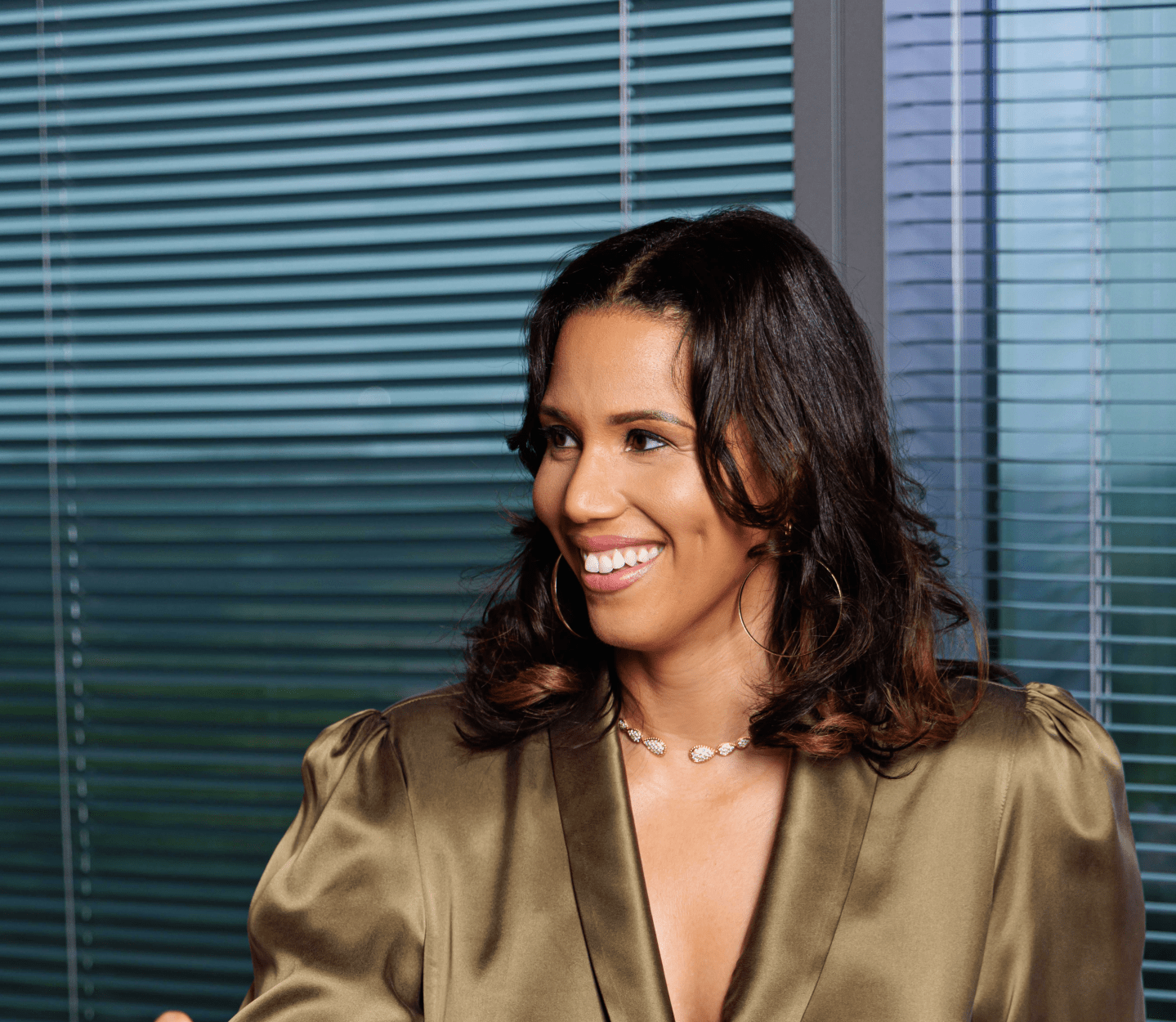
FJ Campbell, MD, is chief medical officer at Ardent Health.

FJ Campbell, MD, is chief medical officer at Ardent Health.
FJ Campbell, MD, is chief medical officer at Ardent Health.courtesy of Ardent Health

As an emergency medicine physician, I spent several years working in emergency departments. It is an inherently intense environment, and that intensity is only increasing. For frontline clinicians, the consequences aren’t abstract: that sustained pressure is driving burnout in real time, affecting the people you rely on for care as you read this. 

Recommended Video

Let’s start with the numbers. 
 
At this unique moment in the United States, more than 10,000 Americans turn 65 and age into Medicare every single day. Hospitals are operating on slim margins of roughly 1.5%, with costs increasing and reimbursement tightening. At the same time, a generation of American doctors is nearing retirement. What all this means is that as demand climbs, the US is projected to face a shortage of up to 86,000 clinicians by 2036. 

Here’s my diagnosis: we don’t just have a doctor shortage. We have a structural problem.  

Did you know that physicians spend only about 27% of their time actually caring for patients? The rest is swallowed by documentation, insurance requirements, inbox messages and regulatory tasks. Much of that work now follows doctors into the exam room, where they’re expected to document everything in real time. If you feel like your doctor hasn’t been making eye contact with you during your exam, you’re not crazy. 

We trained a generation of clinicians to diagnose complex illness, make life-and-death decisions, and guide families through the worst moments imaginable. But then we handed them a keyboard and a billing manual and asked them to do data entry. 

No hospital or clinic can hire its way out of this. Offering more stress management programs won’t fix it. The fundamental problem is that doctors spend more time proving they delivered care than actually delivering it. That administrative drag carries real financial consequences.  Every hour diverted to documentation is an hour of reduced throughput, delayed billing, incomplete coding, and missed reimbursement. 

If we don’t redesign the workflow itself, margins will continue to erode and more hospitals will face closure. And when hospitals close, communities don’t get a smaller ER. They get no ER. 

This is where AI comes in — and where many people get it wrong. 

Used responsibly, AI is not about replacing caregivers. It’s about reclaiming time for what matters. 

In the past two years, ambient AI medical scribes have had a moment. This is technology that listens to a visit between a patient and provider and transcribes the conversation. But scribes alone aren’t enough. Saving a few keystrokes doesn’t fix a broken system. 

What’s truly needed is the “intelligence” in artificial intelligence  systems that understand a patient’s full medical history, not just a single conversation. Systems that pull forward relevant information, organize notes in real time and handle the complex billing rules that change year to year. 

Something important happens when you get this right. Documentation becomes more accurate the first time, which means fewer insurance denials and far less time spent correcting charts after the visit. Doctors aren’t chasing paperwork late at night, and hospitals aren’t losing revenue over missing language or technicalities. In a system already stretched thin, that reclaimed time and stability matter. 

At Ardent Health, we operate 30 hospitals and more than 285 sites across six states. After seeing the impact a real solution could make, we decided AI couldn’t just be a side experiment. It would become a fundamental structure of how we support our providers and care teams.  

​​​Last year, we partnered with an AI company, Ambience Healthcare, to deploy this type of intelligence directly into the electronic medical record (EMR). Today, our clinicians use it in 90% of patient visits. 

Documentation time has decreased by 44%. After-hours charting completed at home — often called “pajama time” — has dropped by 57%. And documentation is more complete, which means fewer insurance denials and less time fixing costly mistakes. 

​​​That matters financially. Even small margin improvements can influence whether hospitals have the flexibility to invest in new services. With all of the benefits, this technology is seeing a 3X return and reinforcing financial stability at a time when hospitals have little room for error. But the cultural shift matters more. 

Many providers describe something we haven’t heard much in recent years: a return of joy in practicing medicine. Physicians who were considering early retirement are choosing to stay. Others are voluntarily asking to see more patients because the most draining and time-consuming parts of their job are now handled by AI. 

Critics argue that AI introduces risks: bias, over-reliance, data privacy concerns. Those risks are real and require strong governance, clinical oversight and accountability. But the reality is the status quo is not sustainable.  

Right now, hospitals — especially in rural areas — are closing. Wait times are growing. For years insurance companies have been deploying sophisticated AI to scrutinize claims and deny payment. If care providers refuse to modernize while everyone else does, they will lose that fight. 

The real divide in healthcare is no longer early adopters versus skeptics. It’s between institutions that recognize how AI can reshape hospital operations and those that don’t. 

Organizations that get this right will retain physicians, expand access and strengthen the communities they serve. Those that postpone are at an increased risk of higher clinician turnover, tighter staffing and mounting financial pressure. 

Let me be clear: AI will not solve every problem in American healthcare. It won’t fix reimbursement policy overnight or erase the physician shortage with a software update. But it can give doctors back hours every day. It can reduce the drivers of burnout and it can help hospitals and clinics build financial sustainability.  

For decades, we’ve allowed administrative work to crowd out the practice of medicine. We’ve treated documentation burden as a rite of passage instead of a design flaw. 

The right AI is already starting to correct that by putting clinicians’ time back where it belongs: with their patients and, at the end of the day, with their own families. 

The opinions expressed in Fortune.com commentary pieces are solely the views of their authors and do not necessarily reflect the opinions and beliefs of Fortune.

About the Author
By FJ Campbell
See full bioRight Arrow Button Icon

Latest in Commentary

Finance
Lorem ipsum dolor sit amet, consectetur adipiscing elit, sed do eiusmod tempor incididunt ut labore et dolore magna aliqua. Ut enim ad minim veniam
By Fortune Editors
October 20, 2025
Finance
Lorem ipsum dolor sit amet, consectetur adipiscing elit, sed do eiusmod tempor incididunt ut labore et dolore magna aliqua. Ut enim ad minim veniam
By Fortune Editors
October 20, 2025
Finance
Lorem ipsum dolor sit amet, consectetur adipiscing elit, sed do eiusmod tempor incididunt ut labore et dolore magna aliqua. Ut enim ad minim veniam
By Fortune Editors
October 20, 2025
Finance
Lorem ipsum dolor sit amet, consectetur adipiscing elit, sed do eiusmod tempor incididunt ut labore et dolore magna aliqua. Ut enim ad minim veniam
By Fortune Editors
October 20, 2025
Finance
Lorem ipsum dolor sit amet, consectetur adipiscing elit, sed do eiusmod tempor incididunt ut labore et dolore magna aliqua. Ut enim ad minim veniam
By Fortune Editors
October 20, 2025
Finance
Lorem ipsum dolor sit amet, consectetur adipiscing elit, sed do eiusmod tempor incididunt ut labore et dolore magna aliqua. Ut enim ad minim veniam
By Fortune Editors
October 20, 2025

Most Popular

Finance
Lorem ipsum dolor sit amet, consectetur adipiscing elit, sed do eiusmod tempor incididunt ut labore et dolore magna aliqua. Ut enim ad minim veniam
By Fortune Editors
October 20, 2025
Finance
Lorem ipsum dolor sit amet, consectetur adipiscing elit, sed do eiusmod tempor incididunt ut labore et dolore magna aliqua. Ut enim ad minim veniam
By Fortune Editors
October 20, 2025
Finance
Lorem ipsum dolor sit amet, consectetur adipiscing elit, sed do eiusmod tempor incididunt ut labore et dolore magna aliqua. Ut enim ad minim veniam
By Fortune Editors
October 20, 2025
Finance
Lorem ipsum dolor sit amet, consectetur adipiscing elit, sed do eiusmod tempor incididunt ut labore et dolore magna aliqua. Ut enim ad minim veniam
By Fortune Editors
October 20, 2025
Finance
Lorem ipsum dolor sit amet, consectetur adipiscing elit, sed do eiusmod tempor incididunt ut labore et dolore magna aliqua. Ut enim ad minim veniam
By Fortune Editors
October 20, 2025
Finance
Lorem ipsum dolor sit amet, consectetur adipiscing elit, sed do eiusmod tempor incididunt ut labore et dolore magna aliqua. Ut enim ad minim veniam
By Fortune Editors
October 20, 2025
Fortune Secondary Logo
Rankings
  • 100 Best Companies
  • Fortune 500
  • Global 500
  • Fortune 500 Europe
  • Most Powerful Women
  • World's Most Admired Companies
  • See All Rankings
  • Lists Calendar
Sections
  • Finance
  • Fortune Crypto
  • Features
  • Leadership
  • Health
  • Commentary
  • Success
  • Retail
  • Mpw
  • Tech
  • Lifestyle
  • CEO Initiative
  • Asia
  • Politics
  • Conferences
  • Europe
  • Newsletters
  • Personal Finance
  • Environment
  • Magazine
  • Education
Customer Support
  • Frequently Asked Questions
  • Customer Service Portal
  • Privacy Policy
  • Terms Of Use
  • Single Issues For Purchase
  • International Print
Commercial Services
  • Advertising
  • Fortune Brand Studio
  • Fortune Analytics
  • Fortune Conferences
  • Business Development
  • Group Subscriptions
About Us
  • About Us
  • Press Center
  • Work At Fortune
  • Terms And Conditions
  • Site Map
  • About Us
  • Press Center
  • Work At Fortune
  • Terms And Conditions
  • Site Map
  • Facebook icon
  • Twitter icon
  • LinkedIn icon
  • Instagram icon
  • Pinterest icon

Latest in Commentary

lee
Commentarystock exchanges
Texas Stock Exchange CEO: exchanges can build on Exxon’s retail model to rein in proxy advisors
By James H. LeeMay 28, 2026
2 hours ago
suerken
CommentaryRestaurants
Wendy’s U.S. President: the CEO burger battles exposed a truth every brand leader needs to hear
By Pete SuerkenMay 28, 2026
4 hours ago
g
CommentaryTraining
We gave our 5,000 employees a week to do nothing but learn AI. We learned the biggest blockers are human ones 
By Rob GiglioMay 28, 2026
5 hours ago
bd
CommentaryLeadership
The boardroom wants answers on AI. Are you ready?
By Brandi ThomasMay 28, 2026
7 hours ago
ai
CommentaryGoogle
How Sam Altman fooled Sundar Pichai — and pushed Google into cannibalizing itself
By Sunil SharanMay 27, 2026
1 day ago
g
CommentaryLeadership
I’ve been a CEO for 25 years. The AI hype and hysteria is getting old
By Gil MandelzisMay 27, 2026
1 day ago

Most Popular

Jeff Bezos wants the bottom half of earners to pay zero income tax—he says nurses making just $75K should save $12K a year
Success
Jeff Bezos wants the bottom half of earners to pay zero income tax—he says nurses making just $75K should save $12K a year
By Preston ForeMay 21, 2026
7 days ago
Jamie Dimon said the American Dream was slipping away. JPMorgan just put $40 million on the table to fix it
Banking
Jamie Dimon said the American Dream was slipping away. JPMorgan just put $40 million on the table to fix it
By Nick LichtenbergMay 27, 2026
1 day ago
The river that supplies 40 million Americans is down to 23% — and about to make a $25 million bet on one fish
Environment
The river that supplies 40 million Americans is down to 23% — and about to make a $25 million bet on one fish
By Dorany Pineda, Brittany Peterson and The Associated PressMay 27, 2026
1 day ago
Current price of oil as of May 27, 2026
Personal Finance
Current price of oil as of May 27, 2026
By Joseph HostetlerMay 27, 2026
1 day ago
Techlash grows in education: 'My daughter went to middle school and was sent home with a screen addiction in her backpack'
North America
Techlash grows in education: 'My daughter went to middle school and was sent home with a screen addiction in her backpack'
By Jocelyn Gecker and The Associated PressMay 26, 2026
2 days ago
Even if every California billionaire left tomorrow, it would take 25 years for the state to lose as much as it stands to gain from proposed wealth tax
Economy
Even if every California billionaire left tomorrow, it would take 25 years for the state to lose as much as it stands to gain from proposed wealth tax
By Tristan BoveMay 27, 2026
24 hours ago

© 2026 Fortune Media IP Limited. All Rights Reserved. Use of this site constitutes acceptance of our Terms of Use and Privacy Policy | CA Notice at Collection and Privacy Notice | Do Not Sell/Share My Personal Information
FORTUNE is a trademark of Fortune Media IP Limited, registered in the U.S. and other countries. FORTUNE may receive compensation for some links to products and services on this website. Offers may be subject to change without notice.