
• Home
  • Latest
  • Fortune 500
  • Finance
  • Tech
  • Leadership
  • Lifestyle
  • Rankings
  • Multimedia

Trendingnow

1

Richard Branson double-booked his own job interview. The candidate stuck in traffic with him for 2.5 hours is now Virgin's CEO

2

Tech billionaires and executives like Evan Spiegel and Peter Thiel are publicly shielding their children from the products that made them rich

3

IBM’s CEO disagrees with JPMorgan CEO Jamie Dimon’s disdain for texting in meetings: ‘Telling people they can't use their technology would be weird’

1

Richard Branson double-booked his own job interview. The candidate stuck in traffic with him for 2.5 hours is now Virgin's CEO

2

Tech billionaires and executives like Evan Spiegel and Peter Thiel are publicly shielding their children from the products that made them rich

3

IBM’s CEO disagrees with JPMorgan CEO Jamie Dimon’s disdain for texting in meetings: ‘Telling people they can't use their technology would be weird’
SuccessThe Interview Playbook

Steve Jobs used a ‘beer test’ for interviews at Apple—if he didn’t want to drink with you, you didn’t get the job

Orianna Rosa Royle
By
Orianna Rosa Royle
Orianna Rosa Royle
Associate Editor, Success
Down Arrow Button Icon
Orianna Rosa Royle
By
Orianna Rosa Royle
Orianna Rosa Royle
Associate Editor, Success
Down Arrow Button Icon
May 14, 2026, 3:04 AM ET
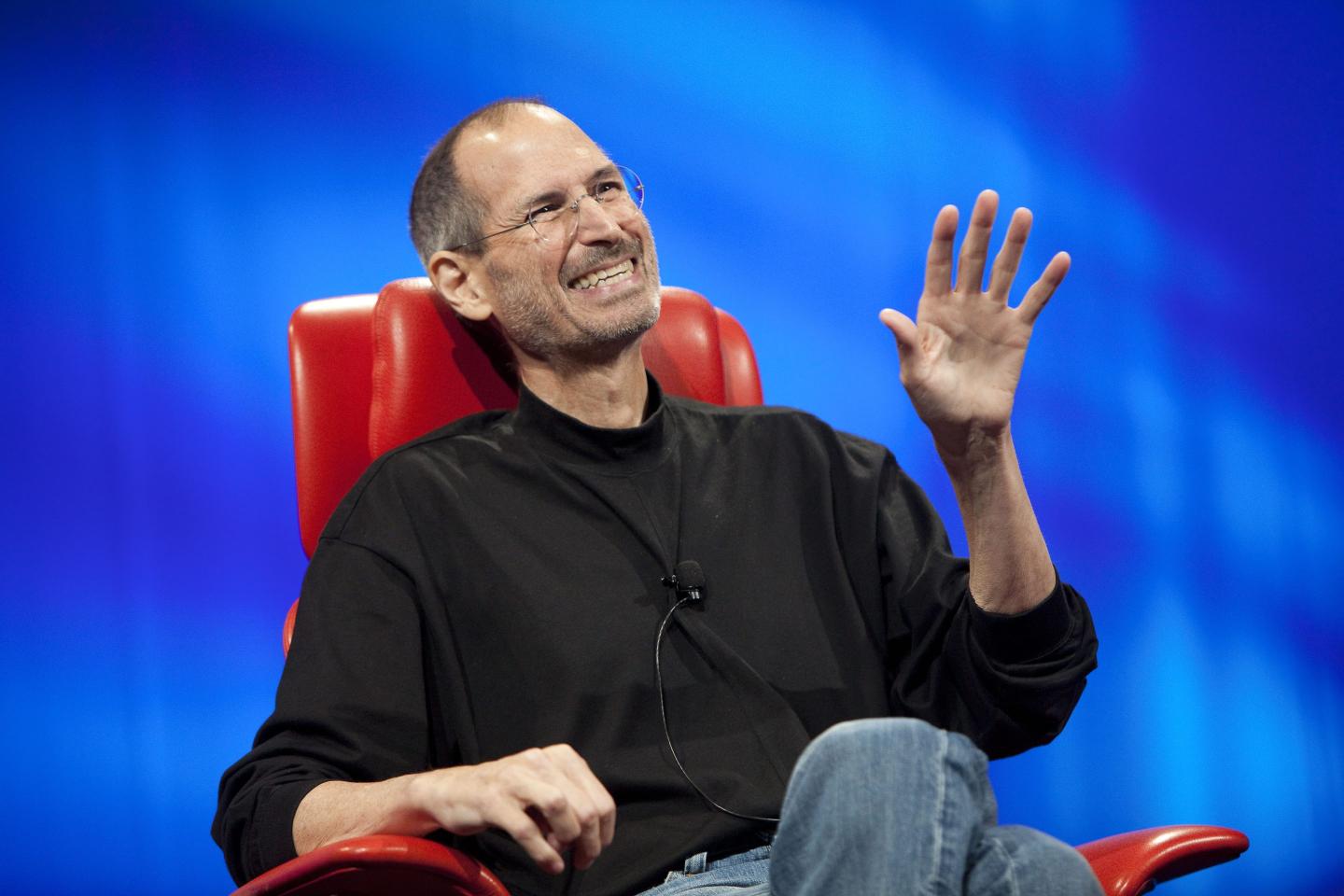
Steve Jobs’ hiring test at Apple had nothing to do with your résumé. He wanted to know if he’d actually grab a beer with you.
Steve Jobs’ hiring test at Apple had nothing to do with your résumé. He wanted to know if he’d actually grab a beer with you.Rick Smolan/Against All Odds Productions/Getty Images
Add Fortune on Google for similar content.

Most job candidates walk into interviews armed with polished answers, rehearsed weaknesses, and a list of researched questions aimed to impress. But Apple’s Steve Jobs reportedly had a far less conventional way of deciding who got hired: the “beer test.”

Recommended Video

Instead of trying to catch candidates out with a trick question or quizzing them on the latest iPhone, the late cofounder of the $4.3 trillion tech giant wanted to know something much simpler: Would he actually enjoy grabbing a beer with them?

According to multiple reports, Jobs would even take candidates on an informal walk-and-talk interview to deliberately test whether he could get along with them outside the office. The so-called “beer test” wasn’t really about alcohol. It was about seeing whether a candidate could drop the corporate act long enough to have an actual conversation—and be pleasant to be around. 

As AS USA reported, Jobs would ask potential hires questions like, “What did you do last summer?” to get the conversation going. There were no right or wrong answers, but it probably wasn’t good news if the chat was awkward, draining, or nonexistent.

That’s because at the end of the saga, Jobs would ask himself: “Would I have a beer with this person? Would I talk to him or her in a relaxed way while taking a walk?” If the answer was no, that told him something a résumé couldn’t.

Jobs previously told Fortune that hiring ultimately comes down to gut

Jobs’ ‘beer test’ may sound unserious compared to today’s increasingly popular Myers-Briggs assessments and 90-minute exams. But the Apple cofounder insisted his recruitment strategy was anything but. 

In a 2008 interview with Fortune, the late tech billionaire said that finding the best people for the job is like “finding the needles in the haystack… I take it very seriously.”

By then–just three years before his death—Jobs said that he’d interviewed over 5,000 candidates and that competence alone wasn’t enough to impress him. Yet there was only so much he could learn from a standard one-hour interview.

“So in the end, it’s ultimately based on your gut,” he said. “How do I feel about this person? What are they like when they’re challenged?” 

Execs at Chanel, Amazon and Twilio stress the importance of personality 

Jobs is hardly the only business leader to shake up the traditional interview format.

As Fortune has previously reported, Gary Shapiro, former CEO of the Consumer Technology Association, has his own make-or-break test: He asks candidates when they can start. If they say “straight away” while still employed, he says it’s a red flag because they’re willing to leave their current boss high and dry.

Other CEOs have used similarly odd-sounding tests to gauge personality. Some watch how you treat the receptionist when you walk in, or whether you wash your coffee cup after the interview. Some ask candidates to dinner. Others go even further, asking the waiter to deliberately mess up the candidate’s order. The goal is the same: To see how candidates really behave when the formal setting drops. Because how someone treats a waiter who gets the order wrong tends to reveal more about their character than any answer they’ve prepared.

Even Chanel, a 115-year-old luxury house synonymous with heritage and exclusivity, is looking past credentials to assess who candidates actually are. Claire Isnard, Chanel’s recently retired chief people officer, told Fortune that “the first thing that we look for is personalities”—above even skills or talent. And those with “big egos” don’t get hired. 

In the end, being the nicest person in the room could get you further than being the smartest.

Amazon CEO Andy Jassy once said that “an embarrassing amount of how well you do, particularly in your twenties, has to do with attitude“—because positive people pick up advocates and mentors faster. In other words, be someone people actually want around, and you may just land that job.

CEOs, Fortune wants to hear from you: What are your hiring red flags? Do you have any make-or-break questions? Get in touch Orianna.Royle@fortune.com

Fortune Daily breaks the traditional barrier between audience and newsroom. The show transforms Fortune’s trusted reporting into actionable, conversational, and entertaining insights for an emerging class of business leaders. Watch here.
About the Author
Orianna Rosa Royle
By Orianna Rosa RoyleAssociate Editor, Success
Instagram iconLinkedIn iconTwitter icon

Orianna Rosa Royle is the Success associate editor at Fortune, overseeing careers, leadership, and company culture coverage. She was previously the senior reporter at Management Today, Britain's longest-running publication for CEOs. 

See full bioRight Arrow Button Icon
Add Fortune on Google for similar content.

Latest in Success


Most Popular

Fortune Secondary Logo
Rankings
  • 100 Best Companies
  • Fortune 500
  • Global 500
  • Fortune 500 Europe
  • Most Powerful Women
  • World's Most Admired Companies
  • See All Rankings
  • Lists Calendar
Sections
  • Finance
  • Fortune Crypto
  • Features
  • Leadership
  • Health
  • Commentary
  • Success
  • Retail
  • Mpw
  • Tech
  • Lifestyle
  • CEO Initiative
  • Asia
  • Politics
  • Conferences
  • Europe
  • Newsletters
  • Personal Finance
  • Environment
  • Magazine
  • Education
Customer Support
  • Frequently Asked Questions
  • Customer Service Portal
  • Privacy Policy
  • Terms Of Use
  • Single Issues For Purchase
  • International Print
Commercial Services
  • Advertising
  • Fortune Brand Studio
  • Fortune Analytics
  • Fortune Conferences
  • Business Development
  • Group Subscriptions
About Us
  • About Us
  • Press Center
  • Work At Fortune
  • Terms And Conditions
  • Site Map
  • About Us
  • Press Center
  • Work At Fortune
  • Terms And Conditions
  • Site Map
  • Facebook icon
  • Twitter icon
  • LinkedIn icon
  • Instagram icon
  • TikTok icon
  • YouTube icon

    Latest in Success


    Most Popular

    © 2026 Fortune Media IP Limited. All Rights Reserved. Use of this site constitutes acceptance of our Terms of Use and Privacy Policy | CA Notice at Collection and Privacy Notice | Do Not Sell/Share My Personal Information
    FORTUNE is a trademark of Fortune Media IP Limited, registered in the U.S. and other countries. FORTUNE may receive compensation for some links to products and services on this website. Offers may be subject to change without notice.