
Good morning. Ch-ch-changes at the top of one of the largest tech companies on the planet, so let’s get right into it, shall we? —Andrew Nusca
Want to send thoughts or suggestions to Fortune Tech? Drop a line here.
John Ternus becomes Apple CEO
It was rumored and reported and discussed offline in corporate hallways across the country, but few expected it to happen now.
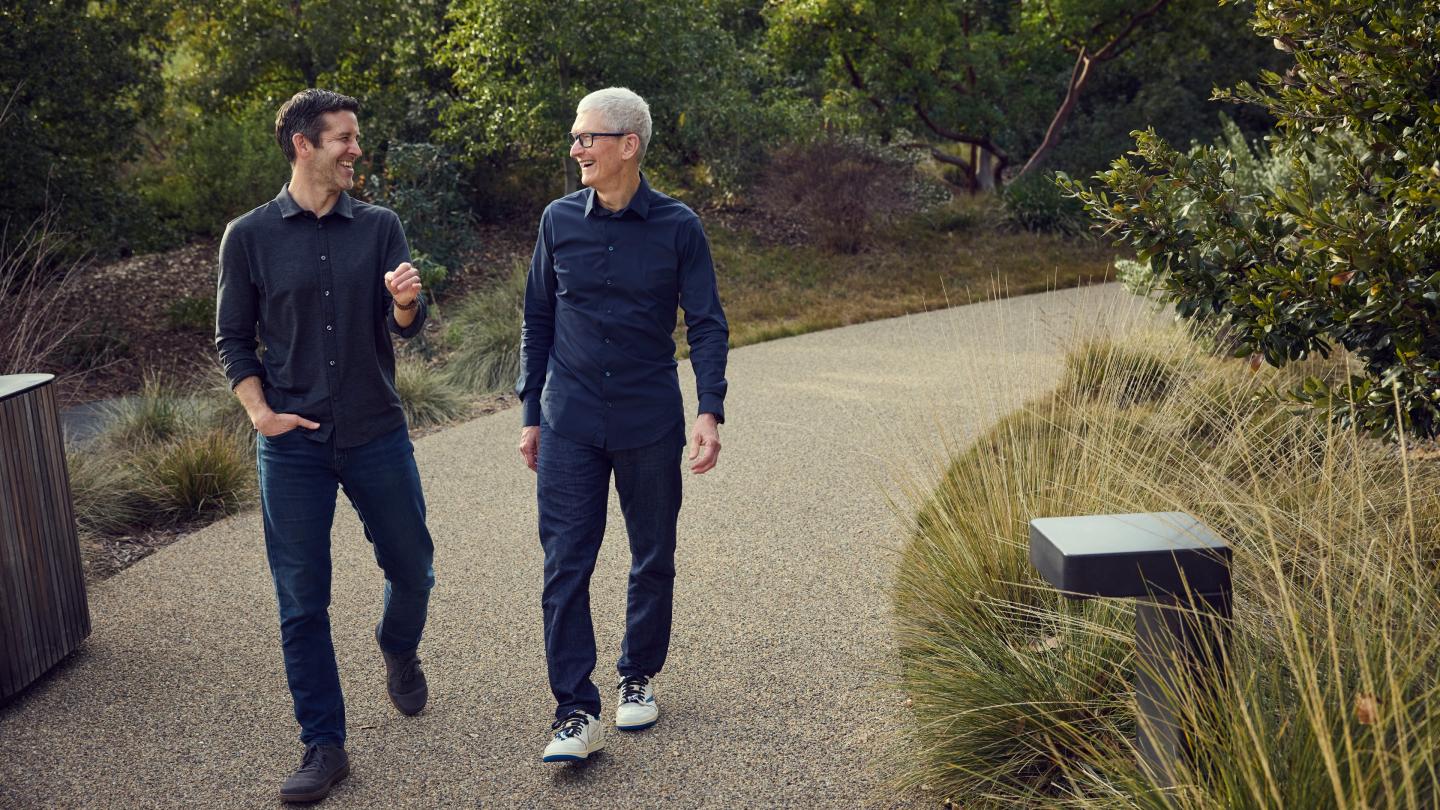
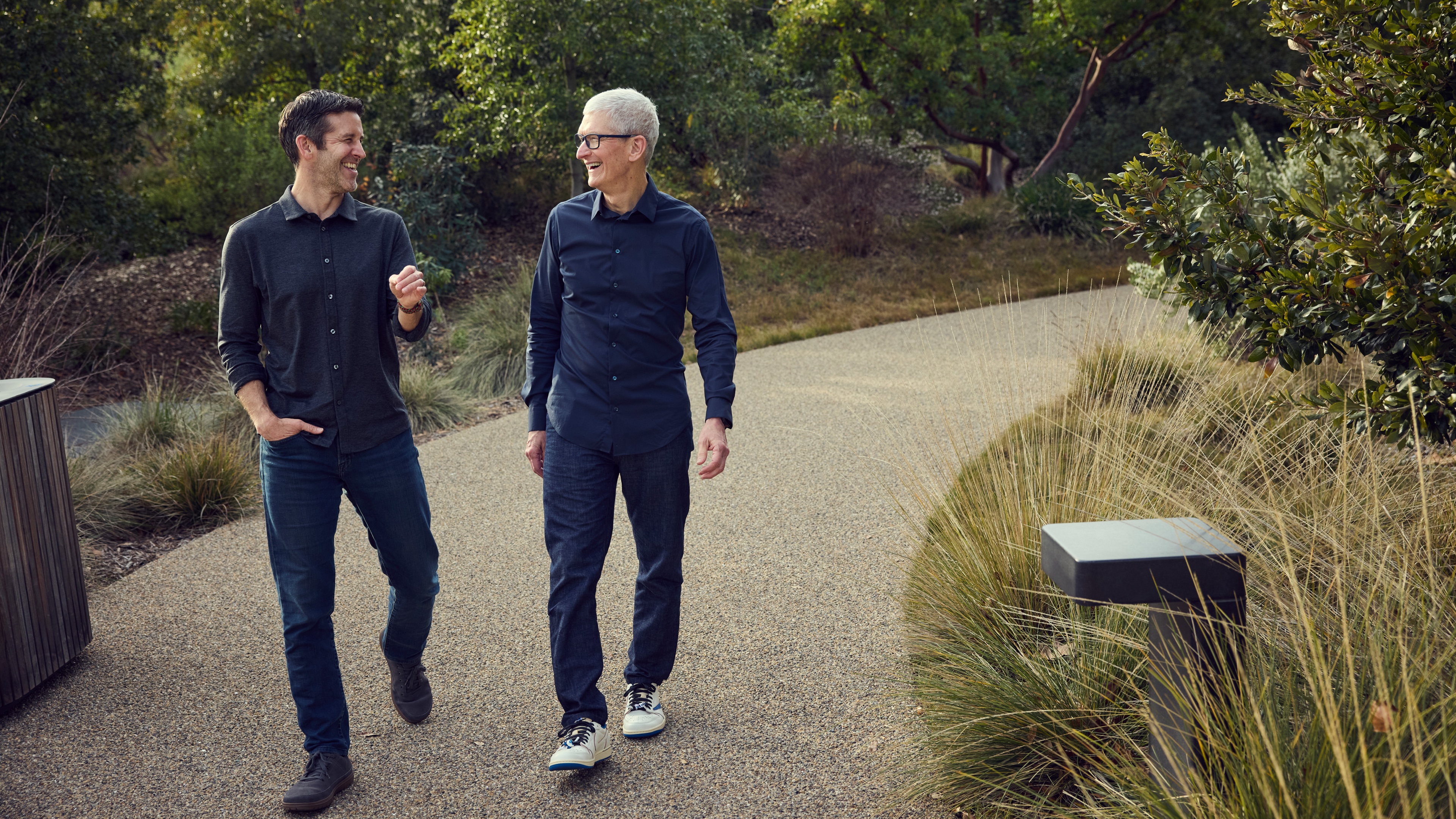
John Ternus, Apple’s 50-year-old hardware engineering boss, will officially become Apple’s next CEO on September 1. Current chief Tim Cook, 65, will become executive chairman of the company’s board; Arthur Levinson, Apple’s longtime non-executive chairman, will become lead independent director. Johny Srouji will become chief hardware officer.
Apple shares fell about 1%, to about $270, on the news in after-hours trading.
It is difficult to overstate just how much has occurred in Cupertino on Tim Cook’s watch since he became CEO in 2011, mere months before co-founder Steve Jobs’ death. The former COO and supply chain whiz took a revived Apple from its swashbuckling early chapter and both professionalized it and globalized it. Critics say Cook stamped out the creative conflict of the place; supporters say he improved collaboration at a company that has 100,000 more employees than it used to.
Along the way: Apple’s AirPods and Watch, the Beats deal, the rapid expansion of iCloud services, and the aggressive moves that became Apple Silicon, alongside stumbles including an error-plagued Apple Maps launch, the abandoned Apple Car project, Apple’s underwhelming Vision Pro, and its current Apple Intelligence woes.
What is undeniable: Apple revenue in 2011 was $108 billion; last year was almost quadruple that. Apple’s market capitalization in 2011 was about $350 billion, briefly allowing it to pass ExxonMobil as the world’s most valuable company; today, it’s the third-most valuable at $4 trillion, behind Nvidia and Alphabet.
Like Cook, Ternus has big shoes to fill. It will be his job to come up with new products that astonish. It will be his task to continue to redraw Apple’s global supply chain after trade wars scrambled it last year. It will be his task to catch up to the AI arms race and turn Siri into something special. And it will be his responsibility to decide how Apple Inc. should operate as it enters its sixth decade: combative, cordial, or something else entirely? —AN
Amazon will invest up to $25 billion in Anthropic
You know who needs more money in this day and age? AI companies!
Amazon, the No. 1 company on this year’s Fortune 500, announced on Monday that it would invest up to $25 billion more in San Francisco AI pioneer Anthropic beyond the $8 billion it has already invested in a substantial expansion of the companies’ existing partnership.
The arrangement gives Anthropic up to 5 gigawatts of capacity via current and future generations of Amazon’s Trainium chips to train and deploy Anthropic’s Claude AI models. Anthropic promises to commit more than $100 billion over the next 10 years to Amazon’s cloud unit, Amazon Web Services; Amazon will invest $5 billion in Anthropic immediately and up to an additional $20 billion in the future, “tied to certain commercial milestones.”
All of this is good news for Anthropic, which is expected to be on track for an IPO later this year. But it must be vigilant. Two months ago, Amazon agreed to invest up to $50 billion in its bitterest rival, OpenAI, which committed to using 2GW of Amazon chips and just so happens to also be headed toward an IPO. —AN
Project Prometheus closes in on $38 billion valuation
Amazon’s largest individual shareholder doesn’t like to sit still. He’s not content to just promote personal liberties and free markets in the pages of the Washington Post. He’s not sitting on his laurels chairing the highfalutin’ Met Gala in New York. He’s not keen on merely sorting through the FAA’s grounding of his rocket company Blue Origin for delivering a satellite to the wrong orbit.
No, Jeff Bezos wants a piece of this AI action—which is why he’s co-CEO of the physical AI startup Project Prometheus alongside Verily co-founder Vik Bajaj.
According to a new Financial Times report, Prometheus is in the midst of raising $10 billion at a valuation of $38 billion. Among the reported investors: BlackRock and JPMorgan, who join Bezos ($6.2 billion), Arch Venture Partners’ Bob Nelson, and other backers from the company’s initial funding round.
The startup’s mission and operations are still rather murky; “AI models for industrial applications” is as detailed as it gets thus far. Despite that lack of detail, it’s clear they’ll need the cash: Early reports said Prometheus already has 100 employees on payroll, including researchers from OpenAI, Google DeepMind, and Meta. And those folks aren’t known to be cheap hires. —AN
More tech
—California accuses Amazon of price-fixing by pressuring brands to increase prices at other retailers.
—Victory Giant jumps nearly 60% in Hong Kong debut. The Chinese circuit board maker raised $2.6 billion for its IPO.
—Jury finds Uber liable for a sexual assault by a driver in 2019. It’s not the first time the company lost in court.
—Who should Adobe’s next CEO be? Canva chief Melanie Perkins: “I definitely can’t comment on that.”
—Deezer: AI-generated music is 44% of daily uploads, but only 2% of consumption.
—U.S. Air Force cancels $6 billion RTX contract. Delays and cost overruns for the GPS ground-control network, launched 15 years ago.
—“SaaSpocalypse” at the hands of AI? “People think we have our back against the wall when in fact the opportunity has never been greater,” Salesforce CEO Marc Benioff says.