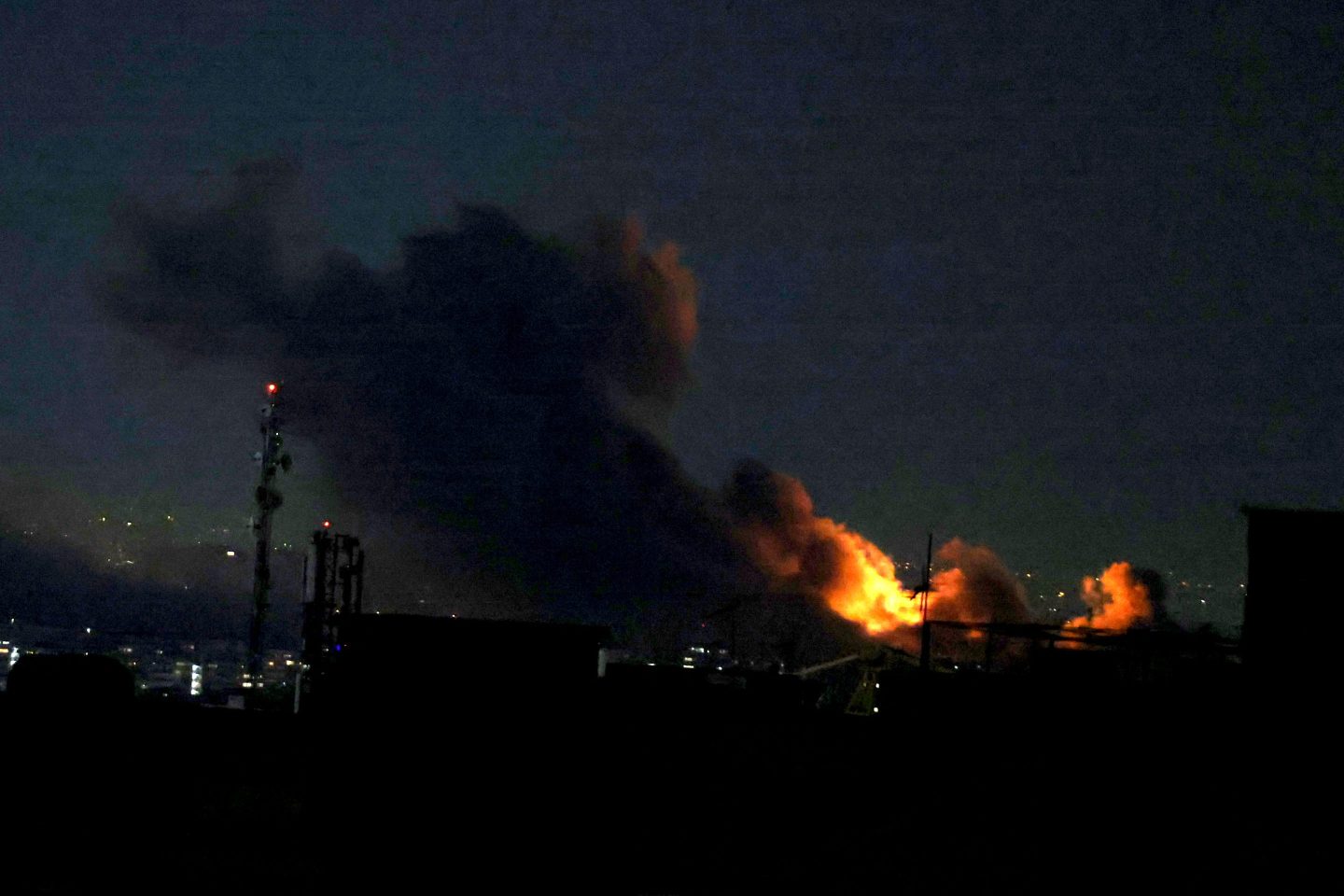

Investors are looking past President Donald Trump’s attempts to talk oil prices down as reports signal an increasing likelihood that U.S. ground troops will be deployed to fully reopen the Strait of Hormuz.
The 31st Marine Expeditionary Unit has arrived in the Middle East, and the 11th MEU is en route, while thousands of paratroopers with the 82nd Airborne Division are headed there too. Another 10,000 U.S. troops are reportedly under consideration for deployment as well.
Futures tied to the Dow Jones industrial average fell 298 points, or 0.66%. S&P 500 futures were down 0.62%, and Nasdaq futures lost 0.68%.
U.S. oil futures rose 2.4% to $101.99 a barrel, and Brent crude climbed 2% to $114.88. The national average gasoline price reached $3.98 a gallon on Sunday, up $1 over the past month, according to AAA.
The U.S. dollar was up 0.14% against the euro and flat against the yen. The yield on the 10-year Treasury fell 1.2 basis point to 4.428%. Borrowing costs rose last week after a series of bond auctions drew weak demand as investors grew more concerned about fallout from the Iran war.
Over the weekend, sources told the Washington Post that the Pentagon is preparing for weeks of ground operations in Iran, though the White House said the plans don’t mean Trump has made a decision.
Rather than a full-scale invasion, any ground attacks may take the form of raids by a combination of special forces and conventional infantry, the report said.
Targets could include Kharg Island, which is the export hub for 90% of Iran’s oil, and coastal areas near the Strait of Hormuz, according to the Post.
While U.S. and Israeli airstrikes have devastated Iran’s military, Tehran has asserted itself as the de facto gatekeeper over the Strait of Hormuz by threatening drone attacks on ships. As a result, more countries are asking Iran for safe passage through the narrow waterway and even paying millions of dollars.
In addition, the Islamic Republic could wield even more control over global oil supplies as Houthi allies have now entered the war.
The Yemen-based rebels claimed a missile launch toward Israel early Saturday, raising fears that they could also target commercial ships in the Red Sea corridor, as they did during the Israel-Hamas war, disrupting traffic through the Suez Canal.
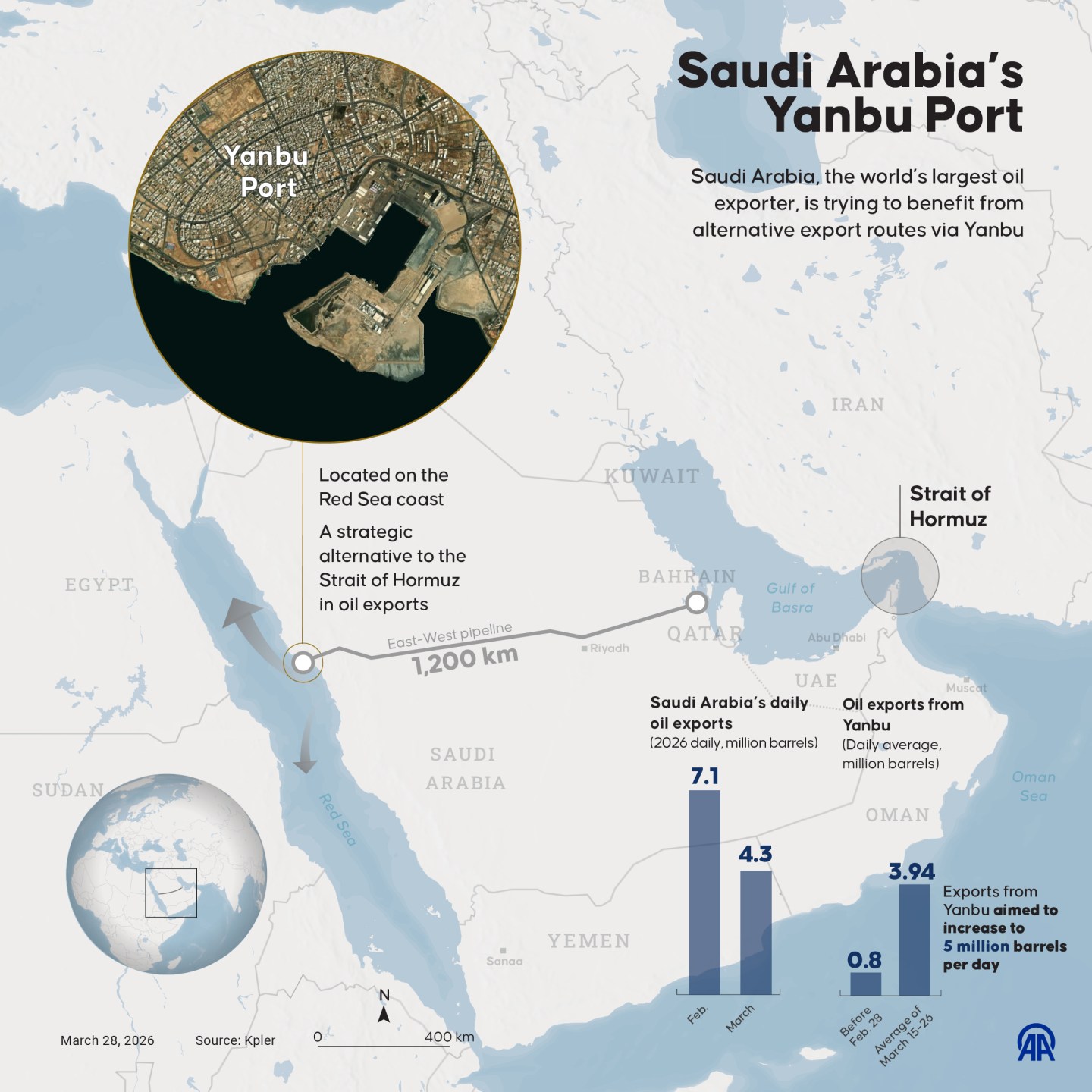
With the Strait of Hormuz largely closed off and one-fifth of the world’s crude bottled up in the Persian Gulf, the Red Sea has emerged as a vital alternate route for getting oil to global markets.
The Houthi attack comes just as Saudi Arabia’s East-West pipeline is now pumping oil at its full capacity of 7 million barrels a day, sending crude to the Red Sea port of Yanbu and circumventing the Strait of Hormuz.
Iran war could drag on into next year
That was not the only sign that the Iran war is expanding. Ukraine is signing defense cooperation agreements with Saudi Arabia, the UAE and Qatar, offering its expertise in combating drones. That’s after reports said Russia is giving Iran targeting information and enhanced drones.
At the same time, diplomatic efforts aren’t showing much progress. Pakistan said the foreign ministers of Saudi Arabia, Turkey and Egypt were holding talks in Islamabad—without the U.S. or Israel. But Iran’s parliament speaker said the talks are merely cover to give the U.S. time to deploy more troops.
While Trump has insisted his Iran war will last up to six weeks, it could be more like six months or longer.
“The Middle East war now appears to be broadening and deepening,” Capital Alpha Partners analyst Byron Callan said in a note on Thursday. “We have 25% confidence that it’s concluded by the end of May, 45% that it’s settled in the fall of 2026, and 35% that it extends into 2027.”
Against the backdrop of the escalating war, high oil prices, and a worsening inflation outlook, a heavy slate of economic news is on the way.
On Monday, Federal Reserve Chairman Jerome Powell will speak, just weeks after the central bank kept rates steady, ahead of several other Fed officials due to make public appearances throughout the week.
On Tuesday, the S&P Case-Shiller home price index as well as the job openings and labor turnover report will come out.
On Wednesday, the ADP monthly payroll report, the Institute for Supply Management’s manufacturing index, and retail sales data are due.
And on Friday, the market will be closed for Good Friday, but the Labor Department will release its jobs report, with Wall Street expecting payrolls to rebound to a gain of 45,000 after a surprise loss of 92,000.