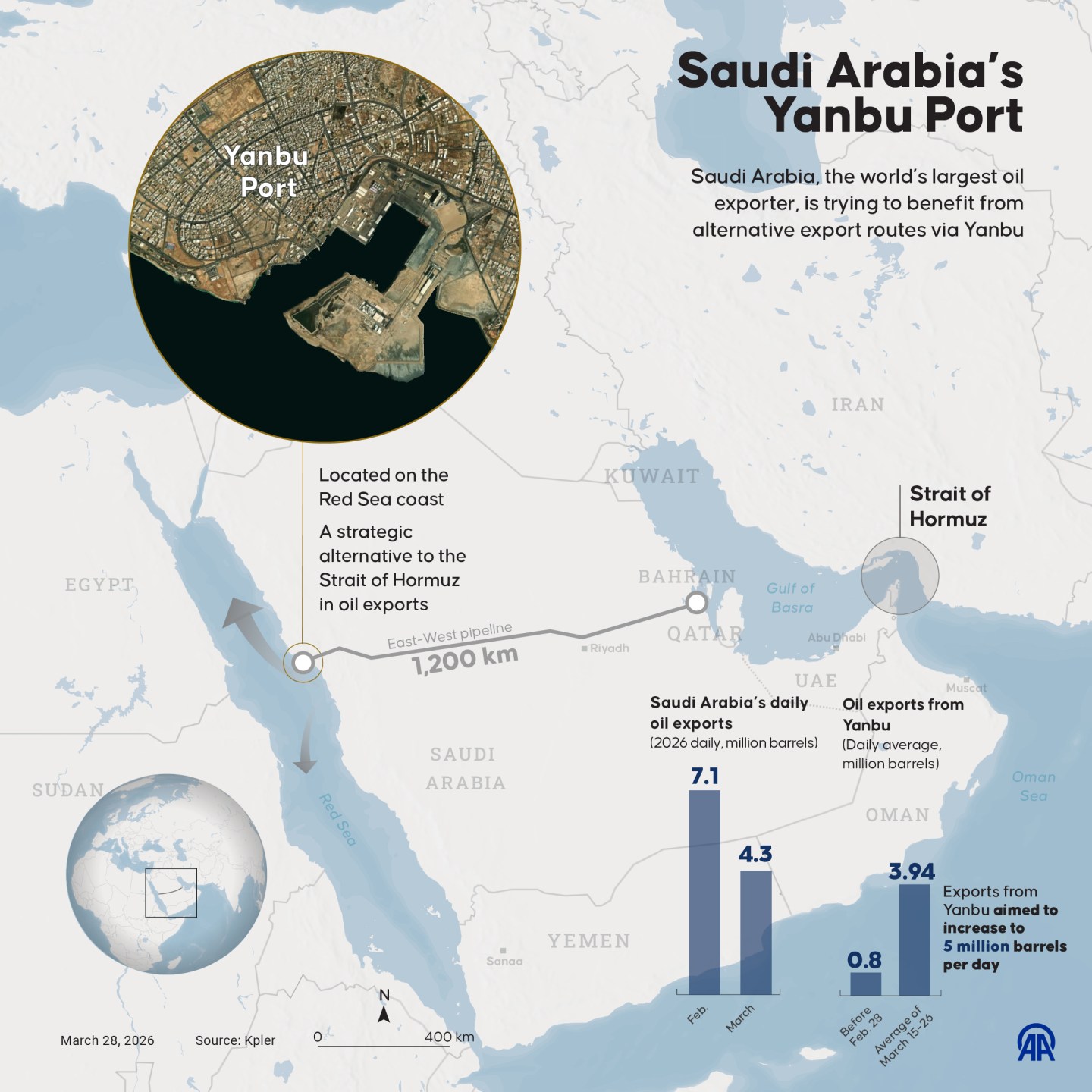
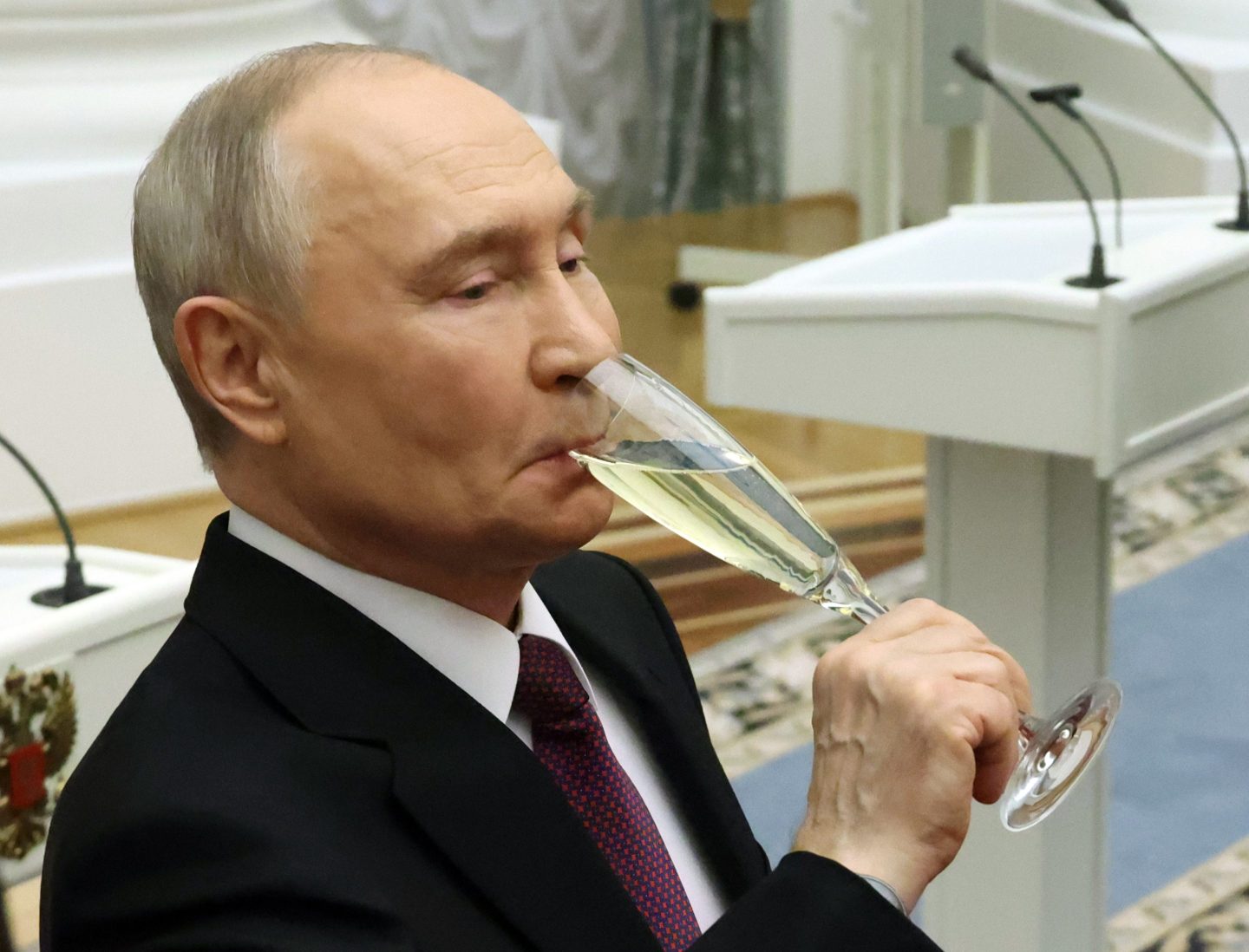
The U.S. war on Iran set up Russia’s economy for a major rescue after oil prices soared after the closure of the Strait of Hormuz. But if President Vladimir Putin was expecting a huge windfall, that view may literally be going up in smoke.
With one-fifth of the world’s oil supplies cut off, Russian oil suddenly became much more valuable. After trading at a steep discount to Brent crude, Urals oil nearly reached parity with the global benchmark.
The U.S. also temporarily lifted sanctions on Russian crude, despite warnings that the move would provide a vital influx of revenue to the cash-strapped Kremlin.
Just before President Donald Trump’s war on Iran, Russia’s oil and gas revenue had collapsed by 50%, and the government was draining its reserves to help pay for its war on Ukraine, now entering its fifth year, as budget deficits widened.
The spike in oil made Russia one of “the single biggest winners in the near term” from the Iran conflict, Wichita State University international business professor Usha Haley told Fortune‘s Marco Quiroz-Gutierrez last week. “It has actually rescued Russia’s oil revenues from decline and a decline over a very long period.”
Then Ukraine launched a series of drone attacks on Russia’s top export hubs, including Novorossiysk on the Black Sea as well as Primorsk and Ust-Luga on the Baltic Sea.
According to Reuters calculations, about 40% of Russia‘s crude oil export capacity was shut down on Wednesday, marking the most severe oil supply disruption in the modern history of Russia.
Separately, a Bloomberg analysis of shipment data showed that Primorsk and Ust-Luga previously handled about 45% of Russia’s seaborne crude exports.
The barrage of Ukrainian drones has not let up, continuing to evade air defenses and reach deep inside Russian territory. Fresh attacks on Sunday sparked fires at the Ust-Luga port, according to Reuters.
‘Unscheduled refinery maintenance’
Of course, removing more Russian supplies from the global oil market could lift prices even higher, and Russia can still export crude from its eastern terminals that serve Asia.
But Ukraine’s drone attacks are also forcing Moscow to deprioritize some exports and protect consumers, who have been battered by high inflation. A strike early Saturday hit a large Russian oil refinery in Yaroslavl, north east of Moscow.
Now the Kremlin is planning to reintroduce a ban on gasoline exports to combat domestic fuel shortages as producers would be barred from exporting gasoline to earn bigger profits. The Russian newspaper Kommersant cited “unscheduled refinery maintenance” and fires at Primorsk and Ust-Luga.
Before the Iran war, alarm bells about the economy had been coming from inside Russia. Kremlin officials warned Putin that a financial crisis could hit by the summer, sources told the Washington Post last month.
They pointed to weak oil revenue and a budget deficit that continues to widen, even after Putin hiked taxes on consumers. A Moscow business executive also told the Post that the crisis could arrive in “three or four months” amid spiraling inflation, adding that restaurants have been closing, and thousands of workers are getting laid off.
The economic strains go back to Russia’s invasion of Ukraine. As sanctions took hold and Putin mobilized the economy for a prolonged war, a tight labor market and high inflation forced the central bank to keep interest rates high. Recent easing failed to prevent spending declines in several consumer categories.
With companies feeling the squeeze of high rates and weaker consumption, more workers were going unpaid, getting furloughed, or seeing their hours cut. As a result, consumers were having trouble servicing their loans, raising concerns of a crash in the financial sector.
“A banking crisis is possible,” a Russian official told the Post in December on condition of anonymity. “A nonpayments crisis is possible. I don’t want to think about a continuation of the war or an escalation.”