
The effective closure from the Iran war of the Strait of Hormuz—the critical chokepoint for roughly 20% of the world’s oil and liquefied natural gas—is in its fifth week with no clear signs of resolving. For Asia, which buys more than 80% of the crude and LNG that flows through the narrow waterway, the consequences have been swift: severe fuel shortages, export bans, and government budgets stretched to the breaking point.
The crisis is forcing Asia to look both backward and forward simultaneously. In the short term, governments are returning to coal—the dirtiest of fossil fuels—to keep the lights on. In the long term, the supply shock may accelerate nuclear restarts and electric vehicle adoption faster than years of climate policy ever managed.
The fuel crisis has pushed Asian countries to turn to increasingly severe measures to maintain their stockpiles.
South Korea urged households to take shorter showers, charge devices during off-peak hours and shift usage of high-energy appliances like washing machines to weekends. Samsung, meanwhile, barred employees from driving their car to work if the last digit of their license plate matches the last digit of the current date.
Southeast Asian governments are rolling out similar restrictions. Thailand introduced a four-day workweek for civil servants, and ordered higher office air-conditioning temperatures to curb demand. Vietnam’s airlines are suspending some domestic routes as the country braces for jet fuel shortages.
The situation is most critical in the Philippines, where President Ferdinand Marcos Jr. on March 24 declared a national energy emergency, citing an “imminent danger” to the nation’s supplies of fuel. Transit workers went on strike on Friday to protest rising fuel prices.
The crisis also is straining government finances. Malaysia’s monthly fuel-subsidy bill, for example, has surged from 700 million Malaysian ringgit ($174 million) to more than 3.2 billion ringgit ($797 million), and could reach 24 billion ringgit ($6 billion) if oil remains above $110 per barrel. Kuala Lumpur cut the quota of subsidized fuel by a third before the weekend in a bid to slice costs.
Back to coal
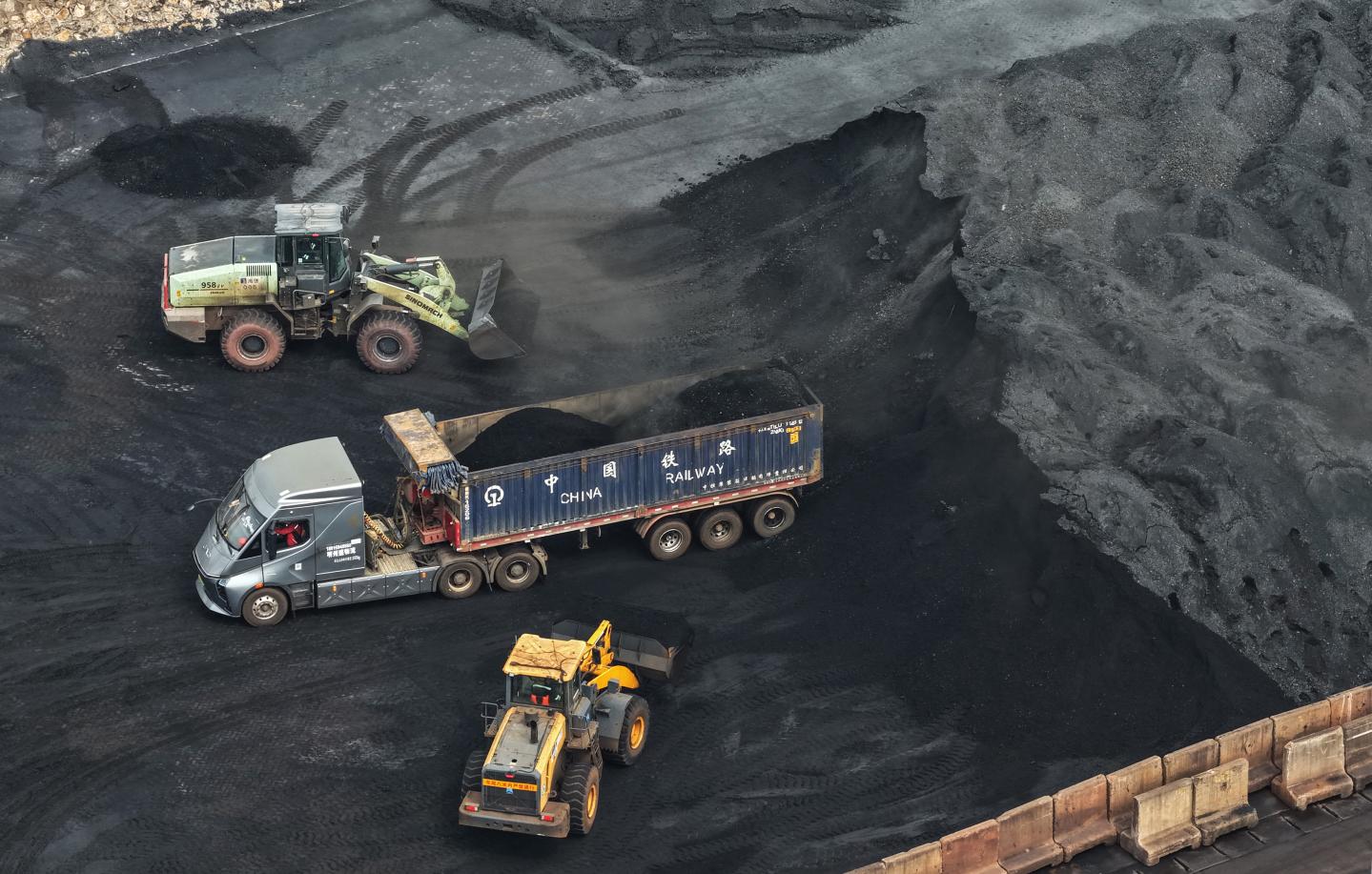
Asian governments are temporarily pivoting to coal as the Iran war chokes off natural gas supplies, undermining years of effort to curb the continent’s dependence on the dirtiest major fuel.
Across the region, governments have gradually curtailed coal while promoting LNG as a relatively cleaner, more flexible transition fuel.
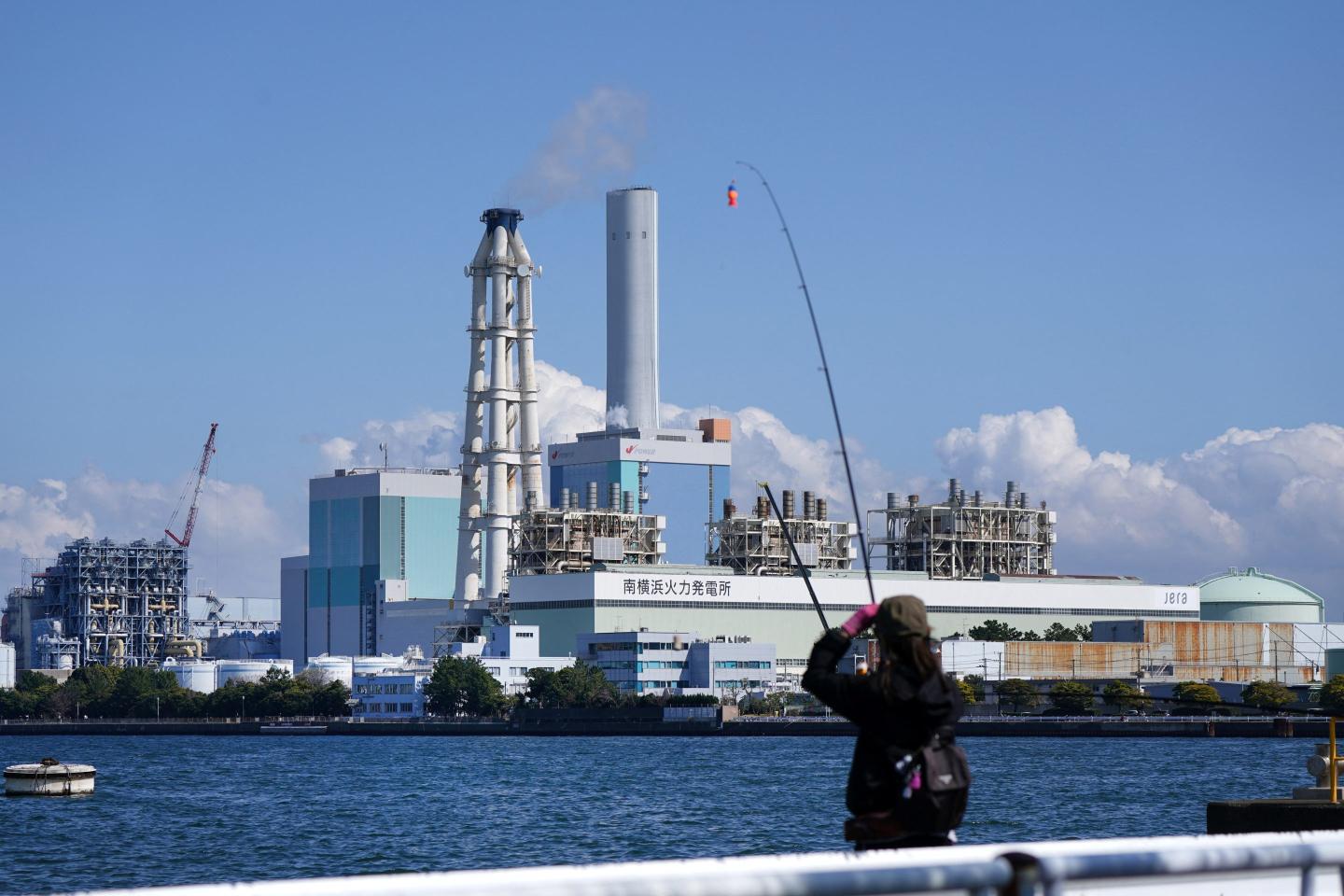
The Hormuz crisis is reversing that progress. Thailand’s government is restarting two coal plants that it decommissioned last year. South Korea removed its 80% operating cap on coal-fired generation. Japan confirmed on March 27 that it too is lifting caps on coal power generation, allowing older and less-efficient plants to operate at full capacity for up to a year from April.
Traditional coal exporters, such as Australia and Indonesia, also may keep coal for themselves rather than share it with their neighbors.
“Indonesia is prioritizing domestic coal consumption over exports, which tightens supply for Asian imports,” says Vicky Janita, an analyst at Rystad Energy. “The rest of the region doesn’t necessarily benefit from Indonesia’s coal abundance if it cannot export.”
The risk is that once a coal plant is brought back online, the sunk costs and political economy of energy pricing make it difficult to shut down again. “There’s a danger of a long-term carbon lock-in once countries decide to reverse plans to retire aging coal-fired fleets,” warns Sharon Seah, coordinator of the Climate Change in Southeast Asia program at ISEAS–Yusof Ishak Institute.
Forward to nuclear
The ongoing war in Iran and Lebanon also is likely to accelerate nuclear plans across Asia.
Southeast Asia, despite years of debate, does not have a single operational nuclear power plant. Nuclear was expensive and politically toxic after the Fukushima nuclear accident in 2011, and cheap natural gas ended up a more attractive option. Other parts of Asia have also been wary of nuclear: Taiwan decommissioned its last nuclear plant last year.
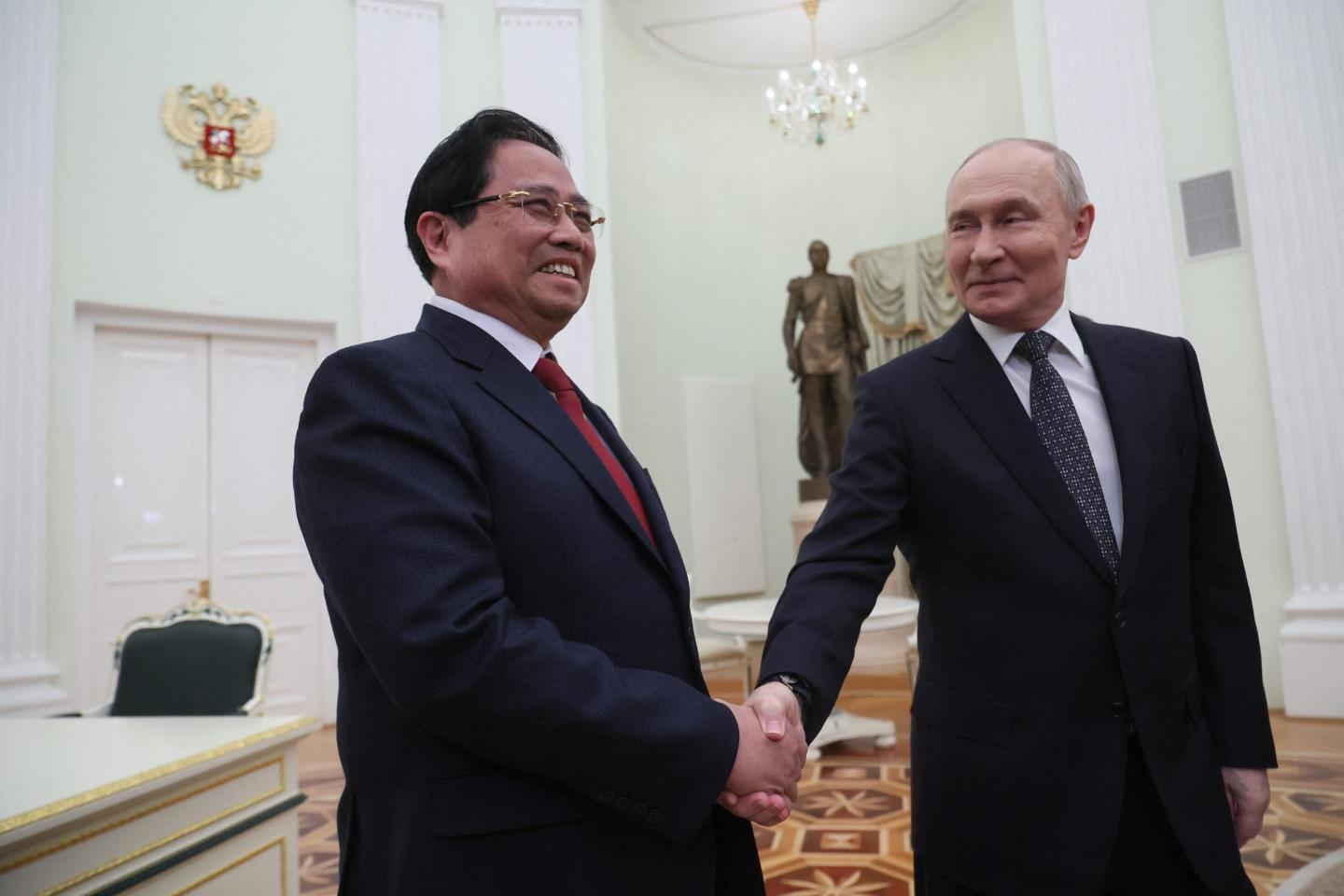
Parts of Asia were making cautious steps toward nuclear energy before the Iran crisis. Vietnam had been in negotiations with Russia to build its first nuclear power plant; that deal was finalized on March 23, when Moscow agreed to help construct the Ninh Thuan 1 plant using two Russian-designed reactors.
Malaysia is also considering nuclear energy to power its growing data center industry without abandoning its net-zero commitments.
China has dozens of nuclear reactors under construction and several hundred still in the planning stage, David Fishman, an analyst at the China-based Lantau Group, noted. “It’s the most ambitious build plan in the world by far, even if it’s still only a very small fraction of China’s total power consumption.”
But the Iran war could accelerate a return to nuclear energy.
The most dramatic nuclear reversal is in Taiwan, where President Lai Ching-te, whose ruling Democratic Progressive Party has governed under a “nuclear-free homeland” platform since 2016, announced plans to restart two of the island’s shuttered reactors.
The Philippines has laid out a pathway to nuclear power by 2032 and is seeking South Korean expertise, while Seoul is raising utilization rates at existing reactors.
Still, it is easy to overestimate the permanence of any of these shifts.
“In every oil crisis, the knee-jerk reaction from net importers is, ‘We must switch to non-fossil fuel sources’,” says Li-Chen Sim, an associate fellow at the Middle East Institute in Washington. “But this is quickly forgotten or cast aside once the crisis is over.”
Fossil fuels are not used solely for power generation, she added; the region’s semiconductor, plastics, and textile industries also depend heavily on petrochemical inputs. “No Southeast Asian country is about to permanently shift away from fossil fuels,” she notes.
“The energy transition in Asia is more likely to be a messier, longer transition where fossil fuels remain a significant part of the mix for at least another decade,” adds Rystad’s Janita.
Not just power
Apart from seeking alternative energy sources, the Hormuz crisis may trigger “demand destruction,” resulting in less total energy usage—a phenomenon when high prices cause a permanent shift in consumer behavior. One historical precedent is the 1970s oil embargo, when U.S. drivers defected to fuel-efficient Japanese cars and never went back.
“The question is whether this crisis does the same for EVs in Asia,” Janita says. “While EVs won’t ease the current shortage, this crisis could be a turning point for medium-term adoption across the region.”
There’s some early evidence that consumer behavior is changing. EV dealerships across Southeast Asia reported higher customer interest and increased orders in March. And governments are pushing for change too: earlier this week, Indonesia President Prabowo Subianto pledged that all vehicles in Indonesia would eventually be electric.
“Chinese EVs have been gaining strong traction in markets like Australia recently, and electric two-wheelers in Southeast Asia were already expanding rapidly even before the current crisis,” says Hao Tan, a professor of management at the University of Nottingham Ningbo China. “Higher oil prices are most likely to accelerate this trend, and Chinese firms hold the strongest competitive advantage.”
China has been insulated from the Iran energy shock. China relies more on a mix of coal, nuclear, and renewable energy rather than oil and LNG. In addition, its strategic reserves, estimated at some 120 days of oil imports, give it a substantial buffer against price shocks.
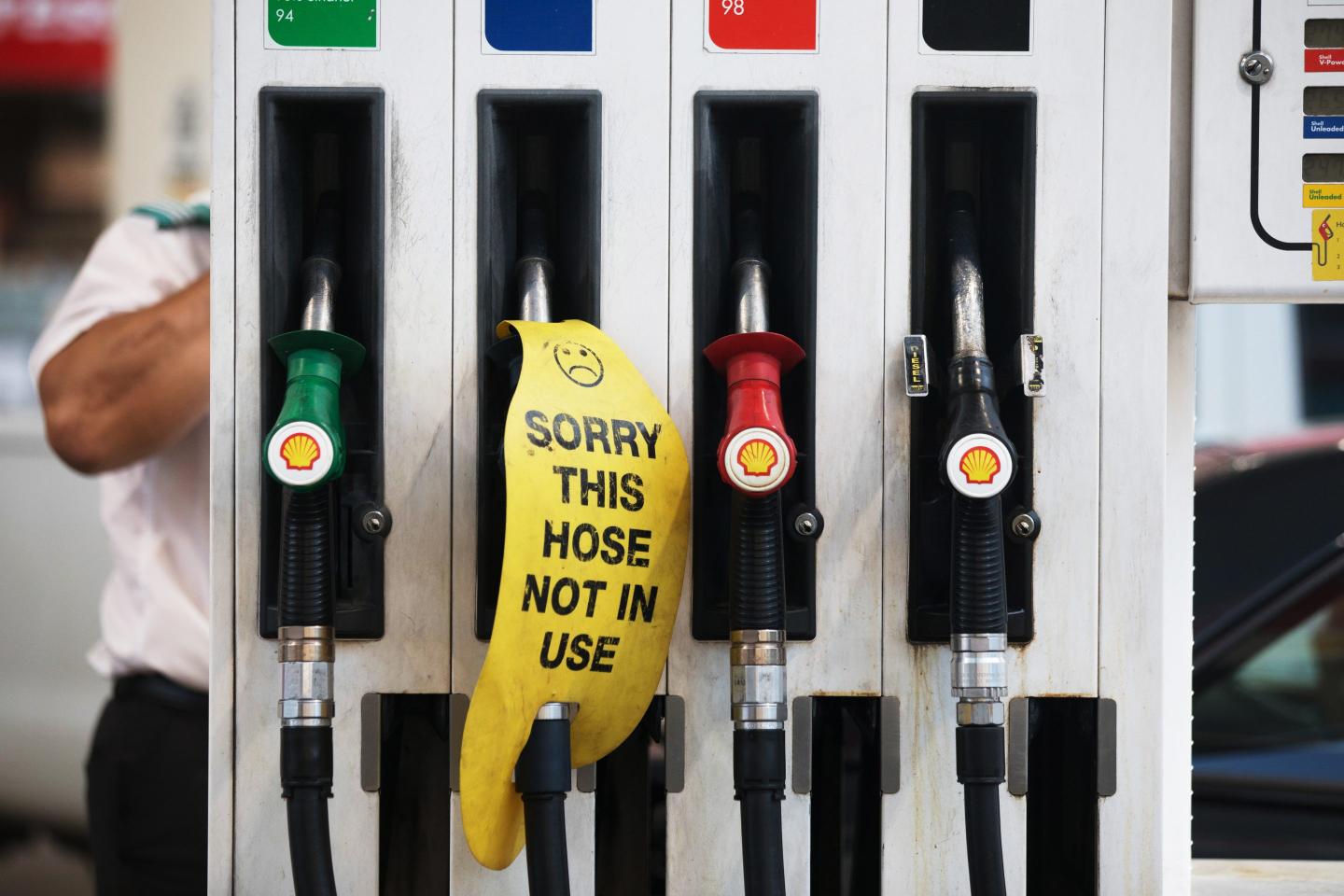
But China’s early decision to direct its top refiners to suspend exports of diesel, petrol, and jet fuel is rippling across the region.
The collateral damage has been significant. China supplies 40% of Australia’s jet fuel; Vietnam, the Philippines and Bangladesh also rely on Chinese fuel. Thailand and South Korea have also imposed limits on refined-fuel exports, further tightening regional supply.
Mines in Australia are warning of suspensions due to dwindling diesel supplies. Airlines across the region, like Hong Kong’s Cathay Pacific are slapping hefty fuel surcharges on flights; Vietnam and the Philippines are even weighing whether to ground planes.
Fishman thinks China may take a “reputational hit” for halting fuel exports, but argues Beijing may have had little practical choice. “Wouldn’t you do the same if you had excess refining capacity and you were facing down a potential domestic shortfall?” he asked. “It’s horrendous math that you can’t get around—but it’s not wrong.”