Good morning. On Fortune’s radar today:
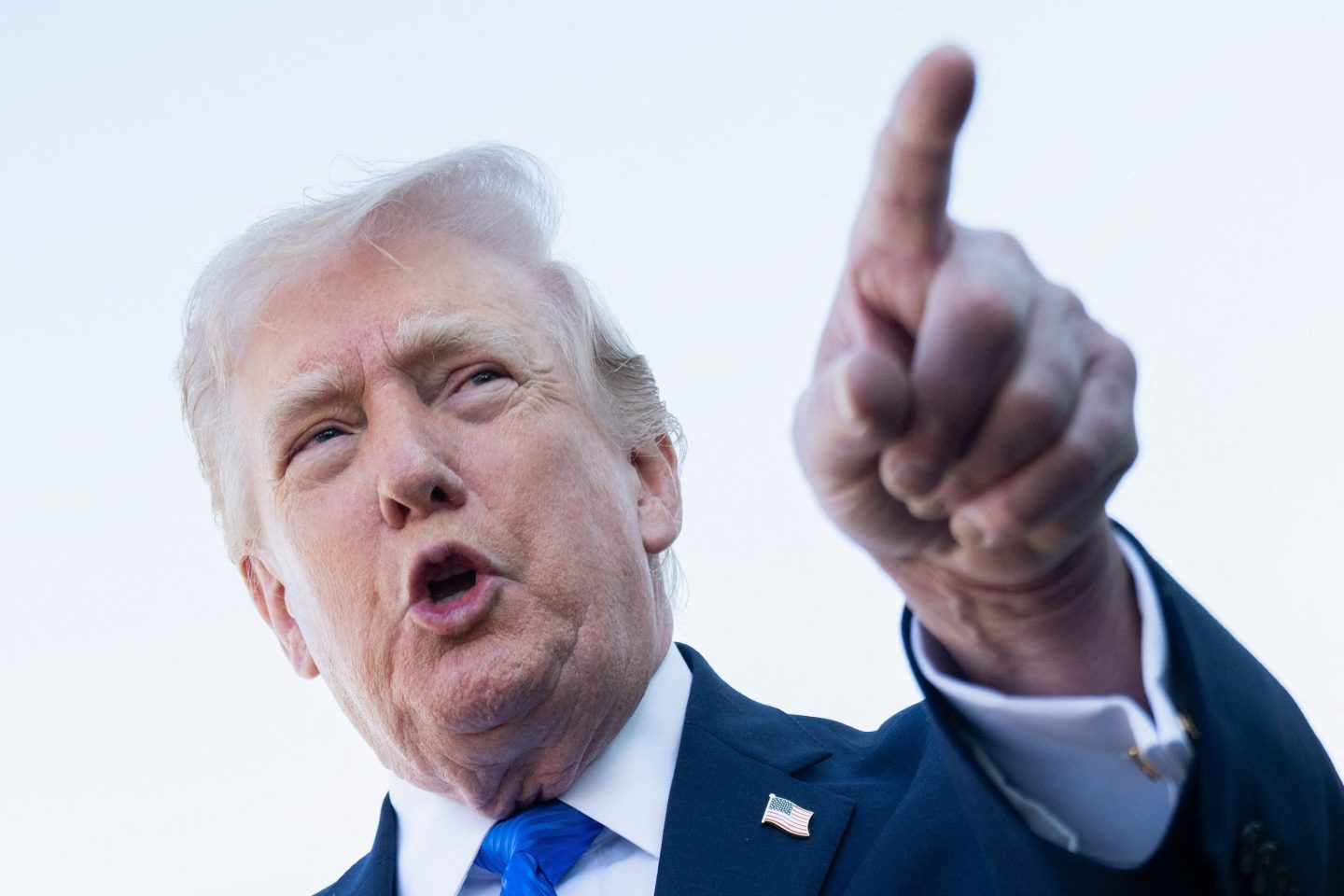
- Stock traders rejoiced at the news that President Trump may be searching for a way out of Iran. Oil is still above $100 a barrel, and both Tehran and Wall Street expect American voters to punish Republicans at the midterm elections if this goes on much longer. There is an off-ramp, but it risks making Iran look like the winners, experts say. Suspiciously, a massive set of highly profitable trades in oil and stock futures were placed in New York minutes before Trump announced he wanted Iran to come to the table.
- Exclusive: Some people are so addicted to their phones that they end up in a $1,000-a-day rehab clinic outside Seattle.
- In Asia there are shortages of jet fuel, toilet paper, and fertilizer.
- Morgan Stanley warns of a “chaotic melt toward stagflation.”
- Private credit funds have shut the gates on some investors.
THE MARKETS
Stocks bounce on hopes of peace
Oil was at $102 per barrel this morning. S&P 500 futures were flat before the opening bell in New York. The index rose 1.15% on Monday. Asia had a good day: South Korea’s KOSPI rose 2.74%. Japan’s Nikkei 225 rose 1.43%. Europe was “meh” in early trading: The U.K.’s FTSE 100 and the Stoxx Europe 600 were both flat before lunch.
ONE BIG THING
Inside a $1,000-a-day tech addiction rehab clinic
By age 21, Sarah Hill was so addicted to video games that she’d stopped seeing friends, showering, and brushing her teeth. At college, she spent so much time in her room compulsively accessing a chatbot site, Character AI, that she failed classes. “I’d lied about everything and I flunked,” she recalls. “My parents didn’t have any words. They were like, ‘Just go.’ I went to my room, but the last thing I saw was my mom resting her elbows on the counter and just crying. That was the worst thing I ever saw.” She enrolled at reSTART, one of the nation’s few residential rehab programs that treat tech addiction like alcohol or drug addiction. Fortune’s Kristin Stoller reports on the intense debate about how addictive tech can be, currently wending its way through the U.S. court system via lawsuits against Meta, YouTube, TikTok, and Snap.
IRAN
Tehran bets American voters won’t tolerate high gas prices
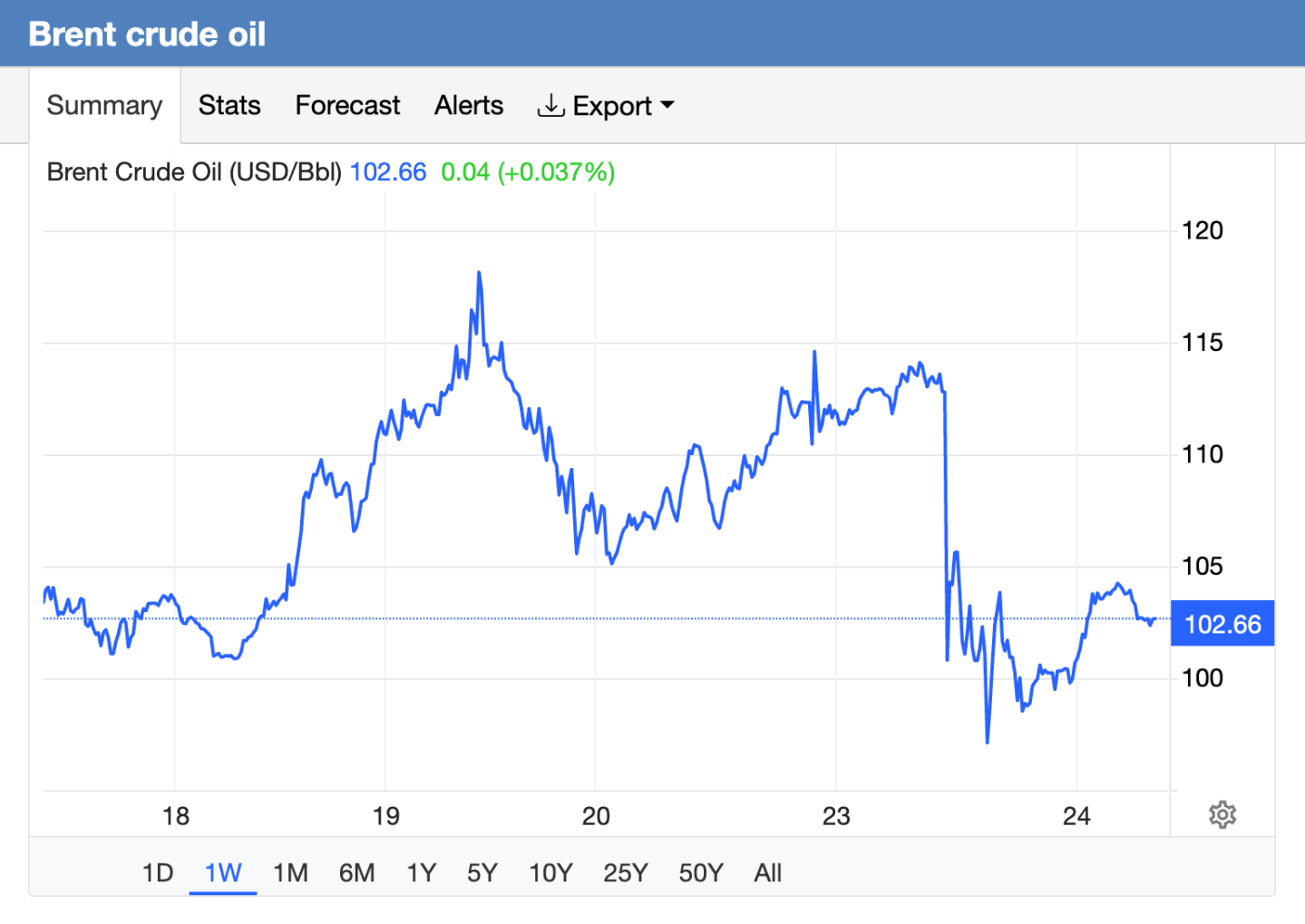
The price of oil whipsawed from nearly $114 a barrel yesterday down to as low as $97 and was sitting at $102 this morning, after President Trump suddenly announced he was giving Iran five more days to engage in talks that might end the war. Oil was at $72 before the war and some analysts—most recently Goldman Sachs—are forecasting it could go as high as $147 if the conflict doesn't end soon.
The Iranians have figured out that control of the Strait of Hormuz is their most effective weapon against the U.S. and Israel’s bombing of Tehran, according to Ed Yardeni of Yardeni Research. American voters won’t tolerate high gasoline prices for long. “The Iranians must figure that if they can keep oil prices elevated through the U.S. midterm elections, the Republicans will lose at least the House if not the Senate as well. They must hope that the Democrats might cut off funding for the war,” he told clients in a recent email.
No surprise then, that diplomats from Egypt, Turkey, Saudi Arabia, and Pakistan were in Riyadh yesterday acting as intermediaries between the White House and Tehran. “But there was one big problem,” as The Wall Street Journal archly put it, “Earlier that week, Israel killed Iran’s national security chief, Ali Larijani, who had been considered a viable partner who could engage with the West.”
What the off-ramp might look like: Iran doesn’t want a temporary ceasefire, The New York Times says. It is looking for a permanent peace pact in which it is not attacked again, and it wants economic sanctions lifted. Washington wants a complete cessation of Iran’s nuclear weapons program.
Even if Trump’s demands can be satisfied, a withdrawal of U.S. troops and the reopening of the strait would look a lot like a victory for Iran, according to Former Defense Secretary James Mattis. And Iran would retain de facto control of the 700-mile-long shipping lane because the mere threat of an attack would likely deter most freighters. "And they've got anti-ship cruise missiles that could be fired off the back of a pickup truck that can go 100 miles. So there's the problem,” he said.
Shortages of helium, jet fuel, toilet paper, and fertilizer
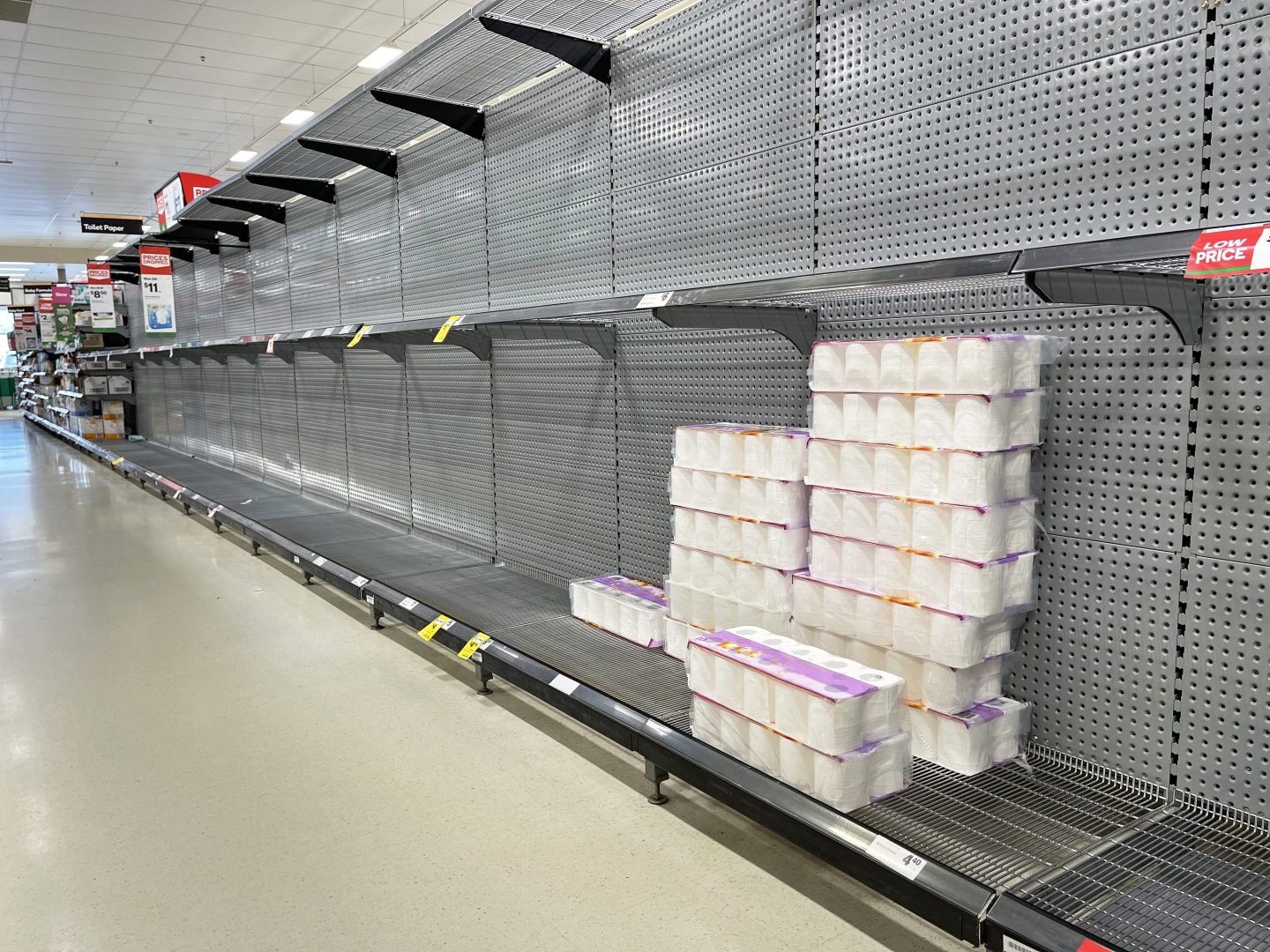
Unusual shortages are cropping up in Asian countries, which are vulnerable to reduced oil supplies, according to Fortune's Angelica Ang. South Korea is restricting the use of government vehicles from midnight on Wednesday. Cars with number plates ending in 1 or 6 will not be allowed to be driven on Monday. Plates ending in 2 or 7 will be banned on Tuesday, and so on, The Financial Times reports. China is imposing price controls on diesel. The Philippines has warned it may be running out of jet fuel. Farmers can’t get the fertilizer they need for the spring planting of crops because 49% of the world’s urea is shipped through the strait. And in Japan, they are panic-buying toilet paper, just in case, according to Fortune’s Eva Roytburg.
- Trump despises wind farms so much he’s paying a French energy giant $1 billion to stop building them and invest in natural gas instead, Fortune’s Jordan Blum reports.
Someone knew too much
By amazing coincidence, a sudden flurry of trades in S&P 500 futures worth $1.5 billion were placed between 6:49 a.m. and 6:50 a.m. yesterday in New York, Bloomberg reports, right before Trump’s Truth Social post at 7:05 a.m. announcing he would not begin bombing Iran’s power infrastructure. There was a similar spike of $650 million in oil trades at about the same time, just a few minutes before Trump announced his change of heart. The @unusual_whales account on X noticed the trades also.
CHART OF THE DAY
Central banks face ‘chaotic melt toward stagflation,’ Morgan Stanley says
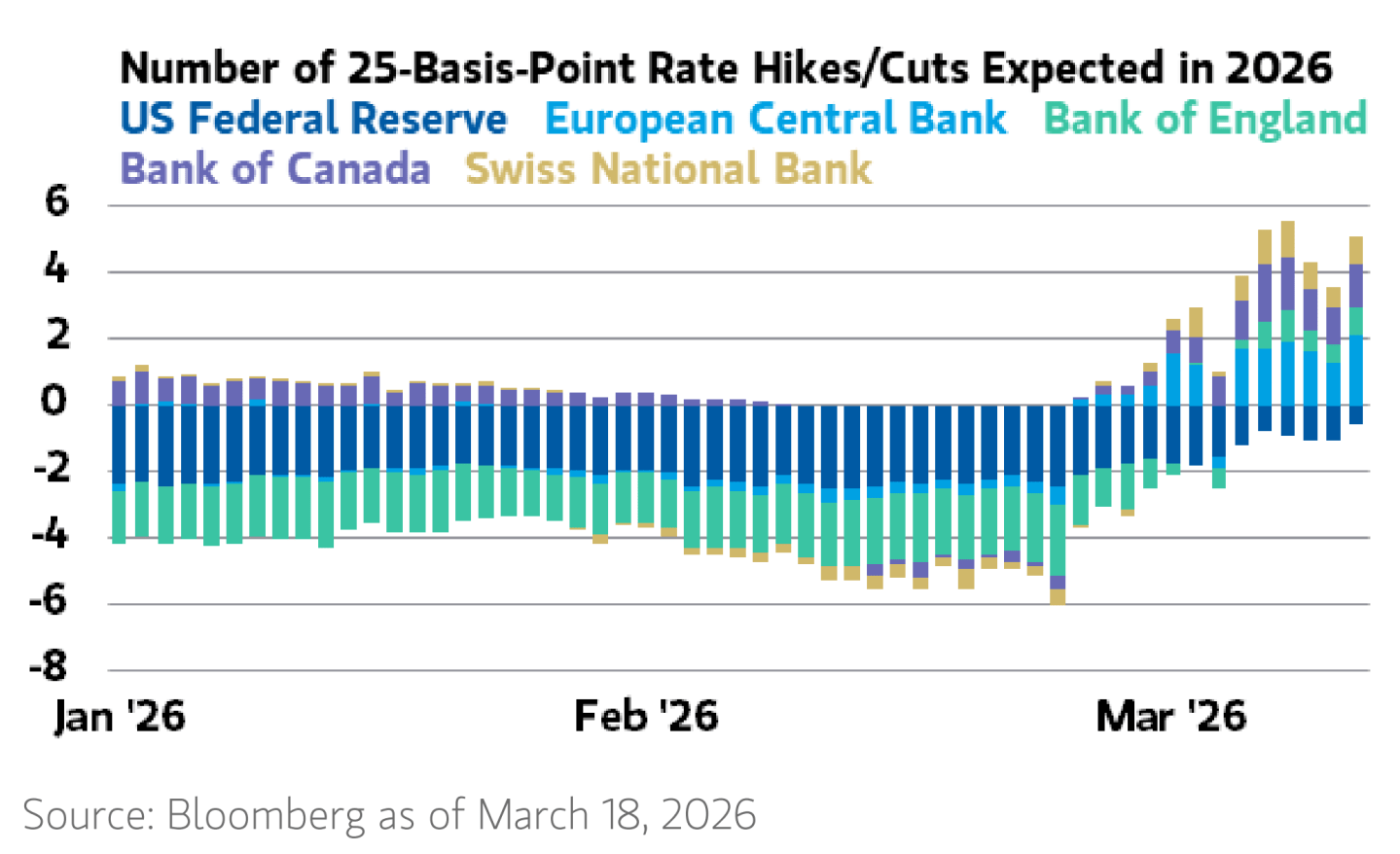
Rising oil prices are suppressing economic growth and fuelling inflation, which will force central banks to raise interest rates the world over, according to Morgan Stanley Wealth Management Chief Investment Officer Lisa Shalett, in a note titled "‘chaotic melt toward stagflation." “The oil shock could destroy demand and dent global growth, with potential stagflation implications,” she told clients in a recent note. ”The 2026 bull case is slowly being undermined.” Exhibit A: Before the war, Morgan Stanley expected the major central banks to collectively cut 150 basis points from their base rates. Now the bank expects nearly 125 basis points of hikes.
NUMBER OF THE DAY
20 million
The upper estimate of unit sales for Apple’s upcoming foldable iPhone, according to Bank of America analyst Wamsi Mohan. The launch is expected later this year, he said in a recent research note based on “checks in Asia” with Apple suppliers.
MORE FROM FORTUNE
Say hello to 10 a.m. starts. Mark Cuban says AI will cut your workday by an hour—and you’ll still get paid the same, by Orianna Rosa Royle
What Mark Zuckerberg’s AI sidekick could teach CEOs about leading by example, by Claire Zillman
Airlines are preparing for the worst as Iran war enters its fourth week. But demand is still strong, and travelers are willing to pay higher fares, by Jacqueline Munis
Starbucks CEO admits the chain ‘ran like a manufacturing facility’, by Sasha Rogelberg
THE FRONT PAGES TODAY
China’s leaders hunt for strategic gains from U.S. quagmire in Iran - FT
Gold sinks deeper into bear market territory as sell-off extends - CNBC
Press groups denounce Pentagon's new media rules - Axios
See a minute-by-minute breakdown of the fatal LaGuardia crash - WSJ
Former Google executive set to take helm at besieged BBC - Bloomberg
ONE MORE THING
The gates are shutting on private credit funds
Apollo Global Management has become the latest in a line of investment platforms to refuse to allow investors to withdraw money from their private credit funds. Among half a dozen funds tracked by The Financial Times, $11.7 billion in redemption requests were received, but managers acceded to only $7.8 billion, gating the rest. Apollo honored about half the requests. Blue Owl, Morgan Stanley, and BlackRock have imposed similar gates on their private credit funds.