The U.S. and Israel are locked into a longer-than-expected war that may extend through April before Iran’s military is sufficiently neutered to begin shifting toward a “defensive” posture and reopening oil and gas flows to a world thirsting for cheaper energy, military and energy analysts said.
With or without a ceasefire agreement and likely short of regime change, the main military objective is to stay the course until Iran is exhausted of much of its remaining missile, drone, and fast-boat inventories, meaning it can no longer effectively block tankers from the critical Strait of Hormuz choke point, they said.
President Donald Trump hinted at it on Friday, when he posted on social media that he is considering “winding down” military operations in the Mideast, saying the U.S. is near its objectives of degrading Iran’s missile capability, defense industrial base, armed forces, and nuclear program.
The war has caused oil prices to surge about 75% since the beginning of the year, threatening inflationary spikes worldwide and regional energy shortages. The campaign has already cost the U.S. many billions of dollars, and the Pentagon has request $200 billion more. Much of the Iranian leadership is killed and many of its military supply chains are decimated. But that hasn’t stopped Israel from escalating matters by targeting Iran’s domestic power supplies through its South Pars gas field—an action Trump criticized, asking Israel to stop hitting oil and gas production—or Iran responding by attacking the energy infrastructure of its Gulf neighbors, most notably Qatar’s liquefied natural gas facilities.
So what’s the end game now that the war has concluded its third week? After all, the conflict is almost certainly extending beyond the initial four weeks that Trump cited. And limited operations for U.S. boots on the ground remain on the table, whether to seize nuclear sites or Iran’s oil-exporting hub, Kharg Island.
“You can leave the regime intact but, if it is neutralized militarily, President Trump could claim that the Iranian military does not pose a threat to shipping through the strait. That would certainly be an important victory,” said Thierry Wizman, a top economic strategist for the Macquarie Group.
The U.S. is currently targeting Iranian fast-attack vessels and drones near the strait, relying on A-10 Warthog fighter jets and Apache attack helicopters.
“If the U.S. claims victory and there is no formal surrender, and then you have an attack by Iran on a [tanker] vessel, then that would look very bad for the U.S.,” Wizman said, warning of a too-early “mission accomplished” celebration. “It really must be airtight. That’s why, in the absence of a formal agreement, this can last a long, long time because you have to basically get everything that’s out there.”
But an end is within reach, even if the timeline is extended an extra month or so, said Richard Goldberg, senior advisor for the Foundation for Defense of Democracies neoconservative think tank.
“Whether it’s four weeks or eight weeks—whatever is planned—this is not an endless conflict,” said Goldberg, who previously served as Iranian counteroffensive director on Trump’s National Security Council. “We would not want to stop until they can’t keep opening fire. Then we can manage the situation with or without a ceasefire. Otherwise, Iran has a victory of sorts where they can continue to extort the West and threaten to shut down the Strait of Hormuz.”
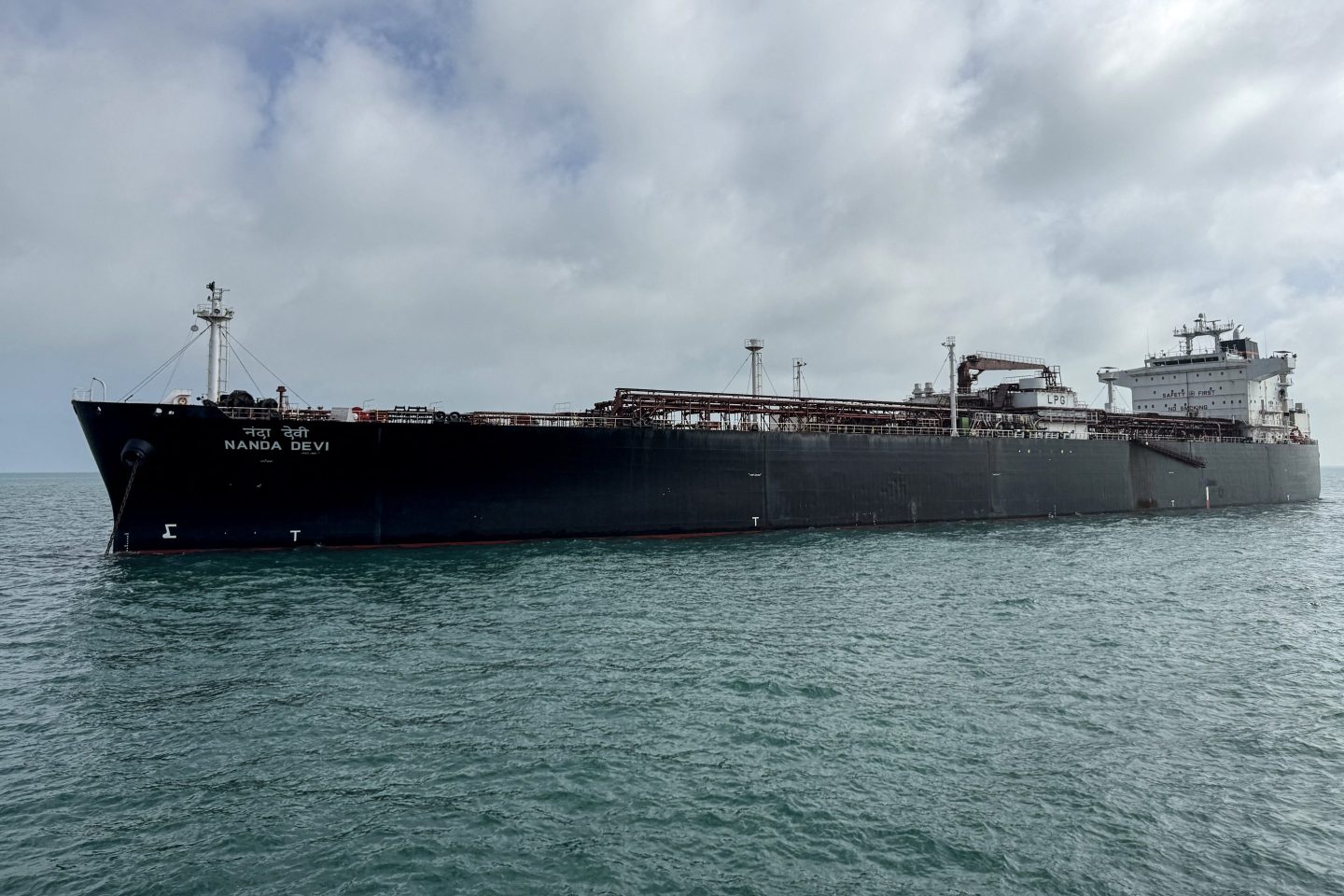
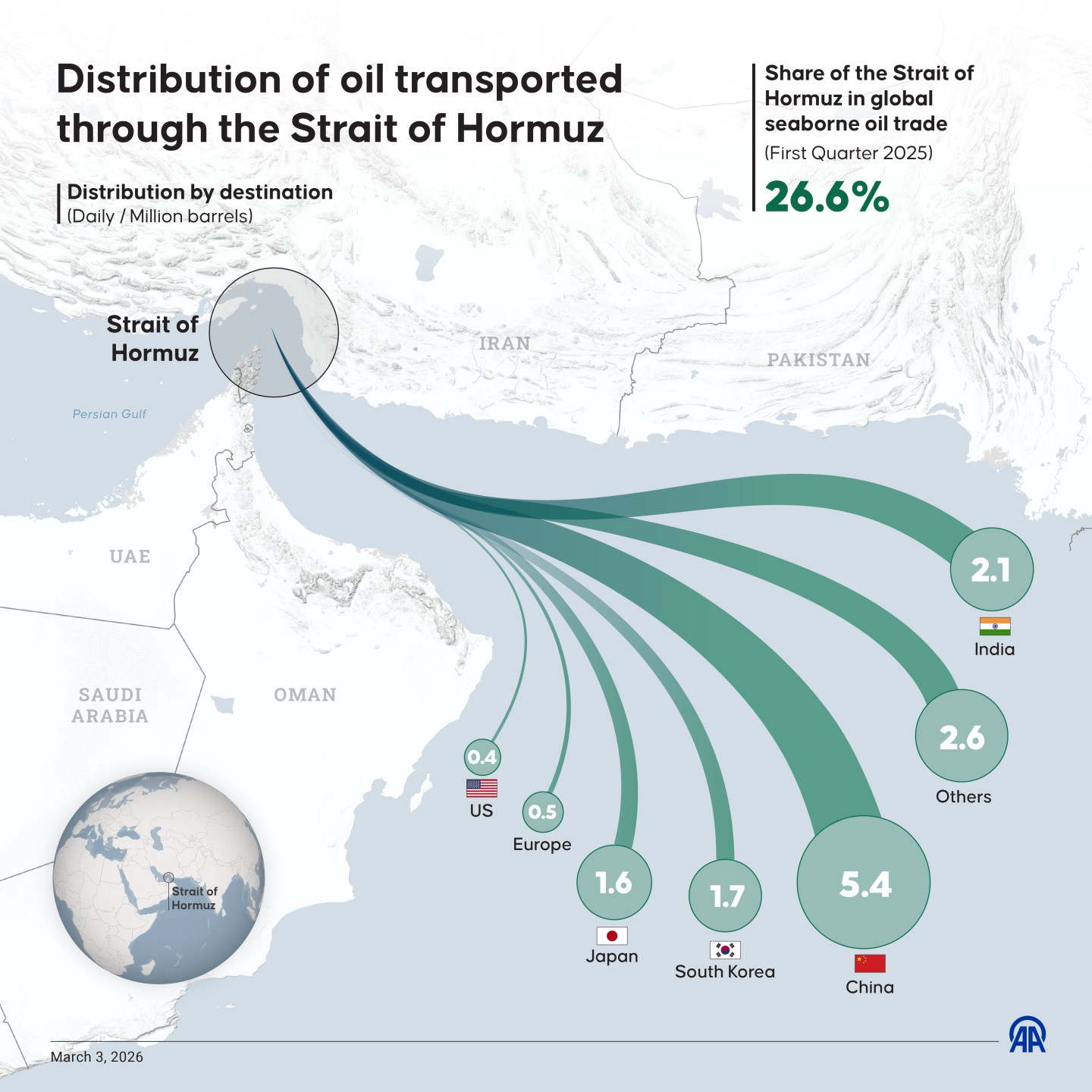
In the meantime, the narrow passageway controlling 20% of the world’s oil and exported natural gas remains effectively closed, representing the greatest energy supply shock ever, although some oil barrels are rerouted and Iran is allowing a few select tankers through. When and if the strait is reopened, it will take months to resume normal oil flows and, although prices will dip from their highs, they would remain elevated because of the heightened risks and insurance costs. And nearly 20% of Qatar’s gas-exporting facilities will remain offline with an announced repair timeline of three to five years.
“Every day that passes, your supply shock is getting wider and wider, and to get out of that is getting harder and harder,” said Sara Hakim, director of natural gas for ICF energy consultants.
Differing opinions
The U.S. and Israel could have continued negotiations toward a nuclear compromise, but they opted for a surprise strike on the Iranian leadership on Feb. 28, killing Supreme Leader Ali Khamenei and many others. His son now holds the same role.
Since then, the conflict has escalated beyond most expectations to include the entire Gulf region and the stoppage of energy flows, dramatically disrupting the global economy, said Jim Krane, energy fellow and Middle East expert at Rice University’s Baker Institute.
“It would take a lot of spin at this point to still call it a victory. It would require the U.S. to eat some crow really,” he said. “The U.S. is supposed to be the Gulf’s security provider, not the instigator of regional warfare that stops the oil flow.”
The “energy-for-security” relationship between the U.S. and Saudi Arabia along with much of the region dates back 80 years to President Franklin D. Roosevelt.
“Now we don’t have either one. We don’t have any oil; we don’t have any security,” Krane pointed out. “This is a 180-degree reversal of its original intent. It’s getting hard to watch.”
It will now take years to rebuild both the relationships with the Gulf states and to rebuild the damaged energy facilities, he added.
And Israel killing Ali Larijani, secretary of Iran’s Supreme National Security Council, who was acting as a day-to-day leader for Iran during the war, made a negotiated peace more difficult as the militant Revolutionary Guard takes more control. Krane likened Larijani to Venezuelan Vice President Delcy Rodriguez, now the interim president after the U.S. arrested former leader Nicolás Maduro in January.
“He had a pretty good track record of negotiating in good faith, so killing him I think was a big mistake. That makes it a lot harder,” Krane said of Larijani. “I don’t see an easy off-ramp.”
Since then, Trump has lashed out at allies as “cowards” for not assisting militarily in reopening the strait, calling NATO a “paper tiger” without the U.S. And Iran’s foreign minister, Abbas Araghchi, said Iran would show “zero restraint” if its energy infrastructure was struck again.
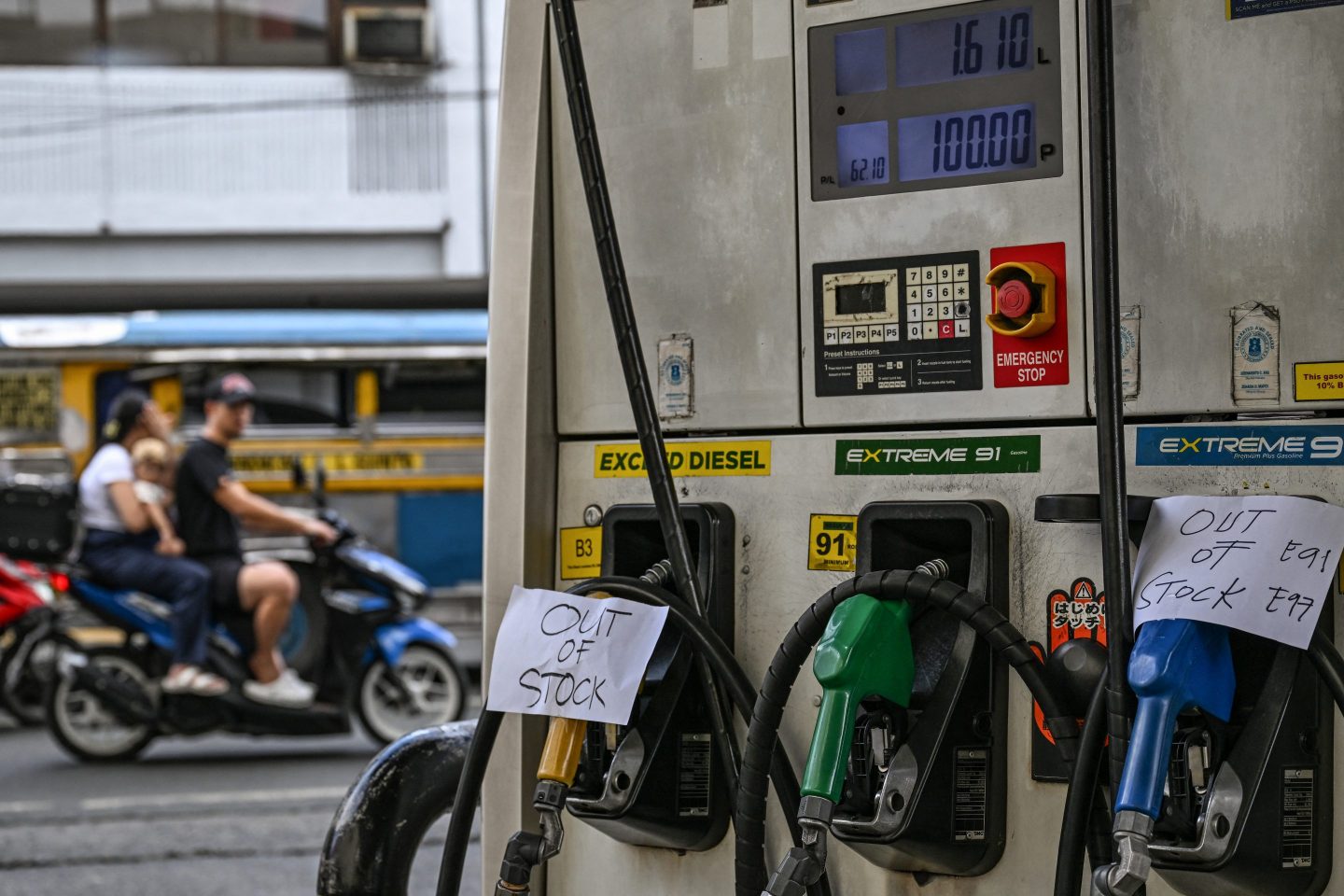
In the meantime, the White House is pulling every lever to keep prices, especially prices at the pump, from getting out of control. There’s the 172 million barrels of oil slated for release from the U.S. Strategic Petroleum Reserve—almost half of the 400 million barrels scheduled to come out of reserves worldwide—the loosening of sanctions on Russian oil, the potential loosening on waterborne Iranian crude, the 60-day Jones Act waiver to allow for foreign tankers to move oil and products domestically, and more.
Still, the U.S. average for the cost of a gallon of regular unleaded oil has spiked 45% from January lows and counting, even though U.S. oil prices remain lower than the rest of the world and U.S. natural gas costs are largely unchanged. The national average could exceed $4.00 a gallon by the end of the weekend.
Are boots needed?
Then there’s the question of whether the war will require so-called boots on the ground in Iran, not for a full ground invasion, but for select, but dangerous, special operations. Trump has said he does not want to deploy troops on the ground in Iran, but he’s left some wiggle room.
“There’s a tangential view you can’t do all this by air power. At some point you may have to put boots on the ground. Maybe that’s the case,” Wizman said.
Troops could be used selectively on the shoreline of the Strait of Hormuz, at nuclear sites, or even on Iran’s Kharg Island, which the U.S. has already bombed but avoided hitting energy infrastructure.
Iran’s missile and drone defenses would need to be further crippled first, Goldberg said. “If you were to put boots on the ground on Kharg, they’d be vulnerable to drones, they’d be vulnerable to other threats,” he said. “One missile into the power plant shuts down the export terminal without destroying the oil. That to me seems like a better solution.”
Regardless, the top priority is reopening the Strait of Hormuz and safely escorting tankers through.
“If you’re able to conduct the escort missions and defeat any threats that are still posed by the regime, then the [Iranian] regime probably has lost at that point,” Goldberg said.